
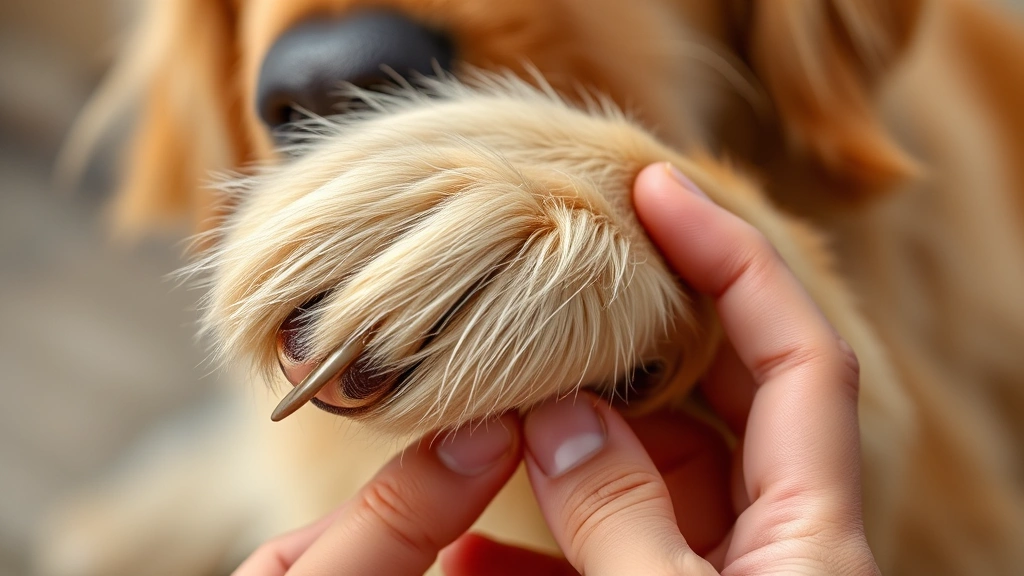
If your dog constantly licking paws has become an obsession that rivals their interest in treats, you’re not alone—and honestly, it’s probably driving you a little nuts. That constant lick-lick-licking sound at 3 AM? Yeah, we’ve all been there. But here’s the thing: when your pup won’t stop gnawing at their feet, it’s usually their way of saying something’s up. Maybe it’s itchy, maybe it’s anxious, or maybe they’ve just discovered the most entertaining hobby ever. Either way, we’re diving deep into why this happens and how to make it stop.
Table of Contents
- Why Is Your Dog Constantly Licking Their Paws?
- Solution #1: Rule Out Allergies and Food Sensitivities
- Solution #2: Address Parasites and Skin Infections
- Solution #3: Try Medicated Paw Soaks and Topical Treatments
- Solution #4: Manage Anxiety and Behavioral Licking
- Solution #5: Keep Paws Clean and Dry
- When to Call the Vet: Red Flags You Can’t Ignore
- Preventing Future Paw Problems
- Natural Remedies and Supplements Worth Considering
- Frequently Asked Questions
- Summary: Getting Your Dog’s Paws Back to Normal
Why Is Your Dog Constantly Licking Their Paws?
Before we jump to solutions, let’s talk about the root cause. A dog constantly licking paws isn’t just a quirky habit—it’s typically a sign that something needs attention. The most common culprits include allergies (both food and environmental), skin infections, parasites, anxiety, or even just plain old boredom. Think of it like when you can’t stop picking at a hangnail; there’s usually a reason behind the behavior.
The paws are basically your dog’s ground zero for irritation because they’re in constant contact with dirt, grass, chemicals, and whatever else your yard throws at them. Plus, paws have sweat glands, which makes them a prime real estate for yeast and bacterial infections. Fun times, right?
Solution #1: Rule Out Allergies and Food Sensitivities
Allergies are the MVP of paw-licking causes. If your dog’s paws are red, inflamed, or they’re going at them like they owe them money, allergies are probably your first suspect. Food allergies and environmental allergies both love to target the paws—it’s like they’ve got a vendetta against your dog’s feet.
The tricky part? Figuring out what’s causing the allergy. Common culprits include chicken, beef, wheat, and dairy. Environmental allergens like pollen, dust mites, and mold can also trigger the paw-licking madness. If you suspect food is the issue, consider getting online vet advice for food reactions to identify potential triggers. Your vet can help you run an elimination diet or recommend an allergy test.
Pro tip: Keep a food diary for a week or two. Note what your dog eats and when the licking intensifies. You might spot a pattern faster than you’d think.
Solution #2: Address Parasites and Skin Infections
Nothing says “party on my paws” like parasites or a fungal infection. Fleas, mites, and ringworm absolutely love to set up shop on your dog’s feet, and they’re notorious for causing intense itching. If you see any redness, scaling, or crusty patches between the toes or on the paw pads, it’s time to call the vet.

Yeast infections are another sneaky culprit—they thrive in warm, moist environments, and guess what? Your dog’s paws are basically a five-star resort for yeast. If the paws smell like corn chips (yes, really), that’s a classic sign of a yeast overgrowth.
The good news? These are all treatable. Your vet can prescribe topical treatments, oral medications, or medicated soaks depending on what’s going on. Regular parasite prevention is also essential—it’s way easier to prevent fleas than deal with the aftermath of your dog turning into a licking machine.
Solution #3: Try Medicated Paw Soaks and Topical Treatments
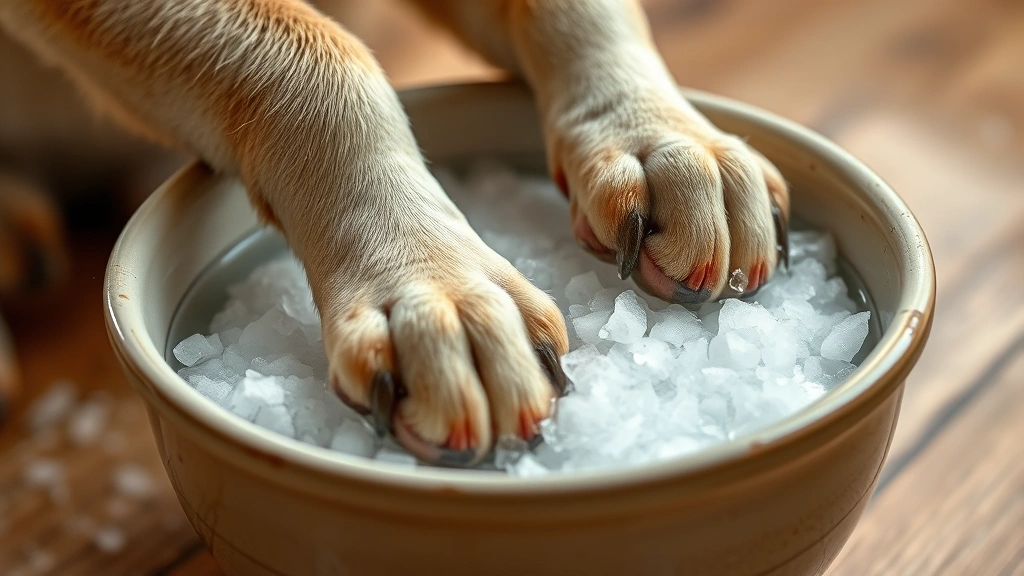
Sometimes the simplest solutions are the best ones. Medicated paw soaks can work wonders for dogs with itchy, irritated feet. Epsom salt soaks are a classic go-to—they reduce inflammation and can help with minor infections. Just soak those paws in warm water with Epsom salt for about 5-10 minutes a few times a week.
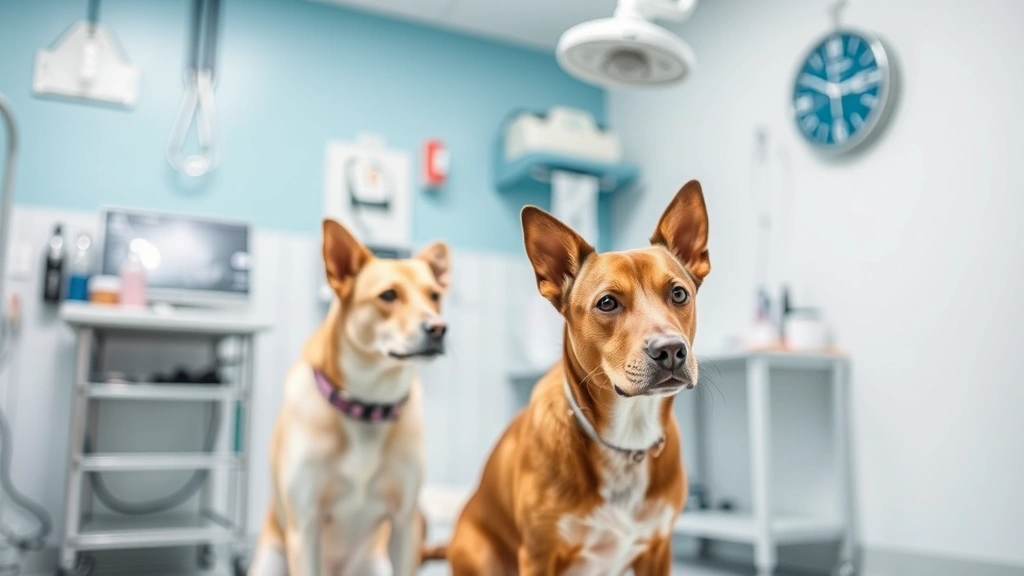
For more serious cases, your vet might recommend medicated shampoos or sprays specifically designed for paw issues. Some contain antifungal or antibacterial ingredients that target the root problem. There are also protective balms and creams that create a barrier between your dog’s paws and irritants.
Keep in mind that consistency is key. You can’t do one soak and expect miracles—you need to stick with it for at least a couple of weeks to see real improvement. Your dog might think you’re torturing them at first, but once they realize it feels better, they’ll be your biggest fan.
Solution #4: Manage Anxiety and Behavioral Licking
Sometimes a dog constantly licking paws isn’t about physical irritation at all—it’s about stress and anxiety. Dogs lick when they’re nervous, bored, or feeling anxious, and the paws are an easy target. If your vet has ruled out medical issues but the licking persists, anxiety might be your answer.
Signs of anxiety-related licking include excessive grooming without visible skin issues, licking that happens during specific times (like when you leave for work), or licking that seems to soothe your dog. If this sounds familiar, you’ve got options.
First, increase exercise and mental stimulation. A tired dog is a happy dog, and they’re less likely to develop obsessive behaviors. Try calming foods for anxious pets to help ease their nerves from the inside out. You can also use puzzle toys, training sessions, or even just more playtime to keep their brain engaged.
For severe anxiety, talk to your vet about virtual vet consultation for diet questions or behavioral modifications. Some dogs benefit from anxiety wraps, calming supplements, or even medication in serious cases.

Solution #5: Keep Paws Clean and Dry
This one’s basic but incredibly effective: keep those paws clean and dry. Moisture is the enemy when it comes to skin health, and wet paws are basically an invitation for bacterial and fungal infections to move in.
After walks, especially in wet or muddy conditions, wipe your dog’s paws with a clean towel. Pay special attention between the toes—that’s where moisture loves to hide. In winter, rinse off any salt or chemicals from sidewalks, and in summer, rinse away dirt and grass.
Trim the hair around your dog’s paws regularly too. Long hair traps moisture and makes it harder to spot problems early. If you’re not comfortable doing it yourself, your groomer can handle it in seconds.

When to Call the Vet: Red Flags You Can’t Ignore
Some situations demand professional help ASAP. If your dog’s paws are bleeding, swollen, have open sores, or show signs of infection (pus, warmth, odor), don’t wait. If the licking is so intense that your dog is causing self-injury, that’s also a vet visit situation.
Additionally, if the licking started suddenly and is accompanied by other symptoms like lethargy, loss of appetite, or fever, something systemic might be going on. Schedule a telehealth vet appointment to get professional eyes on the situation quickly.
Preventing Future Paw Problems
An ounce of prevention is worth a pound of cure, especially with paw health. Keep up with regular grooming, maintain a consistent parasite prevention routine, and monitor your dog’s paws during your weekly cuddle sessions. Catch issues early, and you’ll save yourself (and your dog) a lot of grief.
Consider using protective booties during walks in harsh weather or contaminated areas. Some dogs tolerate them better than you’d think, and they’re a game-changer for preventing irritation.
If your dog has a history of allergies, work with your vet to identify triggers and develop a management plan. Maybe that means switching to a limited ingredient diet or using limited ingredient treat recipes to minimize exposure to problematic foods.
Natural Remedies and Supplements Worth Considering
Some pet parents swear by natural approaches to support paw health. Omega-3 fatty acids from fish oil can help reduce inflammation and improve skin health from the inside out. Coconut oil has antimicrobial properties and can be applied topically (though some dogs find it too tempting to lick off).

Herbs safe for pets like chamomile and calendula have soothing properties and can be used in paw soaks. Probiotics designed for pets might help if a bacterial or yeast imbalance is the culprit.
That said, natural doesn’t always mean safe or effective, and it definitely doesn’t replace veterinary care. Always check with your vet before adding supplements or herbal remedies to your dog’s routine. Some can interact with medications or cause problems if your dog has underlying health conditions.
Frequently Asked Questions
How long does it take to see improvement after starting treatment?
This depends on the cause. For parasites or infections, you might see improvement within a week or two of starting medication. For allergies, it can take 4-8 weeks to notice significant changes, especially if you’re doing an elimination diet. Anxiety-related licking might take several weeks of consistent behavioral modification and training to improve.
Can I use human products on my dog’s paws?
Not always. Some human products are safe, but others can be toxic or cause irritation. Never use products containing salicylic acid, benzoyl peroxide, or essential oils without vet approval. Stick to vet-recommended products or simple things like Epsom salt soaks to be safe.
Is constant paw licking ever just normal dog behavior?
A little licking is totally normal—dogs groom themselves like cats do. But if you’re noticing excessive licking that seems obsessive or is causing damage to the paws, that’s when it becomes a problem worth investigating.
What’s the difference between licking and chewing?
Licking is usually gentler and more frequent, while chewing suggests more intense irritation or anxiety. Both can indicate problems, but chewing often points to more severe itching or behavioral issues. Either way, it’s worth investigating.

Can diet changes really help with paw licking?
Absolutely. If food allergies are the culprit, switching to a limited ingredient or hypoallergenic diet can make a huge difference. Some dogs see improvement within weeks of dietary changes, while others take longer. Working with your vet to identify problem ingredients is key.
Summary: Getting Your Dog’s Paws Back to Normal
A dog constantly licking paws is trying to tell you something, and now you’ve got the tools to figure out what it is. Whether it’s allergies, parasites, skin infections, anxiety, or just a hygiene issue, there’s a solution out there for your pup. Start by ruling out medical causes with your vet, then work through the solutions that make sense for your dog’s situation.
Remember, consistency and patience are your best friends here. Paw problems don’t usually develop overnight, and they won’t disappear overnight either. But with the right approach—whether that’s medicated soaks, dietary changes, anxiety management, or a combination of strategies—you can get your dog back to happy, healthy paws. And that means fewer 3 AM licking sessions for you and a more comfortable pooch overall.





