
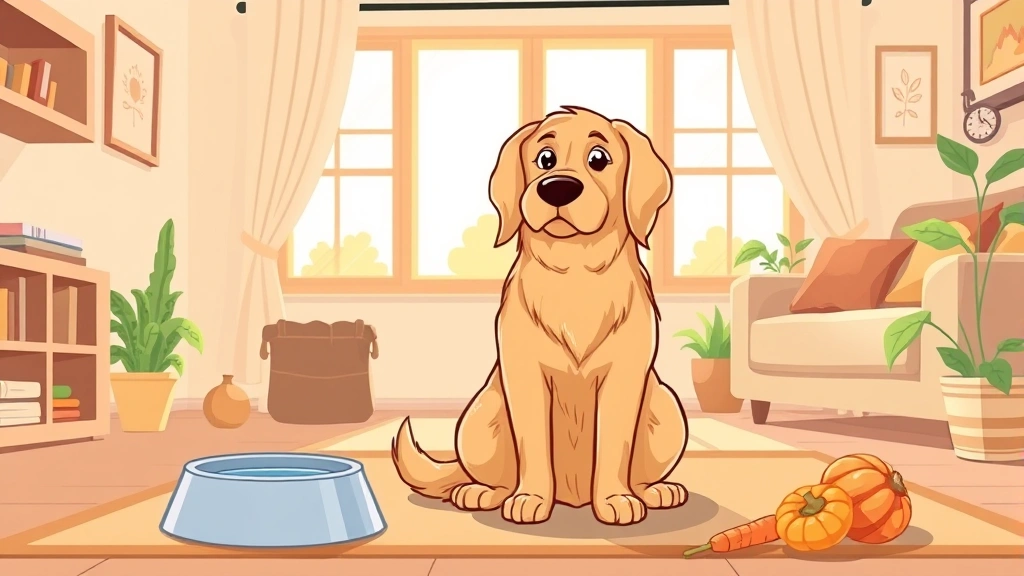
If your dog hasn’t pooped in a couple of days, you’re probably worried. And rightfully so—dog constipation can range from a minor inconvenience to a sign of something serious. The good news? Most cases resolve quickly with the right approach, and you can help your pup feel better today.
I’ve seen hundreds of constipated dogs come through the clinic, and the pattern is always the same: owners panic, try random home remedies, then finally bring their dog in. Let’s skip that middle part. Here’s what actually works, what to avoid, and when to call the vet.
What Is Dog Constipation?
Dog constipation is when your dog has difficulty passing stool or goes longer than normal without a bowel movement. Healthy dogs typically poop once or twice daily, though some perfectly normal dogs go every other day. If your dog hasn’t had a bowel movement in 48+ hours, or is straining and producing little to nothing, that’s constipation.
Think of it like traffic on a highway. Sometimes there’s just congestion, sometimes there’s an accident blocking the road entirely. We need to figure out which one we’re dealing with, because the fix is different.
Most cases of dog constipation are mild and resolve within 24–48 hours with simple interventions. But some dogs develop serious blockages that require surgery. The key is recognizing which camp your dog falls into and acting accordingly.
Common Causes of Dog Constipation
Understanding why your dog is constipated matters, because the cause determines the fix.
- Dehydration: This is the #1 culprit. Dogs who don’t drink enough water end up with hard, dry stools that are tough to pass. Senior dogs and dogs on dry kibble are especially at risk.
- Low-fiber diet: Some commercial dog foods don’t have enough fiber. Ironically, this is often the “premium” grain-free diets that people buy thinking they’re better.
- Lack of exercise: Movement stimulates the digestive tract. A couch potato dog is more likely to be a constipated dog.
- Ingesting non-food items: Bones, hair, toys, or foreign objects can create blockages. This is serious and often requires vet intervention.
- Medications: Some drugs (especially opioids and antihistamines) slow gut motility as a side effect.
- Anal gland issues: Impacted or infected anal glands can make defecation painful, so dogs avoid it.
- Underlying health conditions: Hypothyroidism, megacolon, hernias, or neurological issues can cause chronic dog constipation.
- Age: Senior dogs have slower digestive systems and are more prone to constipation.
I once had a golden retriever come in with severe constipation. Turned out the owner had been giving him rawhide chews daily, and they were impacting his intestines. Simple fix: stop the rawhides. Problem solved in three days.
Signs Your Dog Is Constipated
Sometimes it’s obvious. Other times, owners miss the early warning signs. Here’s what to watch for:
- No bowel movement for 48+ hours
- Straining or squatting for extended periods with little or no output
- Dry, hard, or small stools
- Loss of appetite
- Lethargy or unusual behavior
- Abdominal pain (whining, hunched posture, reluctance to move)
- Vomiting (can indicate a serious blockage)
- Scooting or excessive licking of the rear end
If your dog is vomiting along with constipation, this could signal a blockage. Don’t wait—call your vet. We have a full guide on why dogs vomit white foam, but vomiting + constipation together is a red flag that needs professional evaluation.
Home Remedies That Actually Work
Before you panic and spend $500 at the emergency vet, try these evidence-based home remedies. They work for mild to moderate dog constipation.
Increase Water Intake
Dehydration is the root cause in most cases. Get more water into your dog. Here are practical ways:
- Add a little low-sodium broth to their water bowl (makes it more appealing)
- Offer water more frequently throughout the day
- Try a water fountain—some dogs prefer moving water
- Mix wet food into their kibble to increase moisture content
According to the American Kennel Club, proper hydration is foundational to digestive health. A good rule of thumb: dogs should drink about 1 ounce of water per pound of body weight daily.
Add Fiber Gradually
Fiber softens stool and promotes movement through the colon. But here’s the catch: add it slowly, or you’ll make things worse temporarily.
- Pumpkin puree: One of the best options. Mix 1–4 tablespoons into their food daily (depending on dog size). Use plain pumpkin, not pie filling. It works because it’s high in fiber and moisture.
- Psyllium husk: A tasteless powder you can sprinkle on food. Start with 1/2 teaspoon for small dogs, 1 teaspoon for large dogs, once daily.
- Sweet potato: Cooked and plain. High in fiber and dogs love it.
- Green beans: We have a full breakdown on whether string beans are good for dogs—spoiler: they’re excellent for constipation relief.
Pro tip: If you’re switching to a higher-fiber diet, do it over 7–10 days. Abrupt changes can cause bloating or diarrhea.
Increase Exercise
A 15–30 minute walk often stimulates bowel movements naturally. It’s not magic, but movement really does get things moving. If your dog is in pain, start gentle. Even a slow walk around the block helps.
Olive Oil or Coconut Oil
A small amount of plain olive oil acts as a lubricant. Give 1/2 to 1 teaspoon (depending on size) mixed into food once daily. Some vets recommend coconut oil instead. Both work similarly.
Pro Tip: Don’t use mineral oil. Yes, it’s a lubricant, but it can interfere with fat-soluble vitamin absorption if used long-term. Olive oil is safer.
Warm Compress
A heating pad on the abdomen (low setting, never direct heat) can relax muscles and ease discomfort. Keep it on for 10 minutes at a time, a few times daily.
When to Call the Vet (Don’t Wait)
Home remedies work for mild cases. But some situations require professional help immediately.
Call your vet right now if:
- Your dog is vomiting along with constipation
- There’s blood in the stool
- Your dog is in severe abdominal pain
- He hasn’t pooped in 72+ hours despite home treatment
- He’s a senior dog (over 7 years) with sudden constipation
- You suspect he swallowed something (toy, bone, foreign object)
- Dog constipation is chronic and recurring
Your vet will do an abdominal exam and possibly X-rays to rule out blockages. If there’s a blockage, your dog may need an enema, medication, or in severe cases, surgery. Yes, it’s expensive. But it’s cheaper and less risky than waiting until the situation becomes life-threatening.
I’ve seen dogs come in with ruptured colons from prolonged constipation. That’s a $5,000+ emergency. The $200 vet visit earlier would have prevented it.
Prevention Strategies
Once you’ve dealt with the current bout of dog constipation, keep it from happening again.
Maintain a Routine
Dogs thrive on consistency. Feed at the same times daily. Take potty breaks at the same times. This trains the digestive system and makes bowel movements predictable.
Monitor Diet Quality
Not all dog foods are created equal. Look for foods with adequate fiber (around 3–5% crude fiber for most dogs). Avoid foods with excessive fillers or low-quality ingredients.
We have guides on whether corn is okay for dogs and how it affects digestion. Spoiler: whole corn isn’t ideal for digestive health.
Limit Treats and Table Food
Those “human” foods and high-fat treats can disrupt digestion. Stick to healthy options like carrots, apples (no seeds), or the dog treats you trust.
Manage Medications
If your dog is on medication that causes constipation, talk to your vet about adjusting the dose or switching drugs. Don’t stop medication without permission, but do mention the side effect.
Regular Vet Checkups
Annual exams catch underlying issues early. For senior dogs, twice-yearly visits are smart.
Diet, Fiber, and Water: The Constipation Prevention Trifecta
Let’s be real: most dog constipation cases come down to diet and hydration. Get these two things right, and you’ll rarely deal with this problem again.
The Right Food
Your dog’s food should be:
- High-quality (named meat as first ingredient)
- Appropriate fiber level (ask your vet what’s best for your dog)
- Consistent (switching foods frequently causes digestive upset)
Some dogs do better on wet food because it has higher moisture content. Others thrive on kibble with added water. There’s no one-size-fits-all answer, but if your dog is chronically constipated, experiment with food type under your vet’s guidance.
Hydration is Non-Negotiable
This is where most owners fail. Dogs don’t always drink enough water, especially if they’re on a dry kibble diet. Check out our guide on what dogs can drink besides water for creative ways to boost hydration.
Pro tip: If your dog is a picky drinker, add bone broth (low sodium) or a tiny bit of apple juice to their water. It makes it more appealing without being harmful.
Fiber Supplementation
If your dog is prone to constipation, a daily fiber supplement might be worth it. Psyllium husk or specially formulated dog probiotics can help. Ask your vet for recommendations.
According to PetMD, fiber works best when combined with adequate water intake. One without the other is like trying to drive with no gas—it just doesn’t work.
For comprehensive guidance on overall dog care, check out our how to care for a dog resource, which covers nutrition, exercise, and health maintenance.
Treat Your Dog’s Constipation at Home
If you’re ready to tackle this head-on, we have a detailed guide on how to treat dog constipation at home with step-by-step protocols and troubleshooting tips.
Frequently Asked Questions
How long can a dog go without pooping?
– Healthy dogs typically poop once or twice daily. If your dog hasn’t gone in 48 hours, it’s time to intervene. Beyond 72 hours without treatment, you need veterinary help.
Is pumpkin really effective for dog constipation?
– Yes. Plain pumpkin puree is one of the most effective home remedies because it’s high in fiber and moisture. Use plain pumpkin (not pie filling), and start with 1–2 tablespoons mixed into food daily. Most dogs show improvement within 24 hours.
Can I give my dog a laxative?
– Some over-the-counter laxatives are safe for dogs, but only use them under vet guidance. Miralax (polyethylene glycol) is commonly recommended. Never give your dog mineral oil without vet approval, as it can interfere with nutrient absorption.
What if my dog is straining but nothing comes out?
– This could be anal gland impaction, a blockage, or severe constipation. Call your vet. Straining without output is more serious than regular constipation and needs professional evaluation.
Can dog constipation cause vomiting?
– Yes. Severe constipation or blockages can cause vomiting as the digestive system backs up. If your dog is vomiting and constipated, this is an emergency. Get to the vet immediately.
Is dog constipation ever life-threatening?
– In most cases, no. But untreated severe constipation or blockages can rupture the colon, which is life-threatening. That’s why you shouldn’t ignore it beyond 72 hours or if your dog shows severe symptoms.
Do senior dogs get constipated more often?
– Yes. Older dogs have slower metabolism and less efficient digestive systems. They’re also more likely to be on medications that cause constipation. If you have a senior dog, pay extra attention to bowel habits and consider preventive measures like added fiber and hydration.
Can anxiety cause dog constipation?
– Yes, stress and anxiety can affect digestion. If your dog is constipated during stressful situations (vet visits, travel, loud noises), try calming techniques and consult your vet about whether anxiety is the root cause.
What’s the difference between constipation and blockage?
– Constipation is slow or difficult bowel movements. A blockage is a physical obstruction (foreign object, tumor, etc.) preventing stool passage. Blockages are more serious and usually require imaging or surgery to diagnose and treat.
How much pumpkin should I give my dog?
– Small dogs (under 25 lbs): 1–2 tablespoons daily. Medium dogs (25–50 lbs): 2–4 tablespoons daily. Large dogs (over 50 lbs): up to 4 tablespoons daily. Mix it into their regular food. Start with the lower end and adjust as needed.





