
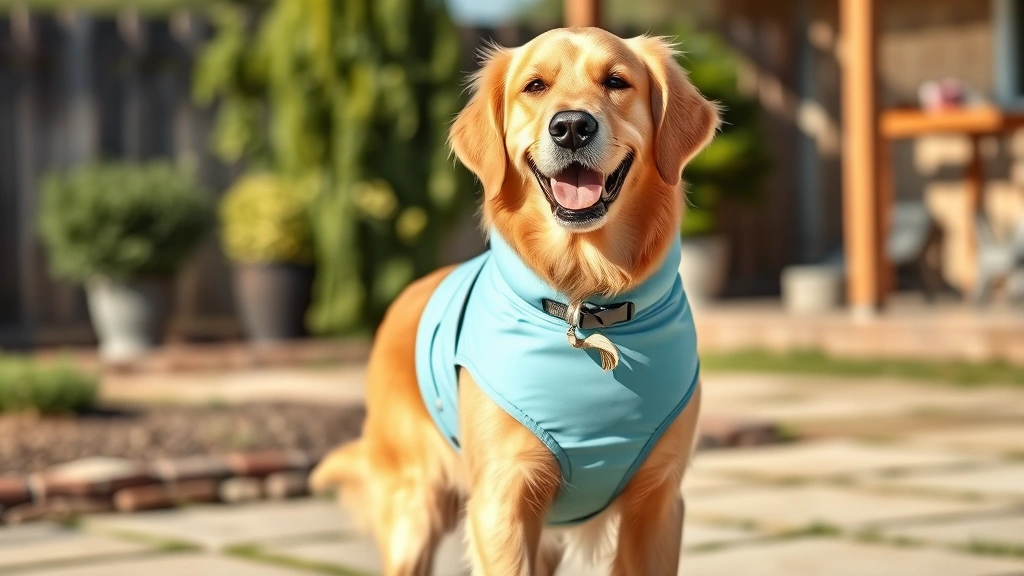
A dog cooling vest might just be your four-legged friend’s new best friend during those scorching summer months when the pavement could fry an egg and your pup is panting like they just ran a marathon. If you’ve got a furry buddy who struggles in the heat, you know exactly how miserable they can get—lethargy, excessive drooling, and that desperate look that says “please, I’m dying here.” The good news? A quality cooling vest can make all the difference between a happy, comfortable pooch and one who’s just surviving until sunset.
Table of Contents
- Why Your Dog Needs a Cooling Vest (Besides the Obvious Sweat Glands They Don’t Have)
- How Dog Cooling Vests Actually Work (The Science Bit)
- The Top 5 Dog Cooling Vests That Actually Deliver Results
- Choosing the Right Cooling Vest for Your Dog’s Needs
- Pro Tips for Using Your Dog Cooling Vest Effectively
- Other Heat Management Strategies to Pair with Your Cooling Vest
- Red Flags: When Your Dog Might Be Overheating Despite the Vest
- Maintenance and Care for Your Dog Cooling Vest
- Frequently Asked Questions
- Conclusion: Keep Your Pup Cool and Happy
Why Your Dog Needs a Cooling Vest (Besides the Obvious Sweat Glands They Don’t Have)
Here’s the thing about dogs: they can’t sweat like we do. They’ve got a few sweat glands on their paws, but that’s basically it. Instead, they rely on panting to regulate their body temperature, which is about as efficient as using a paper fan in a sauna. When temperatures spike, dogs are genuinely at risk for heat exhaustion and heatstroke—conditions that can be life-threatening.
A dog cooling vest works by using evaporative cooling technology or gel inserts to bring down your dog’s core body temperature. It’s like giving them a portable air conditioning unit they can wear. Dogs with thick coats, senior dogs, overweight pups, and breeds like Bulldogs, Pugs, and Huskies are especially vulnerable to overheating, making a cooling vest not just a luxury item but a legitimate health necessity.
How Dog Cooling Vests Actually Work (The Science Bit)
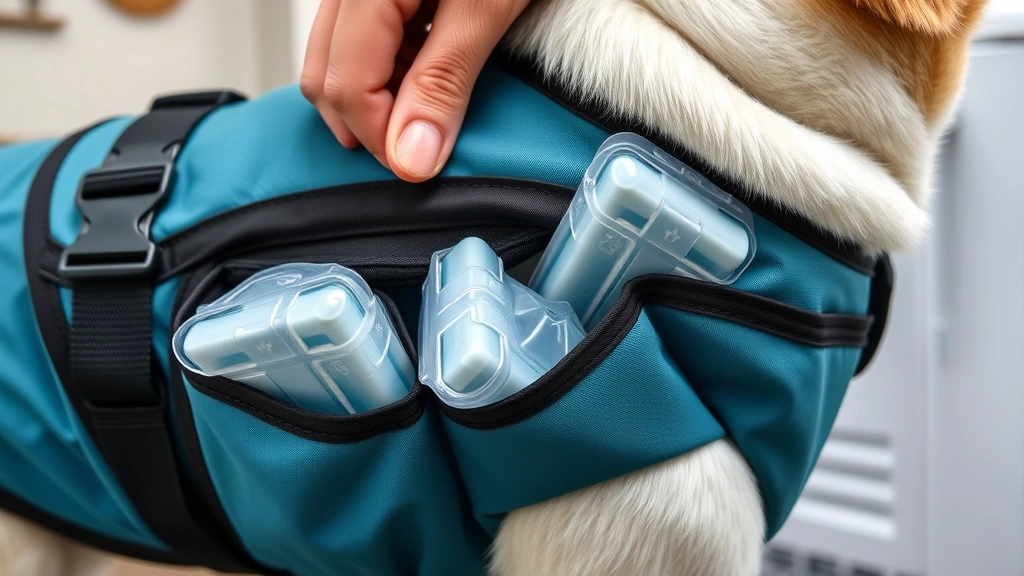
Most dog cooling vests fall into two categories: evaporative cooling vests and gel-insert vests. Evaporative vests are soaked in cool water, and as the water evaporates, it pulls heat away from your dog’s body. Gel vests contain non-toxic cooling gel packs that you freeze and insert into pockets. Both methods are effective, though they have different pros and cons depending on your situation.
The evaporative vests are great for active dogs because they work continuously as long as there’s moisture. Gel vests are perfect if you want a mess-free option that doesn’t require dunking your dog in water every hour. Some fancy models even combine both technologies for maximum cooling power. Check out our article on cooling dog beds for additional ways to keep your pup comfortable indoors.
The Top 5 Dog Cooling Vests That Actually Deliver Results
Let’s get into the good stuff—the vests that dog owners are raving about and that actually keep their pups cool without being a hassle to use.
1. The Evaporative Champion: Ruffwear Swamp Cooler
This vest is basically the Tesla of dog cooling wear. You soak it in water, and it uses evaporative cooling to keep your dog’s core temperature down for hours. It’s durable, comes in multiple sizes, and has that premium Ruffwear quality you’re paying for. The design is sleek enough that your dog won’t look like they’re wearing a safety vest to a construction site. Perfect for hiking, beach trips, or just lounging in the yard.
2. The Gel Pack Winner: Kurgo Core Cooling Vest
If you want something more low-maintenance, the Kurgo Core is your answer. Pop the gel packs in the freezer, insert them into the vest, and you’ve got hours of cooling relief without any water mess. It’s lightweight, machine-washable, and comes with replacement gel packs. Dog owners love how easy it is to use, especially for dogs who are already skeptical about wearing anything.
3. The Budget-Friendly Pick: IKAZZ Dog Cooling Vest
You don’t need to drop a fortune to keep your dog cool. The IKAZZ vest offers solid evaporative cooling at a fraction of the price of premium brands. It’s lightweight, comes in tons of sizes, and honestly, it does exactly what it’s supposed to do. Great for dogs who are still getting used to wearing vests or if you want a backup option.
4. The Luxury Option: Hurtta Cooling Vest
Finnish engineering meets dog comfort with the Hurtta Cooling Vest. This thing is built like a tank and designed for active dogs who need serious temperature management. It uses evaporative cooling and has reflective elements for visibility. It’s pricey, but if you’ve got a working breed or an athlete dog, the durability and performance justify the investment.
5. The Lightweight Alternative: Aqua Coolkeeper Cooling Coat
This one’s designed specifically for small breeds and toy dogs. It’s lightweight, adorable, and uses evaporative cooling technology that’s gentle enough for tiny pups. If you’ve got a Chihuahua or Pomeranian who overheats easily, this is a solid choice that won’t weigh them down.
Choosing the Right Cooling Vest for Your Dog’s Needs
Not all cooling vests are created equal, and what works for a Golden Retriever might be overkill for a Dachshund. Consider your dog’s size, breed, activity level, and how sensitive they are to heat. If your dog loves swimming and outdoor activities, an evaporative vest makes sense. If your dog prefers air-conditioned lounging with occasional yard time, a gel vest might be more practical.
Also think about your lifestyle. Do you have easy access to water for soaking vests? Are you constantly on the go? How much maintenance are you willing to do? These practical questions matter more than you’d think when choosing a dog cooling vest that’ll actually get used.
Pro Tips for Using Your Dog Cooling Vest Effectively
Just buying a vest isn’t enough—you need to use it right. Start by introducing it gradually so your dog doesn’t freak out about wearing something new. Let them wear it indoors for short periods before taking it outside. For evaporative vests, you’ll need to re-soak them every 1-2 hours for continuous cooling. For gel vests, rotate your gel packs so you always have fresh frozen ones ready.
Never leave a cooling vest on your dog for extended periods without breaks, and always make sure they have access to fresh water. The vest helps regulate temperature, but hydration is still crucial. Also, check your dog’s skin regularly to make sure the vest isn’t causing any irritation or chafing.
Other Heat Management Strategies to Pair with Your Cooling Vest
A cooling vest is fantastic, but it works best as part of a comprehensive heat management plan. Keep your dog indoors during peak heat hours (usually 10 a.m. to 4 p.m.), provide plenty of shade, and always have fresh water available. Consider getting a cooling dog bed for indoor relaxation, and avoid hot pavement that can burn their paws.
For dogs with anxiety about heat or those prone to stress-related overheating, you might explore calming foods for anxious pets to help them stay relaxed during warm weather. Additionally, proper nutrition supports overall health and heat tolerance—check out our guide on skin and coat health foods to ensure your dog’s coat is in optimal condition for temperature regulation.
Red Flags: When Your Dog Might Be Overheating Despite the Vest
Even with a cooling vest, watch for signs of heat exhaustion: excessive panting, drooling, lethargy, vomiting, or collapse. If your dog shows any of these symptoms, get them to a cool area immediately and contact your vet. Heat exhaustion can escalate to heatstroke quickly, and that’s a medical emergency.
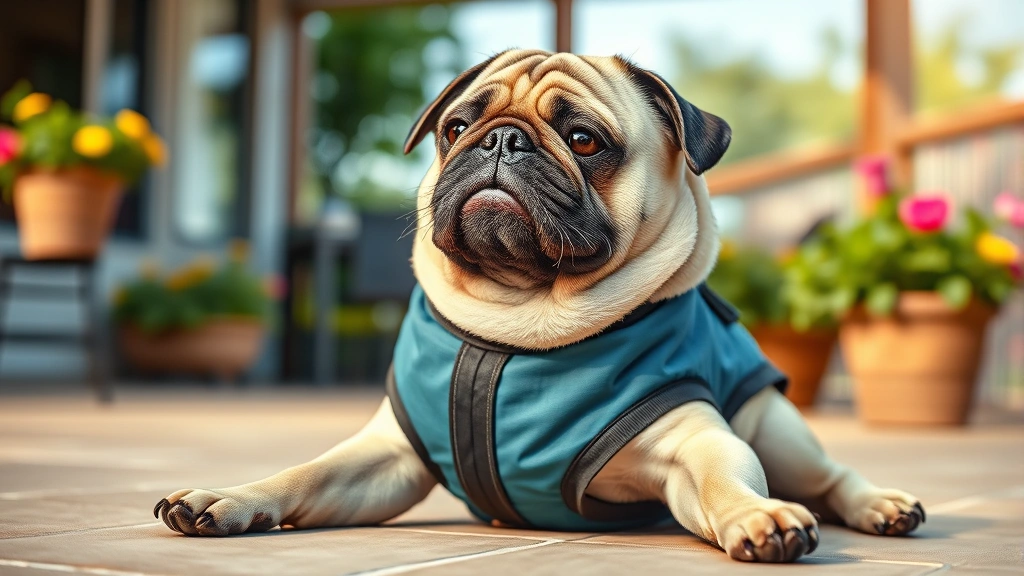
Some dogs are just more heat-sensitive than others. Brachycephalic breeds (flat-faced dogs like Bulldogs and Pugs) struggle more with heat because they can’t pant as efficiently. Senior dogs and overweight dogs also have a harder time. If your dog falls into these categories, be extra vigilant and consider consulting with a vet about heat management strategies. If you have specific concerns about your dog’s diet affecting their heat tolerance, virtual vet consultation for diet questions can provide professional guidance.
Maintenance and Care for Your Dog Cooling Vest
To keep your cooling vest in top shape, wash it regularly according to the manufacturer’s instructions. Most are machine-washable, which is convenient. For gel vests, check the gel packs periodically to make sure they’re not leaking. For evaporative vests, ensure they’re completely dry before storing to prevent mildew.
Replace gel packs if they start to deteriorate, and inspect the fabric for any tears or damage. A well-maintained vest will last through multiple summers and keep your dog comfortable for years.
Frequently Asked Questions
How long can my dog wear a cooling vest?
Most dogs can wear a cooling vest for 2-4 hours at a time, though this varies by vest type and individual dog. Evaporative vests typically need re-soaking every 1-2 hours for continued cooling. Always take breaks and monitor your dog for any signs of discomfort or skin irritation.
Are cooling vests safe for all dog breeds?
Cooling vests are generally safe for most breeds, but they’re especially beneficial for heat-sensitive dogs like Bulldogs, Pugs, Huskies, and senior dogs. Always introduce the vest gradually and ensure proper fit. If your dog has skin conditions or sensitivities, consult your vet before using a cooling vest.
Can I use a cooling vest instead of air conditioning?
A cooling vest is a helpful tool for managing heat, but it shouldn’t replace proper climate control, shade, and water access. It’s best used as part of a comprehensive heat management strategy, not as the only cooling solution.
How do I know what size cooling vest to buy?
Most brands provide sizing charts based on your dog’s weight and chest measurements. Measure your dog carefully and follow the manufacturer’s guidelines. A vest that’s too tight will be uncomfortable; too loose and it won’t work effectively.
Do cooling vests work for dogs with thick coats?
Yes, cooling vests work for thick-coated breeds, though you might need to wet them more frequently since the coat can retain more heat. Evaporative vests tend to work better for thick-coated dogs than gel vests.
Conclusion: Keep Your Pup Cool and Happy
A quality dog cooling vest is one of the best investments you can make for your dog’s summer comfort and safety. Whether you choose an evaporative model like the Ruffwear Swamp Cooler, a gel-pack option like the Kurgo Core, or a budget-friendly alternative, you’re taking a proactive step to protect your pup from heat-related stress and illness.
Remember that a cooling vest works best as part of a larger heat management strategy that includes proper hydration, shade, limited outdoor time during peak heat, and regular monitoring for signs of overheating. Every dog is different, so pay attention to how your individual pup responds and adjust accordingly.
Your dog depends on you to keep them safe and comfortable, and during those brutal summer months, a cooling vest might be the difference between a happy, healthy pup and one who’s just barely getting by. So grab one, introduce it properly, and get ready to see your dog enjoy the summer instead of just enduring it.





