
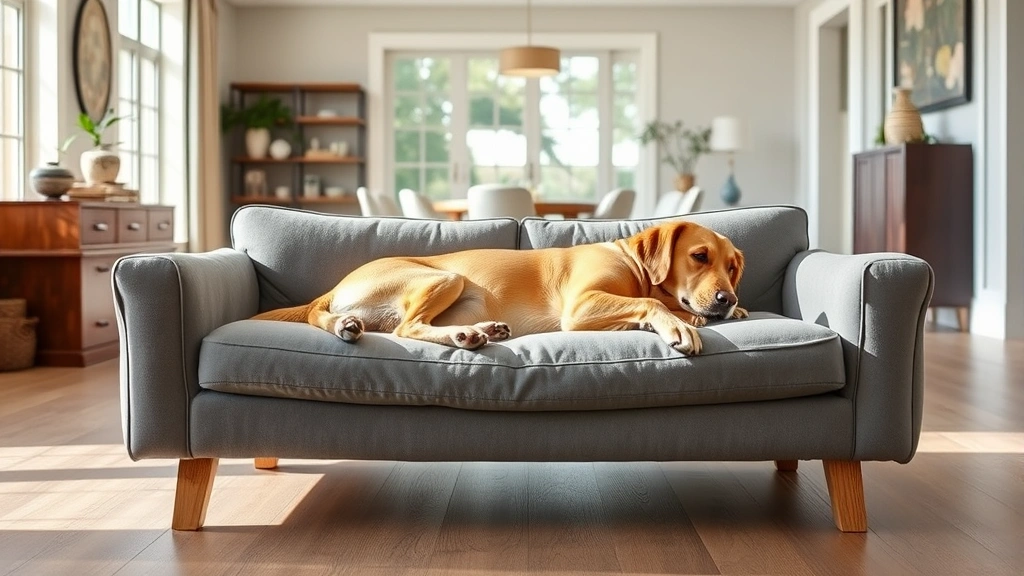
Your dog spends roughly 12-16 hours a day sleeping or resting. That’s half their life on a bed. So when you’re shopping for a dog couch, you’re not just picking furniture—you’re investing in their health, your sanity, and keeping them off your actual couch. A quality dog couch gives them their own space, reduces anxiety, and honestly? It saves your upholstery from becoming a fur-covered disaster zone.
Here’s the real talk: not all dog beds are created equal. Some collapse after three months. Others smell like wet dog no matter how often you wash them. And some dogs will ignore an expensive orthopedic dog couch to nap on your tile floor just to be difficult.
In this guide, we’ll walk through what makes a great dog couch, which styles actually work, and how to pick one that won’t end up in a donation pile by next spring.
Why Dogs Need Their Own Couch
Dogs are den animals. In the wild, they’d find a safe spot—a cave, under a tree, somewhere enclosed—and that’s where they’d rest. Your couch is just a modern version of that den, which is why your dog gravitates toward it like a magnet.
But here’s the problem: your couch isn’t designed for their claws, shedding, or the occasional accident. A dedicated dog couch gives them psychological security while protecting your furniture. It’s a win-win.
Beyond comfort, a dog couch serves real health purposes. According to the American Kennel Club’s health resources, proper support during rest helps prevent joint strain, especially in older dogs or breeds prone to hip dysplasia. A good bed reduces pressure points and keeps their spine aligned during those long sleep sessions.
There’s also the behavioral angle. Dogs with their own space are often calmer, less anxious, and less likely to have accidents indoors. If your dog is peeing in your bed, sometimes the solution is as simple as giving them a comfortable alternative that feels like their territory.
Types of Dog Couches: What’s Out There
The dog couch market has exploded in the last five years. You’ve got options ranging from minimalist to luxe, and understanding the categories helps narrow things down.
Orthopedic Memory Foam Couches
These are the gold standard for senior dogs or those with joint issues. Memory foam molds to your dog’s body, distributing weight evenly and reducing pressure on hips, elbows, and shoulders. They’re pricier (usually $150-400), but for a 10-year-old Lab with arthritis, it’s often worth every penny.
The downside? Memory foam can retain heat, making them uncomfortable in summer. Also, cheaper versions compress flat within a year.
Bolster Couches
These have raised edges on one or more sides. Dogs love them because they can rest their head or lean against the bolster—it mimics the feeling of being in a pack. Bolster dog couches are great for anxious dogs and come in every price range.
Sofa-Style Dog Couches
These are literally miniature couches designed to match your living room aesthetic. They’re trendy, Instagram-worthy, and actually functional. Some even have removable cushions and washable covers. Expect to pay $200-600 for a quality one.
Cooling Gel Couches
Perfect for dogs that overheat or live in warm climates. The gel absorbs body heat and dissipates it. They’re not as supportive as memory foam, but they’re lifesavers for a Golden Retriever in Arizona.
Raised Platform Couches
These elevate your dog off the ground, which improves airflow and is easier on joints. They’re especially good for senior dogs and dogs with mobility issues. Some fold up for travel.
Orthopedic Considerations for Aging Dogs
If your dog is over seven years old or has a history of joint problems, an orthopedic dog couch isn’t a luxury—it’s preventative medicine.
Here’s what happens as dogs age: their joints lose cartilage, inflammation increases, and they need more support to feel comfortable. A regular bed can actually worsen arthritis because it doesn’t provide adequate support, forcing their joints to compensate.
Look for these features in an orthopedic dog couch:
- High-density memory foam (at least 4 inches thick)
- Contoured design that supports the neck and spine
- Non-slip bottom so the bed doesn’t slide on hardwood floors
- Waterproof inner layer (because senior dogs sometimes have accidents)
- Washable cover that’s actually machine-washable
According to PetMD’s pain management guide, combining a quality orthopedic bed with appropriate exercise and, if needed, medication can significantly improve quality of life in arthritic dogs.
One often-overlooked factor: ramp access. If your dog sleeps on a dog couch that’s elevated, jumping on and off repeatedly can stress their joints. A dog ramp or step stool next to the bed can make a huge difference.
Materials and Durability: What Actually Lasts
This is where most people get burned. A $300 dog couch with cheap materials will fall apart faster than a $100 one made right.
Cover Fabrics
Microsuede is the sweet spot. It’s soft, durable, hides stains well, and most importantly, it’s washable. Dogs’ claws don’t catch on it like they do on velvet.
Polyester blends are affordable and durable but can feel cheap. They also trap odors more easily.
Canvas is tough as nails but can be stiff and uncomfortable.
Fleece feels cozy but pills easily and holds onto dog hair like it’s glued on. Avoid it if your dog sheds heavily. Speaking of which, if you’re dealing with excessive shedding, a darker-colored cover will be your friend.
Filling Materials
Memory foam is the premium choice but degrades faster than other options. Budget for replacement in 3-5 years.
Shredded memory foam is cheaper and adjustable (you can add or remove fill), but it compacts unevenly over time.
High-density polyurethane foam is durable and affordable, though not as supportive as memory foam.
Gel-infused foam offers cooling properties but can be pricey and sometimes separates from the cover.
Base Construction
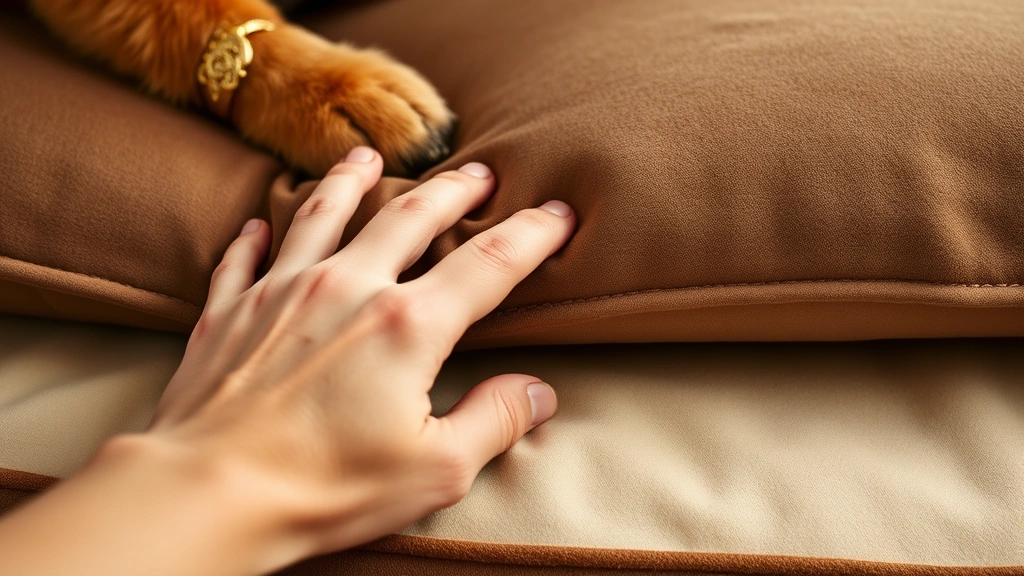
A quality dog couch has a sturdy wooden or reinforced plastic base, not just foam sitting on a thin fabric bottom. Run your hand underneath—you should feel solid structure, not just a thin layer.
Getting the Size Right
Measure twice, buy once. This is non-negotiable.
Your dog should be able to stretch out fully without their paws hanging off the edge. They should also be able to curl up comfortably. A good rule of thumb: the dog couch should be at least as long as your dog from nose to rump, plus a few extra inches.
For width, your dog should fit with their legs extended without rolling off the side.
Pro tip: If you’re between sizes, go bigger. Dogs appreciate extra space, and a slightly oversized bed is better than one that’s cramped.
Here’s a quick sizing guide:
- Small dogs (under 25 lbs): 24-30 inches long
- Medium dogs (25-50 lbs): 36-42 inches long
- Large dogs (50-100 lbs): 48-54 inches long
- Extra-large dogs (over 100 lbs): 60+ inches or custom
Don’t just eyeball it. Measure your dog’s actual resting position. Some dogs sprawl out like they own the place; others curl into a ball. Accommodate their natural sleeping style.
Washability and Maintenance
Real talk: your dog couch will get dirty. Mud, shedding, the occasional accident—it’s inevitable. A bed that can’t be easily cleaned is a bed you’ll replace in a year.
Look for these features:
- Removable cover that zips off
- Machine-washable cover (cold water, gentle cycle)
- Waterproof inner layer to protect the foam
- Non-absorbent base so spills don’t seep through
If your dog has had issues with accidents like vomit, a waterproof lining is absolutely essential. Urine and vomit will destroy foam if it’s not protected.
Some premium dog couches come with two covers so you can wash one while your dog uses the other. It’s a small luxury that pays off.
Maintenance routine:
- Weekly: Vacuum or lint-roll the surface to manage shedding
- Monthly: Wash the cover if it’s removable
- As needed: Spot-clean with a pet-safe enzyme cleaner
- Quarterly: Air out the bed in sunlight to reduce odors
Enzyme cleaners (containing natural bacteria that break down organic matter) work better than regular cleaners for pet messes. They actually eliminate odors rather than masking them.
Modern Designs That Don’t Look Like Pet Furniture
Gone are the days when a dog couch looked like a neon eyesore in your living room. Modern designs actually complement your decor.
Minimalist Couches
Low-profile, neutral colors (gray, tan, charcoal), clean lines. These blend seamlessly into contemporary homes. They look like a designer accent piece, not a pet bed.
Scandinavian-Inspired
Light woods, simple construction, functional. These appeal to people who like the hygge aesthetic and don’t want their furniture screaming “pet owner.”
Mid-Century Modern
Tapered legs, geometric shapes, retro fabrics. Some brands are nailing this look, and honestly, they’re gorgeous.
Luxury Upholstered
Tufted cushions, quality fabrics, looks like actual furniture. Prices reflect this ($400-800), but if you’re okay investing in a statement piece, these are stunning.
Modular Couches
Some brands offer modular dog couches where you can add or remove sections. Great for multi-dog households or if you want flexibility.
The key to modern design is neutral colors and quality materials. A gray microsuede dog couch with wood legs will age better and look more intentional than a hot pink fleece bed.
Budget Breakdown: What to Spend
Here’s honest guidance on pricing:
- $50-100: Basic, functional beds. They work short-term but won’t last. Good for puppies or if you’re testing whether your dog will even use a bed.
- $100-200: Mid-range options with decent materials. This is where most people should shop. You get durability without overpaying.
- $200-400: Premium beds with orthopedic support, quality covers, good warranties. Worth it for senior dogs or larger breeds.
- $400+: Luxury, designer, or custom dog couches. Beautiful, but you’re paying for aesthetics and brand name as much as function.
The sweet spot for most dog owners? $150-250. You get quality materials, decent support, and longevity without breaking the bank.
Don’t fall for the “as seen on Instagram” markup. A $600 designer dog couch isn’t inherently better than a $200 one from a solid brand. Sometimes you’re just paying for followers.
Consider this an investment that pays dividends through better sleep, fewer accidents, and less stress on aging joints. Amortize it over 3-4 years of use, and even a $300 bed becomes reasonable.
Frequently Asked Questions
How often should I replace my dog’s couch?
– A quality dog couch lasts 3-5 years with proper care. Memory foam degrades faster (2-3 years), while polyurethane foam can last longer. Replace it when the cushion no longer springs back, develops permanent indentations, or starts breaking down.
Can I put a dog couch outside?
– Yes, but use one designed for outdoor use. Regular couches will mold and deteriorate. Look for UV-resistant fabrics and waterproof bases if you’re leaving it on a patio.
Will my dog actually use a dog couch if they prefer my bed?
– Sometimes it takes time. Place it near where your dog naturally gravitates. Use treats and positive reinforcement. Some dogs prefer being near you, so positioning matters. If they absolutely refuse, try a different style or location.
What’s the best dog couch for a dog that chews?
– Look for reinforced stitching, durable microsuede, and consider a chew-resistant cover or protective layer. Honestly, though, a dog that chews furniture needs training and more exercise first. The couch isn’t the solution to that problem.
Are washable covers really necessary?
– Yes. Non-removable covers trap odors and stains. With a removable, washable cover, your dog couch stays fresh and hygienic. It’s one of the most important features.
Should I get a dog couch for a puppy?
– Yes, but get a cheaper one initially. Puppies will have accidents, chew it, and might outgrow it as they mature. Once they’re housetrained and past the destructive phase (usually 1-2 years), invest in a quality one.
Can I use a human couch as a dog couch?
– You can, but it’s not ideal. Your couch will accumulate hair, odors, and stains. A dedicated dog couch protects your furniture and gives your dog their own space. Plus, dog couches are designed for their body mechanics.
What’s the difference between a dog bed and a dog couch?
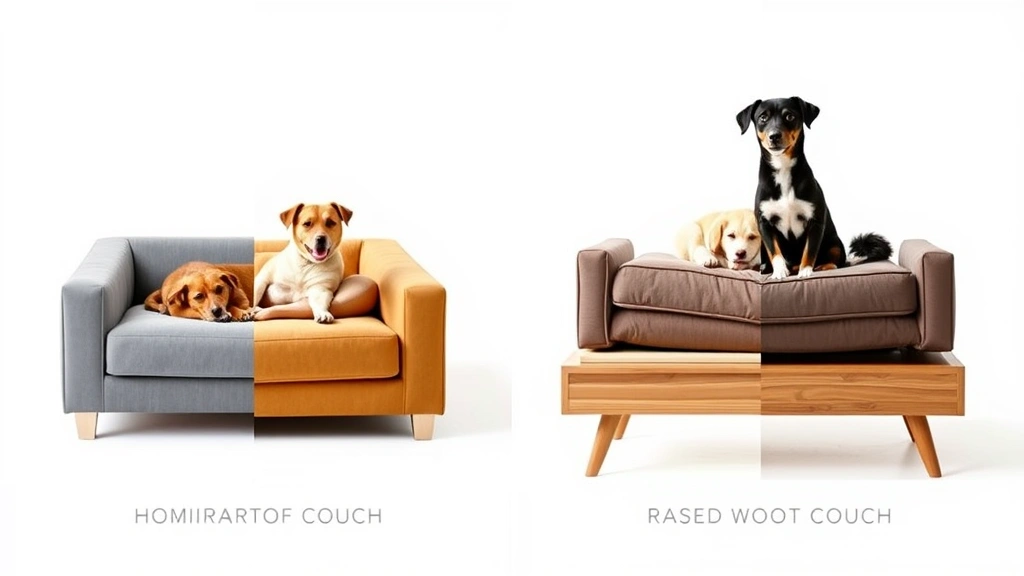
– A dog bed is typically smaller and lower-profile. A dog couch is larger, elevated, and more furniture-like. Choose based on your space and your dog’s size and mobility needs.
This guide reflects real veterinary experience and practical dog ownership. Every dog is different—what works for one might not work for another. When in doubt, prioritize comfort, durability, and easy maintenance. Your dog spends half their life resting; they deserve a place that supports that.





