
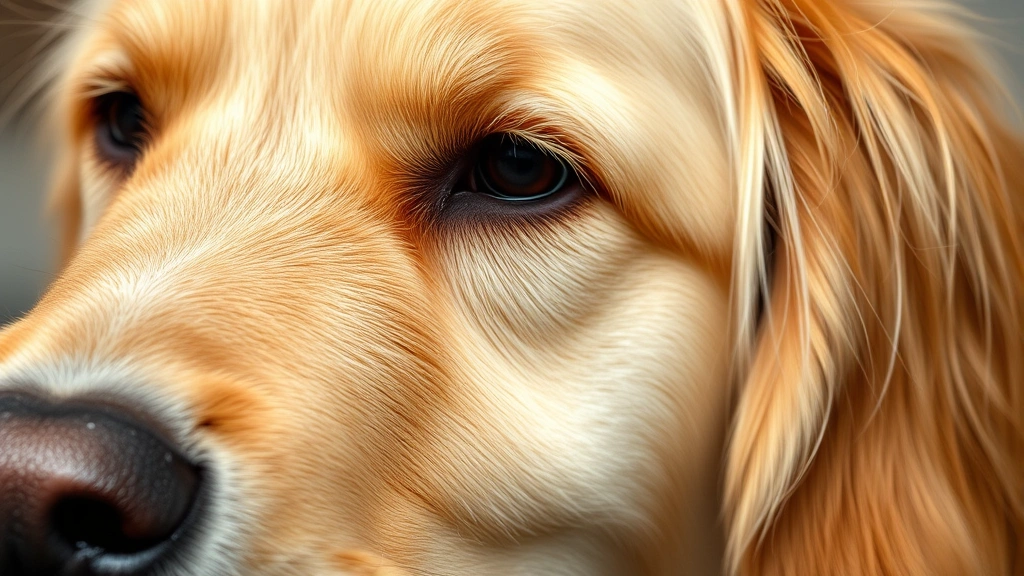
If your furry best friend looks like they’ve been playing in a snowstorm year-round, you’re dealing with dog dandruff—and honestly, it’s way more common than you’d think. That white, flaky mess isn’t just unsightly; it can indicate dry skin, allergies, or other underlying issues that need attention. The good news? Dog dandruff shampoo can be a game-changer for restoring your pup’s coat to its former glory. Let’s dive into the best solutions that actually work and why your dog might be flaking out in the first place.
Table of Contents
- What Causes Canine Dandruff and Flaky Skin?
- Why Regular Dog Shampoo Won’t Cut It
- Best Dog Dandruff Shampoo Solutions: Our Top 5 Picks
- How to Choose the Right Shampoo for Your Dog
- Application Tips for Maximum Effectiveness
- Nutrition’s Role in Preventing Dandruff
- Environmental Factors and Humidity Control
- When to See a Vet About Your Dog’s Dandruff
- Maintenance Routine for Healthy Skin Long-Term
- Frequently Asked Questions
- Conclusion: Your Dog’s Path to a Flake-Free Coat
What Causes Canine Dandruff and Flaky Skin?
Before we talk about solutions, let’s understand the enemy. Dog dandruff isn’t just dry skin—it’s your pup’s way of telling you something’s off. Common culprits include environmental factors like low humidity, allergies (food or environmental), parasites, yeast infections, or nutritional deficiencies. Some breeds with double coats are more prone to flaking because moisture gets trapped against the skin. Winter heating systems wreak havoc on canine skin too, so don’t be shocked if your dog’s dandruff problem peaks when it’s cold outside.
Why Regular Dog Shampoo Won’t Cut It
Here’s the thing: that generic dog shampoo you grabbed from the grocery store? It’s probably making things worse. Regular shampoos strip away natural oils and disrupt your dog’s skin pH balance. You need a specialized dog dandruff shampoo formulated with medicated ingredients that target the root cause—whether that’s fungal overgrowth, bacterial issues, or severe dehydration. Think of it like this: using regular shampoo on dandruff-prone skin is like using a fire hose to water a delicate plant.
Best Dog Dandruff Shampoo Solutions: Our Top 5 Picks
1. Medicated Zinc-Based Formulas
Zinc pyrithione is the MVP of anti-dandruff ingredients. It’s been proven to reduce fungal and bacterial growth on the skin while maintaining the skin barrier. Products containing zinc work especially well for dogs with seborrheic dermatitis or mild yeast issues. Look for shampoos that combine zinc with moisturizing agents like oatmeal or aloe vera to prevent over-drying.
2. Sulfur and Salicylic Acid Blends
Don’t let the chemical names scare you—sulfur has been used in veterinary medicine for decades. These ingredients work by exfoliating dead skin cells and preventing bacterial overgrowth. They’re particularly effective for dogs with oily, flaky skin. Pro tip: these shampoos can have a distinctive smell, but your dog won’t care, and the results speak for themselves.
3. Ketoconazole-Based Shampoos
If your vet suspects a fungal infection (like malassezia yeast), ketoconazole is the heavy hitter. This antifungal agent penetrates the skin to eliminate yeast colonies that cause inflammation and flaking. These typically require a veterinary prescription, but they’re worth it when you’re dealing with stubborn fungal issues.
4. Omega-Rich Moisturizing Formulas
Sometimes dandruff is simply a moisture problem. Shampoos enriched with omega-3 and omega-6 fatty acids nourish the skin from the outside while you work on internal nutrition. These are gentler options perfect for sensitive pups and can be used more frequently without irritation. They’re also great for maintaining healthy skin long-term.
5. Natural and Hypoallergenic Options
For dogs with multiple allergies or sensitive skin, natural formulas with ingredients like tea tree oil, coconut oil, and colloidal oatmeal offer relief without harsh chemicals. While these might work slower than medicated options, they’re excellent for prevention and maintenance, especially after you’ve cleared up an acute dandruff problem.
How to Choose the Right Shampoo for Your Dog
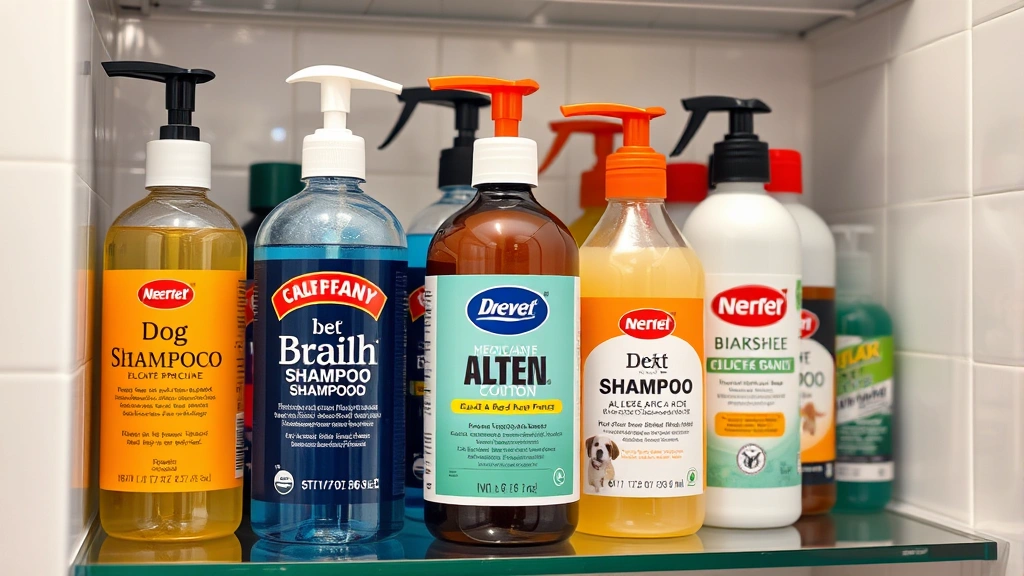
Not all dogs have the same dandruff problem, so selection matters. Start by identifying the underlying cause—is the skin oily or dry? Does your dog have allergies? Is there itching or just flaking? Once you know what you’re dealing with, match it to the right formula. If you’re unsure, consult with the American Veterinary Medical Association or your vet. They can recommend prescription-strength options if needed. Also consider your dog’s breed and coat type; double-coated breeds need different care than short-haired dogs.
Application Tips for Maximum Effectiveness
Using the right shampoo is only half the battle. Application technique matters tremendously. Wet your dog’s coat thoroughly with lukewarm water, then apply the shampoo and work it into a good lather, making sure to reach the skin beneath the fur—not just the surface. Let it sit for 5-10 minutes (check the bottle instructions) to allow the active ingredients to work. This contact time is crucial for medicated formulas. Rinse completely; any leftover shampoo residue will actually worsen flaking. Follow up with a conditioner designed for medicated treatments to lock in moisture.
Nutrition’s Role in Preventing Dandruff
Here’s something many pet owners overlook: what goes in affects what shows up on the outside. A high-quality diet rich in essential fatty acids, proteins, and vitamins supports healthy skin from within. Consider adding hydrating human foods for pets to your dog’s diet to boost skin health. Fish oil supplements, for instance, can dramatically improve coat quality. You might also explore healthy snack alternatives for dogs that support skin nutrition. PetMD recommends discussing dietary changes with your veterinarian to ensure you’re addressing nutritional gaps.
Environmental Factors and Humidity Control
Your home’s environment directly impacts your dog’s skin health. Dry winter air is dandruff’s best friend. Invest in a humidifier to maintain humidity levels between 30-50% during cold months. Regular bathing with the right shampoo helps, but if your home is a desert, even the best treatment will have limited results. Additionally, ensure your dog has access to fresh water constantly—hydration starts from the inside.
When to See a Vet About Your Dog’s Dandruff
If dandruff persists after two weeks of consistent treatment with quality shampoo, it’s time for professional help. Excessive itching, redness, or secondary skin infections warrant immediate veterinary attention. Your vet can perform skin scrapings or cultures to identify fungal, bacterial, or parasitic causes. They might recommend prescription treatments or dietary adjustments. Don’t wait it out hoping it’ll resolve on its own—chronic skin issues only worsen without proper diagnosis.
Maintenance Routine for Healthy Skin Long-Term
Once you’ve conquered the dandruff problem, maintenance is key. Bathe your dog every 2-4 weeks with your chosen medicated shampoo, or as recommended by your vet. Brush regularly to improve circulation and remove dead skin cells before they accumulate. Incorporate safe vegetables for dogs into their diet for added skin-supporting nutrients. Keep up with parasite prevention since fleas and mites can trigger dandruff. Regular grooming appointments help catch skin issues early. If you ever have diet-related questions affecting skin health, virtual vet consultation for diet questions is a convenient option.
Frequently Asked Questions
Can I use human dandruff shampoo on my dog?
Absolutely not. Human dandruff shampoos are formulated for human skin pH, which is different from dogs. They can irritate your pup’s skin and worsen the problem. Always use veterinary-formulated products designed specifically for canine skin.
How often should I bathe my dog with medicated shampoo?
This depends on the severity and the specific product. Most medicated shampoos are safe for weekly use initially, then can be reduced to bi-weekly or monthly for maintenance. Always follow the product instructions or your vet’s recommendations.
Will dog dandruff shampoo stop itching immediately?
Not always immediately, but you should see improvement within 1-2 weeks. If itching persists after consistent treatment, there may be an underlying issue like allergies or parasites that needs additional attention.
Is dog dandruff contagious to humans or other pets?
Most dog dandruff causes (like dry skin or allergies) aren’t contagious. However, if it’s caused by a fungal infection like ringworm, it can spread to other animals and rarely to humans. This is another reason to get a proper diagnosis from your vet.
Can supplements help with dog dandruff?
Yes, absolutely. Omega-3 and omega-6 supplements, along with quality probiotics, can significantly improve skin health from the inside out. They work best when combined with proper bathing and environmental adjustments.
Conclusion: Your Dog’s Path to a Flake-Free Coat
Dog dandruff doesn’t have to be a permanent fixture in your pet’s life. The right dog dandruff shampoo, combined with proper application techniques, nutritional support, and environmental adjustments, can restore your pup’s coat to its shiny, healthy best. Remember that what works for one dog might not work for another—finding the perfect solution might require some trial and error. But with the options we’ve covered, you’re well-equipped to tackle this issue head-on. Your dog will thank you when they’re no longer leaving snow trails through the house, and you’ll finally have a cuddle buddy whose fur doesn’t make you itch. Start with a quality medicated shampoo, commit to a consistent routine, and don’t hesitate to involve your vet if progress stalls. Happy grooming!





