
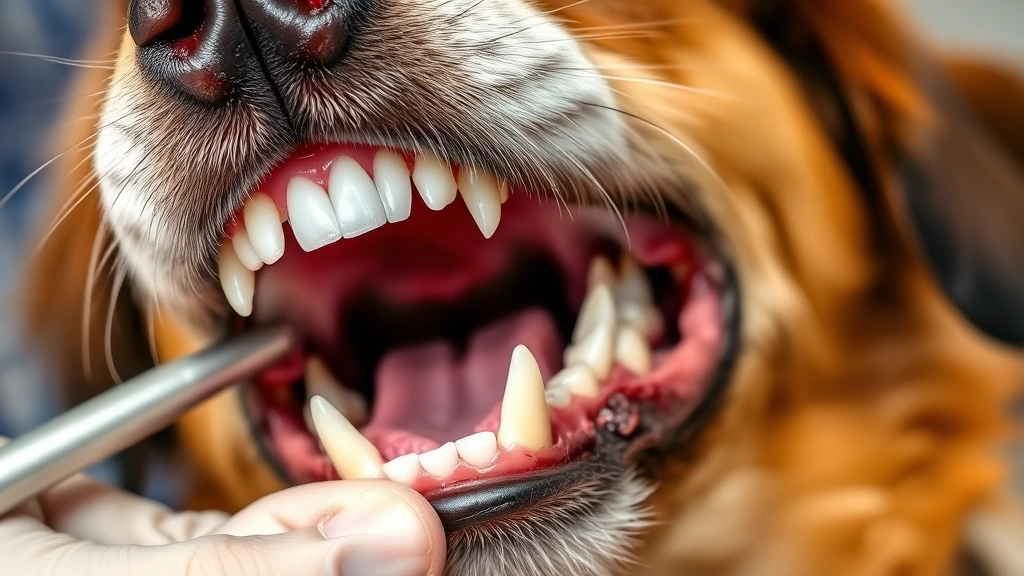
A dog dental chart is basically your furry friend’s mouth map—a veterinary tool that tracks which teeth are present, missing, diseased, or need treatment. If you’ve ever wondered why your vet scribbles notes about your dog’s molars or why dental health matters so much, you’re about to get all the answers. Think of it as a dental report card for Fido, except way more important than grades.
Table of Contents
- What Exactly Is a Dog Dental Chart?
- Understanding Your Dog’s Dental Anatomy
- Why Your Vet Cares About That Dental Chart
- Reading Your Dog’s Dental Chart Like a Pro
- Common Dental Issues Documented on Charts
- How Often Should Your Dog Have a Dental Exam?
- Maintaining Your Dog’s Dental Health at Home
- Nutrition and Your Dog’s Teeth
- When Professional Cleaning Becomes Necessary
- Breed-Specific Dental Considerations
- The Connection Between Dental Health and Overall Wellness
- Creating a Dental Care Routine Your Dog Will Tolerate
- Interpreting Changes in Your Dog’s Dental Chart Over Time
- Frequently Asked Questions
- Summary: Taking Control of Your Dog’s Dental Health
What Exactly Is a Dog Dental Chart?
Your dog has 42 permanent teeth (compared to your measly 32), and vets use a dog dental chart to document the health status of every single one. This chart records which teeth are healthy, which ones have cavities, plaque buildup, or other issues, and which teeth have already been extracted. It’s like a health passport for your pup’s chompers. The chart uses standardized symbols and abbreviations so any vet can understand another vet’s notes. Pretty organized, right?
Understanding Your Dog’s Dental Anatomy
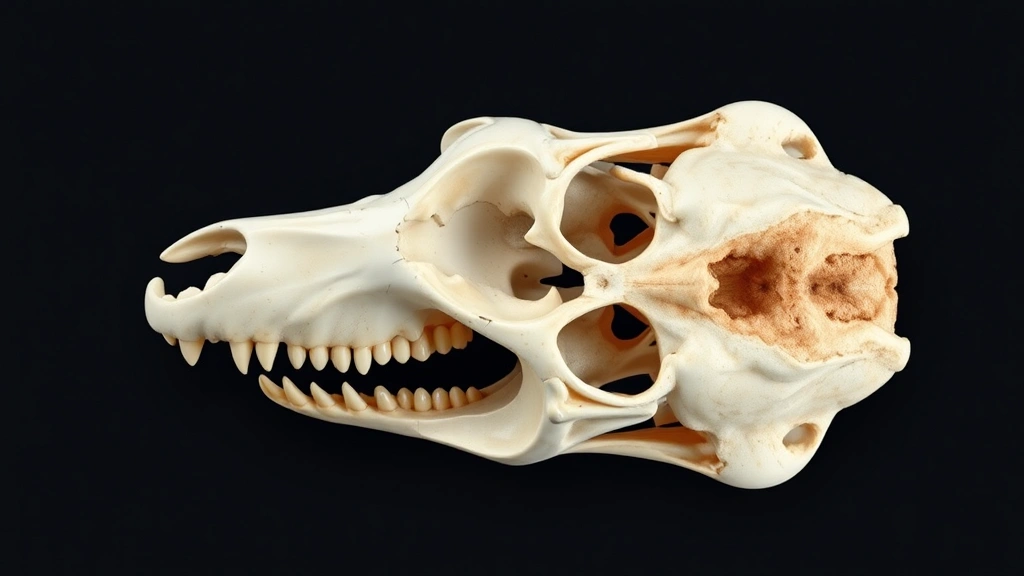
Before you can appreciate a dog dental chart, you need to know what you’re looking at. Dogs have incisors (the tiny front teeth), canines (the pointy ones), premolars, and molars. Adult dogs have 12 incisors, 4 canines, 16 premolars, and 10 molars. Puppies start with 28 baby teeth before losing them all and growing their adult set. It’s like a tiny, adorable shark situation. Your vet examines each tooth during wellness visits and marks any abnormalities on the chart.
Why Your Vet Cares About That Dental Chart
Your veterinarian isn’t being obsessive about your dog’s teeth just to be annoying. Dental disease is one of the most common health problems in dogs, affecting up to 80% of dogs over three years old. A dog dental chart helps vets track progression, prevent tooth loss, and catch infections before they become serious. Poor dental health can lead to heart disease, kidney problems, and liver issues—basically, your dog’s mouth is connected to everything else in their body. It’s not just about fresh breath, though that’s definitely a bonus.
Reading Your Dog’s Dental Chart Like a Pro
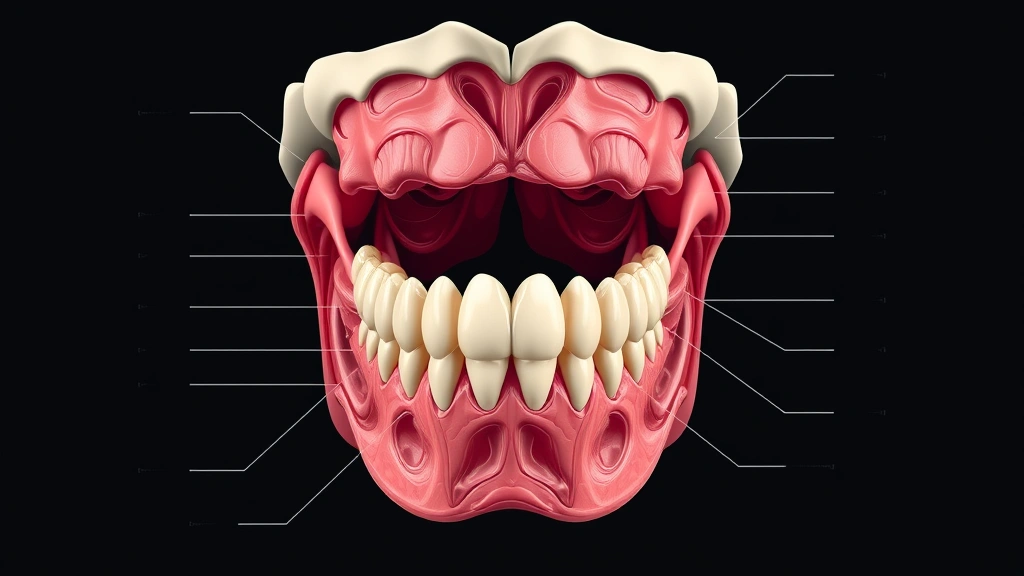
When your vet shows you the dog dental chart, they’ll use codes like “H” for healthy, “M” for missing, “E” for extracted, and “R” for root canal. Some charts include numbers indicating the severity of periodontal disease on a scale of 0-4. The chart is divided into quadrants—upper left, upper right, lower left, and lower right—making it easy to reference specific teeth. Don’t be shy about asking your vet to explain what all those symbols mean. They should be happy to walk you through it.
Common Dental Issues Documented on Charts
The dog dental chart will flag several common problems. Plaque and tartar buildup is the most frequent issue, leading to gingivitis (inflamed gums) and periodontitis (bone loss around teeth). Fractured teeth happen when dogs chew on hard objects or have accidents. Retained baby teeth sometimes don’t fall out when adult teeth come in. Abscessed teeth—infections at the root—are painful and serious. Some dogs develop resorptive lesions, where the tooth structure actually dissolves. Your vet documents all of these so you can track your dog’s dental health over time.
How Often Should Your Dog Have a Dental Exam?
Most vets recommend annual dental exams for dogs, but older dogs or those with existing dental disease might need checkups twice yearly. During these exams, your vet creates or updates the dog dental chart. Professional cleanings—which require anesthesia—are often recommended based on what the chart reveals. If your dog shows signs of dental problems (bad breath, difficulty eating, drooling, or pawing at the mouth), don’t wait for the annual exam. Schedule a visit sooner and ask your vet about pet telehealth options for initial consultations.
Maintaining Your Dog’s Dental Health at Home
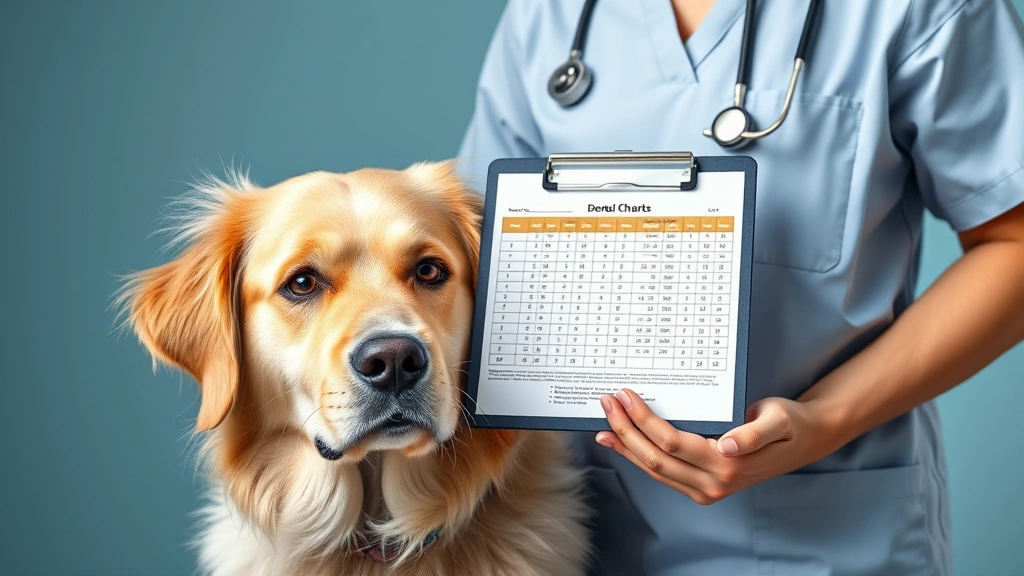
A dog dental chart is just one part of the equation. You’ve got to do your part at home too. Daily tooth brushing is the gold standard—yes, really. Use a dog-specific toothpaste (never human toothpaste) and a soft-bristled brush. If daily brushing seems impossible, aim for at least three times weekly. Dental treats and toys designed to reduce plaque can help. Feeding your dog quality food matters too—check out our guide on foods for dental health in pets to learn which options support better oral hygiene. Some kibble is specifically formulated to mechanically clean teeth as your dog chews.
Nutrition and Your Dog’s Teeth
What goes into your dog’s mouth affects what happens to their teeth. Hard kibble generally promotes better dental health than soft food, though individual dogs vary. Raw diets have some supporters who claim they naturally clean teeth, but that’s debated among vets. Avoid giving your dog hard bones, antlers, or nylon chews that can cause fractures. If your dog has existing dental disease, your vet might recommend softer foods or special diets. Our article on human foods for pets with dental issues covers safe options if your dog needs softer meals. Also check out can dogs eat apples—they’re actually great for dental health!
When Professional Cleaning Becomes Necessary
If your dog dental chart shows significant plaque, tartar, or periodontal disease, your vet will recommend a professional cleaning. This procedure requires general anesthesia, which worries some pet owners. However, modern anesthesia is quite safe, especially if your dog has pre-operative bloodwork done. During the cleaning, your vet scales away tartar, polishes teeth, and may extract teeth that are too damaged to save. They’ll update the chart afterward so you have a clear picture of your dog’s new dental status. Recovery is quick—most dogs bounce back within 24 hours.
Breed-Specific Dental Considerations
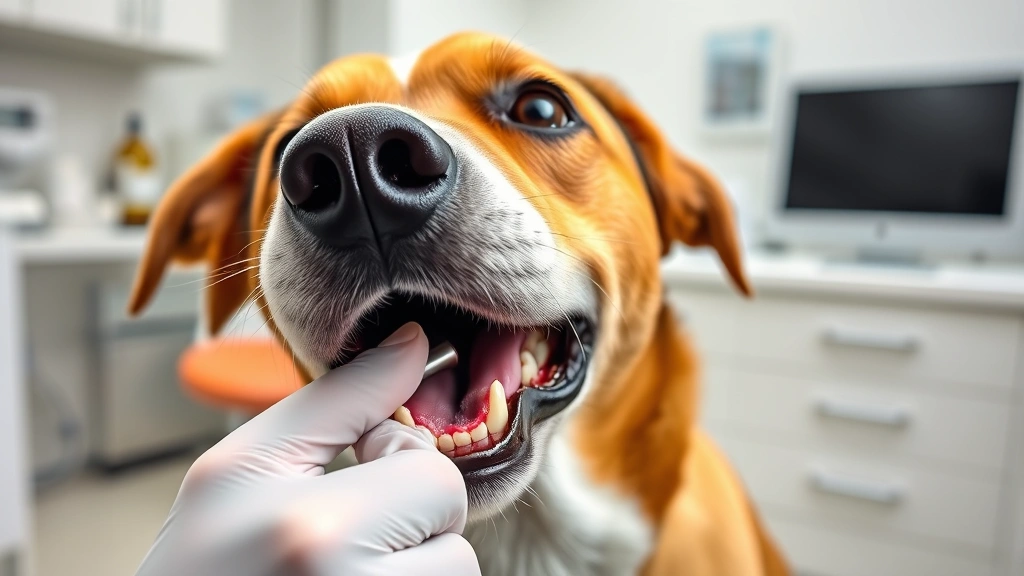
Small breeds like Chihuahuas and Yorkies are prone to more dental problems than large breeds, partly because their teeth are crowded into smaller spaces. Brachycephalic breeds (flat-faced dogs like Bulldogs and Pugs) sometimes have dental misalignments. A dog dental chart helps your vet track breed-specific patterns and recommend preventive measures early. If you have a toy breed or flat-faced dog, ask your vet about extra dental care recommendations. These pups might benefit from more frequent cleanings or special preventive protocols.
The Connection Between Dental Health and Overall Wellness
Here’s something that might surprise you: your dog’s dental health directly impacts their lifespan and quality of life. Bacteria from infected teeth can enter the bloodstream and damage the heart, kidneys, and liver. Dogs with poor dental health often have systemic inflammation affecting their entire body. This is why your vet takes that dog dental chart seriously and why you should too. By maintaining good oral hygiene and following your vet’s recommendations, you’re literally adding years to your dog’s life. It’s one of the best investments you can make in their long-term health.
Creating a Dental Care Routine Your Dog Will Tolerate
Getting your dog to accept tooth brushing takes patience and positive reinforcement. Start slow—let your dog lick toothpaste off your finger first. Then introduce the toothbrush gradually. Make it a game, not a battle. Use high-value treats as rewards. Some dogs respond better to finger brushes or rubber caps. Others prefer dental wipes. The key is consistency and making it pleasant. If your dog absolutely refuses brushing, dental treats and water additives are better than nothing, though they’re not as effective. Check out our healthy pet treats guide for options that support dental health.
Interpreting Changes in Your Dog’s Dental Chart Over Time
The real value of tracking your dog’s dental health with a dog dental chart is seeing patterns over time. If your dog’s chart shows the same healthy status year after year, you’re doing something right. If you notice new cavities, more missing teeth, or increasing periodontal disease, that’s a sign to step up your home care game or discuss more aggressive treatment options with your vet. Some deterioration is normal with age, but rapid decline suggests your current routine needs adjustment.
Frequently Asked Questions
How much does a dog dental cleaning cost?
Professional dental cleanings typically range from $200 to $1,000 depending on your location, your dog’s size, and the extent of work needed. Some vets charge less for routine cleanings and more for extractions or other procedures. Ask your vet for an estimate before the procedure and discuss payment options.
Can I brush my dog’s teeth with human toothpaste?
Absolutely not. Human toothpaste contains fluoride and other ingredients that are toxic to dogs. Always use toothpaste formulated specifically for dogs. Most dog toothpastes come in flavors like chicken or peanut butter that dogs actually enjoy.
Is anesthesia safe for older dogs?
Modern anesthesia is generally safe even for senior dogs, especially if pre-operative bloodwork shows they’re healthy enough. However, older dogs do have slightly higher anesthesia risk than younger dogs. Your vet will discuss the risks and benefits specific to your dog’s age and health status.
What’s the difference between plaque and tartar?
Plaque is a soft, sticky film of bacteria that forms on teeth. If not removed, it hardens into tartar (also called calculus), which is much harder to remove and damages gums. Your vet’s dog dental chart tracks both because they indicate different stages of dental disease.
Can diet alone prevent dental disease?
Diet helps but isn’t sufficient alone. While quality food and dental-friendly treats support oral health, they can’t replace brushing and professional care. Most dogs still need professional cleanings at some point. Check our superfoods for pets article for nutrition tips that complement your dental care routine.

What signs indicate my dog has a dental problem?
Watch for bad breath, difficulty eating, drooling, pawing at the mouth, loose or missing teeth, swollen face, or behavioral changes like irritability. These warrant an immediate vet visit, not just the annual exam.
Summary: Taking Control of Your Dog’s Dental Health
Your dog’s dental chart is more than just paperwork—it’s a roadmap to your dog’s health and longevity. Understanding what it shows, working with your vet to maintain good oral hygiene, and staying consistent with home care will pay dividends throughout your dog’s life. Start by scheduling a dental exam if your dog hasn’t had one recently. Ask your vet to explain the chart and discuss your dog’s specific dental needs. Then commit to a home care routine that works for your lifestyle. Your dog’s future self will thank you for the healthy smile and the years of extra life you’ve given them.





