
Your dog just had their third accident on the kitchen tile this morning, and you’re wondering if you should panic or just accept that your life smells like this now. Here’s the real talk: most cases of dog diarrhea treatment aren’t emergencies, but they do need attention. Whether it’s something your pup ate, a dietary switch gone wrong, or something more serious, knowing how to handle dog diarrhea treatment makes the difference between a quick recovery and a weeks-long nightmare.
I’ve seen dogs bounce back in 24 hours with the right approach, and I’ve seen others spiral because owners didn’t know what they were doing. Let’s fix that.
When to Worry vs. When to Wait It Out
Not every loose stool is a crisis. Your dog ate a piece of pizza off the counter? Probably fine tomorrow. Your dog has been going 8+ times a day for three days straight? That’s different.
Here’s what separates “annoying” from “call the vet now”:
- Mild diarrhea: 1-2 loose stools, normal energy, eating normally, no blood. This is your “wait and see” zone.
- Moderate diarrhea: Multiple loose stools daily, slight lethargy, maybe some vomiting. Time to start treatment at home.
- Severe diarrhea: Constant accidents, blood or mucus, lethargy, refusing food, dehydration signs (dry gums, sunken eyes). This needs a vet today, not tomorrow.
The timing matters too. A single episode? Probably just an upset stomach. Diarrhea lasting more than 48 hours? That’s when you need to take action. And if your dog is a puppy, senior, or has a known health condition, the bar for calling the vet drops significantly.
Pro Tip: Take a photo of your dog’s stool before you call the vet. Seriously. Vets ask about consistency, color, and presence of blood or mucus all the time. A photo beats trying to describe it.
First Steps in Dog Diarrhea Treatment
The moment you realize your dog has diarrhea, resist the urge to do nothing or do everything at once. There’s a middle ground.
Step 1: Fasting
This is counterintuitive because we’re trained to feed our dogs, but giving the digestive system a break actually helps. Skip one meal—usually breakfast if the diarrhea started overnight. A 12-24 hour fast lets the gut calm down. Water is still fine; in fact, water is critical. Diarrhea dehydrates dogs fast.
Step 2: Hydration First
More important than food right now. Offer water frequently in small amounts. If your dog is vomiting along with the diarrhea, you might need to offer ice chips instead of big bowls of water—it’s gentler. Some dogs will drink bone broth (unsalted, no onions or garlic) if plain water seems boring to them.
Step 3: Monitor Output
I know this sounds gross, but track how many times your dog goes, what it looks like, and whether there’s blood or mucus. This information is gold when talking to your vet. Keep a simple log: time, consistency, any other symptoms.
Step 4: Assess for Other Symptoms
Is your dog acting normal otherwise? Playing? Wagging tail? Good sign. Is your dog hiding, refusing treats, or acting painful? That changes the game. These behavioral clues tell you whether this is a simple dietary upset or something requiring immediate attention.
According to the American Kennel Club’s guide on dog diarrhea, most cases resolve within 48 hours with supportive care alone. The key is catching the warning signs early.
Diet Management During Recovery
After the fasting period, reintroducing food is where most people mess up. They jump straight back to regular kibble and wonder why the diarrhea returns. Slow and bland is the rule here.
The Bland Diet Protocol
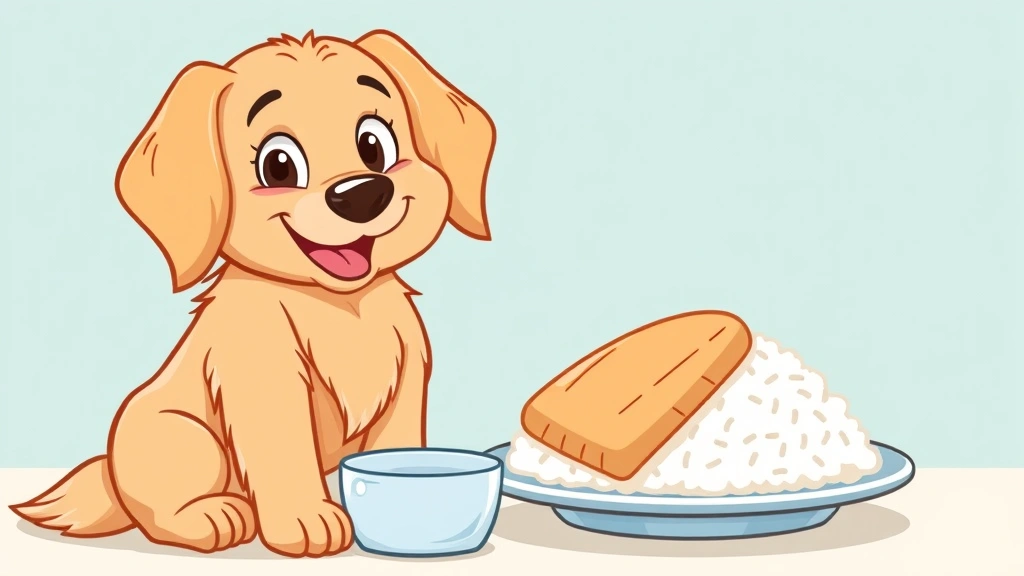
Introduce easily digestible foods in small portions. The classic combination is boiled chicken and rice (white rice, not brown—white rice is easier to digest during recovery). Cook the chicken plain, no seasoning, and mix it 1:2 with plain white rice.
Start with a small amount—think golf ball sized for a large dog, marble sized for a small dog—and wait 4-6 hours. If that stays down and the stool is firmer, you can offer a bit more at the next meal.
Other bland options that work:
- Plain pumpkin puree (not pie filling with sugar and spices)
- Plain sweet potato, boiled and mashed
- Plain squash, which is gentle on the stomach
- Plain turkey or ground beef (cooked, no seasoning)
- Plain cottage cheese (small amounts)
The transition back to normal food takes time. After 3-5 days of bland diet with improving stools, start mixing in their regular food gradually. Day 1, it might be 75% bland food + 25% regular food. Day 2, 50/50. By day 5 or 6, you’re back to normal if the diarrhea has resolved.
If the diarrhea returns when you reintroduce regular food, that tells you either the food itself is the problem or your dog needs more recovery time.
Safety Warning: Avoid fatty foods, dairy (except plain cottage cheese in tiny amounts), and anything with artificial sweeteners during recovery. These will make diarrhea worse.
Medications and Supplements That Work

Here’s where dog diarrhea treatment gets specific. Not every case needs medication, but some do.
Over-the-Counter Options
Before you reach for the medicine cabinet, know that some human remedies are safe for dogs and some are absolutely not. Pepto-Bismol for dogs requires careful dosing and isn’t right for all situations—check with your vet first. The same goes for whether your dog can have Pepto-Bismol at all, especially if they’re on other medications or have certain health conditions.
What actually works:
- Probiotics designed for dogs: These are the real deal. Brands like Proviable, FortiFlora, and Visbiome have research backing them. Probiotics restore the good bacteria that diarrhea wipes out. Give them for at least 2 weeks, even after the diarrhea stops.
- Digestive enzymes: Help your dog break down food properly. Useful if the diarrhea seems related to food sensitivity rather than infection.
- Slippery elm bark: An herbal supplement that soothes the digestive tract. Safe and actually helpful.
- L-glutamine: An amino acid that supports gut lining repair. Usually combined with other supplements in “digestive support” formulas.
Prescription Medications
Your vet might prescribe:
- Metronidazole (Flagyl): An antibiotic used when bacterial overgrowth or parasites are suspected. Not for every case, but effective when indicated.
- Maropitant (Cerenia): Stops nausea and vomiting. Helps when diarrhea is accompanied by vomiting.
- Famotidine (Pepcid): Reduces stomach acid. Used when ulceration or acid reflux is contributing.
- Pancreatic enzymes: If pancreatic insufficiency is the underlying cause.
The key here is that medication treats the symptom or the underlying cause—depending on what’s actually wrong. That’s why diagnosis matters. Giving antibiotics to a dog with stress-induced diarrhea is pointless and potentially harmful.
Home Remedies and Probiotics
Not everything in your pantry is helpful, but some things genuinely are.
What Actually Works
Plain pumpkin (not pie filling) is the classic for a reason. It’s high in fiber, easy to digest, and actually helps firm up stool. A tablespoon or two mixed into food can work wonders. Some vets recommend it, some don’t—it depends on whether the diarrhea needs fiber or needs the opposite (fasting and digestive rest).
Bone broth (homemade or store-bought, unsalted, no garlic or onions) provides hydration and collagen that supports gut lining repair. Offer it lukewarm, not hot.
Plain yogurt with live cultures can help, but only if your dog tolerates dairy. Most dogs don’t during active diarrhea, so skip it until recovery is well underway.
Probiotics Are Worth the Investment
This is the one supplement I recommend to every owner dealing with diarrhea. Probiotics repopulate the good bacteria that antibiotics, stress, or the original infection wiped out. Here’s the difference between brands: not all probiotics are equal. Look for:
- Multiple bacterial strains (at least 3-5)
- CFU count in the billions (not millions)
- Brands backed by veterinary research
- Products stored in the refrigerator (heat kills probiotics)
Give probiotics during the diarrhea and for 2-3 weeks after recovery. This prevents relapse and supports long-term gut health.
Pro Tip: Probiotics work better on an empty stomach or at least 2 hours away from antibiotics. If your vet prescribed an antibiotic, ask about timing.
Prevention: Stop It Before It Starts
Once you’ve dealt with diarrhea once, you never want to deal with it again. Smart prevention actually works.
Dietary Stability
The number one cause of diarrhea in dogs? Food changes. Not parasites, not infections—food changes. Your dog’s gut bacteria is optimized for whatever they eat regularly. Switch the food abruptly, and chaos happens. If you need to change food, do it gradually over 7-10 days, mixing increasing amounts of new food with decreasing amounts of old food.
Avoid the Temptations
Garbage, people food, random stuff in the yard—these are diarrhea mines. Train your dog to leave it, or manage the environment so they can’t access it. A dog with a solid “leave it” command is a dog with fewer digestive disasters.
Regular Parasite Prevention
Parasites cause a huge percentage of diarrhea cases, especially in puppies and dogs that spend time outdoors. Knowing what worms look like in dog poop helps you catch infections early. Stay on a year-round parasite prevention plan—it’s cheaper and easier than treating infections after they happen.
Stress Management
Stress-induced diarrhea is real. Dogs can get diarrhea from anxiety, changes in routine, new environments, or boarding. If your dog is prone to this, talk to your vet about management strategies. Sometimes it’s as simple as keeping routines consistent. Sometimes you need calming supplements or medication.
Regular Vet Checkups
Annual (or biannual for seniors) vet visits catch issues before they become diarrhea disasters. Intestinal parasites, food allergies, and early signs of GI disease show up in these exams.
When a Vet Visit Is Non-Negotiable
Let’s be clear: sometimes home treatment isn’t enough, and that’s okay. Vets exist for this.
Call immediately if:
- Your dog is vomiting along with diarrhea (suggests more serious GI issue)
- There’s blood or black, tarry stools (possible GI bleeding)
- Your dog is severely lethargic or won’t eat for more than 12 hours
- Your puppy has diarrhea (puppies dehydrate fast)
- Your senior dog has diarrhea lasting more than 24 hours
- Your dog has a known health condition (diabetes, pancreatitis, etc.) and develops diarrhea
- Diarrhea lasts more than 3-5 days despite home treatment
- You see signs of dehydration (dry gums, sunken eyes, skin tenting)
What to expect at the vet:
Your vet will likely do a physical exam, ask detailed questions about diet and symptoms, and might recommend a fecal test (to check for parasites), bloodwork, or imaging depending on severity. They’re not trying to run up your bill—they’re trying to find the actual problem so they can fix it properly.
According to PetMD’s comprehensive guide on dog diarrhea, the underlying cause determines the best treatment approach. Sometimes it’s parasites, sometimes it’s dietary, sometimes it’s inflammatory bowel disease or other conditions that need specific management.
Frequently Asked Questions
How long does dog diarrhea usually last?
– Most cases resolve within 24-48 hours with supportive care. If it lasts longer than 3-5 days, or if it returns repeatedly, there’s likely an underlying cause that needs investigation. Chronic diarrhea (lasting weeks or months) almost always requires vet attention.
Is it safe to give my dog over-the-counter anti-diarrheal medication?
– Not always. Some medications can trap bacteria or toxins in the gut, making things worse. Always check with your vet before giving any medication, even over-the-counter options. What’s safe for one dog might be dangerous for another depending on age, health status, and the underlying cause.
Can I just keep my dog on a bland diet indefinitely?
– No. Bland diets are temporary recovery tools, not long-term nutrition. Extended bland diets lack essential nutrients. Transition back to regular food gradually once diarrhea resolves, over 5-7 days. If diarrhea returns with regular food, that’s a clue that either the food is the problem or your dog needs more recovery time.
What’s the difference between diarrhea and normal loose stool?
– Normal stool is formed but soft. Loose stool has lost some structure but isn’t liquid. Diarrhea is unformed, often liquid, and happens more frequently than normal. One loose stool isn’t diarrhea. Multiple loose or liquid stools in a day is.
Do I need to worry about my dog dehydrating from diarrhea?
– Yes, especially with puppies, seniors, and small breeds. Diarrhea causes rapid fluid loss. Watch for dry gums, sunken eyes, lethargy, or skin that doesn’t bounce back when you gently pull it. These are dehydration signs. Offer water frequently and contact your vet if you see these signs.
Can stress cause diarrhea in dogs?
– Absolutely. Stress, anxiety, and routine changes trigger diarrhea in many dogs. If you notice diarrhea during stressful periods (boarding, travel, new pets in the house), that’s likely stress-related. Management involves keeping routines consistent, using calming supplements, and sometimes medication. Talk to your vet about options.
Should I stop giving treats during diarrhea treatment?
– Yes, at least until the diarrhea resolves. Even “healthy” treats can irritate a compromised digestive system. Stick to the bland diet during recovery. Once stools are normal for 3-5 days, you can gradually reintroduce treats.
How do I know if my dog’s diarrhea is from food allergies versus something else?
– Food allergies typically cause chronic diarrhea (weeks or months), often with itching or skin issues. Acute diarrhea (sudden onset) is usually from something else—dietary indiscretion, parasites, infection, or stress. Your vet can help narrow it down through elimination diets or testing if allergies are suspected.





