
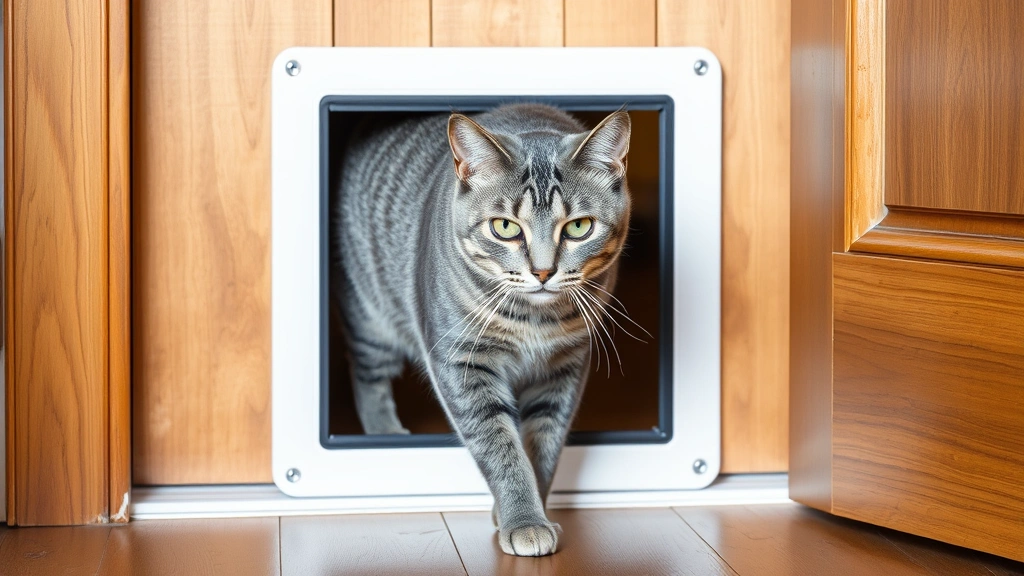
A dog door for cats might sound like a contradiction, but it’s actually one of the smartest solutions for giving your feline friends independent access to the outdoors (or another room) without letting every neighborhood raccoon waltz into your kitchen. If you’ve got both dogs and cats, or just need a way to let your cat roam freely while keeping unwanted critters out, you’re in the right place.
Table of Contents
- Why Your Cat Needs Its Own Door (Not Just Your Dog’s)
- Types of Dog Doors That Work for Cats
- Size Matters: Choosing the Right Dimensions
- Installation: Where Should the Door Go?
- Installation Tips That Won’t Make You Cry
- Security Concerns: Keeping the Bad Guys Out
- Training Your Cat to Use the Door
- Maintenance and Seasonal Considerations
- Cost Breakdown: What You’ll Actually Spend
- Real Talk: Is a Dog Door for Cats Right for You?
- Frequently Asked Questions
- Summary: Finding Your Purrfect Solution
Why Your Cat Needs Its Own Door (Not Just Your Dog’s)
Here’s the thing: your dog’s door is probably way too big for your cat. Dogs are, well, bigger. A standard dog door leaves gaps that are perfect for a curious feline to squeeze through—or worse, for other animals to use as their personal entrance to your home. Cats need a cat-sized pet door that actually fits their smaller frame. Think of it like trying to wear your dad’s shoes; technically possible, but awkward and inefficient.
Beyond size, cats are also pickier about their entrances. They like doors that don’t require much force to open, and they definitely appreciate options that reduce drafts and maintain your home’s temperature. A dog door designed for cats takes these preferences into account.
Types of Dog Doors That Work for Cats
Not all dog doors are created equal, and some are definitely better suited for feline users than others. Let’s break down your options:
Flap-Style Pet Doors
The classic flap door is the most affordable option and works surprisingly well for cats. These lightweight doors swing both ways and require minimal effort to push through. The downside? They offer zero security against other animals. Any neighborhood cat, opossum, or determined squirrel can waltz right in. If you live in an area with wildlife, this might not be your best bet.

Magnetic or RFID-Activated Doors
Now we’re talking technology. Magnetic and RFID-activated pet door systems are game-changers for cat owners. Your cat wears a collar with a special tag, and only that tag can unlock the door. This means Fluffy gets in, but the neighbor’s cat, raccoons, and other critters stay out. It’s like having a bouncer at the door, except the bouncer only lets your cat through. These doors are pricier (usually $100-$300), but they’re worth every penny if you’re serious about security.
Electronic Doors with Timers
Some electronic doors come with timer functions, letting you control exactly when your cat can go in and out. This is perfect if you want to keep your cat indoors at night or prevent early-morning zoomies from waking the entire household. Think of it as a curfew for cats—except they can’t complain about it on social media.
Size Matters: Choosing the Right Dimensions
Your cat isn’t going to use a door that doesn’t fit. Most cats need a door opening that’s at least 4-5 inches wide and 5-6 inches tall. Kittens and smaller breeds might need even less, while chunky Maine Coons might need a bit more space. Measure your cat (yes, really) and compare those measurements to the door specifications before buying. A door that’s too small is useless; one that’s too big defeats the security purpose.
Installation: Where Should the Door Go?
You’ve got options here. The most common spots are:
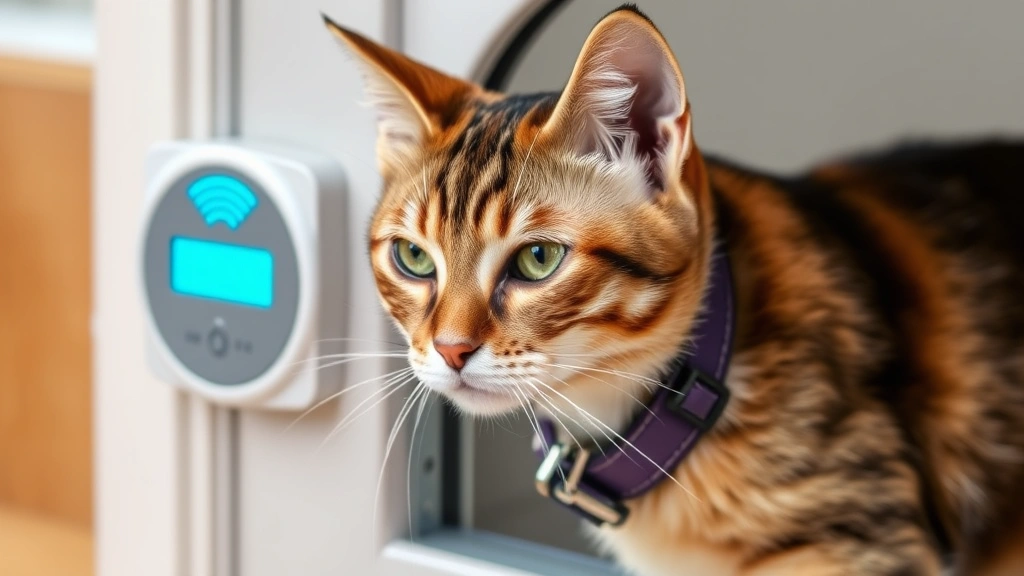
Exterior walls: This gives your cat outdoor access. Perfect if you want them to enjoy the great outdoors (supervised or unsupervised, depending on your comfort level).
Interior doors: If you want to keep your cat in a specific room or separate them from a dog or other pets, an interior pet door works great. It’s also easier to install than cutting through an exterior wall.
Sliding glass door inserts: These are genius if you don’t want to modify your home. They fit right into your sliding glass door frame and come out easily. Renters, rejoice.
Installation Tips That Won’t Make You Cry
Installing a dog door for cats can range from ridiculously easy to “why did I think I could do this?” depending on the type. Flap doors are straightforward—just measure, mark, and attach. If you’re cutting through a wall or door, you’ll need a saw and patience. Lots of patience. If you’re not confident in your DIY skills, hire a professional. It’s worth the money to avoid accidentally creating a hole in your wall that looks like a crime scene.

Security Concerns: Keeping the Bad Guys Out
This is where that microchip pet door technology really shines. Standard flap doors are basically an open invitation to wildlife. According to PetMD, raccoons and other nocturnal visitors can cause serious damage and spread diseases. An RFID or microchip-activated door ensures only your cat gets in, protecting both your home and your pet’s health.
If you’re using a basic flap door, at least install it in a location where you can monitor it. Avoid placing it in dark corners where you can’t see what’s coming and going. Also, keep your home’s interior door locked so even if something gets through the pet door, it’s still contained.
Training Your Cat to Use the Door
Here’s where things get interesting. Some cats figure it out immediately. Others stare at the door like you’ve installed a portal to another dimension. Here’s how to help them along:
Start slow: Prop the flap open initially so your cat can walk through without any resistance. Let them get used to the opening.

Use treats: Place treats on both sides of the door. Your cat’s nose will do the rest.
Be patient: Some cats need days or weeks to feel comfortable. Don’t rush them. Forcing your cat through the door is a one-way ticket to them avoiding it forever.
Practice during daylight: Cats are more confident during the day. Once they master it, they’ll use it anytime.
Maintenance and Seasonal Considerations
Pet doors need love too. Check flaps regularly for damage, clean the mechanism if it’s electronic, and replace weatherstripping if it’s worn. During winter, some pet owners add brush seals or magnetic closures to reduce drafts. Your heating bill will thank you.
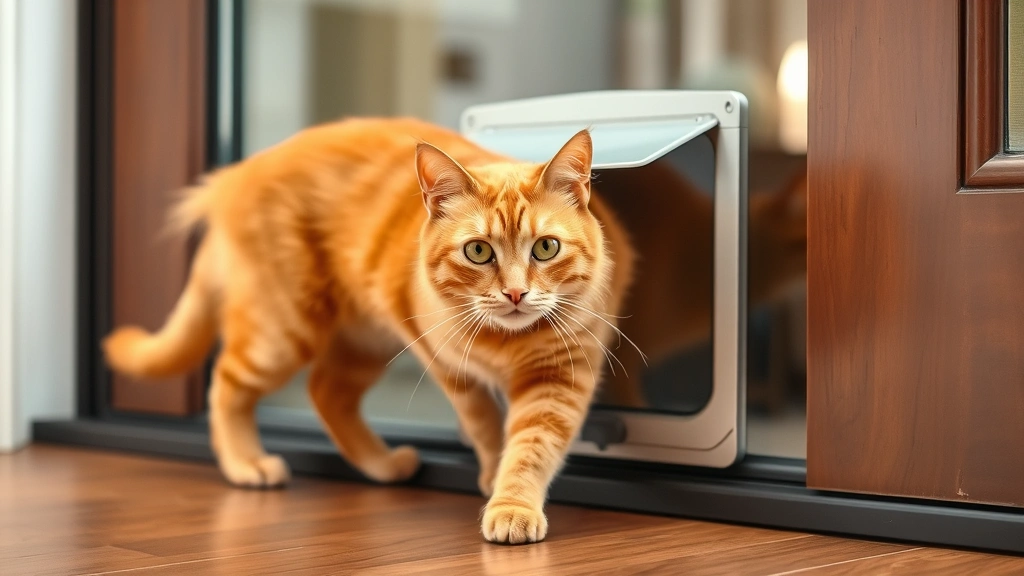
In extreme weather, you might want to block the door temporarily. A cat can handle cold better than you’d think, but there’s a difference between “chilly” and “dangerously cold.” Use common sense and provide your cat with shelter options.
Cost Breakdown: What You’ll Actually Spend
Budget varies wildly depending on what you choose:
Basic flap door: $20-$50. Cheap but offers minimal security.
Mid-range magnetic door: $100-$200. Great balance of affordability and security.

High-end microchip door: $200-$400. Maximum security and features.
Professional installation: $100-$300 depending on complexity.
For more information on keeping your cat healthy and safe, check out our guide on harmful foods for cats and what not to feed your cat. And if you’re wondering about the dynamics between your pets, our article on cat vs a dog might interest you.
Real Talk: Is a Dog Door for Cats Right for You?
Before you buy, ask yourself these questions: Do you have multiple pets? Do you want to give your cat outdoor access? Are you concerned about wildlife? Do you live in an apartment or a house? Your answers will determine whether a basic flap door, a magnetic door, or something else entirely is your best bet.

According to the American Veterinary Medical Association (AVMA), indoor cats live significantly longer than outdoor cats, but many cat owners want to give their pets some outdoor time. A secure pet door is a compromise that works for many households.
Frequently Asked Questions
Can I use a dog door for my cat?
Technically yes, but it’s not ideal. Dog doors are typically too large for cats, creating security gaps. A cat-specific door is a much better choice.
Do cats actually use pet doors?
Most cats do, but some need training and patience. If your cat is hesitant, use treats and positive reinforcement. Within a few weeks, most cats figure it out.
Will a pet door let raccoons in?
Standard flap doors absolutely will. If wildlife is a concern, invest in a microchip or RFID-activated door. It’s the only reliable way to keep unwanted animals out.
How much does installation cost?
Professional installation typically runs $100-$300, depending on whether you’re modifying a wall or using a simpler setup like a sliding glass door insert.
Can I use a pet door in an apartment?
It depends on your lease and whether you own or rent. Sliding glass door inserts are the most renter-friendly option since they don’t require permanent modifications.
What’s the best pet door for multiple cats?
A microchip door works great for multiple cats. Each cat wears their own collar tag, and the door recognizes all of them. It’s like having a VIP list at a nightclub, except it’s for cats.
Summary: Finding Your Purrfect Solution
A dog door for cats is an investment in your cat’s independence and your peace of mind. Whether you go with a simple flap door or a high-tech microchip system depends on your budget, living situation, and security concerns. The key is choosing a door that fits your cat’s size, matches your home’s needs, and keeps unwanted animals out. Start with training and patience, and soon enough, your cat will be using their new entrance like they’ve owned it their whole life. Just don’t be surprised if they use it at 3 AM to bring you a “gift” from the backyard.





