
Your dog is suddenly going through the water bowl like it’s going out of style. You refill it, and three hours later, it’s empty again. Then comes the midnight bathroom trips, the accidents on the carpet, and that nagging worry: Is this normal, or is something wrong?
A dog drinking a lot of water—medically called polydipsia—can be completely harmless or a sign your pup needs a vet visit. The tricky part? Knowing which is which. I’ve seen plenty of owners panic over nothing, and I’ve also seen dogs with serious conditions get dismissed as “just thirsty.” This guide breaks down what’s actually happening when your dog drinking a lot of water, when to worry, and what you can do right now.
Normal vs. Abnormal Water Intake
Here’s the reality: there’s no magic number. A healthy dog typically drinks between 0.5 to 1 ounce of water per pound of body weight daily. So a 50-pound dog should drink roughly 25–50 ounces (about 3–6 cups) per day. But that’s a baseline, and plenty of normal factors push it higher.
Hot weather? Your dog will drink more. Exercise? Same thing. Dry kibble diet? You guessed it—more water needed because the food has minimal moisture. These are not problems.
The real concern is when the increase is sudden and significant without an obvious reason. If your dog went from normal drinking to draining the bowl multiple times daily in the span of days or weeks, that’s your signal to pay attention.
- Normal increases: Hot days, exercise, dry food, stress from travel or new environments
- Abnormal increases: Sudden spike with no lifestyle change, drinking even after just having water, constant thirst despite drinking frequently
Think of it like your own water intake. You drink more at the gym—that’s normal. But if you suddenly started drinking 10 glasses of water at rest, something’s off.
Medical Causes of Excessive Thirst
When your dog drinking a lot of water is paired with medical issues, the most common culprits are diabetes, kidney disease, and urinary tract infections. Let me walk through each.
Diabetes in Dogs
Diabetes is one of the top reasons vets see dogs drinking excessively. The pancreas stops producing enough insulin, so glucose builds up in the bloodstream. The kidneys try to flush it out through urine, and that’s where the thirst kicks in—your dog’s body is essentially dehydrated at the cellular level, triggering constant thirst signals.
Diabetic dogs often show a pattern: increased thirst, increased urination, weight loss despite normal or increased appetite, and sometimes lethargy. It’s more common in older dogs and certain breeds like dachshunds and poodles, but it can happen to any dog.
Kidney Disease
Chronic kidney disease is particularly common in senior dogs. The kidneys can’t concentrate urine properly anymore, so the body needs more water to flush waste. This creates a vicious cycle: more water intake, more urination, more thirst. Unlike diabetes, you won’t see the dramatic weight loss, but you will see the drinking-and-peeing pattern.
Urinary Tract Infections (UTIs)
A UTI causes inflammation and irritation in the bladder and urethra. Dogs feel like they need to pee constantly, and they’re often thirsty because they’re losing fluids. If your dog has a UTI, you’ll likely notice straining to urinate, accidents indoors, or blood in the urine. Check out our full guide on how to treat a dog urinary tract infection at home for more details.
Other Medical Causes
- Cushing’s disease: Hormonal imbalance that increases thirst and hunger, common in older dogs
- Hyperthyroidism: Rare in dogs but increases metabolism and thirst
- Liver disease: Can cause increased thirst as the liver struggles to filter waste
- Certain medications: Steroids, diuretics, and some antibiotics increase thirst as a side effect
- Fever or infection: Any systemic illness can spike thirst
The key point: if a medical condition is driving your dog drinking a lot of water, there are usually other signs. You’re not dealing with thirst in isolation.
Behavioral and Environmental Reasons
Not everything is medical. Sometimes a dog drinking a lot of water is just… a dog being a dog.
Boredom and Attention-Seeking
Dogs are clever. If your pup figured out that going to the water bowl gets your attention (or breaks up a boring afternoon), they’ll do it. Excessive water drinking can become a habit or compulsive behavior, especially in dogs with anxiety or those who don’t get enough mental stimulation.
Heat and Activity
Summer heat, playing fetch, a trip to the dog park—these are legitimate reasons for increased thirst. If your dog is panting and active, they need more water. That’s healthy. Just make sure fresh water is always available during and after exercise.
Diet Changes
Switch from wet food to dry kibble, and you’ll see increased water intake. That’s expected because kibble has only about 10% moisture, while canned food is 75% water. Same with diet changes that increase salt or protein content—more thirst follows.
Stress and Anxiety
New home, new pet, family changes—stress triggers increased thirst in some dogs. It’s a physical response to emotional pressure. Usually, this settles down once the dog adjusts.
When to Call Your Vet
You don’t need a vet visit for every increase in water intake. But certain situations demand it. Here’s your decision tree:
Call your vet if:
- The increase is sudden (days to weeks) without lifestyle changes
- Your dog is drinking excessively AND urinating excessively
- You notice weight loss, lethargy, or loss of appetite alongside increased thirst
- There’s blood or cloudiness in the urine
- Your dog is straining to urinate or having accidents indoors
- Your dog is on medication that might cause thirst (ask your vet if this is a known side effect)
- Your senior dog (7+) suddenly changes drinking habits
- The behavior is compulsive (constant, obsessive trips to the bowl)
When you call, be specific. Don’t just say “my dog is drinking more.” Tell your vet: “For the past two weeks, my 6-year-old lab has been drinking about twice what she normally does, and she’s having more accidents in the house. She seems fine otherwise.” That detail matters.
Your vet will likely do a physical exam and possibly bloodwork or urinalysis. These tests are straightforward and often rule out the serious stuff quickly. The cost ranges from $200–$500 for a basic workup, depending on your location and vet.
Monitoring Your Dog at Home
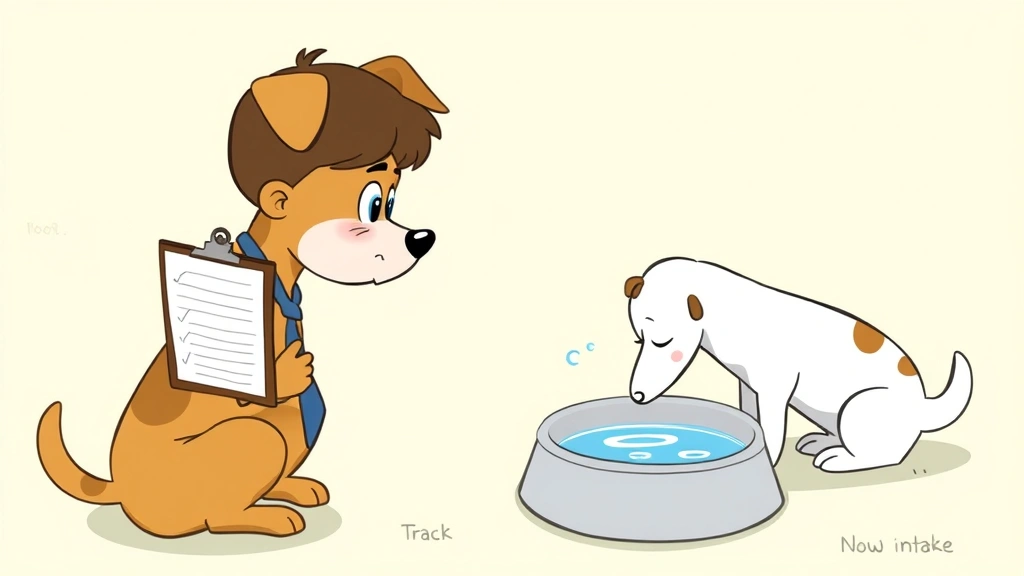
Before or between vet visits, track what’s happening. Real data beats guessing.
Keep a Simple Log
For one week, note:
- How many times you refill the water bowl daily
- Approximate amount (use a measuring cup)
- How many times your dog pees
- Any accidents or changes in urine (color, smell, clarity)
- Food intake and type (wet vs. dry)
- Activity level and weather
- Any other changes (energy, appetite, behavior)
This log is gold. It shows patterns and helps your vet make decisions faster.
Measure Water Intake
Use a measuring cup to fill the bowl, and note how much is left at the end of the day. It’s tedious, but it gives you actual numbers instead of “seems like more.”
Watch the Urine
Is it clear or dark? Concentrated urine (dark yellow/amber) suggests the dog isn’t drinking enough. Very dilute urine (nearly clear) is normal if they’re drinking a lot, but combined with other symptoms, it’s worth mentioning to your vet.
Check for Patterns
Does the increased drinking happen at specific times? After meals? During certain activities? At night? Patterns help distinguish between medical and behavioral causes.
Prevention and Management Tips
Whether the cause is medical or behavioral, here’s what you can do to manage a dog drinking a lot of water.
Ensure Fresh Water Access
Always have clean, fresh water available. Multiple bowls in different areas of your home are ideal, especially for older dogs or those with mobility issues. If your dog is on a restricted water diet due to a medical condition, your vet will tell you—don’t restrict water on your own.
Monitor Feeding Schedules
Dogs often drink more after eating dry kibble. If you’re concerned about excessive intake, try switching to a food with higher moisture content (wet food, fresh food, or adding water to kibble). This isn’t a cure-all, but it can help.
Increase Exercise and Mental Stimulation
A bored dog is more likely to develop compulsive water drinking. Daily walks, playtime, puzzle toys, and training sessions reduce boredom and stress-related behaviors. Aim for at least 30 minutes of activity daily, adjusted for your dog’s age and fitness level.
Manage Stress
If your dog is anxious, address the root cause. That might mean crate training, calming supplements, or working with a trainer. Stress-driven behaviors often need behavioral intervention, not just medical treatment.
Control the Environment
In summer, provide shade and cool spaces. Use a cooling mat if your dog tends to overheat. In winter, indoor heating dries the air and can increase thirst—consider a humidifier.
Regular Vet Checkups
Senior dogs should see the vet twice yearly. Routine bloodwork catches kidney disease, diabetes, and other conditions early, before they become serious. For adult dogs, annual checkups are standard.
Related Symptoms to Watch For
A dog drinking a lot of water rarely happens in isolation. These companion symptoms matter:
Excessive Urination
If your dog is drinking more and peeing more, that’s a red flag for diabetes, kidney disease, or UTI. Occasional accidents in the house, especially at night, often accompany these conditions. This is different from a housetrained dog suddenly having one accident—repeated accidents suggest a medical issue.
Weight Changes
Unexplained weight loss alongside increased thirst and urination is classic diabetes. Weight gain can accompany Cushing’s disease, which also increases thirst. Your vet should track weight trends at checkups.
Changes in Appetite
Diabetic dogs often eat more but lose weight. Dogs with kidney disease might eat less. Appetite changes are significant and should always be mentioned to your vet.
Lethargy or Behavior Changes
If your dog is drinking excessively and acting tired, withdrawn, or unusual in any way, something is likely wrong medically. Don’t wait—call your vet.
Vomiting or Diarrhea
These combined with excessive thirst suggest infection, kidney disease, or other systemic illness. Schedule a vet visit promptly. Learn more about related digestive issues in our article on can dogs take Pepcid.
Bad Breath or Mouth Issues
Kidney disease can cause uremia, which creates bad breath and mouth ulcers. If your dog’s breath is suddenly foul, that’s worth mentioning alongside the increased thirst.
The pattern is what matters. One symptom in isolation might be nothing. Multiple symptoms together paint a clearer picture.
Frequently Asked Questions
How much water should my dog drink daily?
– A healthy dog typically drinks 0.5 to 1 ounce per pound of body weight daily. A 50-pound dog should drink roughly 25–50 ounces (3–6 cups) per day. This varies with activity, diet, weather, and individual metabolism. If your dog is drinking significantly more than this baseline without reason, it’s worth investigating.
Is it bad if my dog drinks too much water?
– Too much water can be a symptom of an underlying problem rather than a problem itself. However, in rare cases, a condition called primary polydipsia (compulsive water drinking) can occur, where dogs drink excessively out of habit or anxiety. This can lead to electrolyte imbalances. The real concern is identifying why your dog is drinking excessively, not the drinking itself.
Can stress cause a dog to drink more water?
– Yes. Anxiety, new environments, changes in routine, and other stressors can trigger increased thirst in dogs. This is usually temporary and resolves once the dog adjusts. However, if stress-related drinking becomes compulsive, behavioral intervention (training, enrichment, sometimes medication) may help.
What’s the difference between normal thirst and polydipsia?
– Normal thirst is responsive—your dog drinks when they’re actually thirsty and stops when they’re hydrated. Polydipsia is excessive, often compulsive, and doesn’t satisfy the dog’s thirst. A dog with polydipsia might drink constantly, even right after drinking a large amount. This can be behavioral or medical.
Should I restrict my dog’s water intake?
– No, unless your vet explicitly tells you to. Restricting water can mask symptoms and actually cause dehydration. The only exceptions are specific medical conditions (like some heart diseases) where a vet prescribes water restriction. Always follow your vet’s guidance on this.
Can certain dog breeds be more prone to excessive thirst?
– Some breeds are more prone to diabetes (dachshunds, poodles) and kidney disease (certain large breeds). Age also matters—senior dogs are at higher risk for kidney disease and diabetes. But any dog can develop these conditions. Breed predisposition doesn’t mean your dog will develop it, just that monitoring is especially important.
How long does it take to get bloodwork results?
– Most vets can run basic bloodwork in-house and have results within 24–48 hours. More specialized tests might take 3–5 days. Your vet will tell you the timeline when they draw blood. Don’t panic if results take a few days—this is normal.
What if my dog has a UTI? Will increased thirst go away?
– UTIs are treatable with antibiotics, and once the infection clears, the excessive thirst and urination usually resolve within a few days to a week. If symptoms persist after treatment, follow up with your vet—there might be an underlying issue like bladder stones or chronic disease. For more information, read our guide on how to treat a dog urinary tract infection at home.
Can diet affect how much water my dog drinks?
– Absolutely. Dry kibble has minimal moisture, so dogs eating kibble drink more than those eating wet food. High-sodium diets also increase thirst. If you switch diets, expect temporary changes in water intake. This is normal. If you want to reduce water intake naturally, adding moisture to kibble or switching to a higher-moisture diet can help.
Is it normal for puppies to drink a lot of water?
– Puppies do drink more frequently than adults because they have smaller bladders and higher metabolic rates. However, puppies shouldn’t drink excessively. If your puppy seems to be drinking far more than littermates or is having frequent accidents indoors, that’s worth a vet check. Puppies can develop UTIs and other issues too.
What should I do if my dog drinks water obsessively?
– Obsessive water drinking is often behavioral (anxiety, boredom, compulsion) but can be medical. Start with a vet visit to rule out diabetes, kidney disease, and UTIs. If medical causes are ruled out, work with a trainer or veterinary behaviorist on enrichment, stress reduction, and behavior modification. Sometimes limiting access to the water bowl (while ensuring hydration) combined with behavioral work helps.
Additional Resources and Expert Guidance
For authoritative information on dog health and water intake, the American Kennel Club (AKC) provides breed-specific health guidelines. PetMD offers detailed articles on canine diabetes, kidney disease, and urinary issues. Your veterinarian remains your best resource for personalized diagnosis and treatment—these external resources supplement professional veterinary care, not replace it.
For dogs experiencing related digestive or systemic issues, understanding companion conditions helps. For instance, if your dog is drinking excessively and showing signs of illness, our article on can older dogs get parvo covers serious infectious diseases that can trigger increased thirst. Similarly, understanding nutrition is crucial—learn about your dog’s dietary needs in our guide on how long can a dog go without food to ensure balanced intake.
Digestive health also connects to overall hydration. If your dog is dealing with constipation or other GI issues, check out our resource on how can I help my dog poop for comprehensive guidance.
Final Thoughts
A dog drinking a lot of water isn’t automatically a crisis, but it’s not something to ignore either. The key is observation: track changes, note patterns, and communicate clearly with your vet. Most cases resolve quickly once the cause is identified—whether that’s a simple UTI (easily treated), a diet change (easily managed), or something more serious like diabetes (very manageable with proper care).
The worst thing you can do is assume it’s nothing and wait. The best thing? Take action. Monitor, document, and call your vet if something feels off. Your dog can’t tell you what’s wrong, so you’re their advocate. Trust your instincts.





