
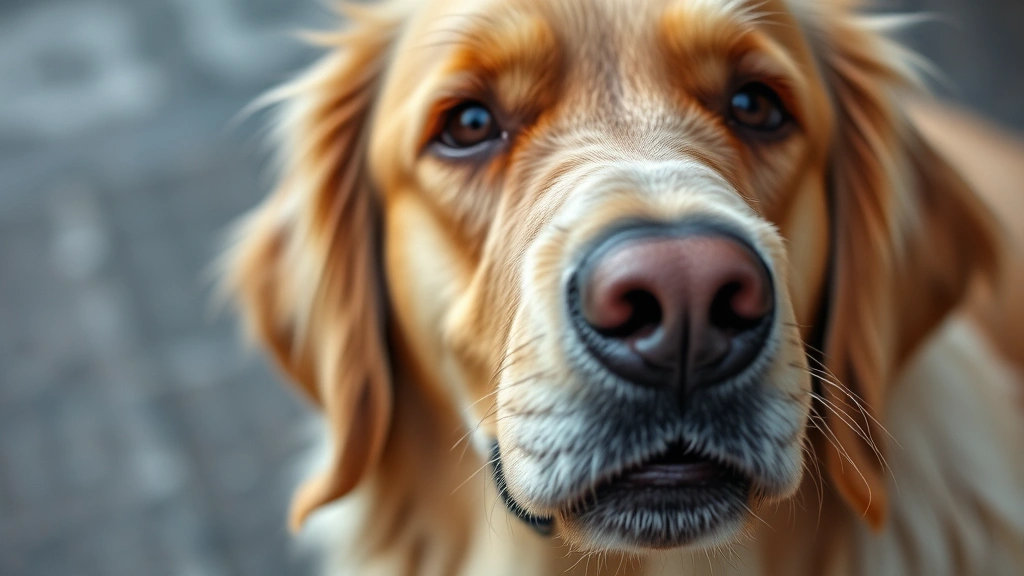
So your furry best friend has a dog dry nose and you’re wondering if Fido’s schnoz should feel like a wet button or if you’re just being paranoid. Here’s the thing: a dog’s nose wetness isn’t actually the perfect health indicator everyone thinks it is. But when your pup’s nose goes from dewy to crusty, it’s worth investigating. We’re going to break down exactly what causes a dry dog nose, when you should panic, and what you can actually do about it.
Table of Contents
- Is a Dog Dry Nose Really a Problem?
- Cause #1: Dehydration and Dry Dog Nose Connection
- Cause #2: Allergies and Environmental Factors
- Cause #3: Autoimmune Conditions and Nasal Health
- Cause #4: Infections and Nasal Issues
- Cause #5: Age, Breed, and Genetic Factors
- Quick Fixes You Can Try at Home
- When to Actually Call Your Veterinarian
- Prevention: Keeping Your Dog’s Nose Healthy
- The Bottom Line on Dog Dry Nose
- Frequently Asked Questions
Is a Dog Dry Nose Really a Problem?
Let’s start with the myth-busting moment: a wet nose doesn’t automatically mean a healthy dog, and a dry nose doesn’t automatically mean your pup is dying. That said, a chronically dry dog nose can indicate underlying issues that deserve attention. Dogs naturally produce moisture on their noses through nasal secretions, so when that moisture disappears, something’s shifted. The real question isn’t whether the nose is wet or dry—it’s whether the dryness is temporary or persistent, and whether it’s accompanied by other symptoms.
Cause #1: Dehydration and Dry Dog Nose Connection
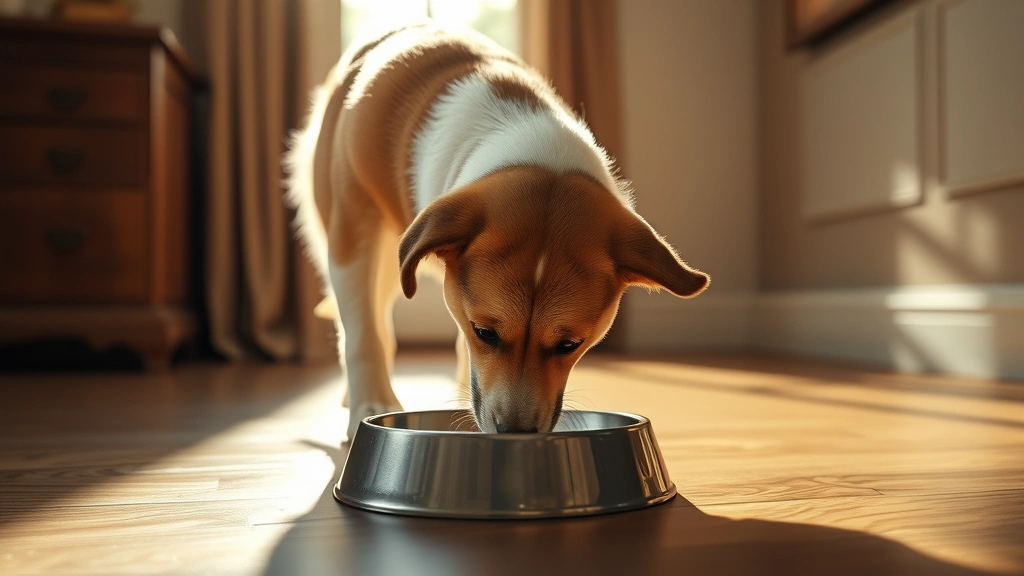
One of the most straightforward culprits behind a dog dry nose is simple dehydration. When your dog isn’t drinking enough water, their body prioritizes hydration for vital organs, and the nose becomes a visible casualty. This is especially common during hot weather, after intense play sessions, or if your pup just isn’t interested in their water bowl. You’ll notice the dry nose might feel crusty or flaky, and it could be accompanied by lethargy or dry gums. The fix? Encourage hydration by offering fresh water frequently, adding a bit of bone broth to their water bowl, or providing wet food. Check out our guide on pet food safety to ensure their diet supports proper hydration.
Cause #2: Allergies and Environmental Factors
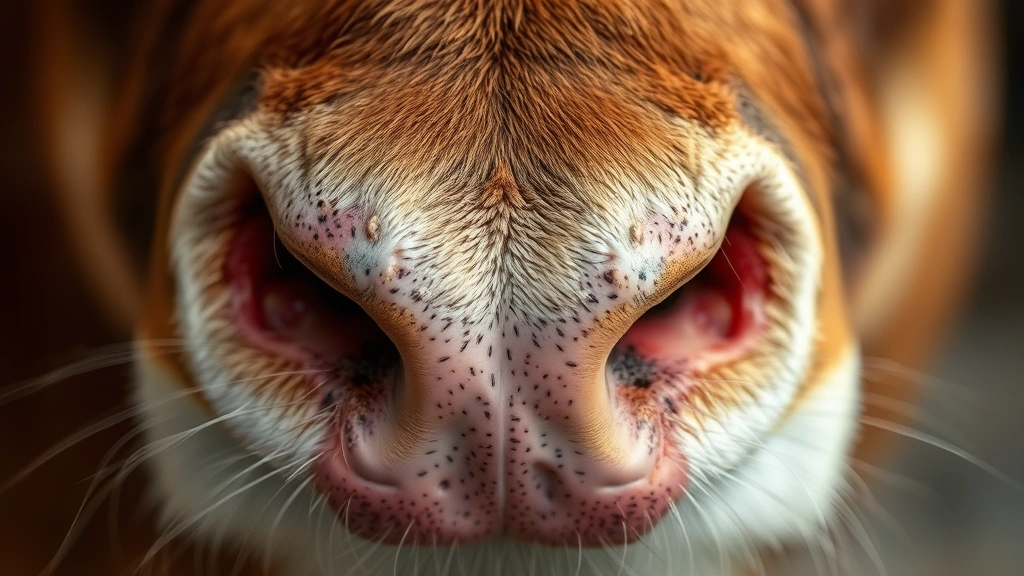
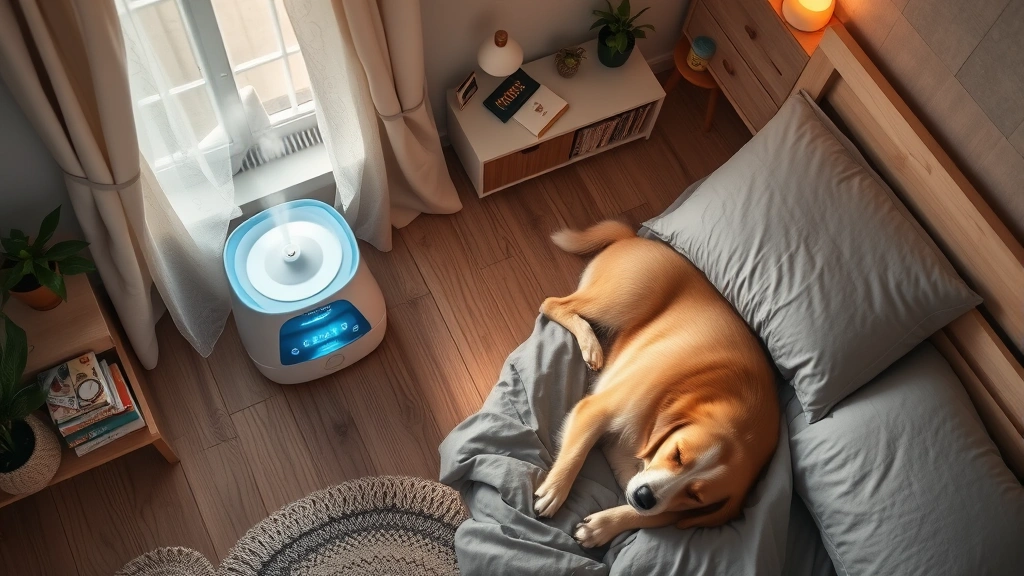
Just like humans, dogs can develop allergies that affect their skin—including the sensitive nasal area. Environmental allergens like pollen, dust, or mold can irritate the nose, causing it to dry out as your dog’s immune system goes into overdrive. Seasonal allergies are particularly notorious for creating a dog dry nose situation. You might also notice your pup licking their nose more frequently or showing signs of itchiness. Indoor heating during winter is another sneaky culprit; it sucks moisture right out of the air and your dog’s skin. Try using a humidifier, ensuring your dog has access to humid areas, and consider consulting with a vet about allergy management.
Cause #3: Autoimmune Conditions and Nasal Health
Here’s where things get more serious. Certain autoimmune conditions, like pemphigus or lupus, can specifically target the nose and cause it to become dry, cracked, or even pigmented differently. These conditions are relatively rare but shouldn’t be ignored. If your dog’s dry nose is accompanied by crusty sores, bleeding, or a change in nose color, get veterinary attention immediately. These aren’t conditions you can fix with home remedies, but early diagnosis makes a huge difference in management and your dog’s quality of life.

Cause #4: Infections and Nasal Issues
Bacterial or fungal infections can absolutely cause a dog dry nose, along with discharge, crusting, or even a foul smell. Fungal infections like aspergillosis are particularly sneaky because they can develop without obvious symptoms at first. If your dog has been sniffling, sneezing, or has any nasal discharge alongside the dryness, infection could be the culprit. This is definitely a “call your vet” situation because infections require specific treatment. For guidance on related health concerns, check out our resource on online vet advice for food reactions, which discusses how to communicate symptoms to veterinary professionals effectively.
Cause #5: Age, Breed, and Genetic Factors
Some dogs are just born with naturally drier noses, and certain breeds are more prone to nasal issues than others. Brachycephalic breeds (flat-faced dogs like Bulldogs and Pugs) often struggle with nasal health due to their anatomy. Senior dogs may also experience drier noses as part of the aging process. Additionally, some dogs spend more time indoors or in air-conditioned environments, which naturally dries out their nasal passages. While you can’t change your dog’s genetics, you can manage environmental factors and work with your vet on breed-specific care strategies.

Quick Fixes You Can Try at Home
Before you assume your dog needs emergency surgery, try these practical solutions. First, boost hydration—make water irresistible by offering it in different locations, using a water fountain, or adding it to meals. Second, apply dog-safe balms or coconut oil to the nose (just a tiny dab, and make sure your dog doesn’t lick it off immediately). Third, increase humidity in your home with a humidifier, especially during dry seasons. Fourth, ensure your dog’s diet is nutrient-rich and supports skin health. Our article on healthy snack alternatives for dogs includes options that boost skin and coat health naturally. Fifth, limit exposure to harsh chemicals or irritants like cigarette smoke.
When to Actually Call Your Veterinarian
Not every dog dry nose requires a vet visit, but some situations absolutely do. Red flags include: persistent dryness lasting more than a week despite home care, crusty sores or bleeding, nasal discharge, swelling around the nose, difficulty breathing, or if the dryness is accompanied by other symptoms like lethargy, loss of appetite, or behavioral changes. Your vet can perform a physical exam, take samples if needed, and run diagnostics to identify underlying causes. If you’re unsure, a quick telehealth consultation is always an option—check out our telehealth pet nutrition consultation resource for guidance on getting professional advice remotely.
Prevention: Keeping Your Dog’s Nose Healthy
The best medicine is prevention. Maintain consistent hydration by ensuring fresh water is always available. Keep your home at a healthy humidity level, especially during winter months. Protect your dog from extreme temperature changes and harsh environmental conditions. Provide a balanced, nutrient-rich diet that supports skin health. Regular grooming and cleaning around the nasal area can help prevent infections. And schedule annual vet checkups so your veterinarian can catch any issues early. Think of nasal health as part of your overall dog wellness routine, not an afterthought.
The Bottom Line on Dog Dry Nose
A dog dry nose can range from completely benign to a sign of something requiring attention. The key is paying attention to patterns—is it occasionally dry or chronically dry? Are there other symptoms? Does it respond to hydration and humidity changes? Most cases of dog dry nose resolve with simple environmental adjustments and increased hydration. However, persistent dryness, especially when accompanied by other symptoms, warrants professional evaluation. Trust your instincts as a pet parent; you know your dog best, and when something feels off, it’s worth investigating. Your dog’s nose might just need some TLC, or it might be telling you something more important. Either way, you’re doing great by looking into it.

Frequently Asked Questions
Is a dry dog nose always a sign of illness?
No, a dry dog nose isn’t always a sign of illness. Many healthy dogs have dry noses, especially after sleeping, during dry weather, or after being in air conditioning. However, a persistently dry nose combined with other symptoms should be evaluated by a veterinarian.
Can I use human moisturizer on my dog’s nose?
No, avoid human moisturizers or lip balms on your dog’s nose. Stick to dog-safe products like coconut oil, specialized dog nose balms, or products recommended by your veterinarian. Many human products contain ingredients that are toxic to dogs.
How much water should my dog drink daily?
Most dogs need about 1 ounce of water per pound of body weight daily. A 50-pound dog should drink approximately 50 ounces (about 6-7 cups) of water per day, though this varies based on activity level, diet, and climate.
Can allergies cause a dog dry nose?
Yes, allergies can definitely cause a dog dry nose. Environmental allergens, food allergies, or contact allergies can irritate the nasal area and cause dryness, along with other symptoms like itching or nasal discharge.

What humidity level is best for dogs?
Ideal humidity for dogs ranges between 30-50%. Levels below 30% can cause dry skin and nasal issues, while levels above 50% can promote mold growth and respiratory issues.





