
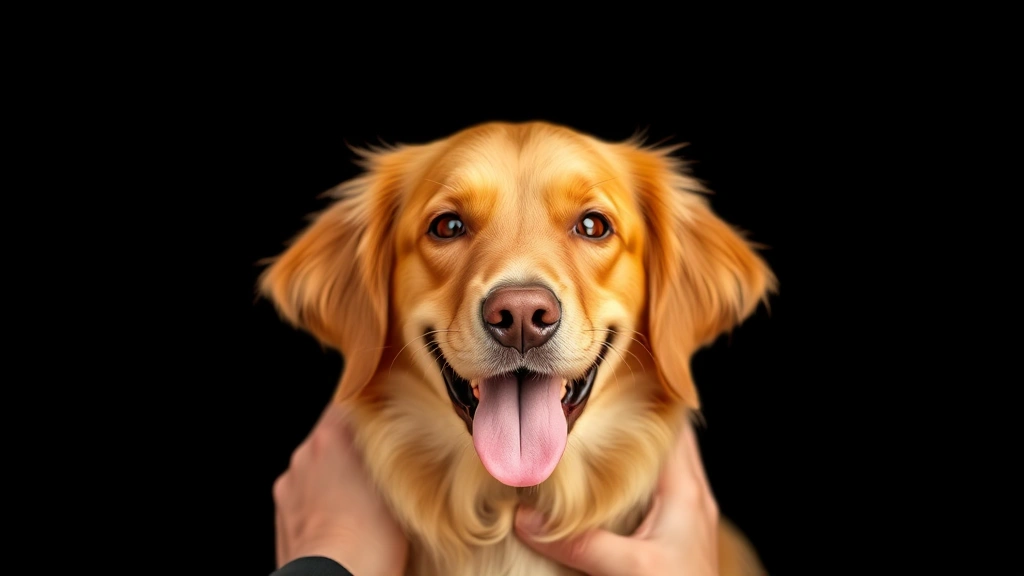
Your dog’s ears are basically tiny, furry caves that trap moisture, debris, and bacteria like a cozy hotel for ear infections. If you’ve ever noticed your pup scratching at their ears or smelled something funky coming from that direction, you know exactly what I’m talking about. A good dog ear cleaner routine isn’t just vanity—it’s preventive medicine that saves you vet bills and keeps your dog comfortable. Whether your dog has floppy ears that fold over like a warm blanket or perky ears that stand at attention, they all need regular cleaning. This guide walks you through everything a dog owner needs to know about using a dog ear cleaner properly, choosing the right product, and spotting problems before they become expensive infections.
Why Dogs Need Regular Ear Cleaning
Here’s the thing: dog ears are basically the perfect storm for problems. They’re warm, often moist (especially after swimming or baths), and if they’re floppy, they don’t get much air circulation. This environment is like a five-star resort for yeast, bacteria, and ear mites. Unlike human ears, which are relatively self-cleaning, dog ears need help from their owners.
Dogs with floppy ears—think Cocker Spaniels, Basset Hounds, or Golden Retrievers—are at higher risk because the ear canal stays covered. But even dogs with upright ears can develop problems. The American Kennel Club recognizes that breed-specific ear care is crucial to overall health management.
Regular use of a dog ear cleaner helps you:
- Remove wax buildup and debris before it becomes a problem
- Detect infections early when they’re easier to treat
- Reduce the risk of chronic ear issues that can lead to hearing loss
- Keep your dog comfortable and itch-free
- Catch parasites like ear mites before they spread
Think of ear cleaning like brushing your dog’s teeth—it’s preventive care that pays dividends. A five-minute cleaning session once a week or every two weeks can save you hundreds in vet bills down the road.
Types of Dog Ear Cleaners Available
Not all dog ear cleaners are created equal. You’ve got options, and picking the right one matters because some formulas work better for specific situations.
Liquid Solutions are the most common. These are typically alcohol-based, water-based, or oil-based formulas that you squirt into the ear canal. Alcohol-based cleaners dry the ear quickly but can be irritating if your dog has an open wound or infection. Water-based solutions are gentler and work well for routine maintenance. Oil-based cleaners are excellent for dogs with dry, sensitive skin.
Pro tip: Avoid cleaners with high alcohol content if your dog has an active infection. Your vet will recommend something more appropriate.
Wipes and Pads are great for quick cleanups and dogs that hate having liquid squirted in their ears. They’re less thorough than liquid solutions but perfect for between-appointment maintenance. You can find pre-moistened ear wipes at most pet stores.
Foam Cleaners are a newer option that some dogs tolerate better than liquids. The foam expands slightly in the ear canal, helping it reach debris without feeling like you’re drowning the dog’s ear.
Powder-Based Cleaners are sometimes recommended by groomers before plucking ear hair, but they’re not ideal for routine cleaning and can actually trap moisture if not used carefully.
The best choice depends on your dog’s ear condition, sensitivity level, and how cooperative they are during the process. If your dog has allergies (which often show up as ear issues), you might need a specialized formula. Check out our guide on what to give dogs for allergies to understand the connection.
How to Use a Dog Ear Cleaner Step-by-Step
Using a dog ear cleaner correctly makes the difference between a quick, easy process and a wrestling match. Here’s the real-world method that actually works:
Step 1: Gather Your Supplies
You’ll need the ear cleaner itself, cotton balls or gauze pads (not cotton swabs—they push debris deeper), and treats for positive reinforcement. Have everything within arm’s reach before you start. If your dog is food-motivated, having high-value treats ready makes the whole experience feel like a game instead of a chore.
Step 2: Get Your Dog in Position
Sit on the floor with your dog between your legs or on a grooming table if they’re small. You want control but not force. If your dog is struggling, take a break. Forcing the issue teaches them to fear ear cleaning, and you’ll have a nightmare next time.
Step 3: Lift the Ear Flap
Gently fold back the ear to expose the canal opening. Don’t yank—be gentle. Look inside briefly to check for obvious redness, discharge, or debris. This quick visual check helps you spot problems early.
Step 4: Apply the Cleaner
Follow the product instructions, but typically you’ll squeeze the recommended amount into the ear canal. The ear should feel pleasantly full but not overflowing. Some dogs shake immediately—this is normal and actually helps distribute the cleaner.
Step 5: Massage the Base
This is the magic step. Gently massage the base of the ear (where it connects to the head) for about 30 seconds. You’ll often hear a squelching sound—that’s the cleaner doing its job, breaking up wax and debris. Your dog might actually enjoy this part.
Step 6: Let Them Shake
Step back and let your dog shake their head. This is where the cleaner and loosened debris come out. Yes, it’ll get everywhere. Put a towel down or do this outside if possible.
Step 7: Wipe Out Excess
Use a cotton ball or gauze pad to gently wipe away visible debris and excess cleaner from the ear flap and canal opening. Don’t stick anything deep into the canal—just the outer areas.
Step 8: Repeat for the Other Ear
Do the same process on the opposite side. Then give your dog a treat and praise like they just won an Olympic medal. Positive associations matter.
Safety Warning: Never use a cotton swab (Q-tip) in your dog’s ear canal. The canine ear canal is L-shaped, and swabs can perforate the eardrum or pack debris deeper. Stick to cotton balls and gauze.
Best Practices for Maintaining Ear Health
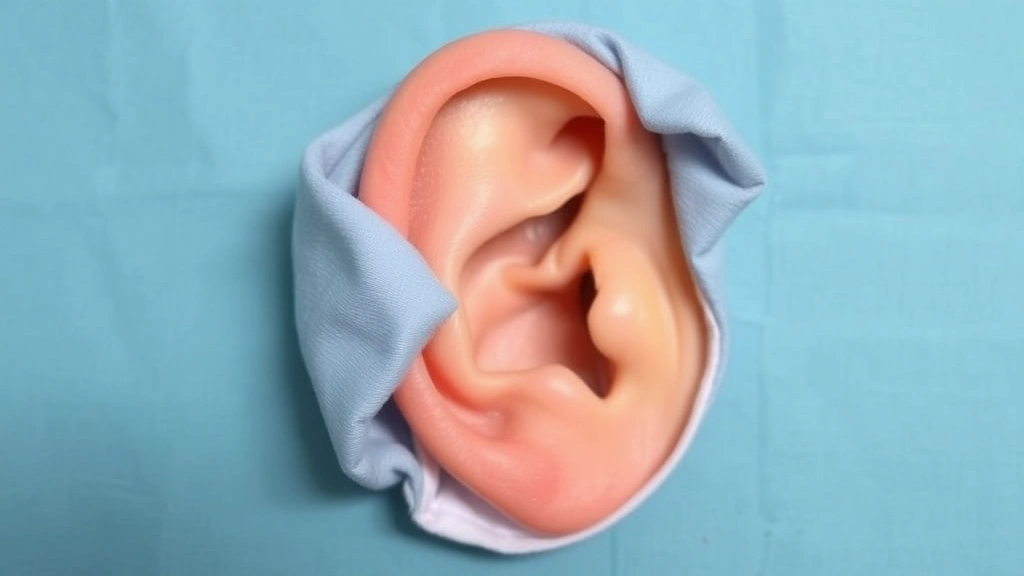
Using a dog ear cleaner is just one piece of the puzzle. Here’s what else matters:
Drying is Critical
After swimming, baths, or outdoor adventures in wet conditions, dry your dog’s ears thoroughly. Moisture trapped in the ear canal creates the perfect breeding ground for infections. Use a clean, dry cloth or towel. For dogs with floppy ears, gently fold them back and let air circulate for a few minutes after drying.
Frequency Depends on Your Dog
Healthy dogs with upright ears might only need cleaning every 4-6 weeks. Dogs with floppy ears, swimmers, or those prone to ear issues might need weekly or bi-weekly cleaning. Your vet can recommend a schedule based on your dog’s specific situation.
Hair Management
Some breeds (Poodles, Schnauzers, Terriers) have hair growing inside their ear canals. This traps moisture and debris, making infections more likely. Professional groomers can pluck this hair, or your vet can do it during a check-up. Don’t try this at home unless you’ve been trained—it’s easy to cause discomfort.
Watch for Allergies
Ear issues are often the first sign of allergies in dogs. If your dog is scratching excessively or has frequent ear infections, allergies might be the root cause. Learn more about why dogs’ paws turn red—often a sign of the same allergic issues affecting the ears.
Regular Vet Checks
Even with great home care, see your vet annually (more often if your dog has a history of ear issues). They can spot problems you might miss and recommend prescription-strength cleaners if needed.
Signs Your Dog Needs Ear Cleaning Now
Don’t wait for a scheduled cleaning if you notice these red flags:
- Excessive scratching or head shaking: Your dog is trying to tell you something’s wrong
- Odor: Healthy dog ears smell neutral or slightly waxy. A yeasty or fishy smell means infection
- Visible discharge: Brown, yellow, or bloody discharge needs immediate attention
- Redness or swelling: The ear flap or canal interior looks inflamed
- Sensitivity: Your dog pulls away when you touch their ear
- Tilted head: Persistent head tilting can indicate ear pain or balance issues from inner ear problems
- Crusting or scabbing: Often a sign of parasites like ticks or mites
If you see any of these, clean the ear gently with your dog ear cleaner and monitor closely. If symptoms persist after 24-48 hours, call your vet. Some issues (like ruptured eardrums or deep infections) need professional treatment.
Common Ear Problems and When to See a Vet
Understanding what you’re dealing with helps you know when to handle it at home versus when to get professional help.
Cerumen (Wax) Buildup
This is the most common issue and the easiest to manage. Your dog’s ears naturally produce wax, but sometimes it accumulates faster than it clears. Regular use of a dog ear cleaner handles this beautifully. You’ll notice brown, waxy debris in the ear canal. It’s not painful, just uncomfortable.
Yeast Infections
Yeast loves warm, moist environments. Signs include brown or reddish discharge, a distinctive yeasty smell (kind of like corn chips—vets call it “Frito paws” when it’s on the feet), and intense itching. A dog ear cleaner alone won’t cure a yeast infection, but it helps. Your vet will likely prescribe antifungal drops or medication. The Pet MD guide on dog ear infections provides solid information on identifying and treating these.
Bacterial Infections
These are more serious and usually require antibiotics. You might see yellowish discharge, swelling, and severe pain. Your dog might not let you touch their ear at all. Don’t mess around with this—call your vet immediately.
Ear Mites
These tiny parasites cause intense itching and a dark, crumbly discharge that looks like coffee grounds. They’re contagious between pets. A dog ear cleaner can help, but you’ll need prescription miticide drops from your vet. Everyone in your household (all pets) needs treatment simultaneously.
Foreign Objects
Grass seeds, foxtails, or other debris can get stuck in the ear canal. If your dog has been in tall grass and suddenly starts shaking their head violently, suspect a foreign object. Don’t dig around trying to remove it yourself—you could push it deeper or damage the canal. This is a vet visit.
Allergic Otitis
If your dog has seasonal or food allergies, their ears often show it first. The skin in the ear canal gets inflamed and itchy, creating a perfect setup for secondary infections. Managing the underlying allergy is key. Regular ear cleaning helps prevent secondary infections while you address the root cause.
Pro Tip: Keep a log of when you clean your dog’s ears and what you observe. This information is gold for your vet when diagnosing recurring issues. Note the color, smell, and your dog’s behavior during cleaning.
What to Look for in a Quality Dog Ear Cleaner
Not all dog ear cleaners are equal. Here’s what matters when choosing a product:
pH-Balanced Formula
Dog ears are naturally more acidic than human ears. A pH-balanced cleaner maintains this natural environment and prevents disruption of healthy bacteria. Look for products specifically formulated for dogs, not generic cleaners.
Gentle Ingredients
Avoid harsh chemicals if your dog has sensitive skin. Look for formulas with soothing ingredients like aloe vera, chamomile, or tea tree oil. If your dog has active infections or open sores, ask your vet before using anything with essential oils.
Antimicrobial Properties
Some cleaners include mild antimicrobial or antifungal agents. These are great for dogs prone to infections but not necessary for routine maintenance in healthy ears.
No Ototoxic Ingredients
Avoid cleaners containing aminoglycosides or other potentially ototoxic (ear-damaging) substances. If your dog has a perforated eardrum, certain ingredients could cause permanent hearing damage.
Drying Agents
Many quality cleaners include alcohol or other drying agents to help moisture evaporate. This is especially important for dogs prone to ear infections. Just make sure the alcohol concentration isn’t so high it’s irritating.
Veterinary Recommendation
Your vet’s recommendation is worth more than any online review. They know your dog’s history and can suggest products tailored to their specific needs. If your dog has had ear problems, ask your vet which dog ear cleaner they recommend.
Common trusted brands include Zymox, Epi-Otic, Malacetic, and Vetericyn, but what works best varies by individual dog. Your vet might recommend a specific product, or you might need to try a couple to find what your dog tolerates best.
Frequently Asked Questions
How often should I use a dog ear cleaner on my healthy dog?
– For most healthy dogs, cleaning every 4-6 weeks is sufficient for maintenance. Dogs with floppy ears, swimmers, or those with a history of ear problems might need weekly or bi-weekly cleaning. Ask your vet for a personalized recommendation based on your dog’s breed, activity level, and ear health history.
Can I make a homemade dog ear cleaner?
– You can make a simple solution with equal parts white vinegar and water, but commercial products are formulated to be pH-balanced and safe. Homemade solutions might work for occasional cleaning in healthy ears, but they’re not ideal for dogs with infections or sensitive ears. If cost is a concern, talk to your vet about affordable options.
My dog hates having their ears cleaned. What can I do?
– Start with positive associations: touch their ears gently during play, reward them with treats, and never force the process. Warm the cleaner slightly (run the bottle under warm water) so it’s not shocking when applied. Some dogs do better if you clean just one ear per session. If your dog is extremely resistant, ask your vet if a groomer can do it or if they have sedation options for particularly anxious dogs.
What’s the difference between a dog ear cleaner and ear medication?
– A dog ear cleaner is preventive and removes debris and wax. Ear medication (prescribed by a vet) treats infections, mites, or other medical conditions. You might use a cleaner as part of treating an infection, but it’s not a substitute for prescribed medication. Always use prescribed medication as directed.
Can ear cleaning cause an infection?
– If done properly with clean supplies and a quality product, no. However, using contaminated supplies, pushing debris deeper with swabs, or using a product your dog is sensitive to could cause problems. Always use cotton balls or gauze (never swabs), clean your hands before starting, and stop if your dog seems in pain.
My dog’s ears smell bad even after cleaning. What does this mean?
– A persistent bad smell usually indicates a bacterial or yeast infection, not just dirty ears. Regular cleaning with a dog ear cleaner won’t cure an infection. Schedule a vet appointment for diagnosis and appropriate medication. Ear odor is one of the most common signs that professional treatment is needed.
Is it normal for my dog to shake their head after ear cleaning?
– Absolutely. Head shaking helps distribute the cleaner and dislodge debris. It’s actually part of the cleaning process. Just make sure you’re not in the blast zone when it happens.
Can I use human ear cleaner on my dog?
– No. Human ears have different pH levels and anatomy. Human ear cleaners can disrupt your dog’s natural ear flora and might contain ingredients that are irritating or toxic to dogs. Always use a product formulated specifically for dogs.

My dog has one ear that’s worse than the other. Is this normal?
– Yes, it’s common for one ear to have more issues than the other. This might be due to anatomy (one ear canal might be narrower), activity (they might sleep on one side), or just chance. However, if one ear is significantly worse with discharge, swelling, or odor, that ear might have a specific infection that needs treatment. Your vet can check for this.
How do I know if my dog has ear mites?
– Ear mites cause intense itching, head shaking, and a distinctive dark, crumbly discharge (like coffee grounds) in the ear canal. Your dog might scratch until they cause bleeding or scabs. A vet can confirm ear mites with an otoscope exam or by looking at discharge under a microscope. If you suspect mites, see your vet—they’re contagious to other pets and need prescription treatment.





