
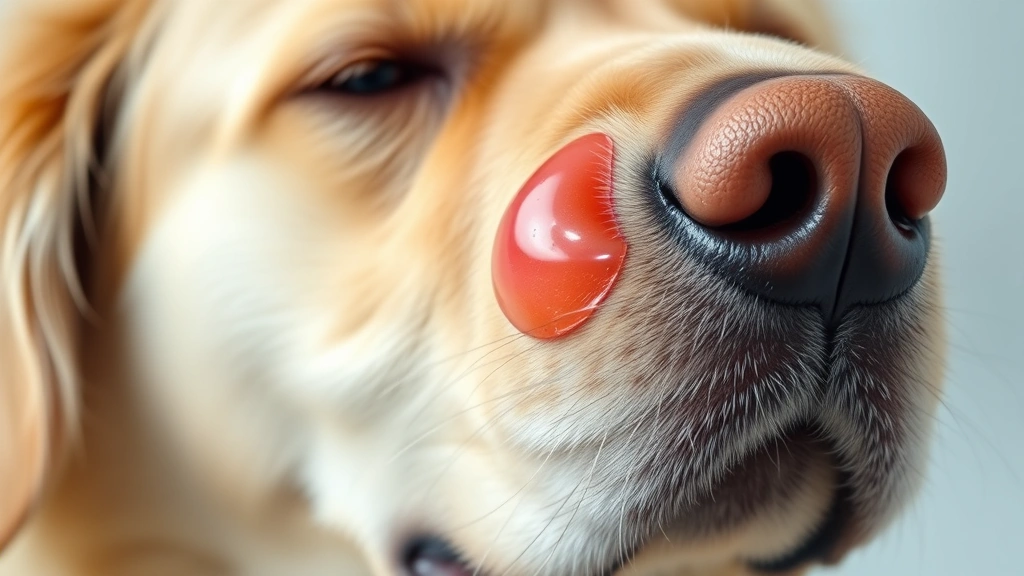
A dog ear hematoma is basically your pup’s ear deciding to throw a tantrum and fill with blood—and yeah, it looks about as fun as it sounds. If you’ve ever noticed your dog’s ear suddenly puffed up like a balloon at a kid’s birthday party, you’ve probably witnessed this frustrating condition firsthand. The good news? It’s treatable, preventable, and totally manageable once you know what you’re dealing with.
Table of Contents
- What Exactly Is a Dog Ear Hematoma?
- Common Causes of Canine Ear Hematomas
- Recognizing the Signs: Is Your Dog’s Ear Actually Swollen?
- Why You Need Professional Treatment (Not DIY Solutions)
- Veterinary Treatment Options for Ear Hematomas
- Recovery and Post-Treatment Care
- Prevention: Keeping Your Dog’s Ears Healthy
- Breeds Prone to Ear Hematomas
- When to Contact Your Vet: Red Flags
- Frequently Asked Questions
- Final Thoughts: Your Dog’s Ear Health Matters
What Exactly Is a Dog Ear Hematoma?
Let’s break down the science without putting you to sleep. A dog ear hematoma occurs when blood vessels inside your dog’s ear flap rupture, causing blood to accumulate between the skin and cartilage. Think of it like a bruise, except it’s happening inside your dog’s ear and it’s way more dramatic. The ear flap swells up like someone inflated it with a bicycle pump, and your pup suddenly looks like they’re auditioning for a cartoon.
The technical term is an aural hematoma, and it’s more common than you’d think. Dogs with floppy ears seem to get them more often than their pointy-eared cousins, but honestly, any dog can develop one under the right (or wrong) circumstances.
Common Causes of Canine Ear Hematomas
So what makes your dog’s ear go full balloon mode? Several culprits could be responsible:
Ear Infections: This is the number one troublemaker. When your dog’s got an ear infection, they’ll shake their head like they’re trying to dry off after a bath. That vigorous head shaking can rupture blood vessels faster than you can say “vet appointment.”

Trauma and Injury: Maybe your dog got into a scuffle with another dog, or they scratched their ear so hard they caused damage. Even something as innocent as rough play can trigger a hematoma.
Parasites: Ear mites are tiny jerks that cause itching, leading to excessive scratching and head shaking. Your dog becomes their own worst enemy.
Allergies: Food allergies, environmental allergies, or contact allergies can cause itching that leads to the dreaded head shake cycle. It’s a vicious loop that ends with a puffy ear.
Foreign Objects: Sometimes debris gets stuck in the ear canal, irritating it and causing your dog to shake their head repeatedly.

Recognizing the Signs: Is Your Dog’s Ear Actually Swollen?
Spotting a dog ear hematoma is usually pretty obvious—subtlety isn’t this condition’s strong suit. Look for these telltale signs:
The most obvious symptom is sudden swelling of the ear flap. One day your dog’s ears look normal, the next day they look like they’re wearing inflatable ear cushions. The affected ear might feel warm and squishy when you gently touch it (though your pup probably won’t appreciate the inspection).
Your dog might also shake their head more frequently, paw at their ear, or tilt their head to the side. Some dogs become more irritable or less interested in activities they normally enjoy because, let’s face it, having a swollen ear isn’t comfortable.
The swelling can be on one ear or both ears, and it can develop over a few hours or a few days. Sometimes the hematoma is small and barely noticeable; other times it’s so large you wonder how your dog’s neck can support the weight.

Why You Need Professional Treatment (Not DIY Solutions)
Here’s where I need to be real with you: you cannot treat a dog ear hematoma at home with bandages or home remedies. I know you want to save money and avoid the vet, but this is one of those situations where your dog genuinely needs professional help.
Why? Because if left untreated, a dog ear hematoma can lead to permanent ear damage, scarring, and a condition called “cauliflower ear.” Your dog’s ear will look permanently crinkled and deformed. Plus, the underlying cause (usually an ear infection) won’t go away on its own, meaning the hematoma could come back.
You might think about using liquid bandage on dogs, but that’s not going to address the internal bleeding or the root cause. Your vet needs to drain the hematoma and figure out what caused it in the first place.
Veterinary Treatment Options for Ear Hematomas
When you take your dog to the vet (which you absolutely should), here’s what typically happens:
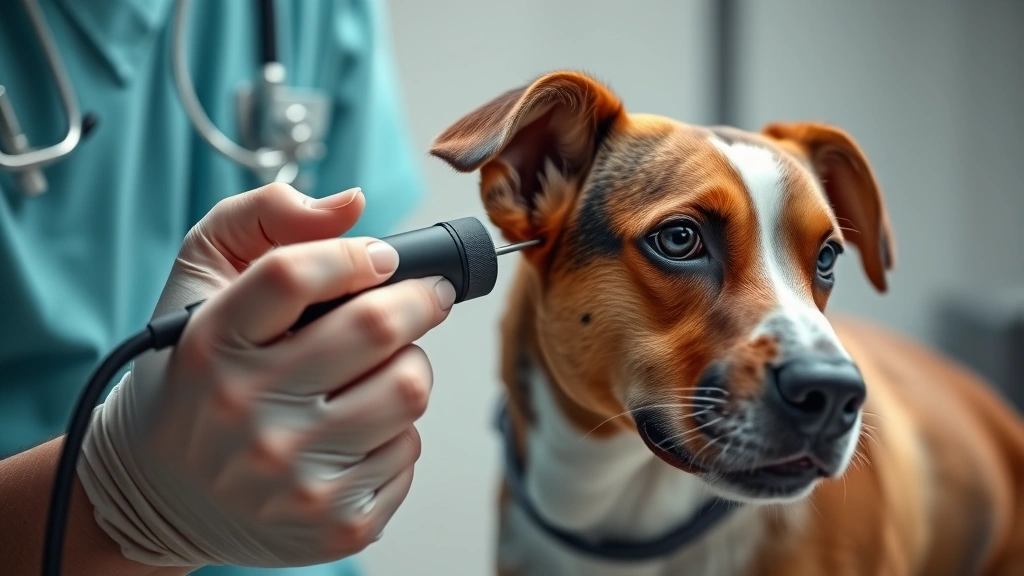
Drainage: Your vet will drain the accumulated blood from the hematoma. This might be done with a needle aspiration or a small incision. It’s not painful for your dog since they’ll be sedated or under general anesthesia. The relief your pup feels afterward is real—no more uncomfortable pressure in the ear.
Addressing the Root Cause: This is crucial. Your vet will examine the ear canal for infections, parasites, or other issues. If there’s an ear infection present, they’ll prescribe antibiotics or antifungal medications. If it’s mites, they’ll treat that. If it’s allergies, you’ll discuss management strategies.
Pain Management: Your vet might recommend pain relief medication during recovery. Carprofen dosage for dogs is often used for post-operative pain management, though always follow your vet’s specific recommendations for your pup. And definitely don’t give your dog ibuprofen—that’s a no-go for dogs.
Bandaging or Suturing: After drainage, your vet might place sutures or a special bandage to prevent the hematoma from refilling. Some vets use quilting sutures that help keep the skin attached to the cartilage, preventing fluid from reaccumulating.

Recovery and Post-Treatment Care
After treatment, your dog will need some TLC to heal properly. The recovery period typically lasts 1-2 weeks, though complete healing might take longer.
Keep your dog’s ear clean and dry as directed by your vet. Don’t let water get into the ear during baths. Your dog might need to wear a cone (the dreaded “Elizabethan collar”) to prevent them from scratching or shaking their head excessively during healing.
Watch for signs of infection, including increased swelling, discharge, or odor. If the hematoma seems to be refilling, contact your vet immediately. Some hematomas do recur, which might mean additional treatment is needed.
During recovery, keep your dog calm and limit vigorous exercise. This isn’t the time for intense play sessions or long runs. Save the energy for after healing is complete.

Prevention: Keeping Your Dog’s Ears Healthy
The best cure for a dog ear hematoma is prevention. Here’s how to keep your pup’s ears happy:
Regular Ear Checks: Inspect your dog’s ears weekly. Look for redness, discharge, odor, or excessive wax buildup. Catch problems early before they escalate.
Keep Ears Clean and Dry: After swimming or bathing, dry your dog’s ears thoroughly. Moisture is a breeding ground for infections. Use a vet-approved ear cleaner monthly, especially if your dog has floppy ears.
Address Allergies: Work with your vet to identify and manage food or environmental allergies. Reducing itching means fewer head shakes and less risk of hematoma development.
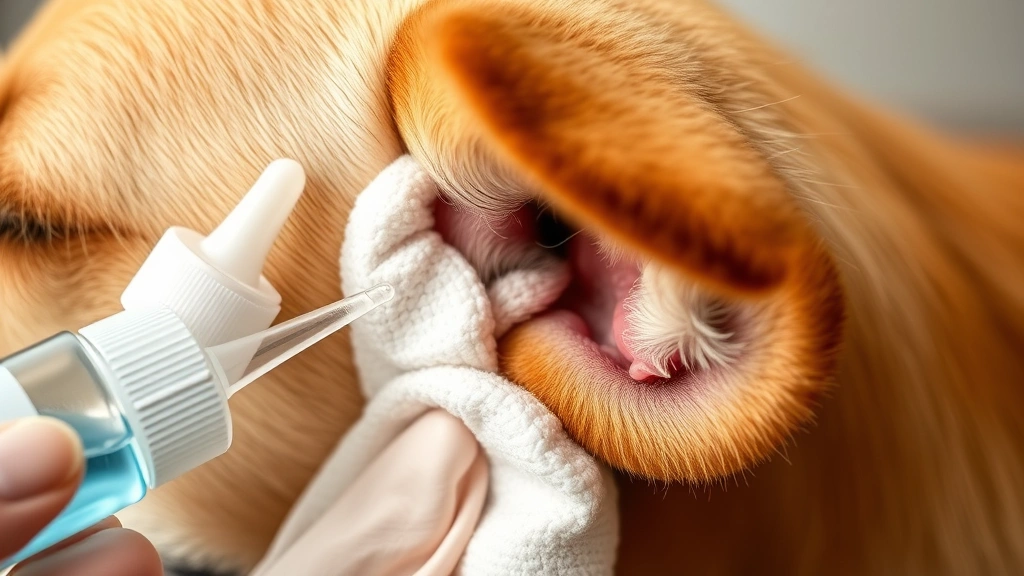
Treat Infections Promptly: If you notice signs of an ear infection (head shaking, odor, discharge), get to the vet immediately. Don’t wait and hope it goes away.
Parasite Prevention: Keep your dog on a regular parasite prevention schedule. Ear mites are preventable with proper medication.
Manage Ear Flap Trauma: Be mindful during playtime. If your dog plays rough with other dogs, watch for excessive ear trauma. Sometimes limiting play sessions with particularly rough playmates is necessary.
Nutritional Support: A healthy diet supports overall immune function and healing. Consider energy-boosting foods for active pets and bone broth recipes for pets to support your dog’s health during recovery or as preventive nutrition.
Breeds Prone to Ear Hematomas
While any dog can develop a hematoma, certain breeds are more susceptible. Dogs with long, floppy ears like Basset Hounds, Cocker Spaniels, Poodles, and Labradors seem to get them more frequently. The anatomy of their ears makes them more prone to trauma during head shaking.
However, don’t assume your short-eared dog is immune. German Shepherds, Boxers, and other breeds can absolutely develop hematomas too, especially if they’re prone to ear infections or allergies.
When to Contact Your Vet: Red Flags
Contact your veterinarian immediately if you notice:
Sudden ear swelling that develops over hours rather than days. Discharge from the ear that’s bloody, pus-filled, or foul-smelling. Your dog showing signs of pain, fever, or lethargy. The hematoma refilling after treatment. Persistent head shaking or ear scratching despite treatment. Any signs of infection in the weeks following treatment.

Don’t be that person who waits and hopes it resolves on its own. It won’t. Early intervention means faster recovery and better outcomes.
Frequently Asked Questions
Can a dog ear hematoma heal on its own?
Not really. While small hematomas might partially reabsorb over time, they typically don’t fully resolve without veterinary intervention. The blood will be reabsorbed eventually, but the ear will likely be permanently scarred and deformed. Plus, the underlying cause remains untreated, so the problem could recur. Professional treatment gives you the best chance of a normal-looking ear and preventing recurrence.
How much does dog ear hematoma treatment cost?
Treatment costs vary widely depending on your location and veterinary clinic, but expect to spend anywhere from $300 to $1,500 or more. This includes examination, anesthesia, drainage/surgical repair, and pain medication. It’s expensive, but cheaper than dealing with chronic ear problems or permanent deformity.
Will my dog’s ear look normal after treatment?
In most cases, yes! If treated promptly, the ear usually returns to normal appearance. However, if treatment is delayed or if the hematoma recurs multiple times, permanent scarring and deformity can occur. Early intervention is key to maintaining normal ear appearance.
Is a dog ear hematoma painful?
Yes, it can be uncomfortable. The pressure from accumulated blood and the underlying ear condition causing it (usually infection) both cause discomfort. Your dog might not show obvious pain signs, but they’re definitely not comfortable. Treatment provides relief.
Can I prevent my dog from getting another hematoma?
You can significantly reduce the risk by addressing the underlying cause, maintaining ear health, preventing infections, managing allergies, and monitoring for early signs of problems. However, some dogs are prone to recurrence, especially if they have chronic ear issues. Work closely with your vet on a prevention plan.
What’s the difference between a hematoma and an abscess?
A hematoma is filled with blood from ruptured blood vessels. An abscess is filled with pus from infection. Both cause swelling, but they require different treatments. Your vet can determine which one your dog has through examination and possibly ultrasound or aspiration.
Final Thoughts: Your Dog’s Ear Health Matters
A dog ear hematoma isn’t the end of the world, but it’s definitely a signal that something needs attention. Whether it’s an infection, allergies, parasites, or trauma, the underlying cause deserves investigation and treatment. Don’t ignore a swollen ear hoping it’ll go away—get your pup to the vet and get them on the road to recovery.
With proper treatment and preventive care, your dog can have healthy, happy ears for years to come. And honestly, your dog will thank you for not letting them walk around with a balloon ear any longer than necessary. They’re uncomfortable, and they look ridiculous. Let’s fix it together with professional help.





