
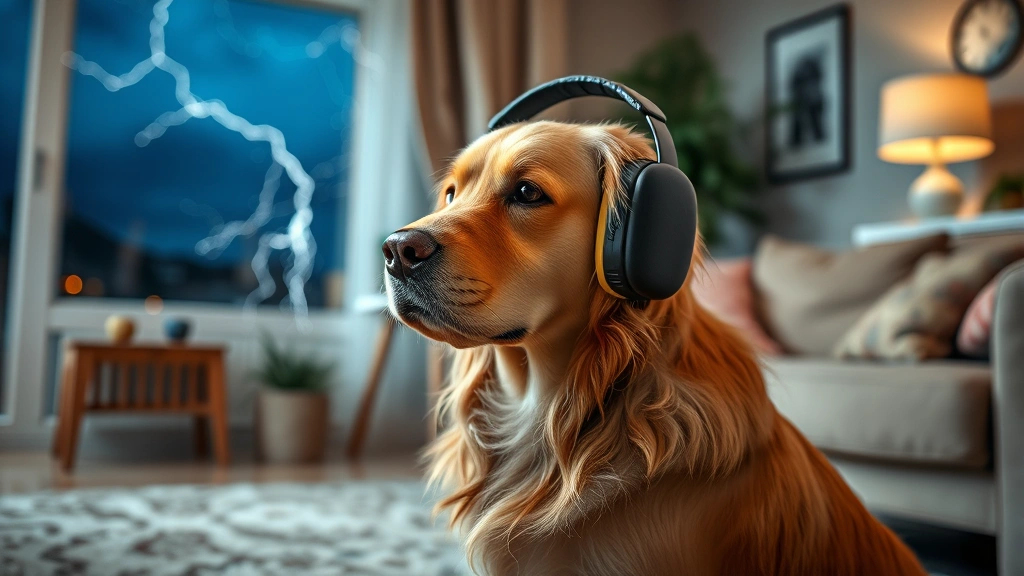
If you’ve ever wondered whether dog ear muffs are actually a thing (spoiler alert: they totally are), you’re not alone. Most pet parents don’t realize their furry friends’ ears are incredibly sensitive to loud noises, and protecting them is just as important as protecting our own hearing. Whether your pup is a nervous wreck during fireworks or you live near an airport, dog ear muffs are a game-changer for noise-sensitive canines.
Table of Contents
- Why Your Dog Needs Ear Protection: The Sound Story
- Understanding Canine Hearing and Noise Sensitivity
- The Top 5 Dog Ear Muffs on the Market
- How to Introduce Dog Ear Muffs to Your Pup
- Protecting Ear Health Beyond Muffs
- Noise-Induced Anxiety and When to Seek Professional Help
- Alternative Noise Protection Strategies
- Seasonal Considerations for Dog Ear Muffs
- Size Matters: Finding the Right Fit
- Frequently Asked Questions
- Conclusion: Investing in Your Dog’s Hearing Health
Why Your Dog Needs Ear Protection: The Sound Story
Dogs hear frequencies up to 65,000 Hz—that’s roughly four times higher than humans. A noise that seems mildly annoying to us can feel absolutely terrifying to our four-legged friends. Fireworks, thunderstorms, construction sites, and even vacuum cleaners can cause genuine distress. Chronic exposure to loud noises can lead to anxiety, hearing loss, and behavioral problems. This is where dog ear muffs come into play. They’re not just a cute accessory; they’re a legitimate protective device that can significantly reduce noise exposure and keep your pup calm during stressful situations.
Understanding Canine Hearing and Noise Sensitivity
Your dog’s hearing sensitivity isn’t just about volume—it’s about frequency range. Dogs are particularly sensitive to high-pitched sounds, which is why a simple whistle can get their attention from blocks away. When exposed to excessive noise, dogs can experience stress-induced behaviors like trembling, hiding, or destructive actions. Some dogs develop noise phobias that last a lifetime. If you notice your pup displaying signs of anxiety during loud events, it’s worth exploring protective solutions like dog ear muffs before the problem escalates.
The Top 5 Dog Ear Muffs on the Market
1. Snug Kids Earmuffs (Adapted for Dogs)
While technically designed for children, many pet parents have successfully adapted standard earmuffs for smaller dog breeds. These offer excellent noise reduction (around 25-31 dB) at an affordable price point. The adjustable headband makes them customizable, though you’ll need to ensure proper fit for your pup’s comfort.
2. Mutt Muffs Dog Hearing Protection
The gold standard in dog ear muffs, Mutt Muffs are specifically engineered for canine anatomy. They reduce noise by approximately 20 dB and come in multiple sizes from tiny toy breeds to large dogs. The padded ear cups and adjustable headband make them surprisingly comfortable, and many dogs tolerate them well after a brief adjustment period.
3. Pro For Sho Dog Ear Muffs
These adjustable dog ear muffs feature soft padding and a secure fit that won’t slip during movement. They’re particularly popular for hunting dogs and work well during thunderstorms. The breathable design prevents overheating, which is crucial for extended wear.
4. Ear Defenders for Dogs by Pawz
Designed with both comfort and functionality in mind, Pawz ear defenders offer noise reduction alongside a stylish appearance. They’re lightweight enough for smaller breeds but sturdy enough for medium-sized dogs. The adjustable straps ensure a secure fit without putting pressure on sensitive ear areas.
5. Snug Puppy Ear Muffs
Specifically designed for puppies and small breeds, Snug Puppy muffs are softer and lighter than standard options. They’re perfect for early noise desensitization training and come in fun colors. Starting your puppy with dog ear muffs early can prevent noise anxiety from developing altogether.
How to Introduce Dog Ear Muffs to Your Pup
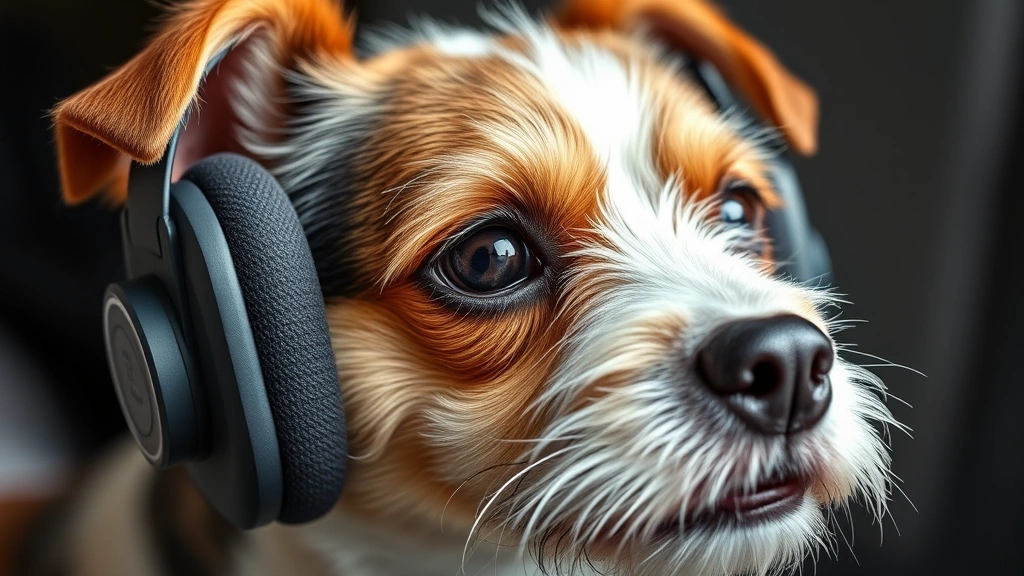
Getting your dog to wear dog ear muffs isn’t always straightforward. Start with short wearing periods in a calm environment—think 5-10 minutes while giving treats and praise. Gradually increase the duration as your dog becomes comfortable. Never force the muffs on during stressful situations; that creates negative associations. Instead, practice during quiet times so your pup views them as a positive thing. Patience is key here. Some dogs take to them immediately, while others need weeks of gentle introduction.
Protecting Ear Health Beyond Muffs
While dog ear muffs are excellent for noise protection, comprehensive ear care matters too. Regular ear cleaning prevents infections like candida in dogs ear, which can cause discomfort and hearing issues. If your dog develops an ear infection, topical treatments like chlorhexidine for dogs can be effective, though always consult your vet first. You might also explore can you use antibiotic ointment on dogs for minor irritations, but professional guidance is essential.
Noise-Induced Anxiety and When to Seek Professional Help
Sometimes dog ear muffs alone aren’t enough, especially if your dog has severe noise phobia. If your pup’s anxiety persists despite protective measures, it’s time to consult your veterinarian. Pet telehealth services make it easier to get professional advice without leaving home. Your vet might recommend anxiety medication, behavior modification training, or a combination approach. There’s no shame in seeking professional help—your dog’s mental health is just as important as their physical health.
Alternative Noise Protection Strategies
Dog ear muffs work best as part of a comprehensive noise management plan. Create a safe space in your home—a room or closet away from windows where outside noise is minimized. Use white noise machines or calming music specifically designed for dogs to mask triggering sounds. Consider products with pheromone-mimicking properties that promote relaxation. Some pet parents swear by anxiety wraps that apply gentle pressure, similar to swaddling. Combining these strategies with dog ear muffs creates a multi-layered defense against noise stress.
Seasonal Considerations for Dog Ear Muffs
Different seasons bring different noise challenges. Summer means fireworks, July 4th celebrations, and thunderstorms. Winter brings holiday festivities and New Year’s Eve parties. Spring might include construction noise as neighborhoods wake up. Understanding your local noise calendar helps you plan ahead. Start introducing dog ear muffs a few weeks before predictable noisy events so your dog is comfortable wearing them when the actual event occurs. This proactive approach significantly reduces stress for both you and your pup.
Size Matters: Finding the Right Fit
Proper fit is crucial for dog ear muffs effectiveness and comfort. Too tight causes discomfort and pressure headaches; too loose means they’ll slip off. Measure your dog’s head circumference and check product sizing guides carefully. Most quality dog ear muffs come in multiple sizes: extra small for toy breeds, small for small-to-medium dogs, medium for medium-to-large breeds, and large for giant breeds. Don’t assume one size fits all—a poorly fitting pair will be abandoned faster than you can say “anxiety meds.” Some brands offer adjustable options that grow with your puppy, making them a worthwhile investment.
Frequently Asked Questions
Are dog ear muffs safe to use regularly?
Yes, quality dog ear muffs are designed for safe, regular use. They don’t damage ears or hearing; they simply reduce noise exposure. However, ensure proper fit to avoid pressure-related discomfort. If your dog shows signs of irritation, remove them and consult your vet.
How long can my dog wear ear muffs?
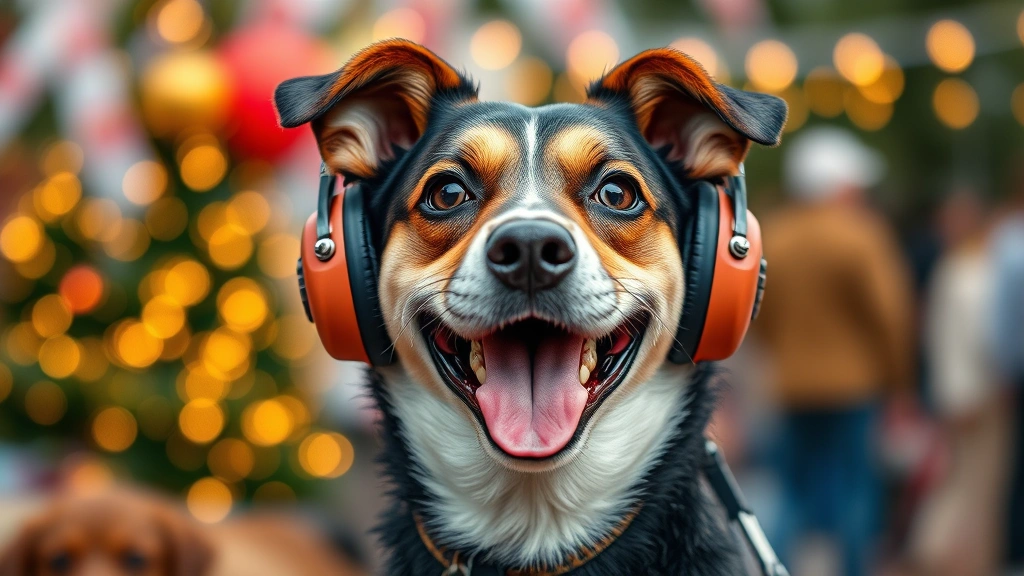
Most dogs can wear dog ear muffs for several hours comfortably, though individual tolerance varies. Start with shorter periods and gradually increase duration. Remove them if your dog shows signs of distress like head shaking or pawing at the muffs.
Do dog ear muffs work for all dog breeds?
Dog ear muffs work best for dogs with standard ear shapes. Breeds with extremely floppy ears or unusual ear structures might find proper fit challenging. Consult product reviews from owners of your breed before purchasing.
Can puppies wear ear muffs?
Absolutely! Starting puppies with dog ear muffs early can prevent noise anxiety from developing. Use appropriately sized puppy muffs and introduce them gradually with positive reinforcement.
What’s the difference between dog ear muffs and regular human earmuffs?
Dog ear muffs are specifically designed for canine ear anatomy, with proper sizing and fit for dog heads. While some people adapt human earmuffs, purpose-built dog ear muffs offer superior comfort and effectiveness.
Should I use ear muffs if my dog has ear infections?
Consult your vet before using dog ear muffs if your dog has active ear infections. In some cases, they might trap moisture and worsen the condition. Your vet can advise based on your dog’s specific situation, especially if treatment like chlorhexidine for dogs is being used.
Conclusion: Investing in Your Dog’s Hearing Health
Dog ear muffs represent a simple yet effective investment in your pet’s long-term well-being. Whether you’re dealing with a noise-phobic rescue, a sensitive senior dog, or a puppy you want to protect from developing anxiety, quality dog ear muffs can make a real difference. The key is finding the right fit, introducing them gradually, and using them consistently during predictable noisy events. Combined with a safe space, calming strategies, and professional help when needed, dog ear muffs are part of a comprehensive approach to protecting your pup’s hearing and mental health. Your dog can’t tell you their ears hurt from loud noises—but their behavior will. Listen to what they’re trying to communicate, and take action to protect those precious ears.





