
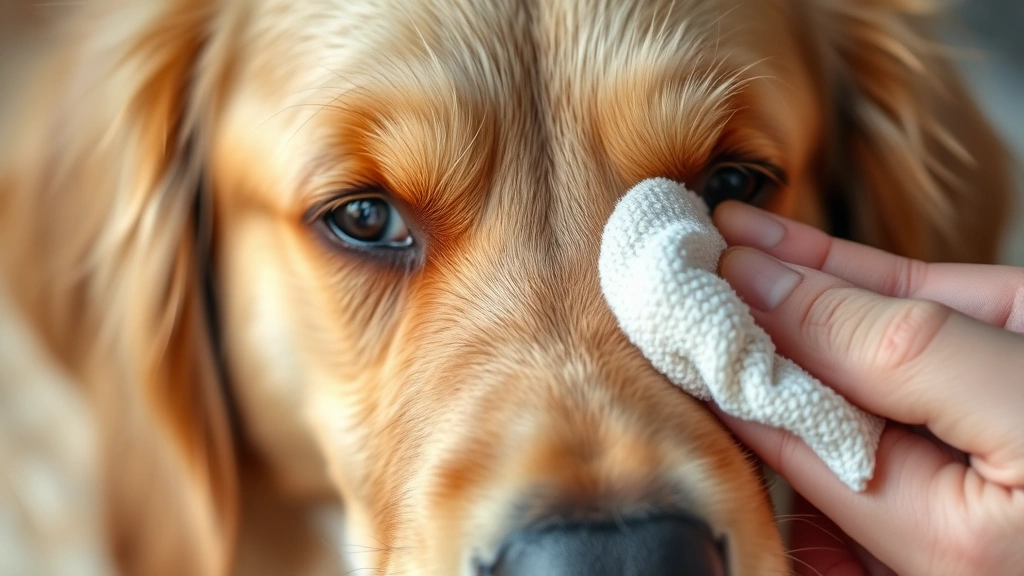
Dog eye boogers treatment doesn’t have to be complicated, and honestly, it’s one of those pet parent problems that keeps us all up at night wondering if Fido’s peepers are okay. Let’s dive into what’s actually going on with those crusty eye gunk situations and how to handle them like a pro.
Table of Contents
- What Are Dog Eye Boogers, Anyway?
- The 5 Proven Methods for Dog Eye Boogers Treatment
- When Dog Eye Boogers Signal Something Serious
- Breed-Specific Eye Booger Tendencies
- Prevention Tips That Actually Work
- The Role of Tear Staining and Discoloration
- Home Remedies Worth Trying
- Frequently Asked Questions
- Summary: Keeping Those Peepers Clear
What Are Dog Eye Boogers, Anyway?
First things first: those crusty bits around your dog’s eyes aren’t just a cosmetic issue (though they’re definitely not winning any beauty contests). Eye discharge in dogs is technically called “ocular discharge,” and it’s basically your pup’s eye’s way of saying something needs attention. The stuff can range from clear and watery to thick and gunky, depending on what’s causing it.
Think of it like this: your dog’s eyes produce tears to keep things moist and healthy. When something irritates the eye—whether it’s allergies, dust, or a legitimate infection—the tear production goes into overdrive, and boom, you’ve got eye boogers. Sometimes it’s totally normal (especially in the morning), but other times it’s your dog’s SOS signal.
The 5 Proven Methods for Dog Eye Boogers Treatment
1. The Warm Compress Method (The Gentle Approach)
This is your go-to first-line defense for mild eye boogers. Grab a clean washcloth, run it under warm (not hot!) water, and gently press it against your dog’s closed eye for about 5-10 minutes. This does two things: it softens the crusty stuff and increases blood flow to promote healing.
The beauty of this method is that it’s basically risk-free. Your dog gets a spa treatment vibe, you get peace of mind, and the eye gunk loosens up naturally. Do this 2-3 times daily for best results. Pro tip: let the compress cool slightly before applying—nobody likes a face full of scalding water, not even dogs.
2. Saline Solution Rinses (The Clinical Classic)
Sterile saline solution is like the Swiss Army knife of dog eye care. You can grab it at any pharmacy, and it’s cheap enough that you won’t feel guilty using it liberally. This method works because saline gently flushes out irritants without damaging the delicate eye tissue.
Here’s the technique: tilt your dog’s head back slightly, pull down the lower eyelid gently, and let a few drops of saline fall into the eye. Let it sit for a second, then use that warm compress to wipe away the loosened gunk. Repeat 2-3 times daily. Your dog might give you the side-eye (pun intended), but they’ll forgive you when the irritation clears up.
3. Dietary Improvements (The Inside-Out Solution)
This is where things get interesting. Sometimes eye boogers aren’t just a surface problem—they’re your dog’s body waving a flag about nutritional deficiencies or inflammation. A quality diet rich in omega-3 fatty acids, antioxidants, and proper hydration can work wonders.
Check out our Pet Nutrition Advice guide to ensure your dog’s getting the good stuff. Foods that support eye health include fish, carrots, and blueberries. If your pup has food allergies, our resource on Human Foods for Pets with Food Allergies can help you navigate what’s safe. Many vets also recommend Bone Broth Recipes for Pets for their anti-inflammatory benefits, which can reduce eye discharge over time.
4. Antibiotic Eye Ointments (When Things Get Serious)
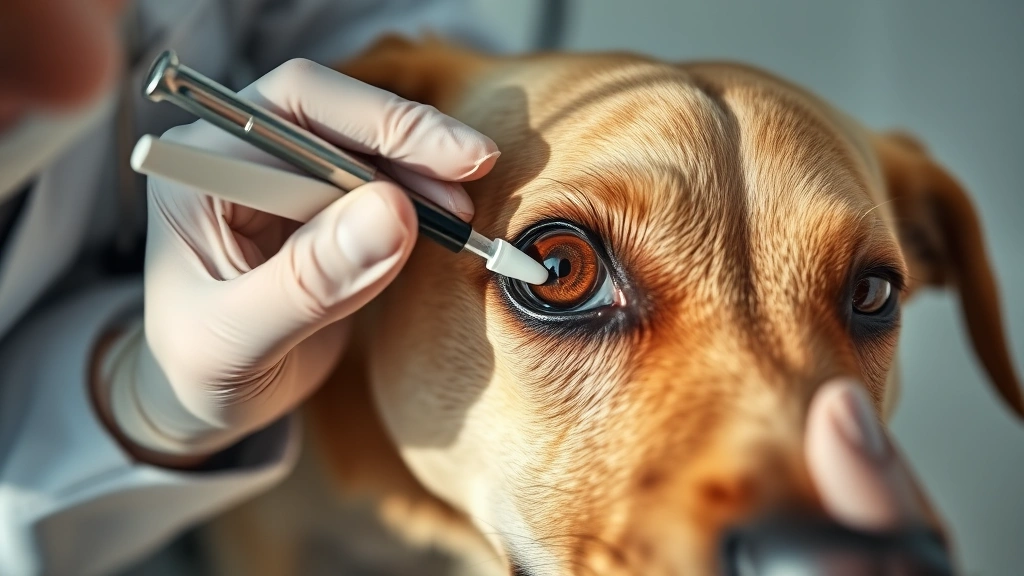
If warm compresses and saline rinses aren’t cutting it after 3-5 days, it’s time to bring in the prescription artillery. Your vet might prescribe antibiotic ointments like tetracycline or chloramphenicol if a bacterial infection is the culprit.
These ointments work by killing bacteria and preventing infection spread. Apply them exactly as your vet directs—usually a small amount in the corner of the eye, 2-4 times daily. The tricky part is keeping your dog from pawing at their eye afterward, so distraction techniques (treats, toys, cuddles) are your friend. Most dogs see improvement within 5-7 days of starting antibiotics.
5. Allergy Management (The Long-Term Play)
If your dog’s eye boogers are chronic and seem to flare up seasonally or after certain activities, allergies are probably the villain here. Environmental allergies, food sensitivities, or contact allergies can all trigger excessive eye discharge.
Work with your vet to identify the specific allergen. This might involve elimination diets, allergy testing, or simply managing environmental triggers (like keeping your pup away from dusty areas). Check out our Skin and Coat Health Foods article for anti-inflammatory dietary options that can help reduce allergic reactions overall.
When Dog Eye Boogers Signal Something Serious
Here’s where I get real with you: not all eye discharge is created equal. Some signs mean you need to call your vet immediately, not tomorrow morning. If your dog’s eye boogers are accompanied by redness, swelling, cloudiness, excessive squinting, or if your dog seems to be in pain, get them checked out ASAP.
Conditions like keratitis, conjunctivitis, or corneal ulcers are no joke and can lead to vision loss if left untreated. Your dog can’t tell you their eye hurts, so you’ve got to be their advocate here.
Breed-Specific Eye Booger Tendencies
Some dog breeds are basically eye booger factories. Poodles, Malteses, and other light-colored dogs with prominent tear ducts are notorious for this. It’s not necessarily a problem—just their genetics. However, keep an eye (sorry, can’t help myself) on these breeds because their tear staining can indicate underlying issues more easily than on darker-furred dogs.
Flat-faced breeds like Bulldogs and Pugs also have eye booger challenges due to their facial structure. Their eyes sit differently, making them more prone to irritation and discharge. Regular cleaning is just part of their grooming routine.
Prevention Tips That Actually Work
An ounce of prevention is worth a pound of eye drops, right? Keep your dog’s eye area clean by wiping away discharge daily with a damp cloth. Make sure their sleeping area is dust-free and well-ventilated. Regular grooming helps prevent hair from irritating the eyes, especially for long-haired breeds.
Also, don’t skip those vet checkups. Your vet can spot early signs of eye issues that you might miss. And seriously, keep your dog’s face out of situations where they’re likely to get dirt, sand, or debris in their eyes. A simple car window ride can introduce irritants.
The Role of Tear Staining and Discoloration
Sometimes what looks like eye boogers is actually tear staining—that reddish-brown discoloration under the eyes. This happens when tears contain porphyrins (iron-containing compounds) that oxidize when exposed to air. It’s more visible on light-colored dogs but happens to all breeds.
While tear staining is usually cosmetic, it can indicate excessive tearing, which might signal an underlying issue. If your dog suddenly has more tear staining than usual, that’s worth investigating with your vet.
Home Remedies Worth Trying
Beyond the five main methods, some home remedies have stood the test of time. Chamomile tea (cooled, of course) can be used as a compress for its anti-inflammatory properties. Some pet parents swear by coconut oil applied around (not in) the eye area for its soothing benefits.
However, and I cannot stress this enough: never put anything directly in your dog’s eye without vet approval. The eye is delicate, and well-intentioned home remedies can sometimes make things worse. When in doubt, call your vet.

Frequently Asked Questions
Is dog eye discharge always a sign of infection?
Nope! Some discharge is completely normal, especially in the morning. However, if it’s excessive, discolored, or accompanied by other symptoms, it’s worth getting checked out. Think of it like this: a little eye crusties in the morning is fine; a constant stream of thick, yellow gunk is not.
How often should I clean my dog’s eyes?
For dogs with chronic eye boogers, daily cleaning is ideal. For dogs with occasional discharge, a few times a week should suffice. If your dog has a clean bill of health from the vet, you can probably just do it as needed.
Can I use human eye drops on my dog?
Absolutely not. Human eye drops contain ingredients that can be harmful to dogs. Always use products specifically formulated for canine eyes, or stick with plain saline solution. Your vet can recommend the best products for your dog’s specific situation.
What’s the difference between eye boogers and tear staining?
Eye boogers are actual discharge from the eye—crusty, sometimes sticky stuff. Tear staining is discoloration caused by tears oxidizing on the fur. They’re different issues, though excessive tearing can lead to both.
How long does it take for dog eye boogers treatment to work?
Mild cases often improve within 3-5 days with consistent home care. Bacterial infections treated with antibiotics typically show improvement within 5-7 days. Chronic issues like allergies might take weeks or months to resolve as you identify and manage the underlying cause.
Should I be worried if my dog’s eyes are watery?
Occasional watery eyes are normal, especially after play or naps. Persistent excessive tearing warrants a vet visit, as it can indicate allergies, blocked tear ducts, or infections. Your vet can determine if it’s just your dog being emotional or something more serious.
Summary: Keeping Those Peepers Clear
Dog eye boogers treatment is usually straightforward and manageable with a combination of home care and professional guidance. Start with warm compresses and saline rinses, make sure your pup’s getting quality nutrition, and don’t hesitate to involve your vet if things don’t improve quickly.
Remember, your dog’s eyes are precious—they’re how they see the world and communicate with you. Taking care of them is just part of being a responsible pet parent. Most eye booger situations are minor and easily resolved, but staying vigilant and proactive keeps your dog comfortable and healthy.
Whether you’re dealing with seasonal allergies, breed-specific tear staining, or a temporary irritation, the methods outlined here should help you tackle the problem confidently. And if you’re ever unsure, your vet is just a phone call away. Here’s to clear, healthy eyes for your furry friend!





