
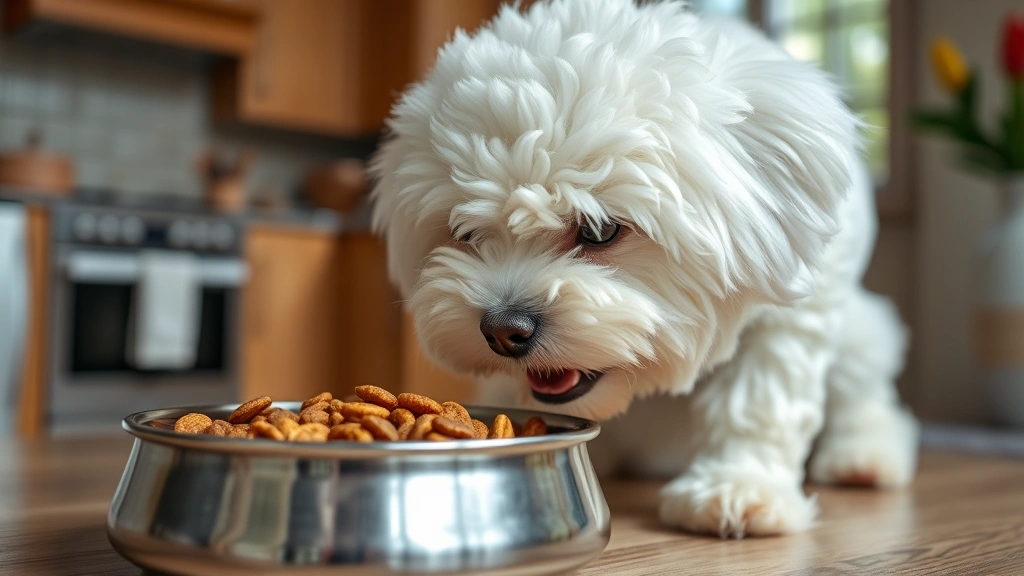
Finding the right dog food for bichon frise can feel like navigating a minefield of marketing fluff and conflicting advice. These adorable, fluffy little companions deserve nutrition that keeps their signature white coats pristine and their energy levels bouncing off the walls. But here’s the thing—not all dog foods are created equal, and Bichons have some pretty specific dietary needs that set them apart from your average pooch.
Table of Contents
- Why Bichons Need Special Nutritional Consideration
- The Essential Nutrients Every Bichon Needs
- Best Commercial Dog Food Options for Bichons
- Understanding Ingredient Labels Like a Pro
- Wet Food vs. Dry Kibble: Which Works Best?
- Portion Control and Feeding Schedules for Small Breeds
- Treats and Supplements for Coat Health
- Common Dietary Issues and Solutions
- Transitioning to a New Food Successfully
- Budget-Friendly Options Without Sacrificing Quality
- Foods to Absolutely Avoid
- Frequently Asked Questions
- Final Thoughts on Nourishing Your Bichon
Why Bichons Need Special Nutritional Consideration
Bichon frises are small breed dogs with big personalities and equally big nutritional requirements. These pint-sized pups typically weigh between 12-18 pounds, but don’t let their size fool you. They’re active, intelligent, and prone to certain health issues that make diet absolutely critical. Their luxurious white coat isn’t just for show—it requires specific nutrients to maintain that fluffy, healthy appearance. Without proper nutrition, you’ll notice dull fur, excessive shedding, and potential skin irritation.
The breed is also susceptible to dental problems, obesity, and joint issues, which means their bichon frise nutrition needs to be carefully balanced. You’re not just feeding a dog; you’re maintaining a living, breathing fluffball that depends on you for optimal health.
The Essential Nutrients Every Bichon Needs
Before diving into specific food recommendations, let’s talk about what makes a diet work for Bichons. These little dogs need high-quality protein—at least 18-25% for adults—to maintain muscle mass and support their active lifestyle. Fats are equally important, particularly omega-3 and omega-6 fatty acids, which are non-negotiable for coat health and skin condition.
Carbohydrates should come from whole grains or vegetables rather than fillers. Bichons also benefit from added probiotics and fiber for digestive health, and don’t overlook the importance of proper calcium and phosphorus ratios for bone development and maintenance. Antioxidants like vitamin E and beta-carotene help support immune function and coat quality.
Check out our guide on pet food safety to ensure whatever you choose meets safety standards.
Best Commercial Dog Food Options for Bichons
Let’s get into the good stuff—actual food recommendations that Bichon owners swear by. When shopping for small breed dog food for bichons, look for brands that prioritize meat-based proteins and avoid excessive fillers.
Option 1: Royal Canin Bichon Frise Adult tops the list because it’s literally formulated for this breed. The kibble size is perfect for their small mouths, and the formula includes specific nutrients for coat health. It’s pricey, but many owners find the investment worthwhile for visible coat improvement within weeks.
Option 2: Orijen Small Breed offers high protein content (38%) with meat-based ingredients and minimal carbs. This grain-free option works wonderfully for Bichons with sensitive stomachs, though it’s rich, so portion control matters.
Option 3: Taste of the Wild High Prairie provides excellent protein from multiple meat sources with added probiotics. The formula includes sweet potato and vegetables for balanced nutrition without breaking the bank.
Option 4: Wellness CORE Grain-Free Small Breed combines high-quality proteins with omega fatty acids specifically chosen for coat health. Many Bichon owners report shinier, fuller coats within a month of switching to this brand.
Option 5: Merrick Grain-Free Small Breed uses real meat as the first ingredient and includes added glucosamine for joint support. The recipe rotations keep meals interesting and provide nutritional variety.
Understanding Ingredient Labels Like a Pro
Reading dog food labels should be your superpower. The first three ingredients matter most, and they should be recognizable protein sources—chicken, beef, fish, or lamb. Avoid foods listing corn, wheat, or soy as primary ingredients. These fillers provide minimal nutritional value and can trigger digestive issues in sensitive Bichons.
Look for whole meat sources rather than meat by-products or meat meals. While meat meals are concentrated protein sources and not inherently bad, whole meats provide better amino acid profiles. Avoid artificial colors, flavors, and preservatives. Your Bichon’s coat will thank you for choosing foods with natural preservatives like vitamin E instead of BHA, BHT, or ethoxyquin.
Wet Food vs. Dry Kibble: Which Works Best?
This debate rages in dog owner circles, but here’s the reality: the best food is the one your Bichon thrives on. Dry kibble offers convenience, supports dental health through chewing action, and costs less per serving. Wet food provides higher moisture content, which benefits dogs who don’t drink enough water, and often contains fewer fillers.

Many Bichon owners find a combination works best—mixing high-quality kibble with occasional wet food meals or broth toppers. This approach keeps meals interesting while maintaining nutritional balance. Just ensure any wet food additions don’t exceed 10% of daily caloric intake to avoid nutritional imbalances.
Portion Control and Feeding Schedules for Small Breeds
Bichons are notorious for their ability to pack on pounds, and obesity significantly impacts their health and lifespan. Adult Bichons typically need 400-600 calories daily, depending on activity level, age, and metabolism. Use your dog’s body condition as a guide—you should be able to feel ribs without seeing them prominently.
Divide daily portions into two meals rather than one large feeding. This approach stabilizes blood sugar, aids digestion, and helps prevent bloat. Puppies need more frequent feeding—three to four meals daily until six months old, then transition to twice daily. Senior Bichons (over seven years) may benefit from smaller, more frequent meals to aid digestion and maintain steady energy.
Learn more about weight management by reading our article on obesity and human food treats to understand how treats impact overall nutrition.
Treats and Supplements for Coat Health
Treats should comprise no more than 10% of daily calories, but they’re valuable training tools and bonding opportunities. Choose treats that support coat health—those containing omega fatty acids, protein, and natural ingredients. Avoid treats with excessive salt, sugar, or artificial ingredients.
Fish oil supplements are game-changers for Bichon coat quality. A small dose of quality fish oil supports skin health and enhances coat shine dramatically. Probiotics aid digestive health and nutrient absorption, while glucosamine supports joint health in aging Bichons. Always consult your veterinarian before adding supplements to ensure appropriate dosing for your specific dog.
Check out our safe human snacks for pets guide to learn which table foods work as occasional treats.
Common Dietary Issues and Solutions
Bichons frequently develop food sensitivities, with chicken and wheat being common culprits. If your dog exhibits itching, ear infections, or digestive upset, consider elimination diets or limited ingredient formulas. Switching foods gradually over 7-10 days prevents digestive distress—mix increasing amounts of new food with old food to allow their system to adjust.
Dental health matters tremendously in this breed. Dry kibble promotes chewing and helps prevent tartar buildup, while wet food requires more diligent dental care. Some owners supplement with dental treats or water additives to maintain oral health alongside proper nutrition.
Always consult your veterinarian if you notice changes in appetite, digestion, coat quality, or energy levels. These can indicate food sensitivities, underlying health issues, or nutritional imbalances requiring professional guidance.
Transitioning to a New Food Successfully
Switching bichon dog food requires patience and strategy. Sudden dietary changes cause digestive upset, diarrhea, and vomiting. Start by mixing 25% new food with 75% old food for 2-3 days, then move to 50/50 for another 2-3 days, followed by 75% new food with 25% old for 2-3 days before transitioning completely.
Some Bichons need even longer transitions—up to two weeks—especially if they have sensitive stomachs. Monitor stools, appetite, and energy levels throughout the process. If digestive issues persist beyond the transition period, the food may not be suitable for your individual dog.
Budget-Friendly Options Without Sacrificing Quality
Premium nutrition doesn’t always mean premium prices. Store brands from reputable pet retailers often match or exceed name-brand formulas at lower costs. Buy in bulk when possible, compare price-per-serving rather than package price, and watch for sales on high-quality brands.
Avoid the cheapest options—they typically contain more fillers, lower-quality proteins, and fewer essential nutrients. You’ll actually save money long-term through fewer vet visits, better digestion, and reduced food waste. Your Bichon’s health is worth the investment.
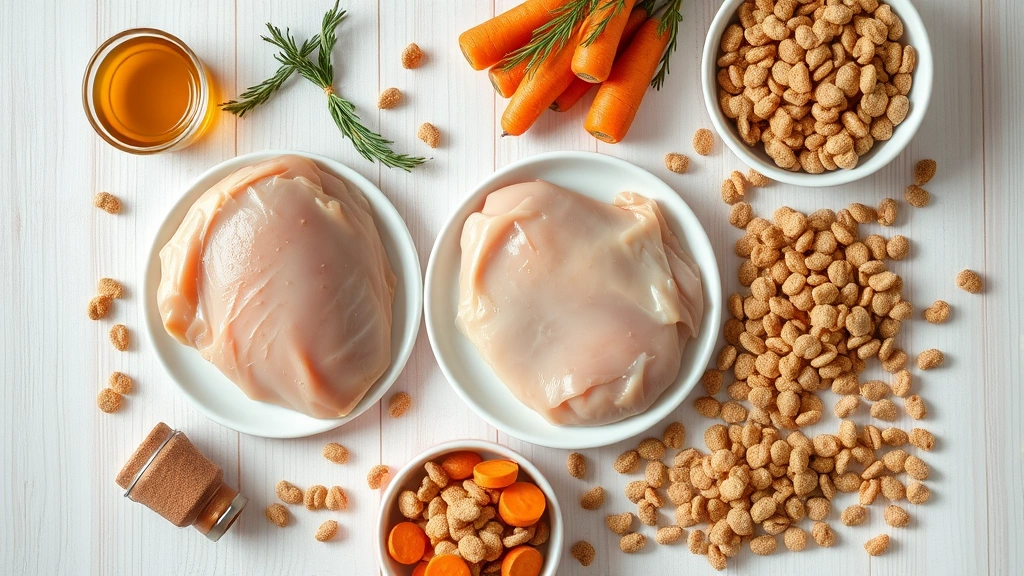
For creative, budget-friendly supplement options, explore our limited ingredient treat recipes to make nutritious snacks at home.
Foods to Absolutely Avoid
Certain foods are toxic to dogs and should never reach your Bichon’s bowl. Chocolate, grapes, raisins, onions, garlic, avocado, and foods containing xylitol are poisonous. Macadamia nuts and fatty foods can cause pancreatitis. Raw dough, alcohol, and anything with excessive salt or sugar belong nowhere near your pup.
Even seemingly innocent human foods can cause problems. Dairy products, while not toxic, often cause digestive upset in dogs. Bones can splinter and cause intestinal blockages. When in doubt, check our comprehensive guide on harmful foods for dogs before sharing anything from your plate.
Frequently Asked Questions
How much should I feed my adult Bichon daily?
Most adult Bichons thrive on 400-600 calories daily, split into two meals. The exact amount depends on age, activity level, metabolism, and food caloric density. Check your chosen food’s feeding guidelines and adjust based on your dog’s body condition. If ribs aren’t easily felt, reduce portions; if ribs are too prominent, increase slightly.
Can Bichons eat grain-free dog food?
Yes, many Bichons thrive on grain-free formulas, especially those with sensitivities. However, grain-free isn’t inherently superior—some Bichons do perfectly fine with grains. The key is choosing whole grains like brown rice or oats over fillers. If your Bichon shows no sensitivity signs, grain-inclusive foods are perfectly acceptable and often more affordable.
What’s the best food for a Bichon with sensitive skin?
Limited ingredient diets or hydrolyzed protein formulas work best for sensitive Bichons. Start with single protein sources—duck, venison, or fish—to identify triggers. Omega-3 and omega-6 fatty acids are essential for skin health. Probiotics and digestive enzymes support nutrient absorption. Consider adding fish oil supplements after consulting your vet.
How do I know if my Bichon’s food is working?
A good diet produces healthy stools (firm, not loose or constipated), a shiny coat, clear eyes, and consistent energy levels. Your Bichon should maintain ideal weight without excessive hunger or weight gain. Skin should be clear without excessive itching or flaking. If you notice dull coat, digestive issues, or behavioral changes, the food may not be suitable.
Should I give my Bichon puppy different food than an adult?
Absolutely. Puppies need more calories, higher protein percentages, and specific calcium-phosphorus ratios for proper bone development. Use puppy-formulated foods until your Bichon reaches adulthood (around 12 months). Transition gradually to adult formulas to avoid digestive upset and support proper growth without overfeeding.
Are prescription diets necessary for healthy Bichons?
Healthy Bichons don’t require prescription diets, but they’re valuable for dogs with specific health conditions like allergies, kidney disease, or diabetes. Work with your veterinarian to determine if prescription nutrition is necessary. High-quality commercial diets often provide adequate nutrition for healthy dogs at lower costs.
Final Thoughts on Nourishing Your Bichon
Choosing the right dog food for bichon frise is one of the most important decisions you’ll make as a pet parent. These fluffy companions depend on you to provide nutrition that supports their health, maintains their beautiful coats, and keeps them thriving for years to come. There’s no one-size-fits-all answer—what works perfectly for one Bichon might not work for another.
Start by assessing your individual dog’s needs, consulting your veterinarian, and paying attention to how they respond to different foods. Monitor coat quality, digestive health, energy levels, and overall well-being. Don’t hesitate to switch foods if something isn’t working, but always transition gradually to avoid digestive upset.
Remember that diet is just one piece of the health puzzle. Regular exercise, dental care, veterinary checkups, and plenty of love matter just as much as nutrition. Feed your Bichon with intention, choose quality ingredients, and watch your fluffy friend flourish. Your investment in proper nutrition today pays dividends in healthier, happier years together.





