

If you’ve got a dog that turns their nose up at perfectly good kibble like it’s yesterday’s garbage, you’re not alone—and honestly, your pup might just be a canine food critic in disguise. Dog food for picky eaters doesn’t have to be a frustrating guessing game of trial and error. Whether your furry friend is being a finicky diva or has legitimate digestive concerns, we’ve got solutions that actually work.
Table of Contents
- Why Is Your Dog Being Such a Picky Eater?
- Solution #1: Switch to High-Protein, High-Quality Kibble
- Solution #2: Add Wet Food or Toppers to Make Kibble Irresistible
- Solution #3: Rotate Between Different Protein Sources
- Solution #4: Try Fresh or Raw Food Options
- Solution #5: Use Feeding Strategies That Encourage Appetite
- The Role of Supplements and Appetite Stimulants
- When to Worry: Red Flags Your Dog’s Pickiness Isn’t Normal
- Making Mealtime Training Treats Count
- Combining Solutions for Maximum Success
- Summary: Your Action Plan for Picky Eaters
- Frequently Asked Questions
Why Is Your Dog Being Such a Picky Eater?
Before we dive into solutions, let’s talk about why Fido is rejecting dinner like it’s an insult to his palate. Some dogs are naturally more selective about what they eat—it’s partly genetics and partly learned behavior. But here’s the thing: sometimes picky eating signals something deeper, like food sensitivities, dental issues, or even boredom with the same old kibble.
The trick is figuring out if your dog is genuinely finicky or if there’s a health issue lurking beneath those rejected meals. A quick chat with your vet can rule out medical problems and give you peace of mind.
Solution #1: Switch to High-Protein, High-Quality Kibble
Your dog’s taste buds aren’t that different from yours—they want food that actually tastes good. Premium kibbles with higher protein content and real meat as the first ingredient tend to be way more appealing to picky eaters than budget brands filled with fillers and by-products.
Look for brands that list actual meat (chicken, beef, fish) rather than vague terms like “meat meal” or “animal by-products.” The difference in palatability is night and day. High-quality kibble also tends to be more digestible, which means your dog’s body actually wants to eat it because it feels good in their stomach.
Pro tip: transition slowly over 7-10 days when switching foods. A sudden change can upset their stomach and make them even more resistant to eating.
Solution #2: Add Wet Food or Toppers to Make Kibble Irresistible
Sometimes all your picky eater needs is a little pizzazz. Adding a spoonful of wet food, bone broth, or a quality food topper can transform boring kibble into something worth actually eating. It’s like adding sauce to plain rice—suddenly it’s a meal worth having.
You don’t need to go crazy here. Even mixing in a tablespoon of plain cooked chicken, pumpkin puree, or a splash of low-sodium bone broth can make kibble way more appealing. This approach also works great if your dog has human foods for pets with sensitive stomachs concerns—you control exactly what goes into their bowl.
The key is keeping portions reasonable so you’re not accidentally overfeeding or creating a picky monster who only eats kibble with toppings.
Solution #3: Rotate Between Different Protein Sources
Imagine eating the exact same meal every single day for a year. Yeah, you’d get bored too. Dogs experience menu fatigue just like we do. Rotating between different protein sources—chicken one week, beef the next, then fish—keeps meals interesting and prevents your dog from getting tired of the same old thing.
Rotating proteins also has a bonus benefit: it reduces the likelihood of developing food sensitivities. When your dog eats the same protein repeatedly, their digestive system can become reactive to it. Variety is literally the spice of life, even for dogs.
Just make sure you’re rotating between high-quality options and doing it gradually to avoid digestive upset. Your picky eater might finally start looking forward to mealtime.
Solution #4: Try Fresh or Raw Food Options
Fresh or raw diets have become increasingly popular for picky eaters, and there’s a reason why: they smell and taste like actual food. If your dog is turning their nose up at processed kibble, a fresh food diet might be the game-changer you need.
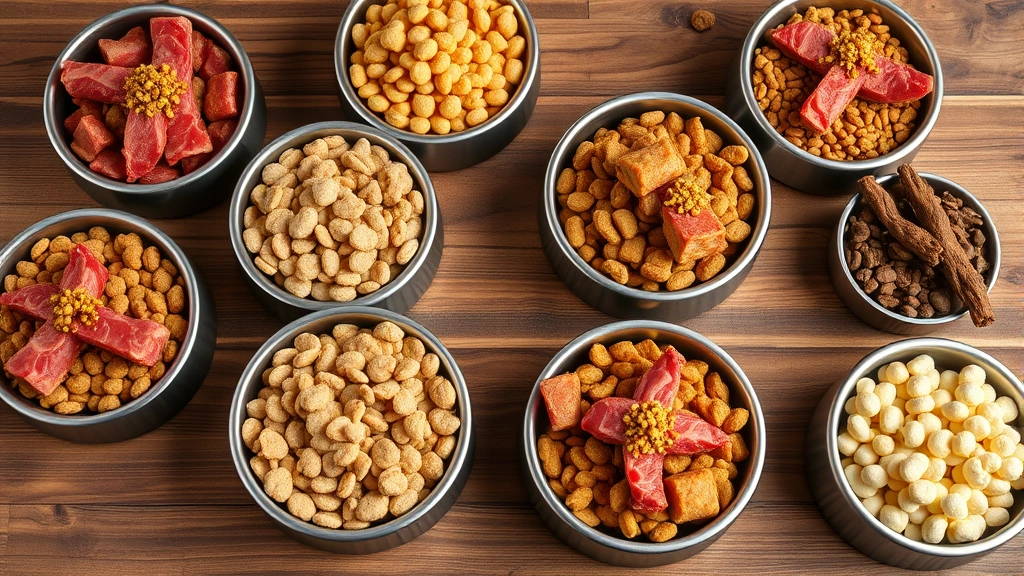
Options include commercially prepared fresh food (available at most pet stores), raw diets, or even home-cooked meals designed by a veterinary nutritionist. These options are typically more expensive than kibble, but if your dog is truly struggling with standard food, it might be worth the investment.
Before going full fresh food, talk to your vet about pet nutrition advice specific to your dog’s needs. You want to make sure whatever diet you choose is nutritionally complete and balanced.
Solution #5: Use Feeding Strategies That Encourage Appetite
Sometimes the problem isn’t the food—it’s how you’re serving it. Dogs are motivated by novelty and challenge, which is why puzzle feeders and slow-feeder bowls can actually increase interest in eating. It taps into their natural hunting instincts and makes mealtime feel less like a chore and more like an adventure.
Another strategy: feed your dog at specific times rather than leaving food out all day. When your picky eater knows food is only available for 15-20 minutes, they’re more likely to eat it. This also helps you monitor their intake and catch any real appetite changes that might signal health issues.
Environmental factors matter too. Some dogs eat better in quiet spaces away from distractions or other pets. Experiment with feeding location and see if a change of scenery helps.
The Role of Supplements and Appetite Stimulants
If your dog is still refusing food after trying these solutions, supplements and appetite stimulants might help. Fish oil, probiotics, and digestive enzymes can improve food palatability and digestive health. Some vets also recommend appetite-stimulating supplements for genuinely picky eaters.
However, supplements should be a last resort, not a first solution. Work with your vet to identify any underlying issues before adding supplements to the mix. A picky eater with an undiagnosed health problem won’t benefit from supplements alone.
When to Worry: Red Flags Your Dog’s Pickiness Isn’t Normal
Picky eating becomes a concern when it’s accompanied by other symptoms like weight loss, lethargy, vomiting, or diarrhea. These signs suggest something medical is going on, not just finicky taste preferences.
If your dog suddenly stops eating foods they previously loved, that’s also a red flag worth investigating. Sudden appetite changes can indicate dental disease, gastrointestinal issues, or other health problems that need professional attention.
Don’t ignore persistent picky eating. A vet checkup costs way less than treating a serious health condition that went undiagnosed because you assumed your dog was just being difficult.
Making Mealtime Training Treats Count
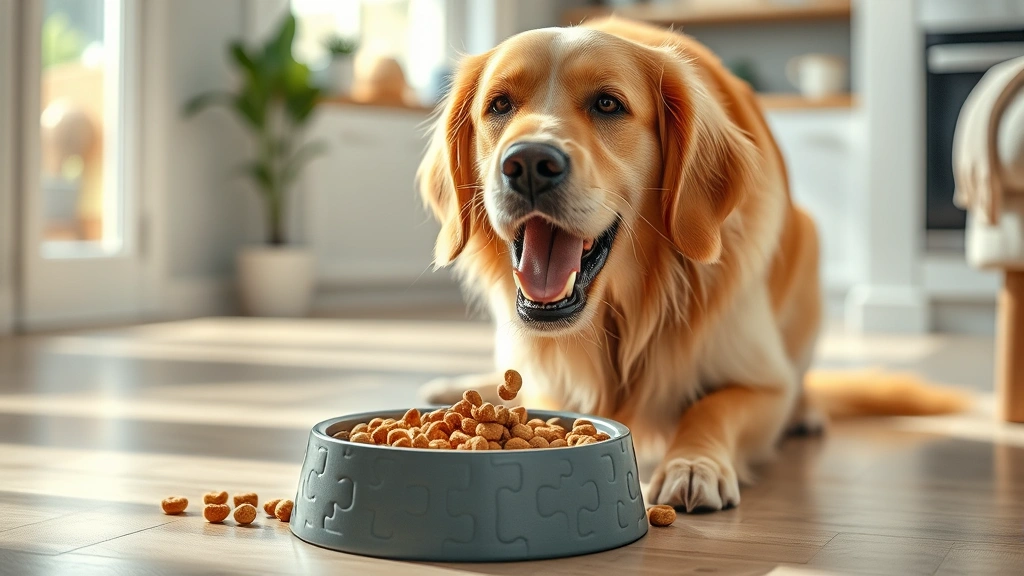
Here’s a pro move: use mealtime as training opportunity. Dogs are more motivated to eat when there’s a game involved. You can turn kibble into training treats from human food or use a portion of their daily kibble during training sessions.
This approach serves double duty—your dog gets fed while also getting mental stimulation and positive reinforcement. Plus, it makes them associate eating with good things happening, which can improve their overall appetite and enthusiasm for meals.
Combining Solutions for Maximum Success
The most effective approach usually involves combining multiple solutions. Maybe your dog needs premium kibble with occasional fresh food toppers, rotated protein sources, and a puzzle feeder to keep things interesting. Every picky eater is different, so what works for your neighbor’s dog might not work for yours.
Start with one change at a time so you can actually tell what’s making a difference. Give each solution at least 2-3 weeks before deciding it’s not working. Dogs need time to adjust to changes, and patience pays off.
For additional guidance on incorporating whole foods into your dog’s diet, check out our guide on human food alternatives for pets and our resource on healthy snack alternatives for dogs.
Summary: Your Action Plan for Picky Eaters
Dealing with a picky eater is frustrating, but it’s definitely solvable. Start by ruling out health issues with your vet, then experiment with higher-quality kibble, fresh toppers, protein rotation, and feeding strategies that make mealtime more engaging. Most dogs respond well to a combination of these approaches within a few weeks.
Remember: your dog isn’t trying to drive you crazy. They’re communicating that something about their current food situation isn’t working for them. Listen to that feedback, make adjustments, and you’ll likely find a solution that has your picky eater actually excited about meals again.
Frequently Asked Questions
How long does it take to see results when switching dog food?
Most dogs adjust to a new food within 2-3 weeks, though some take longer. You should see appetite improvement within the first week if the new food is genuinely more appealing. If your dog still isn’t eating after 3 weeks, try a different approach or consult your vet.
Is it okay to hand-feed a picky eater?
Hand-feeding occasionally is fine, but making it a habit can reinforce picky eating behavior. Your dog learns that refusing food gets them special attention, which defeats the purpose. Use hand-feeding as an occasional training tool, not a daily feeding method.
Can picky eating be a sign of a serious health problem?
Absolutely. Sudden appetite loss, especially when accompanied by other symptoms, can indicate dental disease, gastrointestinal issues, infections, or more serious conditions. If your dog’s picky eating is new or worsening, get them checked by a vet.
What’s the best food for dogs with sensitive stomachs who are also picky eaters?
Limited ingredient diets with novel proteins (like duck or venison) work well for picky eaters with sensitive stomachs. These foods are easier to digest while being more interesting than standard chicken-based kibbles. Always transition slowly and consider consulting a vet nutritionist.
Should I use appetite-stimulating medications for my picky dog?
Appetite stimulants should only be used under veterinary supervision and typically only after other causes have been ruled out. They’re meant as a temporary solution, not a long-term fix. Work with your vet to address the underlying issue rather than just masking the symptom.





