
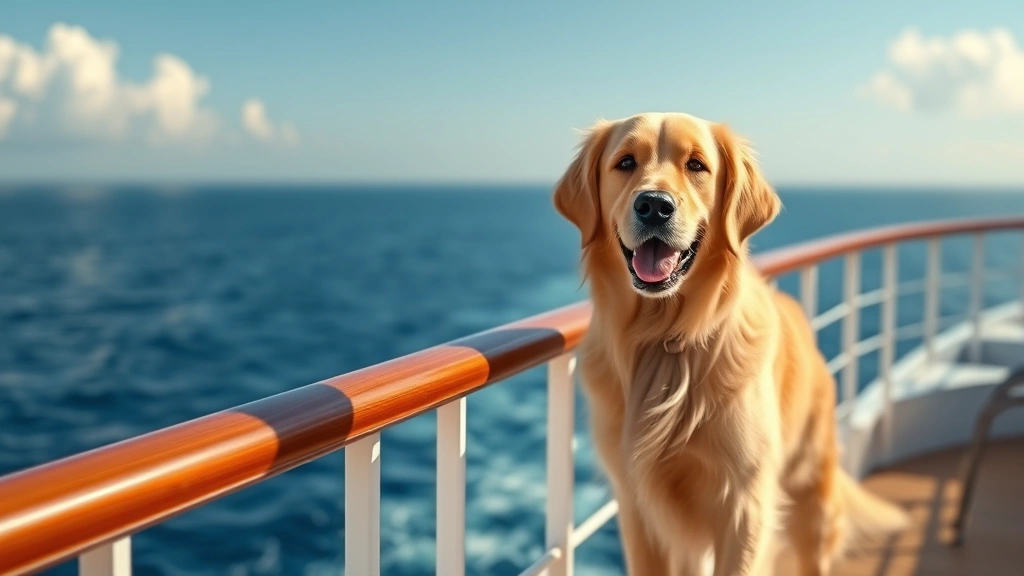
Dog friendly cruises are becoming the ultimate vacation hack for pet parents who refuse to leave their furry best friends behind. Imagine sailing the open seas with your pup by your side, minus the guilt of boarding them at a kennel. Yes, it’s actually possible, and honestly, it’s way more fun than you’d think.
Table of Contents
- Why Dog Friendly Cruises Are Game-Changers for Pet Parents
- Which Cruise Lines Accept Dogs and Pets
- Understanding Pet Policies and Booking Requirements
- Preparing Your Dog for Life at Sea
- What to Pack for Your Canine Cruise Companion
- Onboard Amenities and Pet Relief Areas
- Managing Pet Dietary Needs While Cruising
- Health and Safety Considerations for Sailing Dogs
- Port Days: Exploring with Your Furry First Mate
- Costs Associated with Dog Friendly Cruises
- Alternative Options: River Cruises and Specialty Pet Cruises
- Frequently Asked Questions
- Summary: Making Dog Friendly Cruises Work for Your Family
Why Dog Friendly Cruises Are Game-Changers for Pet Parents
Let’s be real: leaving your dog behind sucks. You spend half the vacation wondering if Fido is eating enough, sleeping okay, or plotting revenge for your betrayal. With dog friendly cruises, you get the best of both worlds. Your pup gets a vacation too, and you avoid that awkward moment of explaining to your dog why you’re leaving without them.
The cruise industry has finally caught up to what pet parents have known forever—dogs make everything better. Major cruise lines now offer pet-friendly accommodations, making it possible to experience ocean travel with your four-legged companion. Whether you have a tiny Chihuahua or a massive Great Dane, there’s likely a cruise option that welcomes your pooch.
Which Cruise Lines Accept Dogs and Pets
Not all cruise lines are created equal when it comes to canine passengers. Currently, only a handful of major cruise lines offer pet accommodations. Cunard’s Queen Mary 2 is the most famous for accepting dogs, offering kennels and pet relief areas. Norwegian Cruise Line has also expanded their pet-friendly policies on select ships. Some boutique cruise operators cater specifically to pet owners, making them excellent alternatives.
Before booking, always check the specific ship and itinerary, as pet policies vary significantly. Some ships offer only transatlantic crossings with pet services, while others have more limited options. It’s worth calling the cruise line directly to confirm current pet policies, as these can change seasonally.
Understanding Pet Policies and Booking Requirements
Booking a dog friendly cruise requires more planning than a standard vacation. Most cruise lines require advance notice of your pet’s travel, usually 30-60 days before departure. You’ll need to provide vaccination records, proof of health, and sometimes a health certificate from your veterinarian. Some lines charge pet fees ranging from $100 to $500 per crossing.
Documentation is crucial. Your dog will need current rabies vaccination, and many cruise lines require a health certificate dated within 10 days of travel. If your pup has any behavioral issues, disclose them upfront. Cruise lines take pet safety seriously, and aggressive dogs may be denied boarding. Consider scheduling a virtual pet checkup before your trip to ensure your dog is travel-ready.
Preparing Your Dog for Life at Sea
Cruising is a different experience for dogs, and preparation makes all the difference. Start by acclimating your pup to confined spaces if they’re used to roaming freely. Practice short car rides to get them comfortable with motion, since ships rock differently than vehicles. Some dogs get seasickness just like humans, so consult your vet about preventative options.
Training is essential. Your dog should respond reliably to basic commands and be comfortable with strangers, since ship staff will interact with your pet. If your dog has separation anxiety, work on crate training before the cruise. Most kennels on ships are small, and a dog that panics in confined spaces won’t have a good time.
What to Pack for Your Canine Cruise Companion
Packing for your dog requires strategic thinking. Bring enough of their regular food for the entire trip—don’t assume you can find their specific brand at ports. Check our guide on pet food safety during travel for proper storage tips. Pack medications in original containers with clear labels, plus a backup supply.
Essential items include: leash and collar (preferably a harness too), ID tags with your cabin number, favorite toys, bedding that smells like home, grooming supplies, and any comfort items your pup loves. Bring more waste bags than you think you’ll need—cruise ships can charge for extras. A life jacket is smart for deck time, even if your dog is a strong swimmer. Ocean water is different from pools, and unexpected waves happen.

Onboard Amenities and Pet Relief Areas
Quality dog friendly cruises offer dedicated pet relief areas, usually on open deck spaces. These are typically available multiple times daily, with staff assistance. The Queen Mary 2, for example, has a designated pet area where dogs can exercise under supervision. Some ships provide grooming services and pet-sitting options if you want to enjoy dinner without your pup.
Ask about your ship’s specific pet amenities when boarding. Some vessels offer pet beds, food bowls, and water stations in kennels. Others are more basic. Understanding what’s provided helps you pack accordingly. Your dog will spend significant time in their kennel, so comfort matters.
Managing Pet Dietary Needs While Cruising
Maintaining proper nutrition is critical during your voyage. Bring your dog’s regular food in sealed containers to prevent spoilage and contamination. If your pup has pet dietary restrictions, pack extra to ensure you never run out. Ocean voyages mean limited access to specialty pet foods.
Establish a feeding schedule and stick to it religiously. Routine helps dogs feel secure in unfamiliar environments. If your dog experiences digestive upset from the motion or stress, consult the ship’s medical staff or when to call the vet about food concerns. Keep fresh water available constantly, as ship air can be dry and dehydrating.
Health and Safety Considerations for Sailing Dogs
Ocean travel poses unique health risks for dogs. Saltwater exposure can irritate skin and eyes, so rinse your pup after any ocean contact. The constant motion can trigger nausea, and some dogs develop anxiety in enclosed spaces. Monitor your dog for signs of stress: excessive panting, pacing, loss of appetite, or behavioral changes warrant attention.
Bring a pet first-aid kit and medications for common issues like diarrhea or anxiety. Most cruise ships have medical facilities, but they may not stock veterinary supplies. Research port cities along your route and locate emergency veterinary clinics—you never know when you’ll need one. Travel insurance that covers pets is worth considering for international voyages.
Port Days: Exploring with Your Furry First Mate
One advantage of dog friendly cruises is exploring ports with your companion. However, not all destinations welcome dogs equally. Research pet policies at each port beforehand. Some ports have strict quarantine requirements or prohibit dogs entirely. Others have beautiful pet-friendly areas perfect for exploration.
When docking, keep your dog on a short leash and stay aware of local wildlife, unfamiliar dogs, and cultural differences regarding pets. Some countries view dogs differently than North America. Always ask permission before approaching other animals, and respect local customs. Your dog’s safety depends on your vigilance in unfamiliar environments.
Costs Associated with Dog Friendly Cruises
Budget realistically for cruising with your canine companion. Pet fees typically range from $100 to $500 per crossing, depending on the cruise line and voyage length. Some lines charge per day, while others charge flat rates. Add costs for pet supplies, potential veterinary care, and any pet-sitting services onboard.
Compare total costs with traditional boarding options. Sometimes a dog friendly cruise costs less than high-end kennels, especially for longer vacations. The emotional benefit of having your dog with you is priceless, but the financial investment is real. Factor in all expenses before booking.

Alternative Options: River Cruises and Specialty Pet Cruises
If major cruise lines don’t appeal to you, explore alternatives. River cruises sometimes accommodate small dogs, offering a calmer experience than ocean voyages. Specialty pet cruises cater exclusively to animal lovers, creating a community of like-minded travelers. These often feature pet-themed activities and onboard experts discussing pet care.
Some travel companies partner with pet-friendly hotels at ports, creating curated vacations for pet parents. These experiences may cost more but offer personalized service and guaranteed pet-friendly accommodations throughout your journey. Research niche cruise operators for unique opportunities.
Frequently Asked Questions
Can all dog breeds cruise?
Most cruise lines accept dogs of various sizes, but brachycephalic breeds (flat-faced dogs like Bulldogs and Pugs) may face restrictions due to breathing difficulties in confined spaces. Always confirm your specific breed’s eligibility with the cruise line before booking.
What if my dog gets seasick?
Consult your veterinarian about motion sickness prevention before your cruise. Ginger supplements, anti-nausea medications, and acupressure bands designed for pets can help. Some dogs adjust naturally after a day or two, while others struggle throughout the voyage.
Can my dog stay in my cabin?
Most cruise lines require dogs to stay in designated kennels rather than cabins. This policy protects other passengers and ensures proper supervision. Some boutique cruise operators may offer cabin accommodations, but these are exceptions rather than the rule.
Are there dog friendly cruises for short trips?
Most dog-friendly cruises are longer voyages (7+ days), but some cruise lines offer 3-5 day pet-friendly sailings. Availability varies by season and ship. Contact cruise lines directly to inquire about shorter pet-friendly options.
What vaccinations does my dog need?
Rabies vaccination is mandatory for all cruise lines. Many also require DHPP (distemper, hepatitis, parvo, parainfluenza) vaccination and proof of flea/tick prevention. International voyages may require additional health certificates. Consult your vet about your specific itinerary’s requirements.
Can I leave my dog unattended in the kennel?
Cruise lines typically provide supervised kennel time with scheduled relief breaks. Leaving your dog unattended for extended periods isn’t recommended. Plan your activities around your dog’s needs, or budget for additional pet-sitting services if available.
Summary: Making Dog Friendly Cruises Work for Your Family
Dog friendly cruises represent a fantastic opportunity for pet parents to travel without separation anxiety. While the process requires more planning than standard vacations, the reward—experiencing ocean travel with your beloved companion—makes it worthwhile. Success depends on thorough preparation, realistic expectations, and choosing the right cruise line for your dog’s temperament and needs.
Start by researching available options, confirming your dog’s health status with your veterinarian, and gathering all necessary documentation. Pack strategically, establish routines onboard, and prioritize your dog’s comfort and safety throughout the voyage. With proper planning, your dog friendly cruise could become your most memorable vacation yet. Your pup won’t forget sailing the seas with their favorite human, and honestly, neither will you.





