
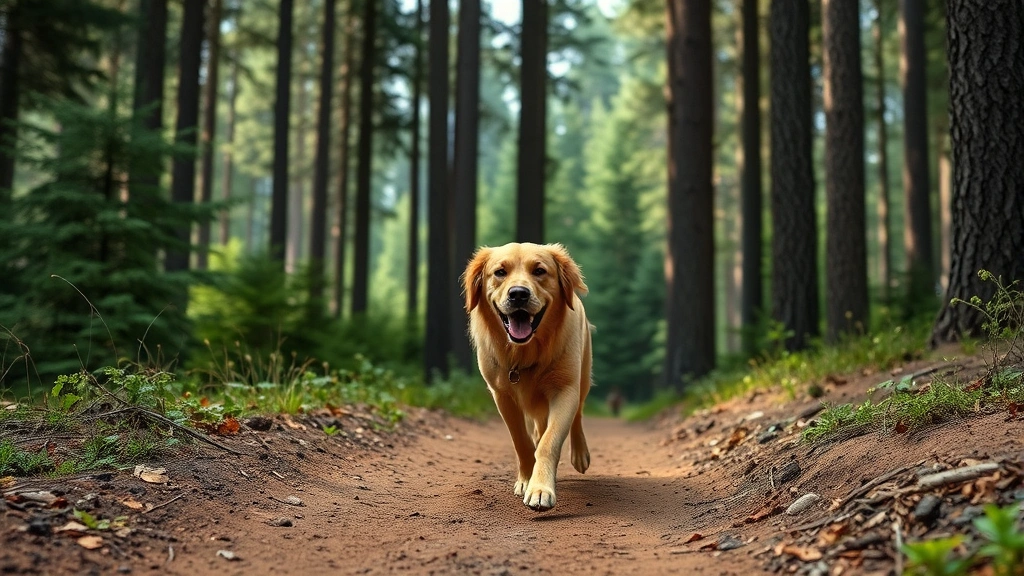
Finding dog friendly trails near me is one of the best ways to keep your furry friend happy, healthy, and absolutely exhausted (in the good way). Whether you’ve got a high-energy Border Collie who thinks your couch is a trampoline or a laid-back Golden Retriever who just wants to sniff everything, there’s a trail out there with your pup’s name on it.
Table of Contents
- Why Your Dog Needs Trail Time (Besides the Obvious)
- How to Find Dog Friendly Hiking Trails in Your Area
- Understanding Leash Laws and Trail Etiquette
- Best Trail Types for Different Dog Breeds
- Essential Gear for Trail Adventures
- Nutrition and Hydration on the Trail
- Seasonal Considerations for Dog Friendly Trails
- Wildlife Safety and Trail Hazards
- Training Tips Before You Hit the Trail
- Building Trail Fitness Gradually
- Frequently Asked Questions
- Summary: Get Out There and Trail Blaze
Why Your Dog Needs Trail Time (Besides the Obvious)
Look, we all know dogs love walks. But trails? Trails are basically Disneyland for dogs. The variety of smells, sounds, and surfaces keeps their brains firing on all cylinders. According to the American Kennel Club, regular exercise on varied terrain helps prevent behavioral problems, maintains healthy weight, and strengthens the bond between you and your pup. Plus, a tired dog is a well-behaved dog. Science.
How to Find Dog Friendly Hiking Trails in Your Area
The easiest way to locate pet-friendly hiking trails near you is using apps like AllTrails, which filters specifically for dog-friendly options. You can also check your local parks and recreation website—most provide detailed info about leash requirements and dog policies. Don’t sleep on Facebook groups either; local dog owners are goldmines of information about secret spots and trail conditions.
Understanding Leash Laws and Trail Etiquette
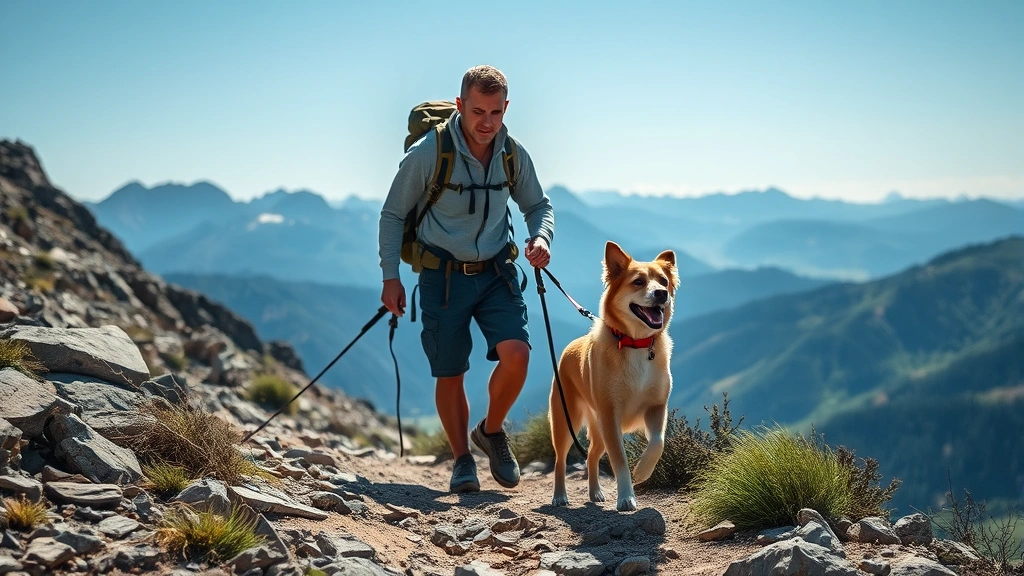
Before you hit the trail, know the rules. Some trails require leashes at all times, while others have off-leash sections. Ignoring these rules isn’t just rude—it can get you fined and, worse, might get your favorite trail closed to dogs. Check the specific regulations for each trail you’re considering. And please, if your dog isn’t reliably trained, keep that leash on. Nobody wants to meet your “friendly” 80-pound Lab at full sprint.
Best Trail Types for Different Dog Breeds
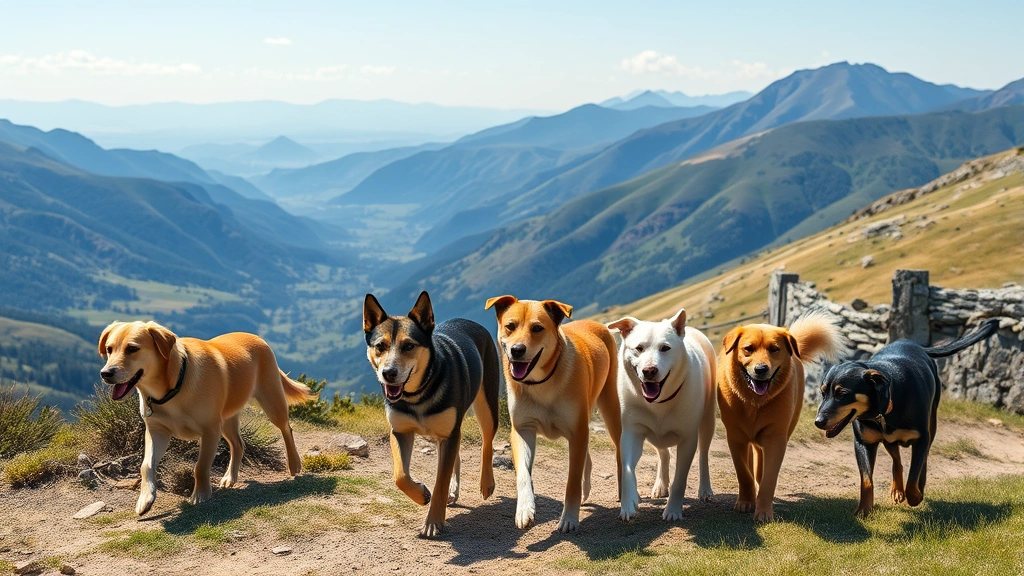
Not all trails are created equal, and neither are all dogs. High-energy breeds like Huskies and Australian Shepherds thrive on long, challenging mountain trails. Shorter-legged pups like Dachshunds and Corgis prefer flatter, easier paths. Senior dogs and breeds prone to joint issues (looking at you, German Shepherds and Labs) do better on soft, low-impact surfaces like dirt or mulch. Match the trail difficulty to your dog’s age, fitness level, and breed characteristics.
Essential Gear for Trail Adventures
Packing right makes all the difference. Bring a collapsible water bowl and plenty of fresh water—dehydration sneaks up fast. A lightweight backpack for your dog can distribute weight better than you carrying everything. Don’t forget a waste bag dispenser (seriously, pack out what your pup puts out). A good harness beats a collar for trail work, and consider booties if you’re hiking rocky terrain. Pet food safety during travel matters too—pack appropriate snacks and avoid feeding right before strenuous activity.
Nutrition and Hydration on the Trail
Your dog’s energy needs spike on the trail. Bring high-quality treats or kibble appropriate for your pup’s diet. Never introduce new foods on a trail—stick with what their stomach knows. Healthy pet treats like freeze-dried meat or homemade options work great for trail snacks. And here’s the thing: water is essential, but avoid letting your dog drink from every stream they encounter. Giardia and other parasites love natural water sources. Bring your own filtered water when possible.
Seasonal Considerations for Dog Friendly Trails
Spring and fall are generally ideal for trail time, but each season has quirks. Summer heat is brutal—early morning hikes are non-negotiable. Watch for heat exhaustion signs: excessive panting, drooling, or lethargy. Winter trails can be magical but bring extra water (snow doesn’t hydrate) and watch for ice. Spring means mud and potentially more wildlife encounters. Fall is basically perfect, but watch for hunting season in your area and keep your pup visible with a bright collar or vest.
Wildlife Safety and Trail Hazards
Encounters with wildlife happen. Most animals want nothing to do with you, but keep your distance. Snakes, especially venomous ones, are a real concern in some regions. Teach your dog a solid recall command. Ticks and fleas thrive on trails, so discuss preventative treatments with your vet. Watch for toxic plants—some are common on trails and can make your dog seriously sick. If you’re unsure about anything in your area, when to call the vet about food and other concerns is a great resource, though for emergencies, don’t wait.
Training Tips Before You Hit the Trail
A well-trained dog makes trails infinitely better for everyone. Your pup should have a solid “leave it” command—this prevents them from eating harmful foods for dogs or mysterious things they find. “Stay close” or “heel” keeps them from bolting. Practice these commands in low-distraction environments first, then gradually increase difficulty. A dog who listens makes everyone’s day better.
Building Trail Fitness Gradually
Your couch potato can’t suddenly run five miles. Build up gradually to prevent injuries and soreness. Start with shorter, easier trails and increase distance and difficulty over weeks. Watch for signs of fatigue: reluctance to move, excessive panting, or lagging behind. Some dogs will push themselves past their limits trying to please you, so be the responsible adult here. A good rule of thumb: if your dog seems uncomfortable the next day, you went too far.
Frequently Asked Questions
What age can puppies start hiking on trails?
Generally, wait until your puppy is at least 12-18 months old, depending on breed size. Large breed puppies need extra time for joint development. Consult your vet before starting any strenuous activity program.
Are all dog breeds suitable for trail hiking?
Most dogs can enjoy trails, but some breeds are better suited than others. Brachycephalic breeds (Bulldogs, Pugs) struggle with heat and exertion. Senior dogs and those with health issues should get vet clearance first.
What should I do if my dog gets injured on a trail?
Assess the injury calmly. Minor cuts and scrapes can be cleaned and monitored. For serious injuries, call your vet immediately or find the nearest emergency clinic. Know where help is located before you head out.
Can I bring my dog to any trail marked “pet-friendly”?
Not necessarily. “Pet-friendly” doesn’t always mean “dog-friendly”—some allow only leashed dogs, others have seasonal restrictions. Always read specific trail guidelines before going.
How often should my dog hike?
Depends on your dog’s fitness level and age. Most healthy adult dogs benefit from 2-4 trail outings per week, mixed with regular walks. Adjust based on individual needs and vet recommendations.
Summary: Get Out There and Trail Blaze
Finding dog friendly trails near me isn’t complicated—it just takes a little research and preparation. Start with your local parks department or AllTrails app, understand the rules, pack smart, and match the trail to your dog’s abilities. Your pup will thank you with endless enthusiasm and probably a good night’s sleep. The best part? You’ll get exercise too, and maybe even remember why you loved the outdoors in the first place. Now stop reading and go find that perfect trail. Your dog’s been staring at you for ten minutes.





