
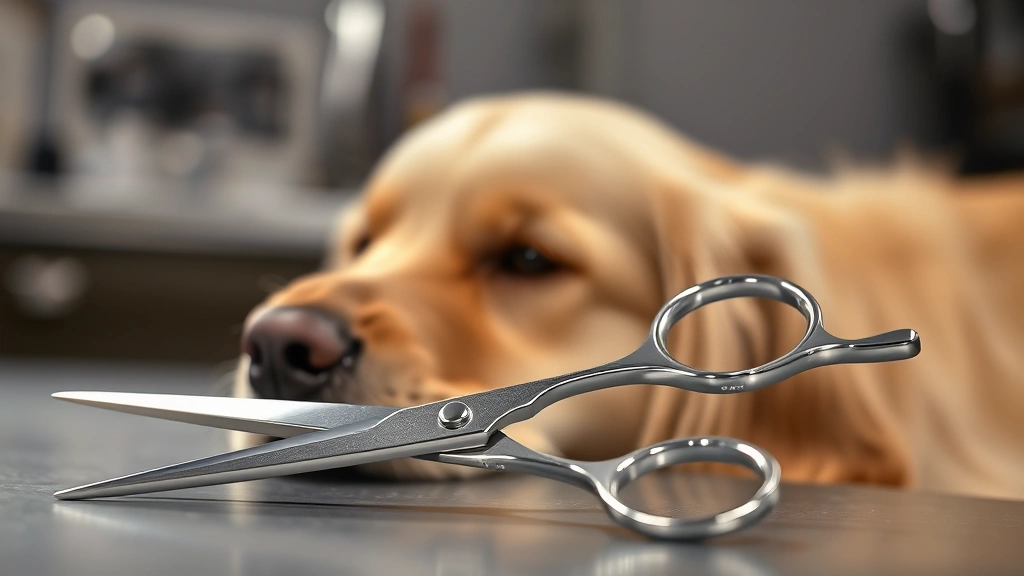
If you’re serious about keeping your furry friend looking sharp, dog grooming scissors are absolutely essential—and honestly, they’re way more important than most pet parents realize. Whether you’re a professional groomer or just someone who wants to trim their pup’s coat at home, having the right tools makes all the difference between a salon-quality cut and, well, a lopsided disaster.
Table of Contents
- Why Dog Grooming Scissors Matter More Than You Think
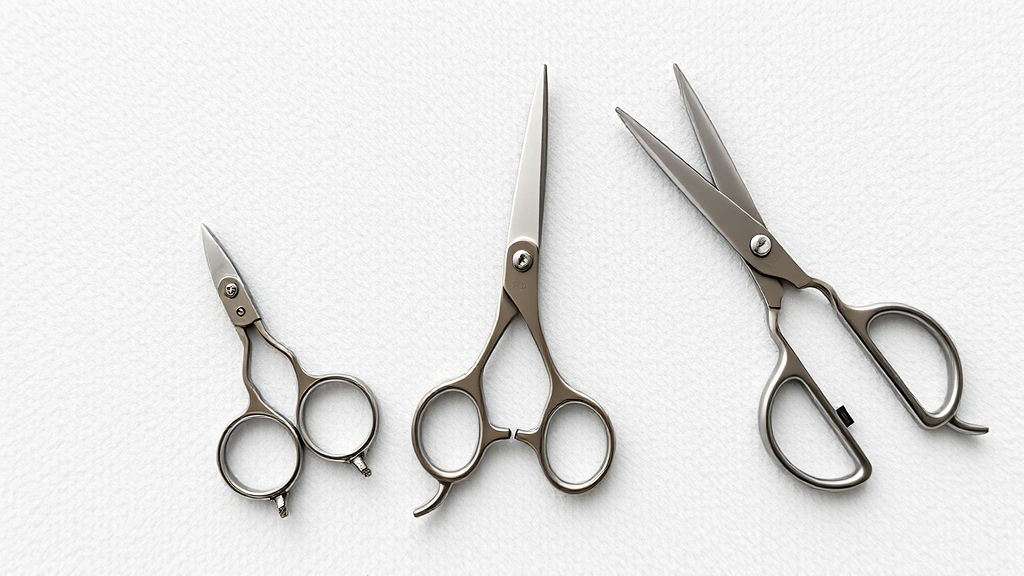
- Straight Scissors vs. Curved Scissors: Know Your Weapons
- The Top Features Every Quality Pair Should Have
- Best Straight Scissors for Beginners and Pros
- Curved Scissors: The Secret Weapon for Detailed Work
- Thinning Shears: Your Secret to Natural-Looking Coats
- Grooming Scissors for Different Coat Types
- Maintenance: Keeping Your Dog Grooming Scissors Sharp and Ready
- Budget vs. Splurge: Making the Right Investment
- Safety Tips When Using Dog Grooming Scissors
- Professional Groomer Secrets Worth Knowing
- Common Mistakes to Avoid
- Frequently Asked Questions
- Final Thoughts: Investing in the Right Tools
Why Dog Grooming Scissors Matter More Than You Think
Listen, your dog’s coat isn’t just about vanity (though let’s be real, a well-groomed pup is adorable). Regular grooming keeps your dog healthy, prevents matting that can trap moisture and bacteria, and helps you spot skin issues early. But here’s the thing—using dull or low-quality scissors doesn’t just give bad results; it can actually hurt your dog by pulling on their fur instead of cutting cleanly. That’s where investing in proper dog grooming scissors comes in. Quality scissors make the job easier, faster, and way less stressful for both you and your pup.
Straight Scissors vs. Curved Scissors: Know Your Weapons
Before we dive into the best picks, let’s talk types. Straight dog grooming scissors are your go-to for general trimming and creating clean lines. They’re perfect for working on the body and legs. Curved scissors, on the other hand, are absolute game-changers for following your dog’s natural body contours—think face, ears, and paws. Many pros use both because they’re designed for different jobs. Pro tip: if you’re just starting out, grab a quality pair of straight scissors first.
The Top Features Every Quality Pair Should Have
Not all dog grooming scissors are created equal. When you’re shopping, look for stainless steel construction (rust-resistant and durable), ergonomic handles that won’t give you hand cramps after an hour of work, and sharp blades that stay sharp. The weight matters too—lighter scissors reduce fatigue, but they need to be substantial enough to cut through thick coats without feeling cheap. Blade length typically ranges from 4 to 8 inches; longer blades cover more area but require more precision.
Best Straight Scissors for Beginners and Pros
If you’re new to grooming, start with a reliable pair of straight scissors. Look for options in the $30-$60 range that feature Japanese stainless steel blades and comfortable finger rings. These won’t break the bank but will last years with proper care. For professionals, investing in premium straight scissors ($100-$200) pays off through durability and precision. The blade sharpness on high-end options is noticeably superior, and they maintain that edge longer. Many groomers swear by brands that offer lifetime sharpening services—that’s a feature worth paying for.
Curved Scissors: The Secret Weapon for Detailed Work
Curved dog grooming scissors are where the magic happens. They follow your dog’s body shape naturally, making it way easier to create that polished look around the face, ears, and legs. The curve reduces the risk of accidentally cutting skin (a real concern when working around sensitive areas), and they just feel more intuitive once you get the hang of them. Start with a 6-inch curved pair if you’re learning; they’re easier to control than longer options. Expect to spend $40-$80 for a solid beginner pair, and $150+ for professional-grade curved scissors.
Thinning Shears: Your Secret to Natural-Looking Coats
Here’s something beginners often overlook: thinning shears are absolute lifesavers for dogs with thick, double coats. Unlike regular scissors that create blunt cuts, thinning shears remove bulk while maintaining texture and a natural appearance. They work by having teeth on one blade, which removes only a portion of hair with each cut. This is especially useful for breeds like Golden Retrievers, Huskies, and German Shepherds. A quality pair of thinning shears ($50-$150) will change how your grooming results look. You can even check out our guide on cooling dog beds to keep your freshly groomed pup comfortable afterward.
Grooming Scissors for Different Coat Types
Your dog’s coat type determines which scissors work best. For short-haired breeds like Beagles or Boxers, basic straight scissors do the job. Curly and wavy coats (Poodles, Doodles) need sharp, high-quality scissors because the coat is tougher to cut through. Double-coated breeds benefit from thinning shears to manage undercoat without damaging the guard hairs. Long-haired breeds like Shih Tzus and Malteses need precision curved scissors for detailed facial work. Don’t just grab whatever’s cheapest—match your scissors to your dog’s coat type for the best results.
Maintenance: Keeping Your Dog Grooming Scissors Sharp and Ready
Here’s the deal: even the best dog grooming scissors won’t stay sharp forever if you don’t take care of them. After each grooming session, wipe the blades with a clean, dry cloth to remove hair and moisture. Store them in a protective case to prevent damage. Never use them on anything but dog hair—cutting through mats or dried-on stuff will dull the blades faster than you’d think. Get them professionally sharpened every 6-12 months depending on usage. Some manufacturers offer lifetime sharpening for a small fee, which is absolutely worth it. Proper maintenance extends the life of your scissors by years.
Budget vs. Splurge: Making the Right Investment
You don’t need to spend $300 on scissors if you’re a casual home groomer. A solid $50-$80 pair of straight and curved scissors will serve you well for years. However, if you’re grooming multiple dogs or doing this professionally, investing in $150-$250 scissors pays for itself through durability and performance. Mid-range options ($80-$150) offer the sweet spot for many people—better quality than budget options but not the premium price tag. Think of it this way: cheap scissors will frustrate you, high-end scissors will impress you, but mid-range scissors will just get the job done reliably.
Safety Tips When Using Dog Grooming Scissors
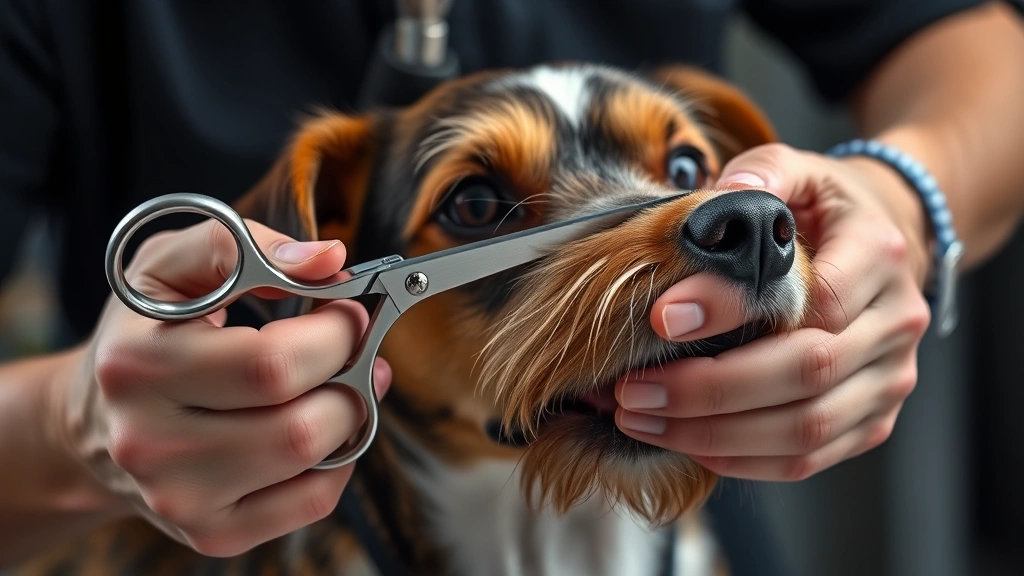
Safety matters. Always keep the blade pointing away from your dog’s skin, especially around sensitive areas like ears, eyes, and the face. Use your non-dominant hand to gently hold the skin taut so you’re not cutting into loose skin folds. Never rush—grooming should be calm and methodical. If your dog is wiggly or anxious, take breaks. Keep the scissors sharp; dull blades require more pressure and are more likely to slip. And here’s something most people don’t think about: keep your dog’s nails trimmed and coat brushed before grooming. Mats and tangles make it way harder to use scissors safely. For more on keeping your dog comfortable, check out our article on budget-friendly homemade pet treats that can reward good grooming behavior.
Professional Groomer Secrets Worth Knowing
Professional groomers don’t just use expensive scissors—they know technique. They work with the grain of the coat, use smooth, controlled strokes, and take their time around sensitive areas. They also use different scissors for different parts of the groom. Most pros have at least three pairs: straight scissors for general work, curved scissors for detailed areas, and thinning shears for texture. They invest in quality because they’re using these tools 8+ hours a day. You don’t need to match that investment, but borrowing their approach of using the right tool for each job will dramatically improve your results.
Common Mistakes to Avoid
The biggest mistake? Using the wrong size scissors for your dog’s coat. Too-short scissors feel awkward and slow down your work; too-long scissors are hard to control. Another common error is neglecting blade maintenance—dull scissors are frustrating and potentially harmful. People also often try to cut through mats instead of brushing them out first, which dulls blades and risks cutting skin. Finally, don’t buy scissors based on price alone. A $15 pair from a random online seller might look fine, but the blades won’t stay sharp, the handles won’t be ergonomic, and you’ll be replacing them in months. Invest in reputable brands with good reviews.
Frequently Asked Questions
What’s the difference between dog grooming scissors and regular scissors?
Dog grooming scissors have specially designed blades that stay sharp longer and are curved or angled for pet grooming work. Regular scissors aren’t designed for the repetitive motion and pressure of grooming, so they dull quickly and can damage your dog’s coat. Plus, grooming scissors have safety features like rounded tips to prevent accidental cuts on your dog’s skin.
How often should I sharpen my dog grooming scissors?
For casual home grooming (once a month or less), get them sharpened annually. If you’re grooming weekly or more, sharpen every 6 months. Professional groomers might sharpen every 3-4 months depending on usage. Signs you need sharpening include pulling hair instead of cutting cleanly, requiring more pressure to cut, or uneven cuts.
Can I use the same scissors on all parts of my dog’s body?
Technically yes, but you’ll get better results with different scissors for different areas. Straight scissors work great for the body and legs, while curved scissors are safer and more precise for the face, ears, and paws. Thinning shears are best for removing bulk from thick coats. Having all three types makes grooming easier and safer.
What size scissors should I get for my dog?
For most dogs, 6-7 inch scissors are the sweet spot. Smaller dogs or detailed work benefit from 4-5 inch scissors, while larger dogs with thick coats might need 7-8 inch scissors. The key is comfort and control—if the scissors feel awkward in your hand, they’re the wrong size.
Are expensive dog grooming scissors really worth it?
If you’re grooming occasionally, a mid-range pair ($50-$100) is totally fine. If you’re doing this regularly or professionally, yes, spending $150-$250 is worth it for durability and performance. Expensive scissors hold their edge longer, feel better in your hand, and often come with lifetime sharpening. Think of it as an investment in quality results.
What should I do if my dog won’t sit still for grooming?
Start with short sessions and reward your dog with treats (check out our homemade dog biscuits for grooming rewards). Use a grooming table or non-slip mat so they feel secure. Keep the environment calm and avoid loud noises. Some dogs do better with grooming after exercise when they’re tired. If your dog is really anxious, consider professional grooming or talk to your vet about calming options.
Can I groom my dog myself or should I use a professional?
It depends on your dog’s coat type and your comfort level. Simple trims on short-haired dogs are totally doable at home. Breeds with complex grooming needs (Poodles, Schnauzers) are better handled by professionals. Many people do maintenance grooming at home between professional appointments. If you’re unsure, start with a professional groomer to see what’s involved, then decide if you want to tackle it yourself.
Final Thoughts: Investing in the Right Tools
Choosing the right dog grooming scissors is one of those decisions that seems small but makes a huge difference. Whether you’re grooming your own dog or working as a professional, quality scissors make the job safer, easier, and produce better results. Start with a solid mid-range pair of straight and curved scissors, learn proper technique, and maintain them well. Your dog will look amazing, and you’ll actually enjoy the grooming process instead of dreading it. And hey, a well-groomed pup is a happy pup—plus they’re way more comfortable during hot weather. Speaking of comfort, pair your grooming routine with a quality dog collar for the complete polished look. Happy grooming!
For more information on professional grooming standards, check out the American Kennel Club’s grooming guidelines, and for health-related grooming concerns, visit PetMD’s grooming and coat care section. The American Veterinary Medical Association also provides resources on proper pet care and grooming practices.





