
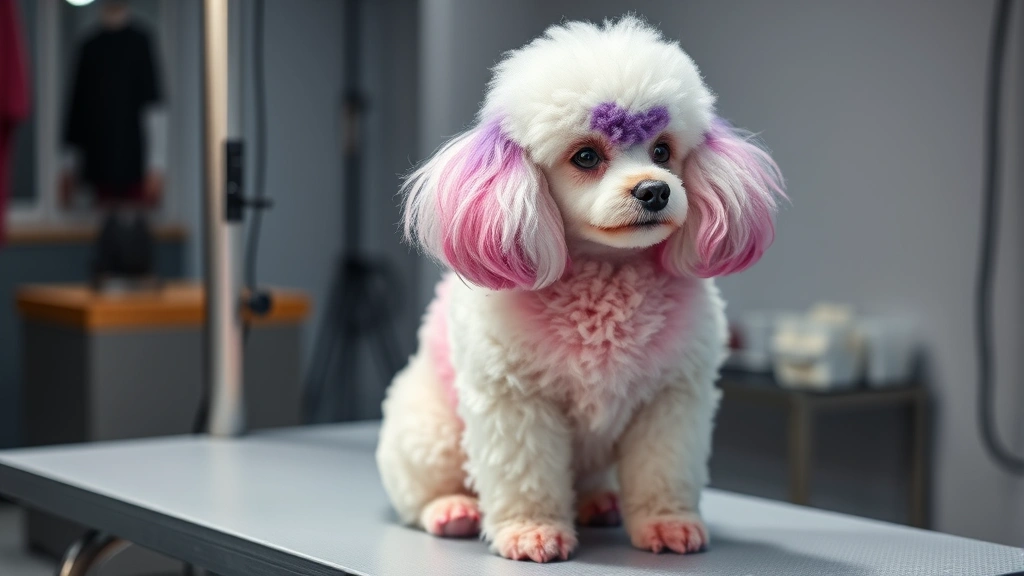
So you want to turn your pup into a walking rainbow? Dog hair colour dye has become surprisingly popular among pet owners who want to give their furry friends a vibrant makeover. Whether you’re prepping for a dog show, celebrating a special occasion, or just feeling creative, dyeing your dog’s coat can be a fun way to express your pet’s personality. But here’s the thing – not all dog dyes are created equal, and using the wrong product could leave your pooch looking like a tie-dye disaster or worse, damage their skin and fur.
Table of Contents
- Why Pet Parents Are Turning to Dog Hair Dye Products
- Understanding Safe Dog Coat Dyes vs. Harmful Alternatives
- Top 5 Safe Dog Hair Dye Picks for 2024
- Pre-Dye Preparation: Getting Your Dog Ready
- Step-by-Step Application Guide for Pet Hair Colouring
- How Long Does Dog Hair Dye Actually Last?
- Potential Risks and Side Effects to Watch For
- Professional Grooming vs. DIY Dog Hair Colour
- Aftercare: Keeping Your Dyed Dog’s Coat Healthy
- Special Considerations for Different Coat Types
- Addressing Common Myths About Dog Hair Dye
- Environmental and Ethical Considerations
- Frequently Asked Questions
- Final Thoughts: Making the Right Choice for Your Pup
Why Pet Parents Are Turning to Dog Hair Dye Products
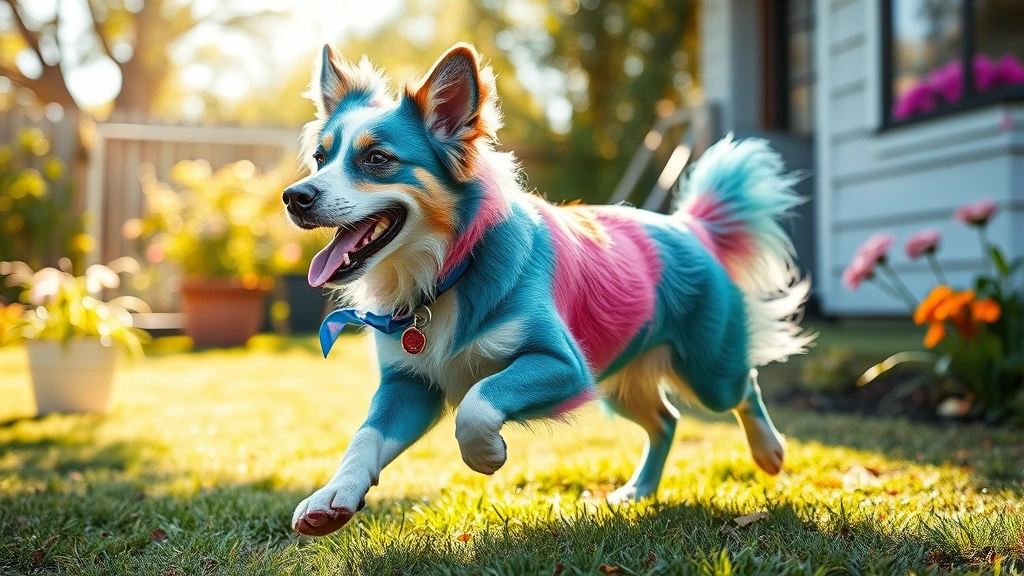
The trend of pet hair colouring isn’t just about vanity (though let’s be honest, Instagram-worthy pups are definitely a thing). Some owners use dog hair colour dye for legitimate reasons: identifying dogs in multi-pet households, preparing for breed shows where grooming standards matter, or simply boosting their dog’s confidence with a fresh look. The rise of social media has certainly amplified this trend, with countless adorable photos of purple poodles and pink Pomeranians flooding TikTok and Instagram.
Understanding Safe Dog Coat Dyes vs. Harmful Alternatives
Here’s where most people mess up: they grab the human hair dye from under the bathroom sink. Big mistake. Human hair dyes contain harsh chemicals like PPD (paraphenylenediamine) and ammonia that can cause serious skin irritation, allergic reactions, and even systemic toxicity in dogs. Your dog’s skin is more sensitive and has a different pH balance than human skin. A safe dog hair colour dye should be specifically formulated for pets, non-toxic, and free from harmful chemicals. Always check product labels and consult your vet before application.
Top 5 Safe Dog Hair Dye Picks for 2024
1. Opawz Dog Hair Dye – This is arguably the gold standard for pet-safe colouring. Opawz products are semi-permanent, made with food-grade ingredients, and come in vibrant shades like pink, blue, green, and purple. They’re gentle enough for sensitive skin and wash out gradually over several weeks. Many professional groomers trust this brand for a reason.
2. Pet Dye by Warren-Tricomi – Developed by celebrity stylists, this line offers salon-quality results with pet safety in mind. The formula is pH-balanced for dogs and doesn’t contain heavy metals or toxic dyes. It’s pricier than some alternatives, but the quality is exceptional.
3. Crazy Liberty’s Natural Pet Dyes – If you’re the all-natural type, this brand uses plant-based ingredients and essential oils. While the colour payoff is slightly less intense than synthetic options, it’s perfect for owners who prioritize organic products. Just note that natural dyes fade faster.
4. Herbsmith Dog Grooming Colour – A veterinary-approved option that combines safety with impressive pigmentation. This semi-permanent dye is designed to enhance natural coat colours or create new ones without compromising your dog’s skin health. It’s particularly good for dogs with sensitive skin.
5. Klutz Make Your Own Dog Grooming Dye Kit – This DIY option gives you control over the shade intensity and is budget-friendly. While it requires more effort than pre-mixed dyes, it’s formulated specifically for dogs and includes detailed application instructions.
Pre-Dye Preparation: Getting Your Dog Ready
Before you even think about applying dog hair colour dye, preparation is crucial. Start with a thorough bath using a gentle, moisturizing shampoo – this removes dirt and oils that could interfere with dye absorption. Dry your dog completely; damp fur won’t hold colour as well. Brush through their coat to remove tangles and mats. Consider doing a patch test 24-48 hours before full application to check for allergic reactions. If your dog has any open wounds, skin infections, or conditions like dermatitis, hold off and consult your vet first. Think of it like prepping your hair before a salon treatment – the better the foundation, the better the results.
Step-by-Step Application Guide for Pet Hair Colouring
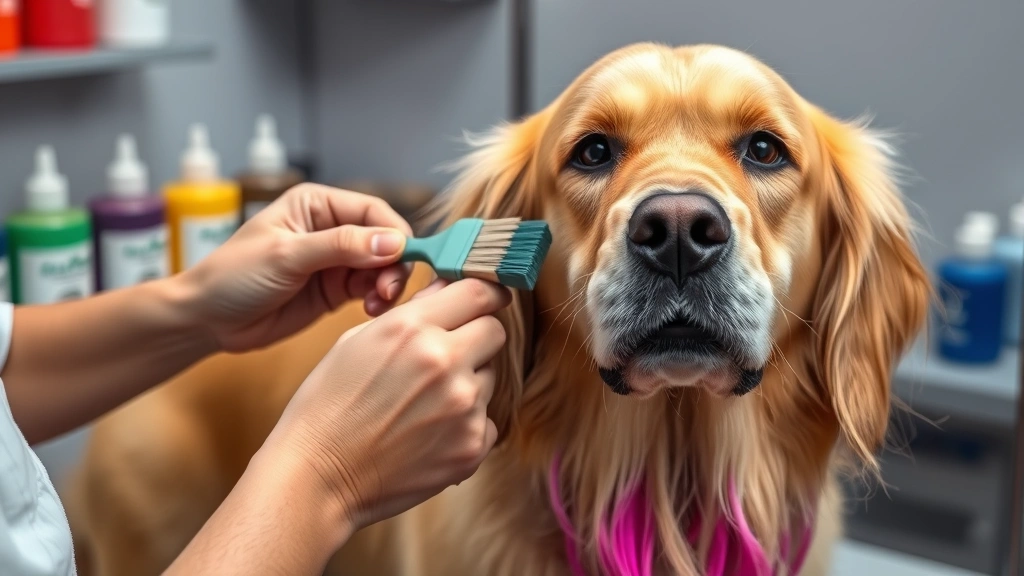
Alright, here’s where the magic happens. Wear gloves (the dye will stain your hands otherwise) and work in a well-ventilated area. Section your dog’s coat into manageable parts using clips. Mix the dye according to package instructions – consistency matters. Start applying from the roots and work toward the tips, making sure every strand gets saturated. Pay special attention to areas where you want the most vibrant colour. Leave the dye on for the recommended time (usually 20-40 minutes depending on the product). Keep your dog calm and still during this period – easier said than done, I know. Rinse thoroughly with cool water until the water runs clear. Use a conditioning treatment to restore moisture, then dry and style as desired.
How Long Does Dog Hair Dye Actually Last?
Most quality dog coat dyes last between 4-8 weeks, though this varies based on the product, your dog’s coat type, and how often they bathe. Dogs with longer, thicker coats tend to hold colour longer than short-haired breeds. Regular bathing will fade the colour faster, so if you want maximum longevity, space out baths and use dry shampoo in between. Some owners do touch-ups every 4-6 weeks to maintain that fresh, vibrant look. It’s worth noting that semi-permanent dyes are gentler than permanent ones because they gradually wash out rather than requiring chemical removal.
Potential Risks and Side Effects to Watch For
Even with pet-safe products, some dogs may experience mild side effects. Itching, redness, or flaking can occur if your dog has particularly sensitive skin. Some dogs might have allergic reactions to specific dye ingredients. If your dog starts excessively licking the dyed area, develops a rash, or shows signs of distress, rinse immediately and contact your vet. Ingestion of dye (from licking) is usually not dangerous with pet-safe products, but it’s still best to prevent it. Keep your dog from grooming excessively for at least 24 hours after dyeing. Additionally, be cautious with dyes around the eyes, ears, and mouth – stick to body areas that are easier to control and less sensitive.
Professional Grooming vs. DIY Dog Hair Colour
You can absolutely dye your dog’s hair at home, but professional groomers have experience, better equipment, and access to premium products. They know how to handle squirmy dogs, apply dye evenly, and achieve salon-quality results. If this is your first time, consider having a pro do it – you’ll see exactly how it should look and can replicate it at home next time. Professional grooming typically costs $50-150 depending on your dog’s size and the complexity of the design. DIY kits run $15-40, so there’s definitely a cost difference. For special occasions or intricate designs, professional is worth it. For simple, solid-colour touch-ups, DIY is totally doable.
Aftercare: Keeping Your Dyed Dog’s Coat Healthy
Post-dye care is just as important as the application. Use a colour-safe, gentle shampoo and conditioner designed for dogs – regular products can strip the dye faster. Bathe your dog less frequently if possible; aim for once every 2-3 weeks instead of weekly. Use lukewarm water rather than hot water, which opens the hair cuticle and allows colour to escape. Consider a leave-in conditioner or coat oil to maintain moisture and shine. Brush regularly to prevent matting, which can trap moisture and cause skin issues. If your dog spends lots of time in the sun, the UV rays can fade the dye, so consider a dog-safe sunscreen or protective clothing for outdoor adventures. Keep your dog away from chlorine pools and saltwater beaches, as both can alter or fade the colour.
Special Considerations for Different Coat Types
Not all dog coats are created equal when it comes to dyeing. Light-coloured dogs (white, cream, blonde) take dye much more easily and show vibrant results. Dark-coloured dogs require more dye and longer processing times to see visible colour change – sometimes the colour only shows in sunlight. Curly and wiry coats (Poodles, Doodles, Terriers) hold dye exceptionally well due to their texture. Short-haired dogs like Labradors and Beagles show colour beautifully but may require touch-ups more frequently. Double-coated breeds (Golden Retrievers, Huskies) present challenges because dye may not penetrate the undercoat evenly. Consider your dog’s natural coat colour and texture when choosing a dye shade for the best outcome.
Addressing Common Myths About Dog Hair Dye
Let’s bust some myths. Myth 1: All dog dyes are toxic. False – pet-safe dyes are formulated specifically for dogs and are non-toxic when used correctly. Myth 2: Dyeing your dog’s hair will damage it permanently. False – semi-permanent dyes wash out gradually and don’t chemically alter the hair structure like bleaching does. Myth 3: Your dog will get sick from licking dyed fur. False – pet-safe dyes are non-toxic, though you should still discourage excessive licking. Myth 4: All groomers can dye dogs safely. False – you need a groomer experienced with pet dyes who uses quality products. Always ask about their experience and products before booking. Myth 5: Dyed dogs can’t compete in shows. Partially true – breed standards vary, and some kennel clubs don’t allow dyed coats in conformation shows, but performance events and fun shows often allow it.
Environmental and Ethical Considerations
As pet owners become more conscious, it’s worth considering the environmental impact of dog hair dyes. Some brands use sustainable packaging and eco-friendly formulations. When you rinse dye down the drain, it enters the water system. Pet-safe, biodegradable dyes have less environmental impact than synthetic chemical dyes. If you’re concerned about your carbon paw print, look for brands that prioritize sustainability. Additionally, consider whether dyeing is truly necessary or if it’s driven purely by social media trends. Your dog doesn’t care about their Instagram aesthetic – they care about comfort and health. Use dyes responsibly and only when it won’t negatively impact your pet’s wellbeing.
Frequently Asked Questions
Is it safe to dye my dog’s hair?
Yes, it’s safe when you use pet-safe, non-toxic dyes specifically formulated for dogs. Never use human hair dye on your pet. Always do a patch test first and consult your vet if your dog has sensitive skin or existing health conditions.
How often can I dye my dog’s coat?
Most vets recommend waiting at least 4-6 weeks between dyeing sessions to allow the coat to recover. Excessive dyeing can lead to dryness and irritation. Semi-permanent dyes are gentler than permanent ones and can be reapplied more frequently.
What’s the best age to start dyeing a dog’s coat?
Dogs should be at least one year old before dyeing. Puppies have more sensitive skin, and their coat is still developing. Adult dogs generally tolerate dyes better than seniors, though age alone isn’t a barrier if the dog is healthy.
Can I use food colouring instead of pet dye?
While food colouring is non-toxic, it’s not designed for coating hair and won’t adhere well or produce vibrant results. Pet-specific dyes are formulated to bond with hair structure and last longer. Stick with products made for dogs.
Will dye wash out completely?
Semi-permanent dyes gradually fade over 4-8 weeks with regular bathing. They won’t completely disappear immediately, but they’ll become progressively lighter. Permanent dyes require chemical removal or waiting for new hair growth.
My dog has skin allergies – can I still dye their coat?
Proceed with extreme caution. Do a patch test at least 48 hours before full application. Consider consulting your vet first. Hypoallergenic, natural dyes might be safer options than synthetic ones for allergic dogs.
Can I dye my dog’s hair if they’re pregnant or nursing?
No. Pregnant and nursing dogs should avoid any unnecessary chemical exposure, even pet-safe dyes. Wait until after weaning is complete and the dog has fully recovered.
What if my dog has a bad reaction to the dye?
Rinse immediately with cool water and contact your veterinarian. Symptoms like excessive itching, redness, swelling, or hair loss warrant professional evaluation. Keep the dye product packaging for reference when calling your vet.
Final Thoughts: Making the Right Choice for Your Pup
Dog hair colour dye can be a fun, creative way to express your dog’s personality and yours – just do it safely and responsibly. Choose pet-specific, non-toxic products like Opawz or Warren-Tricomi, prepare your dog’s coat properly, and follow application instructions carefully. Remember that your dog’s health and comfort come first; the colour is just a bonus. If you’re unsure about any step in the process, consult your veterinarian or a professional groomer. With the right approach, you can safely achieve that Instagram-worthy pup look while keeping your furry friend happy and healthy. Now go forth and create some fabulous four-legged fashion statements – your dog’s inner supermodel will thank you!
For more pet health and safety information, check out our guide on what not to feed your dog and learn about safe topical treatments like Neosporin. If your dog develops skin irritation from dye, you might need chlorhexidine for dogs to address secondary infections.
According to the American Kennel Club (AKC), while coat appearance matters in show dogs, health and safety should never be compromised for aesthetics. The PetMD veterinary team emphasizes that any product applied to your dog’s skin should be thoroughly researched and vet-approved. Research from veterinary dermatology experts at Virginia Tech College of Veterinary Medicine confirms that pet-specific formulations are significantly safer than human products.





