
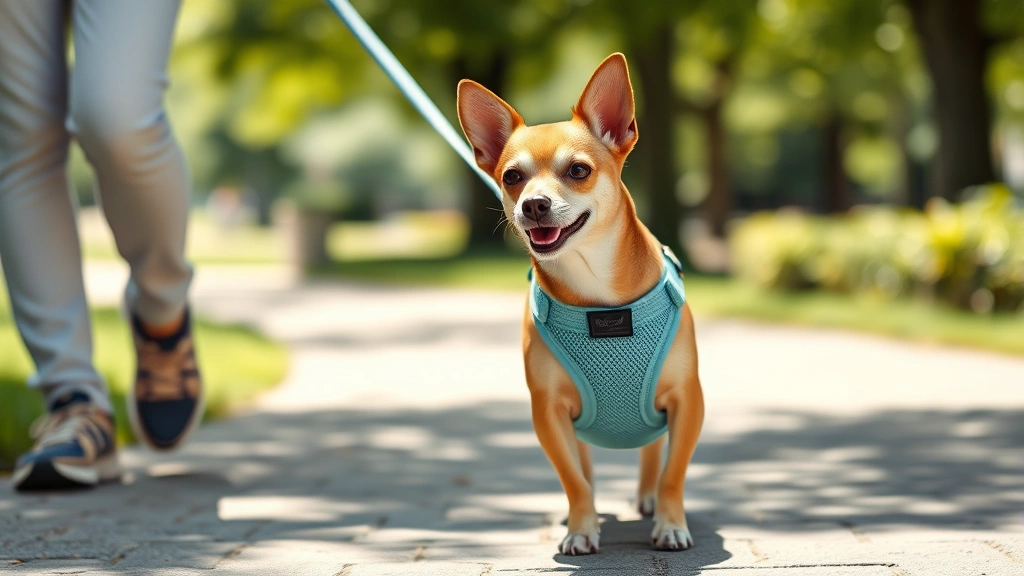
Let’s be honest—a dog harness for small dogs isn’t just a fashion statement for your pint-sized pooch. It’s basically a safety superhero cape that keeps your tiny furball from doing a Houdini escape act mid-walk. Whether you’ve got a Chihuahua, Pomeranian, or a scrappy little mixed breed, finding the right harness can mean the difference between a peaceful stroll and chasing your pup three blocks down the street.
Table of Contents
- Why Your Small Dog Needs a Harness (Not Just a Collar)
- Step-in Harnesses: The Easiest Option for Small Dogs
- No-Pull Harnesses: For the Determined Little Tugboat
- Vest-Style Harnesses: Maximum Comfort for Tiny Pups
- Adjustability Matters: Getting the Perfect Fit
- Material Matters: Breathability and Durability
- The 5 Best Dog Harnesses for Small Dogs
- Training Your Small Dog to Accept Their Harness
- Common Harness Problems and Solutions
- Harnesses vs. Collars: What Vets Actually Recommend
- Budget-Friendly Options Without Sacrificing Quality
- Seasonal Considerations for Your Small Dog’s Harness
- Frequently Asked Questions
- Final Thoughts: Choosing the Right Harness for Your Little Buddy
Small dogs have a reputation for being escape artists. Their delicate little necks can slip right out of traditional collars faster than you can say “come back here!” That’s where a proper harness comes in—it distributes pressure evenly across their chest and back, keeping them secure without the choking hazard. Plus, if your tiny companion is a puller or has respiratory issues, a harness is genuinely the way to go.
Why Your Small Dog Needs a Harness (Not Just a Collar)
Here’s the thing about small dog breeds: they’ve got delicate tracheas. A regular collar puts pressure directly on the neck, which can lead to coughing, wheezing, and long-term damage. According to the American Kennel Club, harnesses distribute pulling force across the chest and back, making them significantly safer for tiny pups.
Beyond safety, harnesses give you better control. When your 5-pound Yorkie decides to chase a squirrel at warp speed, you’ve got actual leverage with a harness. Plus, they’re great for dogs with anxiety or those prone to bolting—your little buddy stays connected to you without the neck strain.
Step-in Harnesses: The Easiest Option for Small Dogs
Step-in harnesses are basically the yoga pants of the dog world—easy to get into and super comfortable. Your small dog literally steps into them with their front legs, and you buckle them up. No wrestling match required.
The beauty of step-in designs is that they’re perfect for anxious pups or those who hate having things pulled over their heads. Many small dog owners swear by them because there’s minimal fuss. Just lay it on the ground, guide your pup’s paws in, and you’re ready to roll. They’re also great if your dog has long, fluffy ears that get tangled in overhead harnesses.
Popular brands like Puppia and Gooby make excellent step-in options that come in tons of colors and patterns. You can find cruelty-free pet supplies including eco-friendly harness options if that’s important to you.
No-Pull Harnesses: For the Determined Little Tugboat
Does your small dog think they’re a sled dog? A no-pull harness for small dogs might be your answer. These clever designs have a front clip that redirects your pup’s forward momentum when they pull, naturally encouraging them to walk beside you instead of dragging you down the sidewalk.
The front-clip design is different from traditional back-clip harnesses. When your dog pulls, the harness gently turns them toward you rather than letting them forge ahead. It’s not a punishment—it’s just physics working in your favor. Dogs typically respond to this within a few walks, making training way easier.
Brands like Easy Walk and Ruffwear make excellent no-pull options specifically designed for toy and small breeds. They’re adjustable, durable, and come in fun colors that’ll make your little buddy look absolutely adorable.
Vest-Style Harnesses: Maximum Comfort for Tiny Pups
Vest-style harnesses wrap around your small dog’s entire torso like a little jacket. They’re supremely comfortable and distribute weight evenly, making them ideal for senior dogs or those with existing health issues.
These harnesses look fancy (because they kind of are), and they provide the most surface area for weight distribution. If your dog has a collapsed trachea, heart problems, or is recovering from surgery, a vest-style harness is genuinely the best choice. They also tend to stay in place better than other styles, so there’s minimal shifting during walks.
The downside? They can be a bit bulky, and some small dogs find them restrictive. They’re also typically pricier than other options. But if your pup needs extra support, the investment is absolutely worth it.
Adjustability Matters: Getting the Perfect Fit
Here’s where most people mess up: they don’t adjust the harness properly. A harness that’s too loose can allow your small dog to slip out (defeating the entire purpose), while one that’s too tight restricts breathing and movement.
When fitting a harness, you should be able to fit two fingers comfortably between the harness and your dog’s body. Not one finger—two. Your pup should be able to move freely without the harness riding up or shifting around. Most quality harnesses for small dogs have multiple adjustment points, so take the time to get it right.
Pro tip: If your dog is between sizes, always size up. A slightly larger harness can be adjusted down, but a too-small harness is a safety hazard. And remember, puppies grow fast—you might need to re-adjust frequently as your little one develops.
Material Matters: Breathability and Durability
Small dog harnesses come in various materials: nylon, mesh, leather, and even padded options. For tiny pups that’ll be wearing their harness daily, breathability is crucial. Mesh harnesses allow air circulation and prevent your dog from overheating, especially during summer walks.
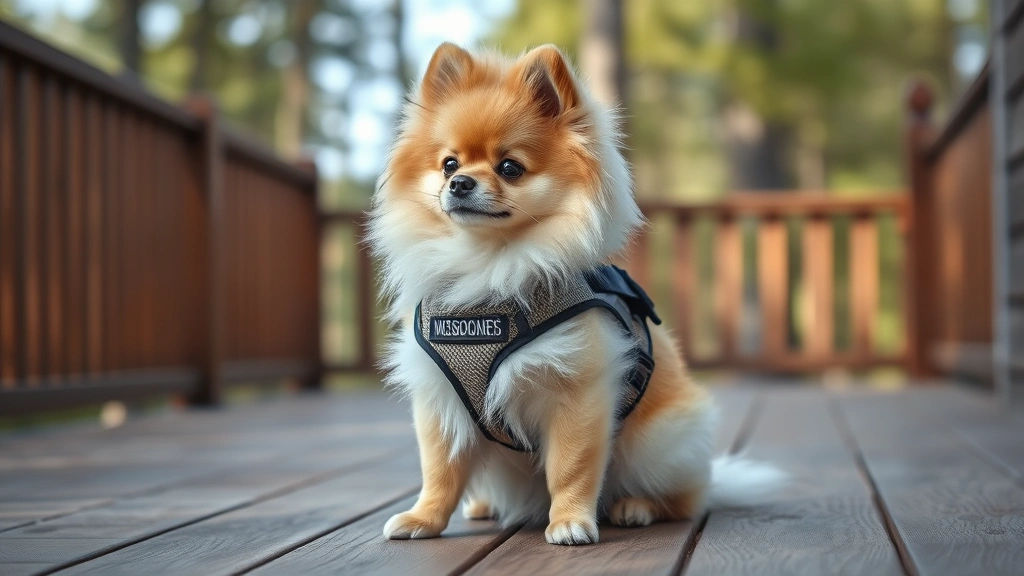
Nylon is durable and easy to clean—just toss it in the washing machine on a gentle cycle. Leather harnesses look sophisticated but require more maintenance. Padded harnesses offer extra comfort for dogs with sensitive skin or those prone to chafing.
Consider your climate and your dog’s lifestyle. If you live somewhere hot, mesh is your friend. If your pup is a muddy adventurer, nylon’s washability is a game-changer. For luxury-loving lap dogs, padded leather might be the way to go.
The 5 Best Dog Harnesses for Small Dogs
1. Puppia Soft Vest Harness – This is the gold standard for step-in harnesses. It’s soft, adjustable, and comes in adorable patterns. Perfect for dogs 2-10 pounds.
2. Easy Walk No-Pull Harness – Specifically designed to reduce pulling without choking. Great for training and daily walks. Available in multiple sizes for toy breeds.
3. Ruffwear Front Range Harness – A durable, adjustable option with reflective trim for safety. Slightly pricier but built to last through years of walks.
4. Gooby Soft Harness – Another excellent step-in option with padded chest protection. Ideal for dogs with anxiety or those sensitive to pressure.
5. Embark Pets Urban Harness – A sleek, minimalist design that’s lightweight and comfortable. Great for city dogs and those who need to hop in a car seat for dogs frequently.
Training Your Small Dog to Accept Their Harness
Some small dogs take to harnesses immediately. Others act like you’ve strapped them into a medieval torture device. Patience is key.
Start by letting your dog sniff and investigate the harness. Let them wear it around the house for short periods without clipping the leash. Reward them with treats and praise. Gradually increase the time they wear it. Once they’re comfortable, attach the leash and go for a short walk.
If your dog is particularly resistant, try putting the harness on right before something they love—like a walk or playtime. They’ll start associating it with positive experiences. Never force it or make it a negative situation. Your small dog’s cooperation is way easier to achieve with patience and positive reinforcement.
Common Harness Problems and Solutions
Even the best harness for small dogs can have issues if not used correctly. The most common problem is slipping—usually because the harness is too loose or the wrong style for your dog’s body shape.
If your dog escapes their harness, try a different style. Some dogs have narrow chests that slip through step-in designs; they’d be better with a vest or overhead harness. Others hate anything over their head and need step-in options.
Chafing and rubbing can occur if the harness isn’t properly adjusted or if your dog has sensitive skin. Make sure all straps are smooth and not twisted. Consider a padded harness if your pup has delicate skin. If your dog is scratching or showing signs of irritation, switch to a breathable mesh option.
Harnesses vs. Collars: What Vets Actually Recommend
According to PetMD, veterinarians overwhelmingly recommend harnesses for small dogs over traditional collars. The reasons are pretty straightforward: reduced neck strain, better control, and lower risk of tracheal collapse.
Collars are fine for identification tags and quick trips outside, but for actual walks and training, a harness is superior—especially for toy breeds and dogs with respiratory issues. If your vet has recommended a harness, they’re not being overly cautious; they’re genuinely looking out for your pup’s long-term health.
That said, some owners use both: a collar for ID and a harness for walks. This is totally fine and actually pretty common among small dog parents who want the best of both worlds.
Budget-Friendly Options Without Sacrificing Quality
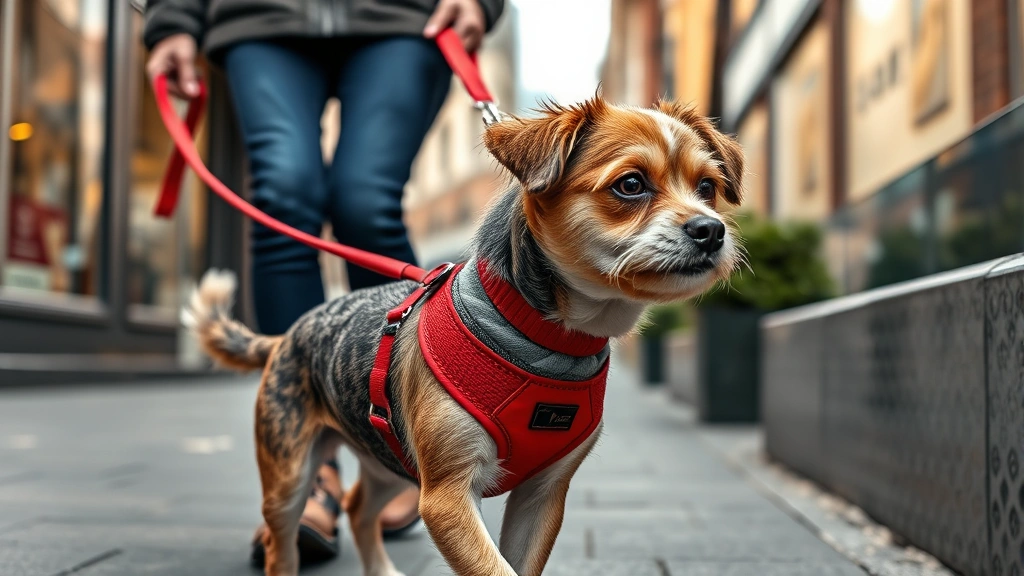
You don’t need to drop a fortune on a harness. Plenty of excellent options exist in the $20-40 range that’ll serve your small dog well for years.
Budget brands like Gooby and Puppia offer quality harnesses without the premium price tag. Online retailers often have sales and discounts, especially during seasonal changes. Consider checking out collapsible dog crate retailers—many sell harnesses too and run good promotions.
Don’t be tempted by ultra-cheap options under $10, though. They often have poor stitching, weak buckles, and uncomfortable padding. Spend a bit more and get something that’ll actually keep your dog safe and last through multiple seasons of walks.
Seasonal Considerations for Your Small Dog’s Harness
Different seasons call for different harness considerations. In summer, opt for breathable mesh options that won’t trap heat against your dog’s body. Your small pup can overheat quickly, and a breathable harness helps prevent that.
Winter is trickier. Some small dogs wear sweaters or coats, which can make finding a harness that fits properly challenging. Look for harnesses designed to go over coats, or choose a vest-style that sits outside their winter wear. Make sure nothing is too tight when your pup is bundled up.
Spring and fall are usually ideal for most harness types. Just make sure to check the fit regularly as your dog’s weight fluctuates seasonally.
Frequently Asked Questions
Can a small dog harness prevent escape?
Yes, when properly fitted and used correctly, a harness is far more escape-proof than a collar. However, no harness is 100% foolproof. A well-fitted harness combined with a secure leash and responsible handling prevents the vast majority of escapes.
At what age can puppies wear a harness?
Puppies can wear a harness as young as 8-12 weeks old, once they’re steady on their feet. Start with a lightweight, adjustable option and re-fit it frequently as your pup grows. Some owners prefer waiting until puppies are a bit older (4-6 months) for more comfort.
How often should I wash my dog’s harness?
Wash your harness every 2-4 weeks, or more frequently if your dog is muddy or spends a lot of time outdoors. Most nylon harnesses can go in the washing machine on a gentle cycle. Check the manufacturer’s instructions for specific care recommendations.
Is a harness better than a collar for small dogs?
Absolutely. Harnesses distribute pressure across the chest and back instead of concentrating it on the delicate neck. For small breeds, harnesses are genuinely safer and more comfortable for daily use.
What if my small dog refuses to wear a harness?
Take it slow. Let them wear it indoors without the leash attached. Reward them with treats and praise. Make it a positive experience associated with walks or playtime. Most dogs come around within a week or two with patience and positive reinforcement.
Can I use a harness for training my small dog?
Yes, especially no-pull harnesses. They’re excellent training tools that naturally discourage pulling without choking or causing discomfort. Many trainers recommend them specifically for small dogs learning proper leash manners.
Final Thoughts: Choosing the Right Harness for Your Little Buddy
Finding the perfect dog harness for small dogs comes down to understanding your individual pup’s needs, body shape, and temperament. There’s no one-size-fits-all solution, but there’s definitely a right option for your tiny companion.
Start by considering your dog’s size, any health issues, and their walking style. Does your pup pull? Do they have a sensitive throat? Are they an escape artist? Once you’ve identified your priorities, narrow down your choices from the styles we’ve discussed.
Remember: the best harness is the one your dog will actually wear comfortably and that keeps them safe. Invest in quality, adjust it properly, and you’ll have years of safe, enjoyable walks ahead. Your little furball will thank you—even if they don’t show it in the most obvious ways.





