
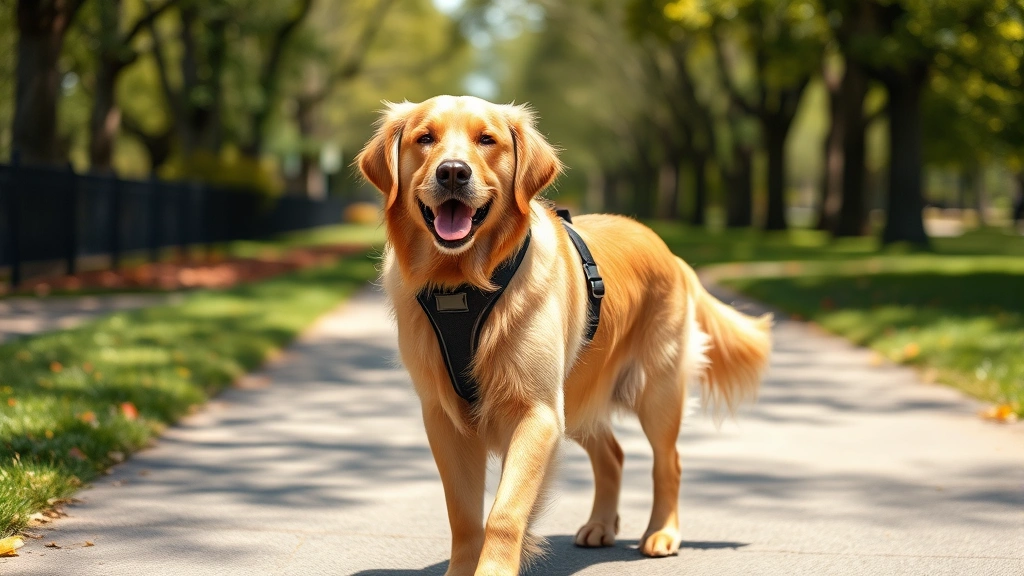
A dog harness no pull is literally a game-changer if your furry friend thinks they’re a sled dog on steroids. You know that moment when your pup spots a squirrel and yanks your arm clean off? Yeah, we’re fixing that. Unlike traditional collars that can choke and damage your dog’s neck, a no-pull harness redirects your dog’s forward momentum and gives you actual control without the drama.
Table of Contents
- What Makes a No-Pull Harness Different?
- The Top 5 No-Pull Harnesses That Actually Work
- How to Properly Fit a No-Pull Harness
- Training Your Dog to Accept a No-Pull Harness
- Common Mistakes People Make with No-Pull Harnesses
- No-Pull Harness vs. Other Solutions
- Special Considerations for Different Dog Types
- Maintenance and Care for Your Harness
- Frequently Asked Questions
- The Bottom Line: Invest in Your Dog’s Safety
I’ve worked with hundreds of dogs in vet clinics and training sessions, and I can tell you: a quality no-pull harness isn’t just about comfort—it’s about safety. Your dog’s neck is delicate. Their trachea can be seriously injured by constant pulling, especially in smaller breeds. A proper harness distributes pressure across their chest and shoulders, making walks enjoyable for both of you.
Let’s dive into the five harnesses that actually deliver results, because your shoulders (and your dog’s health) deserve better.
What Makes a No-Pull Harness Different?
First, let’s talk mechanics. A front-clip no pull dog harness has a leash attachment point on the chest, not the back. When your pup pulls, the harness gently turns them toward you instead of letting them barrel forward like a furry freight train. It’s physics, baby.
Back-clip harnesses? Those are basically useless for pulling dogs—they actually encourage pulling by distributing weight in a way that makes forward momentum easier. Front-clip is where the magic happens. Some harnesses even feature dual clips, giving you flexibility depending on your dog’s size and behavior.
The best harnesses are made from breathable materials, have padded chest panels, and adjust easily. Your dog shouldn’t feel like they’re wearing a straightjacket, and you shouldn’t need an engineering degree to put it on.
The Top 5 No-Pull Harnesses That Actually Work
1. The Freedom No-Pull Harness
This is my go-to recommendation, hands down. The Freedom harness has a dual-clip system (front and back), which is clutch for training. The front clip gives you immediate control, while the back clip is perfect for well-behaved walks. The padding is thick enough to feel luxurious but not so bulky that your dog looks like they’re wearing a suit of armor.
What I love: Adjustable straps everywhere, reflective stitching for evening walks, and it comes in sizes from tiny Chihuahuas to massive Great Danes. The chest strap is specifically designed to prevent chafing, which matters if your dog has sensitive skin.
Price point: Mid-range ($40-60). Worth every penny.
2. The Easy Walk Harness
PetSafe’s Easy Walk is the budget-friendly option that doesn’t skimp on quality. It’s simple, effective, and comes in fun colors. The leash attachment on the chest redirects pulling naturally without any weird angles that might stress your dog’s joints.
The learning curve is real though—some dogs take a few days to adjust to the sensation. But once they do? Smooth sailing. This harness is particularly good for medium-sized dogs with moderate pulling issues.
Price point: Budget-friendly ($25-35).
3. The Blue-9 Balance Harness
If your dog is a professional escape artist or has anxiety issues, the Blue-9 is engineered for security. It has multiple adjustment points and a design that prevents your dog from slipping backward. The materials are top-tier—durable, washable, and comfortable for all-day wear.
This harness is popular among trainers and rescue organizations for a reason. It’s built like a tank but feels lightweight on your dog. The stitching is industrial-grade, so it’ll outlast your dog’s teenage years.
Price point: Premium ($50-70).
4. The Ruffwear Front Range Harness
For the adventurous pup, the Ruffwear is practically indestructible. Originally designed for search-and-rescue dogs, this harness has a handle on top (useful for helping your dog into cars or over obstacles) and attachment points for gear. The padding is soft, and the design is ergonomic.
It’s overkill for casual neighborhood walks, but if your dog is a hiking buddy or water-loving maniac, this is your harness. The no-pull front clip works beautifully, and the reflective trim keeps your pup visible at dusk.
Price point: Premium ($50-75).
5. The Puppia Soft Harness
This one’s perfect for small breeds and anxious dogs. It’s incredibly lightweight, made from soft mesh material, and feels like your dog is wearing basically nothing. The design is minimalist but effective, with a front-clip attachment that works great for toy breeds.
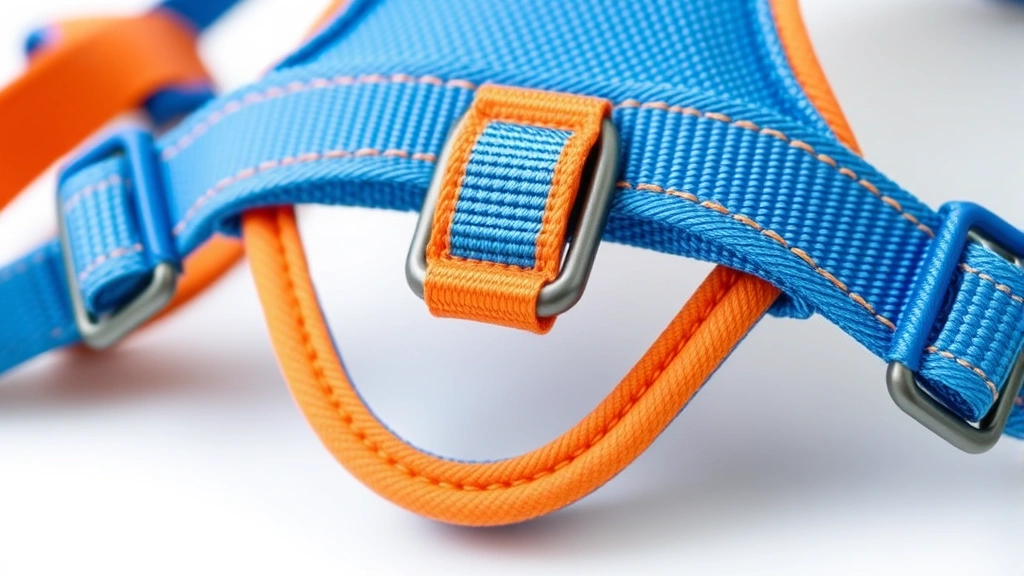
The Puppia doesn’t have the bulk of other harnesses, which some small dogs genuinely appreciate. If your Pomeranian or Maltese hates feeling restricted, this is the answer. It comes in adorable patterns too, if you’re into that.
Price point: Budget to mid-range ($20-40).
How to Properly Fit a No-Pull Harness
A poorly fitted harness is basically useless. You want it snug enough that your dog can’t wiggle out, but loose enough to fit two fingers between the harness and their body. Check the chest strap first—it should sit right behind the front legs, not up on the neck.
Make sure your dog can move naturally. They should be able to walk, trot, and play without restriction. If they’re doing that weird sideways walk or seem uncomfortable, adjust the straps. Every dog is shaped differently, so what works for your neighbor’s Labrador might need tweaking for your dog.
Pro tip: Put the harness on your dog indoors a few times before taking them for walks. Let them get used to the sensation. Some dogs need a day or two of adjustment, and that’s totally normal.
Training Your Dog to Accept a No-Pull Harness
Here’s where patience comes in. Start by letting your dog sniff and investigate the harness. Don’t force it on them immediately. Use positive reinforcement—treats, praise, the whole deal. Put it on for short periods indoors while you’re doing something fun.
Once they’re comfortable, take short walks around your house or yard. The goal is to make them associate the harness with good stuff (walks, adventures, treats). Some dogs catch on in a day; others take a week. That’s fine.
During walks, reward them when they walk without pulling. The moment they pull, stop moving. Don’t jerk or yank—just become a tree. When they look back at you or the leash goes slack, start moving again. This teaches them that pulling stops the fun, but walking nicely keeps it going.
For more tips on keeping your dog healthy during training, check out our guide on healthy snack alternatives for dogs—rewarding good behavior with quality treats is key.
Common Mistakes People Make with No-Pull Harnesses
The biggest mistake? Buying the wrong size. Measure your dog’s chest and neck before ordering. A harness that’s too big won’t work, and one that’s too small is cruel. Seriously, take the time to measure.
Another mistake: expecting instant results. Some people put on a no-pull harness and expect their dog to transform into a perfectly-behaved walking companion overnight. Nope. The harness is a tool, not a magic wand. You still need to train and reinforce good behavior.
Also, don’t use the harness as a punishment device. If your dog pulls and you jerk them around, you’re defeating the purpose. The harness should gently redirect, not cause pain or fear.
No-Pull Harness vs. Other Solutions
Some people swear by head halters (like the Gentle Leader), and they do work for some dogs. But they can feel invasive to your pup, and there’s a learning curve. Harnesses are generally more comfortable and easier to adjust to.
Retractable leashes? Please don’t. They actually encourage pulling and give you zero control. A standard 6-foot leash with a quality harness is infinitely better.
Prong collars and shock collars are outdated and can cause behavioral issues and physical harm. Modern training methods and proper equipment (like a no-pull harness) work way better without the trauma.
According to the American Kennel Club, positive reinforcement combined with proper equipment is the gold standard for dog training. A no-pull harness is a crucial part of that equation.
Special Considerations for Different Dog Types
Large breed pullers (Labs, Golden Retrievers, German Shepherds) need a harness with serious structure. The Freedom or Blue-9 Balance are your best bets because they can handle the force these dogs generate.
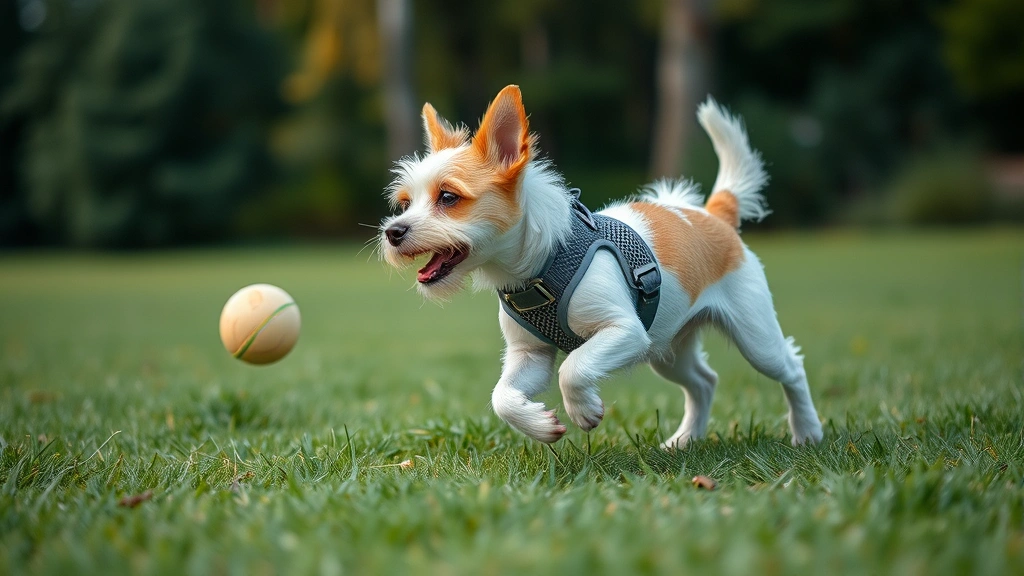
Small breeds and toy dogs do better with lighter harnesses like the Puppia. Their joints are delicate, and they don’t need all that extra padding and hardware.
Dogs with anxiety or escape tendencies need something secure like the Blue-9. The multiple adjustment points and snug fit prevent them from backing out, which can be dangerous.
Senior dogs benefit from harnesses with handles (like the Ruffwear) because it helps you support their weight and prevent falls. Look for extra padding around the shoulders and chest.
Maintenance and Care for Your Harness
Most quality harnesses are machine-washable, which is clutch. Check the care instructions—some have metal buckles that need hand-washing. Regular cleaning keeps the material fresh and prevents odor buildup (your house will thank you).
Inspect the stitching regularly, especially if your dog is a strong puller. Look for fraying or loose threads. If you catch damage early, you can often repair it or replace the harness before it fails during a walk.
Store your harness in a cool, dry place. Excessive heat can degrade the material, and moisture can cause mildew. A simple hook by your door works perfectly.
Frequently Asked Questions
Will a no-pull harness hurt my dog?
Not if it’s fitted correctly. A properly fitted harness distributes pressure evenly across the chest and shoulders, which is way safer than a collar. Your dog might feel the gentle redirection when they pull, but it shouldn’t cause pain. If your dog seems uncomfortable or has trouble moving, adjust the fit or try a different harness.
How long does it take for a dog to adjust to a no-pull harness?
Most dogs adjust within a few days to a week. Some catch on immediately, while others need time. Start with short indoor sessions and gradually increase duration. Patience and positive reinforcement are your friends here.
Can I use a no-pull harness for all walks?
Absolutely. A quality no-pull harness is designed for daily use. Just make sure it fits properly and that you’re still training your dog to walk nicely. The harness is a tool, not a replacement for training.
What’s the difference between front-clip and back-clip harnesses?
Front-clip harnesses redirect pulling by turning your dog toward you when they pull. Back-clip harnesses don’t provide the same control and can actually encourage pulling in some dogs. For no-pull purposes, front-clip is superior.
Is a no-pull harness better than a head halter?
For most dogs and owners, yes. Harnesses are more comfortable, easier to adjust to, and don’t feel as invasive. Head halters work for some dogs but can feel restrictive and take longer to train with. Try a harness first—it’s usually the better choice.
Can I leave the harness on my dog all day?
For a few hours? Sure. All day, every day? Not ideal. Harnesses can cause chafing if worn constantly, and your dog needs breaks. Put it on for walks and training, then take it off at home. Your dog will be more comfortable, and the harness will last longer.
What if my dog still pulls even with a no-pull harness?
The harness is only part of the solution. You still need to train your dog using positive reinforcement. Reward walking without pulling, stop moving when they pull, and be consistent. If pulling persists, consult a professional trainer—there might be underlying issues like anxiety or excessive energy.
The Bottom Line: Invest in Your Dog’s Safety
A quality dog harness no pull is one of the best investments you can make for your dog’s health and your sanity. Whether you go with the versatile Freedom, the budget-friendly Easy Walk, or the heavy-duty Blue-9, you’re choosing safety over the outdated collar-and-choke method.
Your dog deserves walks that don’t involve neck strain or choking risks. You deserve walks that don’t feel like you’re being dragged through the neighborhood by a furry maniac. A no-pull harness makes both things possible.
Start with proper measurement, introduce the harness gently, and commit to training. Pair it with quality treats (check out our guide on vet-approved human foods for pets for reward ideas) and consistent reinforcement. In a few weeks, you’ll notice the difference.
Your walks will be safer, more enjoyable, and actually pleasant. That’s worth it. Trust me—your shoulders will thank you, and your dog will be happier and healthier for it.
For more information on dog health and safety, the PetMD resource center has excellent articles on canine wellness and proper equipment selection.





