
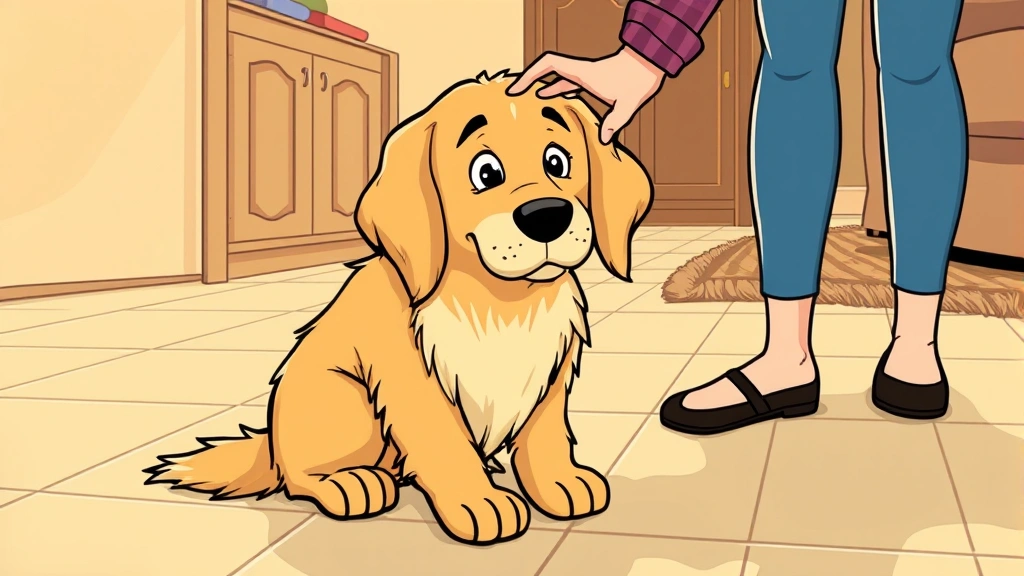
Your dog just had another accident on the kitchen tile, and you’re wondering if this is serious or just something that’ll pass. When your dog has diarrhea, it’s stressful—for both of you. The good news? Most cases resolve on their own with some smart home care. But knowing what to do (and what NOT to do) makes all the difference between a quick recovery and a vet visit that could’ve been prevented.
I’ve been a vet tech for over a decade, and I can tell you that dog has diarrhea is one of the top reasons people call the clinic in a panic. The reality is simpler than you think: most diarrhea in dogs comes down to diet, stress, or minor infections. In this guide, I’ll walk you through exactly what causes it, when to worry, and the proven steps to get your pup feeling better fast.
What Actually Causes Diarrhea in Dogs
When your dog has diarrhea, something disrupted the balance in their digestive system. Think of their gut like a carefully choreographed dance—when one partner steps out of line, everything falls apart. Here are the real culprits:
- Dietary indiscretion (aka trash diving): Your dog ate something they shouldn’t have. Pizza crust, spoiled food, grass clippings, or that mysterious thing they found under the couch. This is the #1 reason I see dogs with loose stools.
- Food sensitivity or allergy: Some dogs react to chicken, beef, wheat, or dairy. Their system says “nope” and clears everything out.
- Stress and anxiety: Moving, new pets, loud noises, or schedule changes can trigger stress-related diarrhea. Dogs are creatures of habit.
- Parasites: Giardia, hookworms, and roundworms are sneaky. Check if your dog has worms if diarrhea persists beyond a few days.
- Viral or bacterial infections: Parvovirus, E. coli, or salmonella can cause serious diarrhea. Dogs can even get the flu, which sometimes includes GI symptoms.
- Antibiotics or medications: Meds kill bad bacteria—but also some good bacteria. Diarrhea during or after antibiotic use is common.
- Pancreatitis or inflammatory bowel disease: Chronic cases need veterinary attention.
The key insight? Most acute diarrhea (sudden onset, lasts 1-2 days) is mild and resolves with rest and a diet adjustment. Chronic diarrhea (ongoing for weeks) or diarrhea with other symptoms needs professional evaluation.
When to Call the Vet (Red Flags)
Not every case of dog has diarrhea requires a vet visit. But some do. Here’s your decision tree:
Call your vet immediately if:
- Diarrhea contains blood or looks like raspberry jam
- Your dog is vomiting too
- Your dog is lethargic, won’t eat, or acts depressed
- Diarrhea lasts more than 48 hours despite home care
- Your dog is a puppy, senior (over 7 years), or has a chronic health condition
- Your dog is straining but producing little or nothing (could be constipation instead)
- You suspect they ate something toxic
Schedule a regular appointment (not emergency) if:
- Mild diarrhea persists beyond 3-4 days
- Your dog seems fine but has occasional loose stools
- You want to rule out parasites or food allergies
Safe to monitor at home if:
- One or two loose stools, otherwise normal behavior
- No blood or mucus
- Your dog is eating and drinking normally
- No other symptoms
First Aid: What to Do Right Now
Your dog has diarrhea and you want to help. Here’s the immediate action plan:
- Stop feeding for 12 hours. Fasting gives the gut a chance to rest and reset. This sounds harsh, but it actually works. Skip meals, not water.
- Offer small amounts of water frequently. Don’t let them chug. Frequent small sips prevent dehydration better than one big bowl. Think of it like watering a plant—small amounts often beats one flood.
- Keep them calm and close to the bathroom. Stress makes diarrhea worse, so minimize activity. Let them rest.
- Clean up accidents without drama. Dogs feel embarrassed. Use enzymatic cleaners to remove odor completely.
- Monitor their behavior. Take their temperature if you have a thermometer. Normal is 101-102.5°F. Higher means infection.
After 12 hours of fasting, you can introduce bland food. But we’ll get into that next.
The Bland Diet Recovery Plan
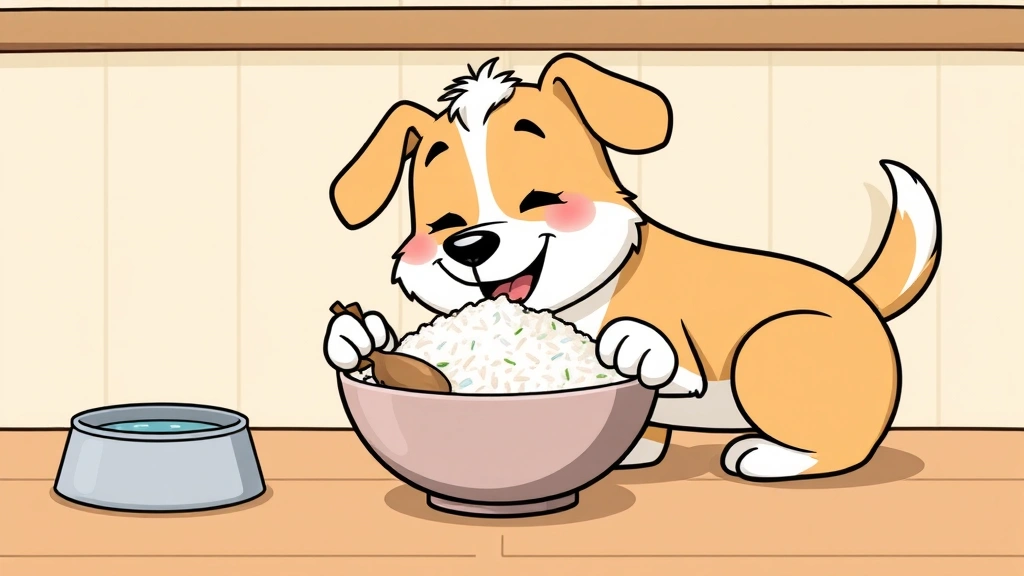
When your dog has diarrhea and you’re ready to feed again, bland is your best friend. The goal is easy-to-digest, low-fat food that won’t irritate the gut further.
The gold standard bland diet:
- Plain boiled chicken (skinless, no seasoning) + plain white rice (1:1 ratio)
- Plain boiled turkey + plain white rice
- Plain pumpkin puree (canned, NOT pie filling) mixed with rice
- Sweet potato (boiled, no butter or seasoning)
Start with small portions—about 1/4 of their normal meal size. Feed 3-4 times daily instead of once or twice. This keeps the load on their digestive system light.
How long? Stay on bland diet for 3-5 days. Then gradually mix in their regular food over another 3-5 days, increasing the regular food percentage each day. If diarrhea returns, slow down the transition.
Pro Tip: Boil chicken in water with no salt. Save the broth—a little mixed into the rice makes it more palatable and adds nutrients. Just don’t overdo the broth; stick to mostly rice and chicken.
Some owners ask about commercial bland diet foods. They work, but homemade is cheaper and you control every ingredient. The only exception: if your dog has severe pancreatitis, your vet might recommend a prescription low-fat diet.
For more detailed help with diarrhea recovery, check our comprehensive guide. And if you’re unsure about what to feed, here’s our step-by-step guide on what to do if your dog has diarrhea.
Hydration and Electrolytes
This is huge and often overlooked. Diarrhea causes fluid loss, and dehydration sneaks up fast—especially in small dogs and puppies.
Signs of dehydration:
- Dry gums (should be moist and pink)
- Skin tenting (pinch skin on the back; it should snap back immediately, not slowly)
- Lethargy or excessive panting
- Sunken eyes
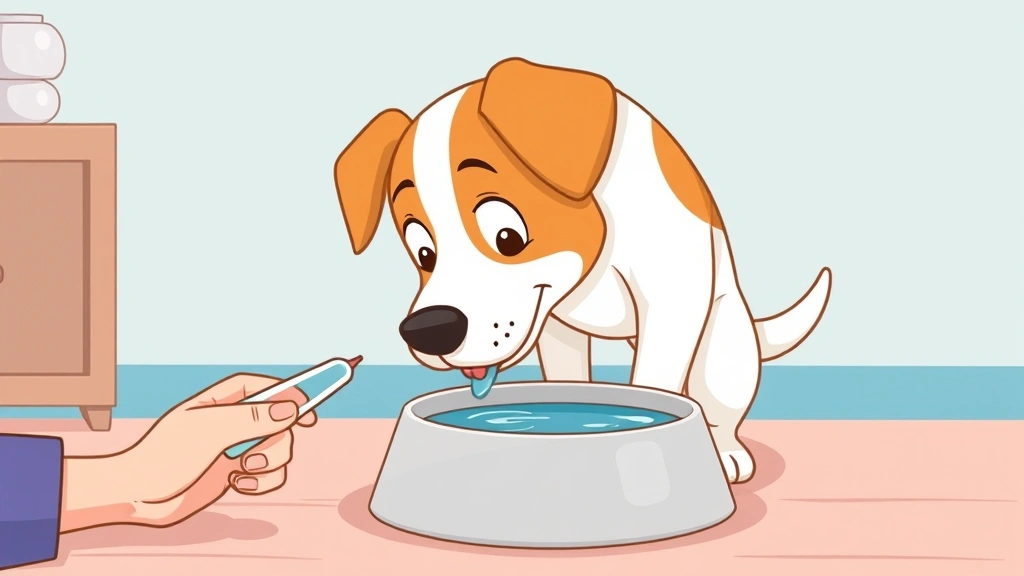
Plain water is good, but you can give your dog Pedialyte to replace electrolytes lost through diarrhea. Pedialyte is safe for dogs and actually helps absorption better than water alone. Use the unflavored version, never the ones with xylitol (which is toxic to dogs).
How much? Offer water or Pedialyte in small amounts every 30-60 minutes. If your dog won’t drink, try ice chips or diluted broth (low-sodium). Some dogs prefer lapping from a spoon rather than a bowl.
According to the Association of American Feed Control Officials (AAFCO), proper hydration is critical during any illness. If your dog won’t drink or shows signs of severe dehydration, that’s a vet visit.
Probiotics and Supplements That Actually Work
Here’s where I get real: not all probiotics are created equal. Some are marketing fluff. But the good ones? They actually help.
What probiotics do: They repopulate the gut with beneficial bacteria, especially if antibiotics wiped them out. They help restore the gut barrier and reduce inflammation.
Which ones work:
- Proviable: Veterinary-grade, multi-strain probiotic. Gold standard in clinics.
- FortiFlora: Specific strain (Enterococcus faecium) proven for dogs. Comes in packets you sprinkle on food.
- Align or Culturelle: Human probiotics that are safe for dogs, though vet brands are more potent.
Timing: Start probiotics after the acute diarrhea phase (day 2-3), not during. They work better once the gut is calmer.
Other helpful supplements:
- Pumpkin puree: High fiber, helps firm stools. 1-4 tablespoons depending on dog size. Real pumpkin, not pie filling.
- Slippery elm bark: Soothes the GI tract. Safe and gentle.
- Bone broth: Adds amino acids and is easy to digest. Use low-sodium, no onions or garlic.
Fair warning: supplements aren’t regulated like medications. Buy from reputable brands or ask your vet for recommendations. The cheap stuff from random online stores might not contain what the label says.
Prevention: Stop It Before It Starts
The best medicine is prevention. Here’s how to keep your dog from getting diarrhea in the first place:
- Control their diet. Feed consistent, high-quality food. Sudden diet changes cause diarrhea. If switching foods, do it gradually over 7-10 days, mixing old and new.
- No table scraps or “people food.” I know it’s tempting. But your dog’s digestive system is different from yours. Fatty foods, spices, and rich treats cause problems.
- Keep trash and hazards out of reach. Crate them when you can’t supervise. Use baby gates. Diarrhea from eating garbage is preventable.
- Regular parasite prevention. Monthly heartworm/flea/tick meds also prevent intestinal parasites. Ask your vet which product is best for your dog.
- Manage stress. Maintain routine. Exercise helps. Anxiety meds (prescribed by your vet) can help in extreme cases.
- Update vaccinations. Especially parvovirus. Check AKC.org for breed-specific health recommendations.
- Regular vet checkups. Annual exams catch issues early. Fecal tests screen for parasites even if you don’t see symptoms.
- Hydration year-round. Fresh water always available. Dehydration contributes to digestive issues.
One more thing: if your dog has recurrent diarrhea (multiple times per year), it’s worth investigating food allergies or sensitivities. Your vet can run tests or recommend an elimination diet to identify triggers.
Frequently Asked Questions
Is my dog’s diarrhea contagious to other dogs?
– It depends on the cause. If it’s parasites or certain viruses (like parvovirus), yes—keep them separated. If it’s from eating garbage or food sensitivity, no. When in doubt, assume it’s contagious and separate them until you know.
Can I give my dog over-the-counter anti-diarrheal medication like Imodium?
– Generally no, unless your vet says it’s okay. Anti-diarrheals can trap toxins or bacteria inside the system, making things worse. The diarrhea is your dog’s body’s way of flushing out the problem. Let it happen, but support them with hydration and diet.
How do I know if my dog’s diarrhea is serious?
– Serious diarrhea has blood, mucus, or is accompanied by vomiting, lethargy, or fever. Mild diarrhea is soft stool but your dog acts normal. When in doubt, call your vet. They’d rather you ask than have you miss something important.
What’s the difference between diarrhea and colitis?
– Colitis is inflammation of the colon, and it causes diarrhea with mucus or blood. Diarrhea is a symptom; colitis is a condition. If your dog has bloody or mucusy stools repeatedly, ask your vet about colitis specifically.
Can stress really cause diarrhea in dogs?
– Absolutely. Dogs have a gut-brain connection just like humans. Anxiety, fear, or schedule changes trigger “stress colitis.” Keep them calm, maintain routine, and consider calming supplements or medications if stress diarrhea is a pattern.
How long does it take for a dog to recover from diarrhea?
– Most mild cases resolve in 24-48 hours with rest and bland diet. Moderate cases take 3-5 days. Chronic or severe diarrhea can take weeks and requires veterinary care. If it’s not improving after a week of home care, see your vet.
Should I give my dog probiotics while they have diarrhea?
– Wait 1-2 days. Probiotics work better once the acute phase is calming down. Starting them too early is like trying to plant seeds in a flood. Wait for the water to recede first.
Can I prevent diarrhea by changing my dog’s food?
– Sometimes. If your dog has recurrent diarrhea, food sensitivity might be the cause. High-quality, limited-ingredient diets help some dogs. But change food gradually (over 7-10 days) to avoid triggering more diarrhea. Work with your vet to identify the best food for your dog.
Bottom line: When your dog has diarrhea, stay calm. Most cases are mild and resolve with fasting, bland diet, and hydration. Watch for red flags, keep them comfortable, and call your vet if things don’t improve or get worse. You’ve got this.





