
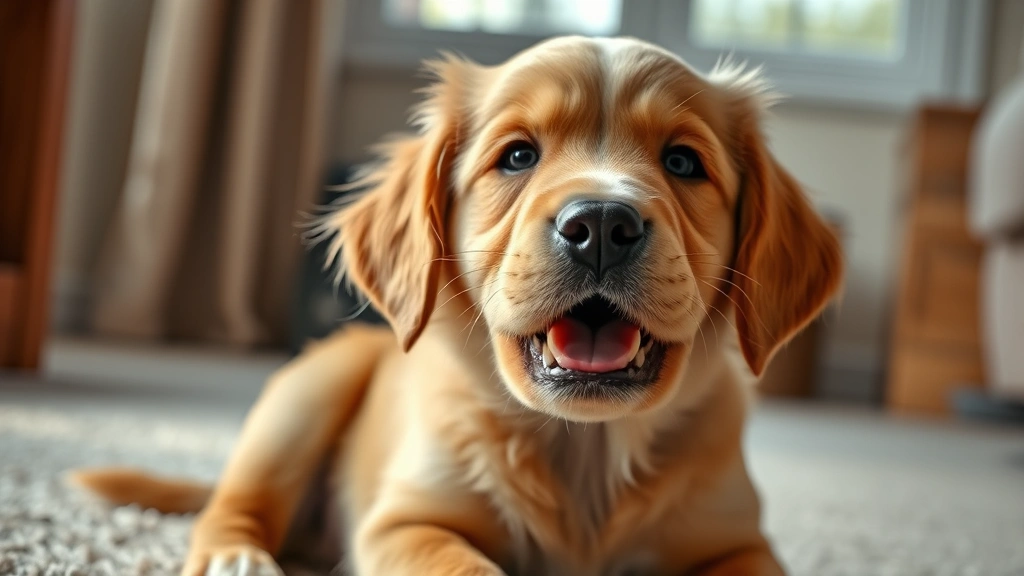
So your pup is sitting there making those adorable little “hic” sounds, and you’re wondering if your dog has hiccups or if something’s seriously wrong. Good news: dog hiccups are usually harmless and totally normal, just like in humans. But that doesn’t mean you can’t help your furry friend feel better faster. Let’s dive into what causes those funny little spasms and the five best ways to stop them in their tracks.
Table of Contents
- What Causes Dog Hiccups Anyway?
- Why Puppies Get Hiccups More Than Adult Dogs
- Method #1: The Slow-Down-Feeding Approach
- Method #2: The Water Temperature Trick
- Method #3: Gentle Belly Massage and Relaxation
- Method #4: The Distraction Technique
- Method #5: Adjust Their Diet and Eating Habits
- When Should You Actually Worry?
- Old Wives’ Tales That Don’t Work for Dogs
- How Long Do Dog Hiccups Usually Last?
- Frequently Asked Questions
- Final Thoughts: Your Dog’s Hiccups Are Usually No Big Deal
What Causes Dog Hiccups Anyway?
When your dog has hiccups, it’s typically caused by involuntary contractions of the diaphragm—that muscle below the lungs responsible for breathing. Puppies get hiccups way more often than adult dogs, kind of like how babies hiccup constantly. The exact reason? Scientists aren’t 100% sure, but we know several triggers can set them off.
Common culprits include eating too fast, sudden temperature changes (like gulping cold water on a hot day), excitement, or even swallowing air. Sometimes stress or anxiety can trigger hiccups too, which is why calming foods for anxious pets might help prevent them in nervous pups.
Why Puppies Get Hiccups More Than Adult Dogs
If you’ve got a young pup, you’ve probably noticed they hiccup constantly. There’s actually a reason for this. Puppies’ nervous systems are still developing, making them more prone to those involuntary diaphragm spasms. Their digestive systems are also less mature, so they’re more likely to eat too quickly or swallow air during meals. Most puppies outgrow frequent hiccups as they mature, so don’t stress if your little furball is hiccupping like crazy.
Method #1: The Slow-Down-Feeding Approach
The number one cause of dog hiccups? Eating like they’ve never seen food before. If your dog has hiccups shortly after mealtime, fast eating is likely the culprit. Here’s how to fix it:
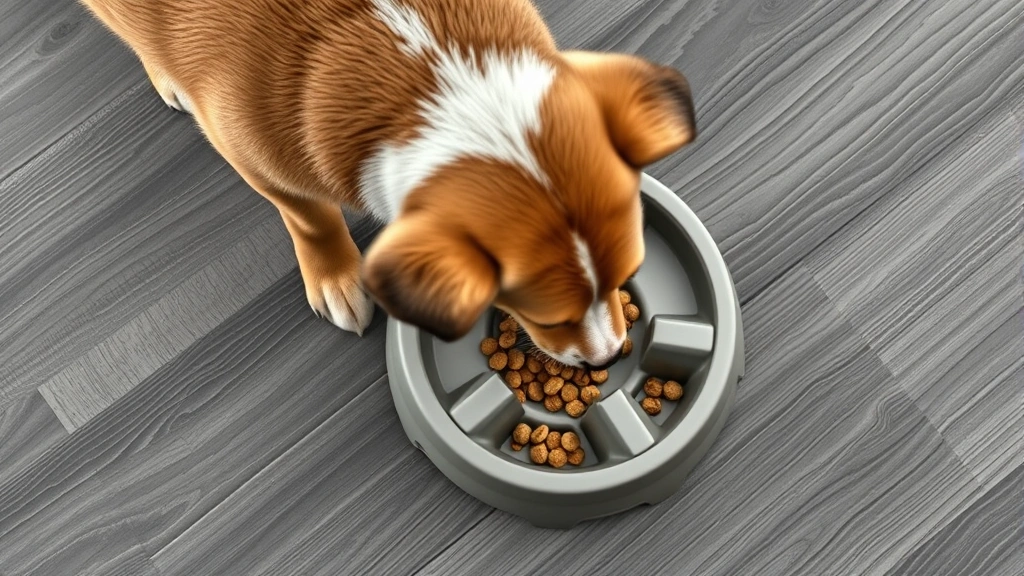
Switch to a slow-feeder bowl with built-in obstacles that force your pup to eat around barriers. You can also hand-feed smaller portions, spread meals across the day, or add water to dry kibble to make it easier to consume slowly. These simple changes work wonders for reducing hiccup episodes. If your dog struggles with digestive issues alongside hiccups, check out our guide on bland diet recipes for sick pets to see if dietary adjustments help.
Method #2: The Water Temperature Trick
Temperature changes can trigger hiccups, so try offering your dog lukewarm water instead of ice-cold water straight from the fridge. Some vets recommend letting your pup drink small amounts of water at room temperature when they have hiccups. Avoid sudden exposure to cold air or drastic temperature shifts. If your dog just came inside from playing in the snow, let them warm up gradually before offering water.
Method #3: Gentle Belly Massage and Relaxation
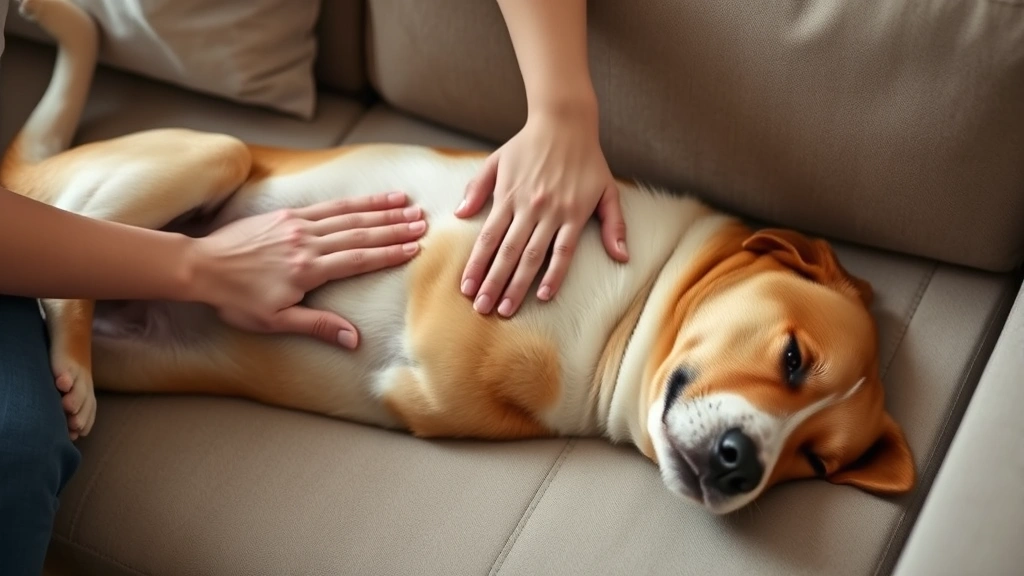
Sometimes a good belly rub is all your dog needs. Gently massage your pup’s stomach in circular motions while they’re lying down. This can help relax the diaphragm and ease those spasms. Combine this with some calm, quiet time—no roughhousing or excitement. Create a zen environment where your dog can chill out. You might even play some soft music. This works especially well if stress or overstimulation triggered the hiccups in the first place.
Method #4: The Distraction Technique
Sometimes the best cure is a good distraction. Engage your dog in a fun activity like a short play session, a walk around the block, or working on a training command. Getting their mind off the hiccups often makes them disappear naturally. The change in breathing patterns during activity can reset the diaphragm. Just keep it low-key—you don’t want to overstimulate them if anxiety caused the hiccups initially.
Method #5: Adjust Their Diet and Eating Habits
Long-term hiccup prevention comes down to diet. Feed smaller, more frequent meals rather than one or two large ones. Make sure your dog isn’t gulping air while eating—mouth position matters. Some dogs benefit from elevated food bowls. If your pup has sensitive digestion, anti-inflammatory foods for pets might reduce digestive upset that triggers hiccups. Always ensure fresh water is available, but monitor intake around mealtimes.
When Should You Actually Worry?
Here’s the thing: occasional hiccups are completely normal and nothing to panic about. However, if your dog has hiccups that last more than a few hours, or if they’re accompanied by other symptoms like coughing, difficulty breathing, vomiting, or lethargy, it’s time to call your vet. These could indicate something more serious like respiratory issues, parasites, or gastrointestinal problems. For guidance on when professional help is needed, check out when to call the vet about food issues and other health concerns.
Old Wives’ Tales That Don’t Work for Dogs
You’ve probably heard some wild hiccup remedies for humans—holding your breath, getting scared, eating peanut butter. Here’s the truth: these don’t work for dogs, and some could actually be dangerous. Don’t try to scare your pup (that’s just mean), and definitely don’t withhold water or try any extreme measures. Stick to the proven methods above. If you’re ever unsure about a remedy’s safety, ask your vet before trying anything new.
How Long Do Dog Hiccups Usually Last?
Most hiccup episodes in dogs last anywhere from a few minutes to a few hours. Puppies might hiccup on and off throughout the day without it being a big deal. If your dog has hiccups that persist for more than 24 hours, or if they seem distressed, that’s your signal to reach out to a veterinary professional. In rare cases, chronic hiccups could indicate an underlying health issue that needs attention.
Frequently Asked Questions
Can I give my dog medicine for hiccups?
Most vets don’t recommend medication for simple hiccups since they’re usually harmless and resolve on their own. However, if hiccups are caused by an underlying condition like acid reflux or anxiety, your vet might prescribe something to address the root cause. Always consult your veterinarian before giving your dog any medication.
Is it normal for puppies to hiccup a lot?
Absolutely! Puppies hiccup frequently because their nervous systems are still developing. It’s completely normal and nothing to worry about. Most puppies outgrow frequent hiccups as they mature into adulthood. If hiccups are accompanied by other symptoms, then it’s worth mentioning to your vet.
Can hiccups be a sign of illness in dogs?
Occasional hiccups are normal, but persistent hiccups combined with other symptoms could indicate a problem. Watch for coughing, difficulty breathing, loss of appetite, or lethargy. If you notice these signs alongside hiccups, contact your vet. For serious concerns, emergency food poisoning telehealth services can provide quick guidance.
Do different dog breeds get hiccups more than others?
All dogs can get hiccups regardless of breed, but puppies of any breed are more prone to them than adults. Some sources suggest that brachycephalic breeds (flat-faced dogs like Bulldogs and Pugs) might experience hiccups more frequently due to their unique respiratory anatomy, but this varies by individual dog.
What’s the difference between hiccups and reverse sneezing?
This is a great question! Reverse sneezing sounds different from hiccups—it’s more of a snorting or honking sound, and the dog is inhaling forcefully rather than experiencing involuntary diaphragm spasms. Reverse sneezing is also usually harmless and resolves quickly. If you’re unsure which one your dog has, record a video and show your vet.
Final Thoughts: Your Dog’s Hiccups Are Usually No Big Deal
When your dog has hiccups, take a breath and remember that it’s almost always harmless. Most hiccup episodes resolve on their own within minutes to hours. Try the five methods above—slow feeding, water temperature adjustments, belly massages, distraction, and dietary tweaks—to help your pup feel better faster. Keep an eye out for any accompanying symptoms, and don’t hesitate to contact your vet if something seems off. In the meantime, enjoy those cute little “hic” sounds because they won’t last long!





