
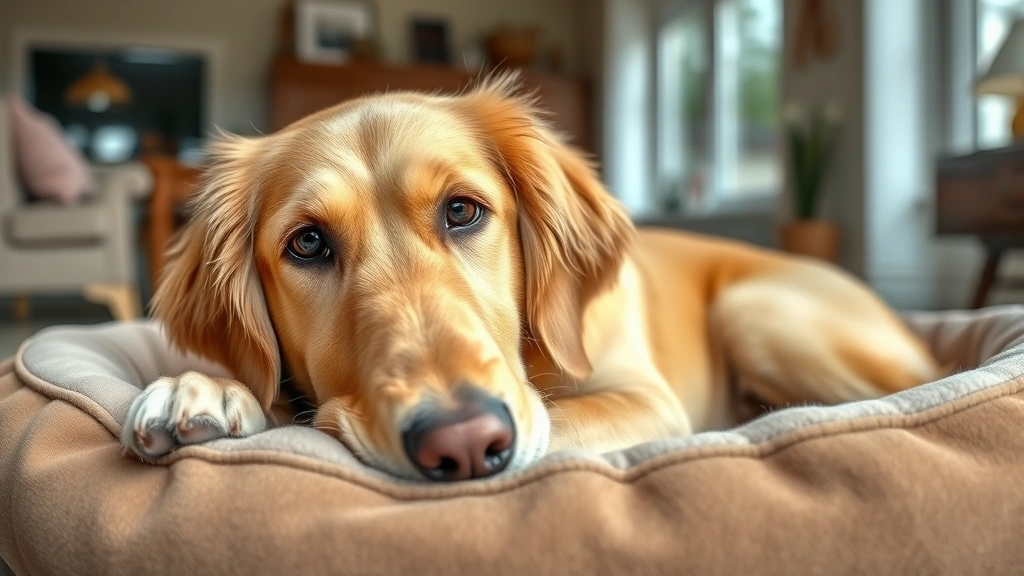
If your dog is having diarrhea, you’re probably dealing with one of the most frustrating aspects of pet ownership—and trust me, you’re not alone. Whether it’s a one-time incident or a recurring nightmare, loose stools can turn your pup’s day (and yours) upside down. But here’s the good news: most cases of canine diarrhea are manageable with the right approach, and some can be resolved faster than you’d think.
Table of Contents
- What Causes Dogs to Have Diarrhea in the First Place?
- Solution #1: The Bland Diet Reset
- Solution #2: Hydration and Electrolyte Balance
- Solution #3: Probiotics and Digestive Support
- Solution #4: Identify and Eliminate Trigger Foods
- Solution #5: Know When to Call the Vet
- Prevention: Stop Diarrhea Before It Starts
- The Timeline: What to Expect
- Special Considerations for Different Ages
- Food Safety: What You Can and Can’t Give
- Frequently Asked Questions
- Summary: Getting Your Dog Back on Track
Let’s cut through the mess and talk about what actually works.
What Causes Dogs to Have Diarrhea in the First Place?
Before we jump into solutions, understanding why your dog is having diarrhea matters. The culprits are usually pretty straightforward: sudden diet changes, food sensitivities, eating something they shouldn’t have, stress, parasites, or infections. Sometimes it’s as simple as your pup getting into the trash, and other times it signals something that needs veterinary attention.
The key is knowing when to panic and when to grab some pumpkin puree. Most acute diarrhea cases resolve within 24-48 hours, but chronic diarrhea (lasting more than a few weeks) requires professional evaluation.
Solution #1: The Bland Diet Reset
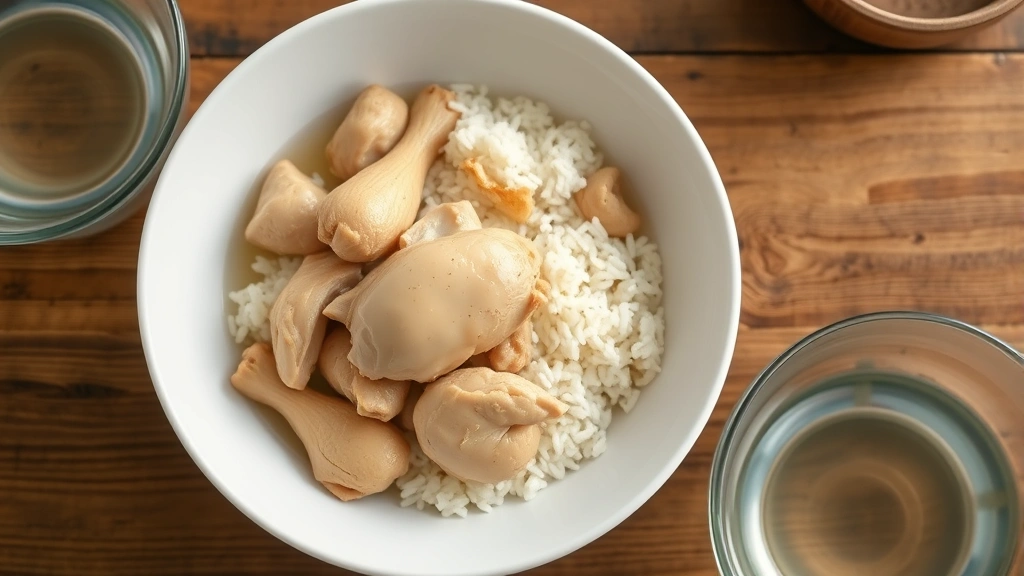
When your dog is having diarrhea, one of the fastest fixes is switching to a bland diet temporarily. This gives their digestive system a break from processing complex foods. The classic combo? Boiled chicken and white rice in a 1:2 ratio.
Feed small, frequent meals (three to four times daily) rather than the usual one or two larger meals. This approach reduces stress on the GI tract and helps with nutrient absorption. You can also incorporate convalescence foods from the kitchen that are specifically designed to support recovery.

Stick with this bland diet for 3-7 days, then gradually reintroduce their regular food by mixing in increasing amounts of their normal kibble with the bland diet. Rush this transition, and you’ll be right back where you started.
Solution #2: Hydration and Electrolyte Balance
Dogs having diarrhea lose fluids and essential electrolytes fast. Dehydration is actually more dangerous than the diarrhea itself in some cases. Make sure fresh water is always available, and encourage drinking by offering it frequently.
If your dog isn’t drinking enough, try offering water in different ways: a water fountain, ice cubes, or low-sodium bone broth (cooled). Some vets recommend electrolyte solutions designed for dogs, which can help restore the mineral balance lost during loose stools.
Watch for signs of severe dehydration: sunken eyes, excessive panting, or lethargy. If you notice these, contact your vet immediately.
Solution #3: Probiotics and Digestive Support
Your dog’s gut health depends on beneficial bacteria, and diarrhea disrupts this balance. Probiotics specifically formulated for dogs can help restore intestinal flora and speed recovery. Look for products with multiple bacterial strains like Lactobacillus and Bifidobacterium.

Pumpkin puree (plain, not pie filling) is another game-changer for dogs having diarrhea. It’s rich in fiber and helps firm up stools naturally. A tablespoon or two mixed into their food can work wonders within 24 hours for many dogs.
Bone broth (unsalted and made without onions or garlic) provides amino acids that support gut lining health. It’s soothing, nutritious, and most dogs find it irresistible.
Solution #4: Identify and Eliminate Trigger Foods
If your dog is having diarrhea repeatedly, food sensitivities might be the culprit. Common triggers include chicken, beef, dairy, wheat, and corn. Keep a food diary noting what your dog ate before diarrhea episodes started.
Consider switching to low-fat human food options or limited-ingredient commercial diets designed for sensitive stomachs. Avoid table scraps entirely during the recovery period—I know it’s tempting when those puppy eyes look up at you, but it’s not worth the cleanup.
Be cautious with treats too. Many commercial dog treats are loaded with fillers and artificial ingredients that can trigger digestive upset. Stick to simple, whole-food options during this time.
Solution #5: Know When to Call the Vet
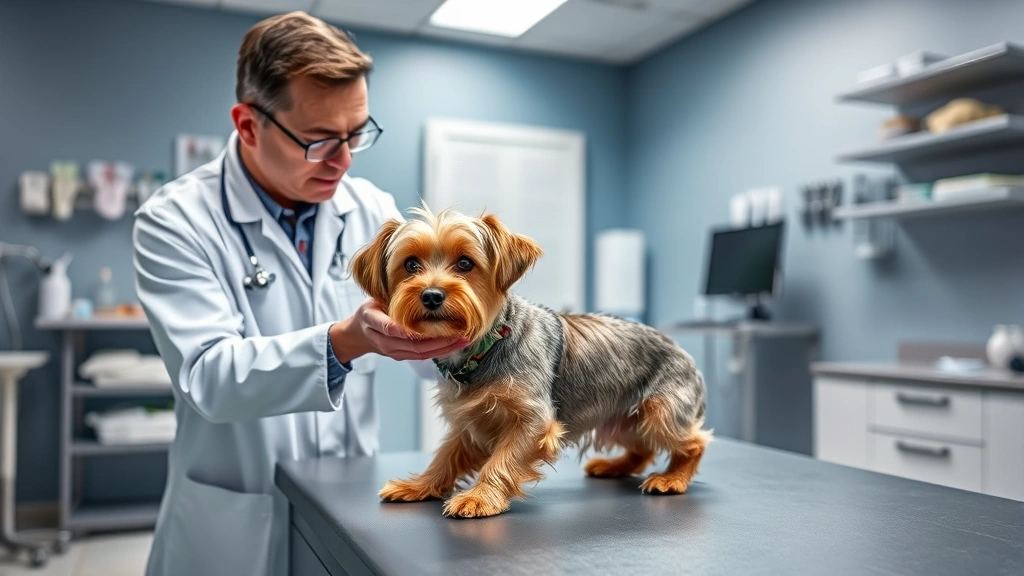
This is crucial: not all dog diarrhea is created equal. If your dog is having diarrhea accompanied by vomiting, blood in stool, severe lethargy, loss of appetite, or if it lasts more than 48 hours, get professional help.
Your vet can rule out parasites, bacterial infections, and more serious conditions. They might recommend prescription medications, special diets, or additional testing depending on the severity. For human foods for pets with liver disease or other health conditions, veterinary guidance is essential.
Don’t hesitate to reach out to your vet’s emergency line if your dog shows signs of distress. Better safe than sorry.
Prevention: Stop Diarrhea Before It Starts
Once you’ve dealt with a dog having diarrhea, you’ll want to prevent it from happening again. Here’s what works:
Maintain consistent feeding: Stick with the same food and feeding schedule. Sudden changes are a major diarrhea trigger.

Secure the trash: Keep garbage cans locked or out of reach. Dogs love finding “snacks” in the trash that upset their stomachs.
Avoid people food: Especially toxic items. Check our guide on toxic vegetables for dogs and other dangerous foods before sharing anything from your plate.
Regular parasite prevention: Work with your vet on a parasite control schedule appropriate for your dog’s age and lifestyle.
Manage stress: Anxiety can trigger digestive issues. Provide adequate exercise, mental stimulation, and a calm environment.
The Timeline: What to Expect
Most dogs having diarrhea show improvement within 24-48 hours of starting a bland diet and increasing hydration. However, complete recovery might take a week or two, especially if the underlying cause was a dietary indiscretion.
Chronic diarrhea cases might require ongoing dietary management or medication. Work closely with your vet to identify patterns and triggers specific to your dog.
Special Considerations for Different Ages
Puppies having diarrhea are more vulnerable to dehydration and need closer monitoring. Senior dogs might have underlying conditions contributing to loose stools. Breed-specific sensitivities also play a role—some breeds are naturally prone to digestive issues.
Always adjust your approach based on your dog’s age, size, and overall health status. What works for one dog might not work for another.
Food Safety: What You Can and Can’t Give
While your dog recovers, stick to safe options. If you’re wondering about specific foods, check our resource on can dogs eat apples and similar questions before introducing anything new.
Never give your dog anything containing xylitol, chocolate, grapes, raisins, onions, or garlic. These are toxic and can cause serious harm. When in doubt, consult the pet poison hotline for immediate guidance.

Frequently Asked Questions
How long does dog diarrhea typically last?
Most acute diarrhea cases resolve within 24-48 hours with proper care. However, if it persists beyond 48 hours or is severe, contact your vet. Chronic diarrhea lasting weeks requires professional evaluation and might need ongoing management.
Is it safe to give my dog over-the-counter anti-diarrheal medication?
Never give your dog human medications like Imodium without veterinary approval. Some anti-diarrheal drugs can be harmful to dogs, especially if the diarrhea is caused by infection. Always consult your vet first.
Can stress cause diarrhea in dogs?
Absolutely. Anxiety, changes in routine, or stressful events can trigger digestive upset. If you notice diarrhea coinciding with stressful situations, work on reducing stress and creating a calm environment for your pup.
What’s the difference between acute and chronic diarrhea?
Acute diarrhea comes on suddenly and usually resolves quickly—often from eating something bad or minor infections. Chronic diarrhea lasts more than three weeks and might indicate food sensitivities, parasites, or underlying health conditions requiring ongoing management.
Should I fast my dog if they have diarrhea?
Short fasting periods (12-24 hours) can help, but don’t extend it longer without vet approval. Puppies and senior dogs shouldn’t be fasted. Instead, offer small, frequent bland meals to support recovery while giving the digestive system a break.
Summary: Getting Your Dog Back on Track
A dog having diarrhea doesn’t have to mean days of stress and mess. By implementing these five proven solutions—bland diet, hydration, probiotics, trigger food elimination, and knowing when to seek professional help—you can tackle the problem quickly and effectively.
Remember, most cases of canine diarrhea are manageable at home with patience and the right approach. But don’t ignore warning signs, and always prioritize your dog’s hydration and comfort. When in doubt, call your vet. They’re there to help you and your pup get back to normal faster.
Your dog will be back to their happy, healthy self before you know it. And next time, you’ll know exactly what to do.





