
Your dog suddenly starts hiccupping, and you can’t help but smile—those little spasms are genuinely adorable. But as a vet tech who’s seen thousands of dogs, I’ll be real with you: while dog hiccups are usually nothing to worry about, they can sometimes signal something worth paying attention to. Let’s talk about what causes dog hiccups, when they’re just cute quirks, and when you might need to call your vet.
Dog hiccups happen for pretty much the same reason yours do. A sudden contraction of the diaphragm (the muscle below the lungs that controls breathing) causes that involuntary “hic” sound. Most of the time, dog hiccups resolve on their own within minutes. But understanding what triggers them—and what to do if they won’t stop—makes you a smarter pet parent.
What Causes Dog Hiccups?
Dog hiccups are involuntary spasms of the diaphragm. When this muscle suddenly contracts, your dog’s vocal cords snap shut momentarily, creating that distinctive “hic” sound. It’s the same mechanism that causes hiccups in humans, and honestly, we don’t fully understand why the body does it at all. Some scientists think it’s a leftover reflex from our evolutionary past.
In dogs, several things can trigger the diaphragm to spasm:
- Eating too fast: Gulping food without chewing properly can irritate the esophagus and trigger hiccups.
- Excitement or sudden temperature changes: A spike in adrenaline or a quick shift from warm to cold (or vice versa) can set off hiccups.
- Swallowing air: Playing intensely, panting, or breathing rapidly can introduce excess air into the stomach.
- Stomach distension: An overly full stomach puts pressure on the diaphragm.
- Irritation of the phrenic nerve: This nerve controls the diaphragm. If it gets irritated, hiccups can result.
The good news? Most dog hiccups are benign and self-limiting. They typically stop within 5 to 10 minutes without any intervention.
When Dog Hiccups Are Totally Normal
Let me be direct: if your dog hiccups for a few minutes and then stops, you don’t need to do anything. This is completely normal. Puppies especially get hiccups frequently—sometimes multiple times a day—and it’s nothing to stress about.
Dog hiccups are most common in these situations:
- Right after eating a big meal
- During or after playtime (when breathing is elevated)
- When transitioning from a warm room to a cold one
- After drinking water quickly
- During moments of excitement or anxiety
If your dog is otherwise acting normal—eating, playing, sleeping, no coughing or vomiting—then those hiccups are just part of being a dog. They’re actually kind of endearing to watch.
However, if you notice your dog’s hiccups accompanied by other symptoms, that’s when you pay closer attention. If your dog is also coughing, that could indicate something different than simple hiccups. Similarly, if hiccups persist for hours or your dog seems distressed, it’s time to investigate further.
When You Should Be Concerned About Dog Hiccups
Here’s the reality: persistent dog hiccups lasting more than a few hours, especially if they’re accompanied by other symptoms, warrant a vet visit. I’ve seen cases where what looked like hiccups was actually a sign of something more serious.
Red flags to watch for:
- Hiccups lasting longer than 30 minutes: Occasional longer episodes happen, but if they’re recurring throughout the day, that’s worth mentioning to your vet.
- Hiccups + coughing: This combination can indicate respiratory issues, kennel cough, or even heart problems. Don’t ignore this.
- Hiccups + vomiting or gagging: Could signal gastroesophageal reflux, food sensitivities, or GI obstruction.
- Hiccups + lethargy: If your dog seems tired, uninterested in play, or otherwise “off,” hiccups might be a symptom of something systemic.
- Hiccups + difficulty breathing: This is an emergency. Call your vet immediately.
- Hiccups in senior dogs with no history: A sudden change in your older dog’s behavior, including new-onset hiccups, deserves professional evaluation.
According to the American Kennel Club, while dog hiccups are usually harmless, persistent hiccupping can occasionally be linked to more serious conditions like myocarditis (heart inflammation) or diaphragmatic paralysis. This is rare, but it’s why context matters.
5 Simple Tips to Stop Dog Hiccups
Most of the time, dog hiccups stop on their own. But if your pup’s hiccups are bothering them (or you), here are some gentle techniques that often help:
1. Stay Calm and Let Time Do Its Thing
Seriously. The best remedy is patience. Most dog hiccups resolve within 5 to 10 minutes. Trying to “fix” them can actually stress your dog out, which might make hiccups last longer. Just observe and wait.
2. Offer Water or a Treat
Sometimes, swallowing something can interrupt the hiccup cycle. Offer your dog a small drink of water or a tiny treat. The act of swallowing can reset the diaphragm’s rhythm. Don’t force it, though—if your dog isn’t interested, move on.
3. Try Gentle Distraction
Redirect your dog’s attention with a toy, a short walk, or some gentle play. A change of scenery or activity can interrupt the hiccup pattern. Plus, if your dog’s mind is elsewhere, you might not even notice the hiccups anymore.
4. Slow Down Mealtime
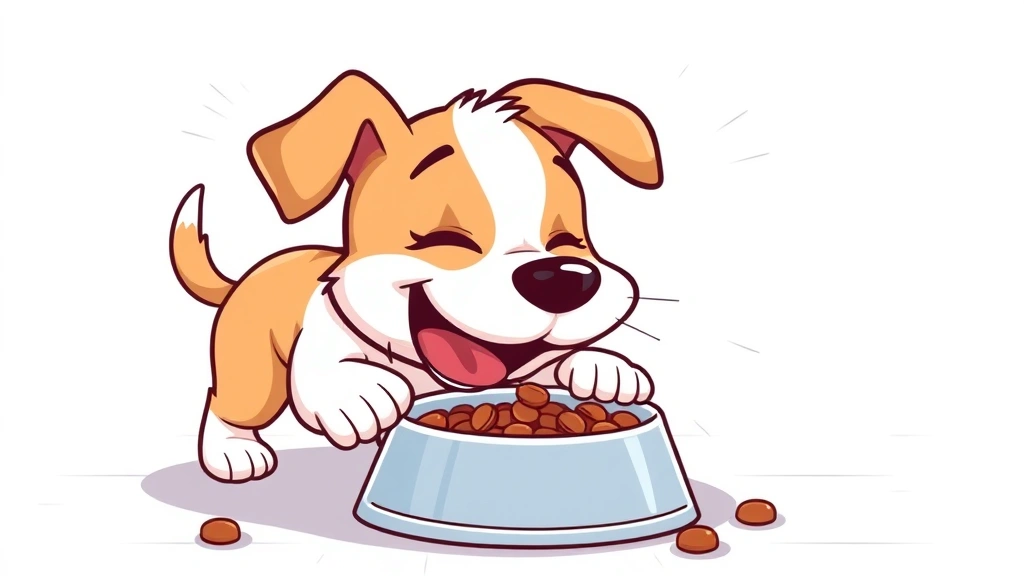
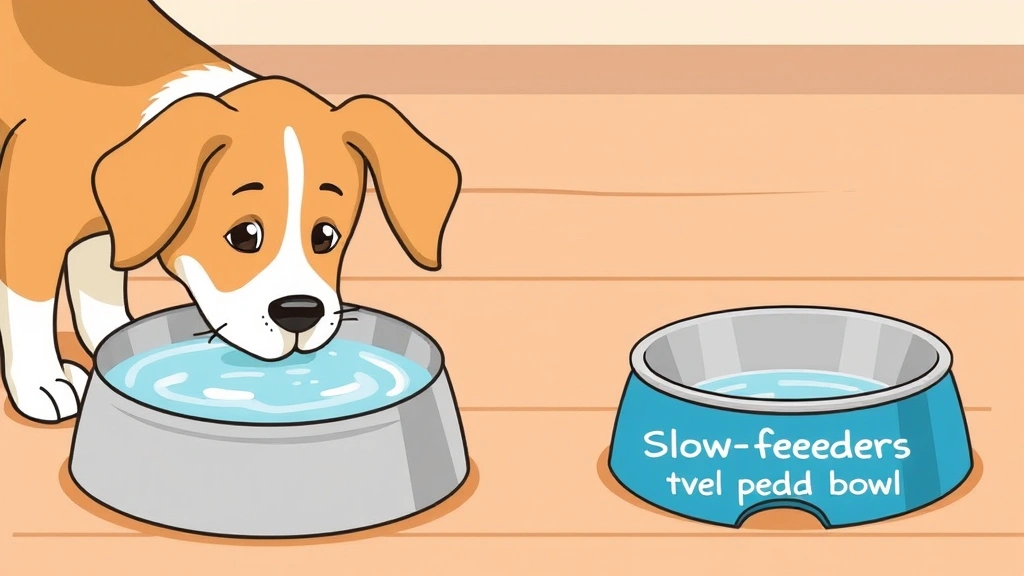
If dog hiccups happen regularly after eating, it’s likely your dog is eating too fast. Invest in a slow-feeder bowl or puzzle feeder. These force your dog to eat more deliberately, reducing the amount of air they swallow and minimizing hiccup triggers. This is a preventive measure, not an acute fix, but it’s one of the most effective long-term strategies.
5. Avoid Sudden Temperature Shifts
If your dog just came in from the cold and is hiccupping, let them gradually warm up. Don’t immediately place them near a heater. Similarly, if they’re hot and panting, don’t suddenly expose them to cold air. Gradual transitions reduce diaphragm irritation.
Pro Tip: Don’t try the “scare a dog” method that works on humans. Startling your dog might stop hiccups momentarily, but it’s stressful for them and honestly not worth it. Stick with gentler approaches.
Why Puppies Get Hiccups More Often
If you’ve ever owned a puppy, you know they seem to hiccup constantly. There’s a reason for this: puppies are still developing their nervous system control, and their diaphragm is particularly sensitive. Additionally, puppies eat faster, play harder, and get excited more easily—all hiccup triggers.
Puppy hiccups are almost always harmless. In fact, they’re so common that vets consider them a normal part of puppy development. By the time dogs reach adulthood, hiccups become less frequent.
That said, if your puppy’s hiccups seem extreme—like multiple episodes per day for weeks—mention it at your next wellness visit. Your vet can rule out any underlying issues, though this is rare.
Dog Hiccups and Underlying Health Issues
While dog hiccups are usually innocent, persistent or frequent hiccups can occasionally indicate an underlying condition. Here’s what to know:
Gastroesophageal Reflux Disease (GERD)
If your dog has acid reflux, the irritation can trigger hiccups. Dogs with GERD often also show signs of regurgitation, especially when lying down. If you suspect this, talk to your vet about dietary changes and potential medication.
Respiratory Issues
Conditions like chronic coughing or kennel cough can cause hiccups as a secondary symptom. The irritation to the respiratory tract can stimulate the phrenic nerve.
Megaesophagus
This is a condition where the esophagus becomes enlarged and loses its ability to contract properly. It can lead to hiccups, regurgitation, and aspiration pneumonia. This is more common in certain breeds and requires veterinary management.
Diaphragmatic Hernia
If part of an organ protrudes through the diaphragm, it can cause irritation and hiccups. This is usually the result of trauma and would present with other more obvious symptoms.
Heart Issues
Myocarditis (heart inflammation) can occasionally present with hiccups as one of several symptoms. This is rare in dogs but more common in certain breeds predisposed to heart disease. If your dog has a history of heart problems and suddenly develops persistent hiccups, mention it to your vet.
The key takeaway: if hiccups are accompanied by other symptoms or persist for hours, get a professional opinion. Your vet can perform an examination and, if needed, imaging to rule out anything serious.
How to Prevent Dog Hiccups
While you can’t eliminate dog hiccups entirely (and honestly, you don’t need to—they’re usually harmless), you can reduce their frequency:
- Use a slow-feeder bowl: This is the single most effective prevention strategy. By slowing down your dog’s eating pace, you reduce the amount of air they swallow and minimize stomach distension.
- Feed smaller, more frequent meals: Instead of one large meal, try two or three smaller portions throughout the day. This prevents overeating and reduces hiccup triggers.
- Keep water bowls away from food: Some dogs drink excessively right after eating, which can lead to hiccups. Separate these activities by a few minutes.
- Avoid excitement immediately after meals: Try to keep playtime calm for at least 15-30 minutes after eating. Vigorous activity on a full stomach can trigger hiccups.
- Maintain consistent room temperature: Avoid sudden temperature shifts when possible. If your dog goes outside in winter, let them acclimate gradually when returning indoors.
- Monitor treat intake: Treats can cause hiccups just like meals can. Be mindful of how many you’re giving and how quickly your dog is consuming them.
According to PetMD, most prevention strategies center around slowing down eating and maintaining a calm environment during and after meals. These simple changes can significantly reduce hiccup episodes in dogs prone to them.
Frequently Asked Questions
Are dog hiccups ever a sign of a serious problem?
– Rarely. Most dog hiccups are benign and resolve within minutes. However, if hiccups persist for hours, are accompanied by coughing, vomiting, or difficulty breathing, or if your dog seems distressed, contact your vet. Persistent hiccups can occasionally indicate conditions like GERD, respiratory disease, or in rare cases, heart issues.
How long do dog hiccups typically last?
– Most dog hiccups last between 5 to 10 minutes. Some episodes might last up to 30 minutes, which is still normal. If hiccups continue for several hours or recur frequently throughout the day, mention it to your vet.
Can I give my dog medication to stop hiccups?
– There’s no specific medication for dog hiccups, nor is it necessary. Hiccups are self-limiting and don’t require treatment. If your vet suspects an underlying condition (like GERD), they might prescribe medication for that condition, which could reduce hiccup frequency as a side effect.
Why do puppies hiccup so much?
– Puppies hiccup frequently because their nervous system is still developing, and their diaphragm is particularly sensitive. Additionally, puppies eat faster, play harder, and get excited more easily—all common triggers. This is completely normal and doesn’t indicate a problem.
Should I be worried if my dog hiccups after eating?
– No. Hiccups after meals are extremely common and usually just mean your dog ate quickly or too much. If this happens frequently, consider using a slow-feeder bowl or feeding smaller, more frequent meals.
Can dog hiccups be a sign of choking or aspiration?
– Hiccups alone are not a sign of choking. However, if your dog is hiccupping AND coughing, gagging, or having difficulty breathing, that’s different and requires immediate attention. These could indicate aspiration or airway obstruction.
Is there a difference between dog hiccups and reverse sneezing?
– Yes. Reverse sneezing is a different phenomenon where your dog rapidly inhales through the nose, often making a snorting or honking sound. It’s usually caused by nasal irritation or postnasal drip. Dog hiccups are diaphragmatic spasms that produce the “hic” sound. Both are usually harmless, but they’re distinct conditions.
Do certain dog breeds get hiccups more than others?
– There’s no strong evidence that certain breeds are more prone to hiccups. However, brachycephalic breeds (flat-faced dogs like Bulldogs and Pugs) might experience more respiratory-related hiccups due to their anatomy. Additionally, dogs that are naturally fast eaters or anxious might hiccup more frequently.
What should I do if my dog’s hiccups won’t stop?
– If hiccups persist for more than an hour, especially if accompanied by other symptoms like coughing, vomiting, or lethargy, contact your vet. They can perform an examination to rule out underlying conditions. In the meantime, keep your dog calm and comfortable.
Can stress cause dog hiccups?
– Indirectly, yes. Stress can cause rapid breathing and panting, which can lead to hiccups. Additionally, anxiety might cause a dog to eat faster or drink more water, both of which are hiccup triggers. If your dog seems stressed, try to create a calm environment.





