
Your dog won’t stop licking that one spot on their skin. It’s red, angry, maybe oozing a little. Welcome to the world of dog hot spots—one of the most frustrating (and honestly, gross) skin issues we see in the clinic. The good news? Hot spots are totally manageable once you know what you’re dealing with. A dog hot spot is an acute skin infection that develops fast, spreads faster, and drives your pup absolutely bonkers. In this guide, I’ll walk you through exactly what causes dog hot spots, how to treat them at home, when to call the vet, and how to prevent them from coming back.
What Is a Dog Hot Spot?
A dog hot spot—technically called acute moist dermatitis—is a localized bacterial skin infection that shows up suddenly and escalates quickly. Think of it like your dog’s skin equivalent of a pimple that went to the gym and got jacked. Within 24 to 48 hours, a small irritation can balloon into a weeping, inflamed patch that your dog will obsess over.
The spot typically appears as:
- A red, inflamed area (often circular)
- Moist or oozing discharge
- Hair loss in the affected zone
- A smell that’s… let’s call it “funky”
- Crusty or scabby texture
Hot spots are almost always self-inflicted. Your dog starts licking or scratching because something bothered them—an itch, a flea bite, or even just boredom—and then the licking itself damages the skin barrier. Bacteria move in, and boom: infection. It’s a vicious cycle that escalates fast.
What Causes Dog Hot Spots
Hot spots don’t happen in a vacuum. There’s always an underlying trigger. Here are the main culprits:
Parasites and Fleas
This is the #1 cause. A single flea bite can trigger obsessive licking in sensitive dogs. Even if you don’t see fleas, they could be there. This is why year-round flea prevention is non-negotiable. Check out our guide on why dogs chew paws for more on parasitic triggers.
Allergies (Food and Environmental)
Dogs with allergies scratch more, which creates micro-tears in the skin. Wheat, chicken, beef, and dairy are common food culprits. Environmental allergies to pollen, dust mites, or mold also trigger the itch-scratch-infection cycle.
Ear Infections
Interestingly, dogs with chronic ear issues are prone to hot spots. The inflammation and discomfort spread, and your dog starts scratching everywhere. If your dog has smelly ears, address that ASAP to prevent hot spots elsewhere.
Moisture and Humidity
Long-haired breeds with dense coats are sitting ducks for hot spots in summer. Moisture gets trapped against the skin, bacteria thrive, and if your dog gets wet and doesn’t dry thoroughly, conditions are perfect for infection. This is especially true for dogs that swim or get bathed frequently without proper drying.
Stress and Anxiety
Dogs lick when they’re anxious. Separation anxiety, loud noises, or changes in routine can trigger excessive licking, which damages the skin and invites infection. Some dogs literally lick themselves raw when stressed.
Matted Fur
Mats pull on the skin, cause irritation, and trap moisture. Dogs then lick at the uncomfortable area, and a hot spot develops underneath.
Poor Grooming or Skin Hygiene
Infrequent baths allow dirt and bacteria to accumulate. Dogs with skin folds (like Bulldogs) are especially vulnerable because moisture and bacteria hide in those creases.
Signs Your Dog Has a Hot Spot
Catching a hot spot early makes treatment way easier. Watch for:
- Sudden intense licking or chewing at one specific area
- Visible redness or swelling that appears overnight
- Hair loss in a localized patch
- Discharge or weeping from the skin
- Odor coming from the affected area
- Scabs or crusting over the spot
- Your dog acting uncomfortable—whining, restlessness, or avoiding touch on that area
- Skin warmth if you touch the spot (it feels hot, hence the name)
Most hot spots appear on the face, ears, legs, or rear end—basically anywhere your dog can easily reach to lick. Some dogs develop multiple hot spots at once, especially if there’s an underlying allergy or parasite problem.
Home Care and Treatment
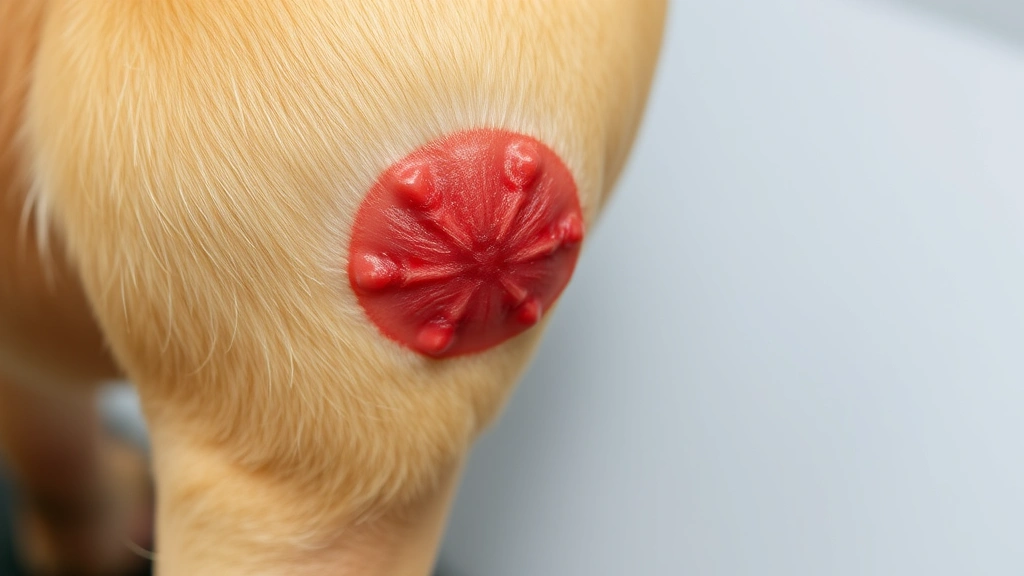
If you catch a hot spot in the first 24 hours and it’s small and not infected, you can manage it at home. Here’s the game plan:
Step 1: Stop the Licking (Immediately)
This is critical. An Elizabethan collar (cone) is your best friend. Your dog will hate it, yes. But without it, they’ll make the spot worse in minutes. A cone buys you time to heal the underlying issue.
Step 2: Clean the Area
Gently clip the hair around the hot spot (or shave it if you’re comfortable doing so). This removes the moist environment bacteria love. Use blunt-tipped scissors or an electric clipper on a low setting to avoid nicking the skin.
Rinse the area with lukewarm water and mild soap—plain Dial or a dog-specific antiseptic wash works. Pat dry thoroughly. Moisture is the enemy.
Step 3: Apply a Topical Treatment
Once dry, apply an over-the-counter hot spot spray or cream. Look for products with chlorhexidine, hydrocortisone, or antibiotic ointment. Some good options include:
- Vetericyn Hot Spot Spray
- Zymox Topical Spray
- Hydrocortisone cream (human-grade is fine in a pinch)
Follow the product instructions for frequency. Most need 2-3 applications daily.
Step 4: Prevent Secondary Infection
Keep the area clean and dry. If your dog goes outside, consider a protective bandage or wrap to prevent dirt from getting in. Change it daily.
Step 5: Address the Root Cause
If the hot spot was triggered by fleas, start flea prevention immediately. If allergies are the culprit, consider switching to a limited-ingredient diet or consulting your vet about allergy testing. This prevents the hot spot from coming back once you heal it.
Pro Tip: Some vets recommend a 50/50 apple cider vinegar and water solution as a rinse after cleaning. The acidity can help with bacterial growth. However, don’t use this on open wounds—it stings like crazy and your dog will hate you.
When to Use Prescription Treatments
If the hot spot is large, deeply infected, or isn’t improving within 3-5 days of home care, your vet will likely prescribe:
- Oral antibiotics (like amoxicillin or cephalexin) to fight the infection from the inside
- Prescription topical treatments with stronger steroids or antibiotics
- Pain medication if your dog is really uncomfortable (see our guide on safe pain medicine for dogs)
- Medicated shampoos to bathe the area 2-3 times weekly
Most vets also recommend keeping the cone on for at least 7-10 days, even after the spot looks better. Your dog’s instinct to lick is strong, and one lick can undo days of healing.
When to Call Your Vet
Take your dog to the vet if:
- The hot spot is larger than a quarter and spreading
- There’s pus or foul-smelling discharge
- The spot doesn’t improve within 5-7 days of home treatment
- Your dog has multiple hot spots
- Your dog has a fever (rectal temp over 103°F)
- The hot spot is on the face or near the eyes/ears
- Your dog seems systemically ill (lethargy, loss of appetite, vomiting)
- You’re not sure what you’re looking at
Vets can take a skin scraping or culture to confirm it’s a bacterial infection and rule out fungal issues like ringworm. They’ll also investigate the underlying cause so you don’t end up treating the same hot spot every summer.
Prevention Strategies
Prevention is always easier (and cheaper) than treatment. Here’s how to keep hot spots from happening:
1. Year-Round Flea Prevention
This cannot be overstated. Use a vet-prescribed flea preventative like Simparica, NexGard, or Bravecto. Topical options like Revolution or Advantage also work. Don’t skip months—consistent prevention is key.
2. Regular Grooming
Bathe your dog every 4-8 weeks (depending on coat type and activity level). Dry thoroughly, especially in folds and between the toes. Brush or comb regularly to remove mats and distribute natural oils. Long-haired breeds need attention 2-3 times weekly.
3. Address Allergies
Work with your vet to identify food or environmental triggers. A limited-ingredient diet, omega-3 supplements, or allergy medications can reduce itching dramatically. Some dogs benefit from natural remedies like lavender (used safely and only under vet guidance).
4. Manage Ear Health
Clean ears weekly if your dog is prone to infections. Use a vet-approved ear cleaner and dry thoroughly. Chronic ear issues often precede hot spots, so stay on top of ear health.
5. Keep Your Dog Dry
After swimming, bathing, or rain, dry your dog completely with towels and, if needed, a low-heat blow dryer. Damp coats are hot spot incubators, especially in summer.
6. Reduce Stress and Anxiety
Provide adequate exercise, mental stimulation, and a calm environment. If your dog has separation anxiety, work with a trainer or behaviorist. Some dogs benefit from anxiety medication or calming supplements. Stressed dogs lick. Licking leads to hot spots.
7. Keep the Cone Handy
If your dog has had hot spots before, have an Elizabethan collar on hand. At the first sign of excessive licking, put it on. Early intervention stops hot spots before they start.
8. Nutritional Support
A high-quality diet rich in omega-3 and omega-6 fatty acids supports skin health. Consider fish oil supplements (talk to your vet about dosing). Probiotics may also help if your dog has food sensitivities.
Safety Warning: Never use human products like Neosporin on your dog’s hot spots without vet approval. Some ingredients (like bacitracin) can be toxic if ingested, and your dog will lick whatever you put on their skin.
Breeds Most Prone to Hot Spots
Some dogs are just more susceptible. Here’s why:
- Golden Retrievers and Labrador Retrievers: Thick, dense double coats trap moisture. They also love water, which increases risk.
- German Shepherds: Prone to allergies and skin sensitivities. Their size means hot spots can get large fast.
- Cocker Spaniels: Long, floppy ears create a warm, moist environment. Ear issues lead to scratching and hot spots.
- Poodles (all sizes): Curly coats mat easily. Mats cause irritation and hot spots underneath.
- Bulldogs and Pugs: Skin folds trap moisture and bacteria. Hot spots often develop in the wrinkles.
- Saint Bernards and Newfoundlands: Giant breeds with heavy coats. Grooming is essential.
- Any dog with allergies: This is the #1 risk factor across all breeds.
If your breed is on this list, be extra vigilant with grooming, flea prevention, and allergy management.
The Role of Allergies in Hot Spots
According to the American Kennel Club, allergies are one of the most common underlying causes of hot spots. Dogs with allergies scratch more, which damages the skin barrier and invites bacterial infection. If your dog has recurring hot spots, ask your vet about allergy testing or an elimination diet. Treating the allergy prevents the hot spot cycle.
Frequently Asked Questions
Can I use human hydrocortisone cream on my dog’s hot spot?
– In a pinch, yes. A thin layer of 1% hydrocortisone cream is generally safe for short-term use on small areas. However, it’s not ideal because your dog will lick it off, and it may not be strong enough for a bacterial infection. A vet-prescribed topical is better because it’s formulated to stick around and address the specific issue. Don’t use it for more than a few days without vet guidance.
How long does it take for a hot spot to heal?
– With proper treatment, a small hot spot can improve in 5-7 days. Larger or more infected spots may take 2-3 weeks. The key is preventing your dog from licking it (hello, cone). Even if it looks better, keep the cone on for at least 7-10 days. One lick can restart the whole cycle. If you’re not seeing improvement after a week, call your vet.
Can hot spots spread to other parts of my dog’s body?
– Not directly. A hot spot won’t “spread” like a contagion. However, if the underlying cause (like fleas or allergies) isn’t addressed, your dog may develop hot spots in multiple locations. This is especially common with allergies or parasites. Treat the root cause to prevent new hot spots from popping up.
Is my dog’s hot spot contagious to other dogs or to me?
– Hot spots are bacterial infections, but they’re not contagious in the traditional sense. You can’t catch it from your dog, and other dogs won’t catch it from contact. However, if the infection is caused by fleas or mites, those parasites can spread to other pets in your home. Always treat for parasites if there’s any chance they’re involved.
What’s the difference between a hot spot and ringworm?
– Good question. Hot spots are bacterial infections that develop fast and are usually moist and oozing. Ringworm (a fungal infection) develops more slowly, often has a circular pattern with hair loss in the center, and may not be as inflamed or wet. Ringworm is also contagious to humans and other pets. Only a vet can confirm with a fungal culture, so don’t assume. If your dog has a suspicious spot, get it checked.
Can I prevent hot spots by bathing my dog more often?
– More bathing helps prevent hot spots by removing dirt and bacteria, but only if you dry thoroughly afterward. Over-bathing can actually dry out the skin and trigger itching, which leads to scratching and hot spots. The sweet spot is usually every 4-8 weeks with a good-quality dog shampoo. If your dog swims or gets muddy, rinse and dry promptly, but don’t do a full bath every time.
My dog keeps getting hot spots every summer. What should I do?
– This pattern suggests an underlying seasonal issue, likely allergies or increased moisture/humidity. Talk to your vet about allergy testing or a trial elimination diet. You might also consider starting flea prevention earlier in spring and being extra diligent with grooming and drying during warm months. Some vets recommend a short course of oral antibiotics or anti-inflammatory medication at the first sign of excessive licking in summer to nip it in the bud.
Is apple cider vinegar safe to use on hot spots?
– Apple cider vinegar has mild antibacterial properties, and a 50/50 solution with water can be used as a rinse on intact skin. However, never apply it to open wounds or weeping hot spots—it burns and will make your dog hate you. It’s also not a substitute for proper treatment. Use it only as a supplementary rinse on healing spots, and always check with your vet first.
What if my dog won’t keep the cone on?
– This is real. Some dogs are escape artists. Try a soft cone (more flexible than the plastic E-collar) or an inflatable donut collar. Some dogs tolerate these better. You can also try a recovery suit or a specially designed hot spot protector. The key is preventing access to the spot. If your dog refuses all options, stay home and supervise closely, redirecting licking immediately. But honestly, most dogs adapt to the cone within a day or two, even if they’re dramatic about it initially.
Can stress cause hot spots?
– Absolutely. Stress and anxiety trigger excessive licking in dogs. If your dog developed a hot spot after a stressful event (moving, new pet, loud noises), address the stress. Provide more exercise, mental enrichment, and a calm environment. Some dogs benefit from anxiety medication or calming supplements like L-theanine or CBD (vet-approved only). Treating the anxiety prevents the licking and the hot spot.
My dog has a hot spot and diarrhea. Are they related?
– They could be if the underlying cause is food allergies or sensitivities. Allergies trigger both skin issues and digestive upset. They could also be coincidental. Either way, see your vet. A food sensitivity might require a diet change, which could solve both problems. Check out our guide on how to stop dog diarrhea for more info on digestive issues.
Final Thoughts

Dog hot spots are annoying, but they’re totally manageable once you understand what’s happening. The secret is early detection, aggressive prevention of licking (hello, cone), and addressing the root cause. Whether it’s fleas, allergies, moisture, or stress, fix the underlying issue and you fix the hot spot—and prevent it from coming back.
If you’re dealing with a hot spot right now, resist the urge to panic. Keep that cone on, clean the area gently, apply treatment consistently, and call your vet if it’s not improving in a week. Most hot spots respond well to treatment within 7-14 days. You’ve got this.