
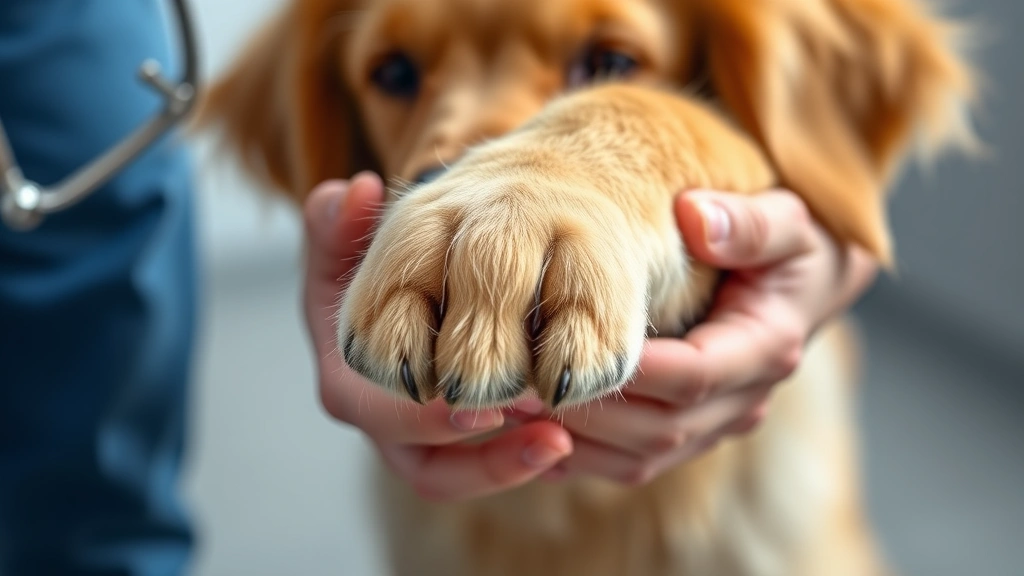
If your dog keeps licking paws like they’re the most delicious thing on the planet, you’re not alone—and your pup probably isn’t just being weird. Excessive paw licking is one of those annoying habits that can drive both you and your furry friend crazy, but here’s the good news: it’s usually fixable once you understand what’s really going on.
Table of Contents
- Why Is My Dog Constantly Licking Their Paws?
- The Allergy Connection: Food and Environmental Triggers
- Parasites, Yeast, and Bacterial Infections
- Anxiety and Behavioral Licking: The Stress Factor
- Solution #1: Switch to a Limited-Ingredient or Elimination Diet
- Solution #2: Implement a Rigorous Parasite Prevention Program
- Solution #3: Address Yeast and Bacterial Infections Directly
- Solution #4: Increase Exercise and Mental Stimulation
- Solution #5: Use Topical Treatments and Protective Barriers
- When to Call Your Vet: Red Flags You Shouldn’t Ignore
- Prevention: Keeping Paws Healthy Long-Term
- Frequently Asked Questions
- The Bottom Line
Why Is My Dog Constantly Licking Their Paws?
Before we jump into solutions, let’s talk about why dogs develop this behavior in the first place. A dog keeps licking paws for several legitimate reasons, and it’s rarely just because they’re bored (though boredom can definitely be a factor). The most common culprits include allergies, skin infections, anxiety, parasites, and pain or discomfort in the feet.
When a dog licks their paws excessively, they’re essentially trying to tell you something. Think of it like their version of complaining about an itch you can’t reach. The problem is, constant licking can actually make things worse by creating secondary infections or irritating the skin further.
The Allergy Connection: Food and Environmental Triggers
Allergies are the number one reason dogs end up with raw, irritated paws. Dogs can develop allergies to food ingredients just like humans do, and paw licking is often one of the first signs. Common culprits include chicken, beef, wheat, and corn—ingredients found in a shocking number of commercial dog foods.
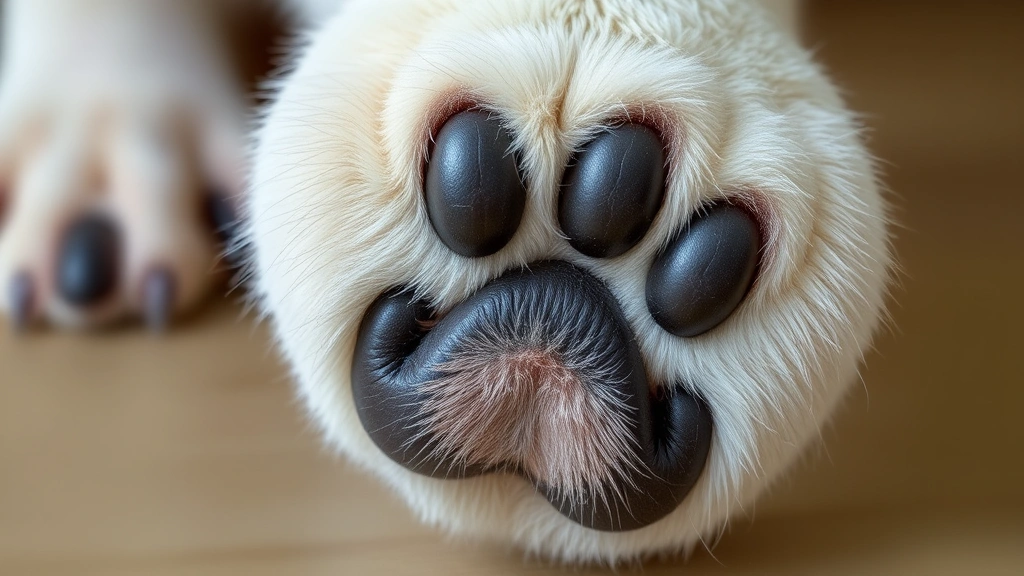
Environmental allergies are equally problematic. Pollen, dust mites, mold, and grass can all trigger that irresistible urge to lick. If your dog keeps licking paws mostly during spring or fall, seasonal allergies are likely the villain here. Check out our guide on online vet advice for food reactions to understand if dietary changes might help.
The best approach? Work with your vet to identify specific allergens through elimination diets or allergy testing. Once you know what’s triggering the problem, you can make targeted changes to your dog’s environment or diet.
Parasites, Yeast, and Bacterial Infections
Sometimes the reason your dog keeps licking paws is because they’ve got unwanted guests. Fleas, mites, and lice are obvious suspects, but many people overlook yeast and bacterial infections that develop on the skin. These infections thrive in warm, moist environments—and constant paw licking creates the perfect breeding ground.
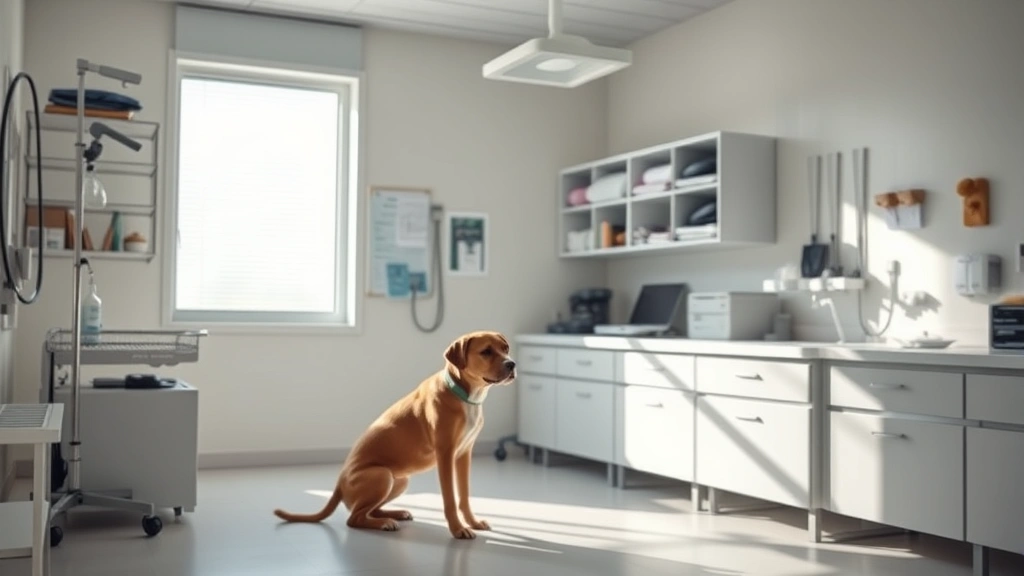
Yeast infections are particularly sneaky because they don’t always show obvious signs beyond the licking behavior. Your dog’s paws might smell like corn chips (yes, really—it’s called “Frito paws”), and you might notice redness or discoloration between the toes. Bacterial infections can cause similar symptoms plus potential oozing or crusting.
Your vet can diagnose these issues with a simple skin scraping or culture. If parasites are the problem, make sure your dog is on a quality flea and tick prevention year-round. For yeast and bacterial issues, antifungal or antibiotic treatments (topical or oral) usually clear things up within a few weeks.
Anxiety and Behavioral Licking: The Stress Factor
Not every dog keeps licking paws due to a physical problem. Anxiety, stress, and boredom can absolutely trigger this behavior. Dogs experiencing separation anxiety, changes in their environment, or insufficient mental stimulation often develop compulsive licking habits as a self-soothing mechanism.
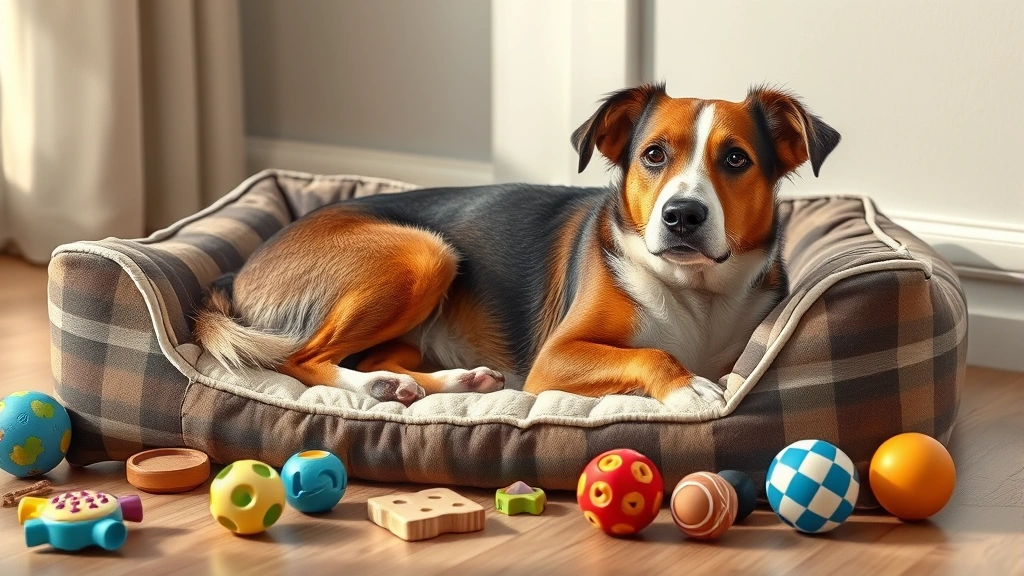
Behavioral licking tends to be more symmetrical (both front paws equally affected) and often worsens when the dog is alone or anxious. If this sounds like your situation, you’ll need a multi-pronged approach: more exercise, mental enrichment, and possibly calming supplements or medication recommended by your vet.
Creating a consistent routine, providing puzzle toys, and spending quality time with your dog can significantly reduce anxiety-related paw licking. Some dogs also benefit from anxiety wraps or calming treats containing ingredients like L-theanine or passionflower.
Solution #1: Switch to a Limited-Ingredient or Elimination Diet
If allergies are your culprit, dietary changes can be game-changers. An elimination diet involves removing common allergens and slowly reintroducing them to identify the specific trigger. Most elimination diets start with a novel protein (like duck, venison, or fish) paired with a single carbohydrate source.
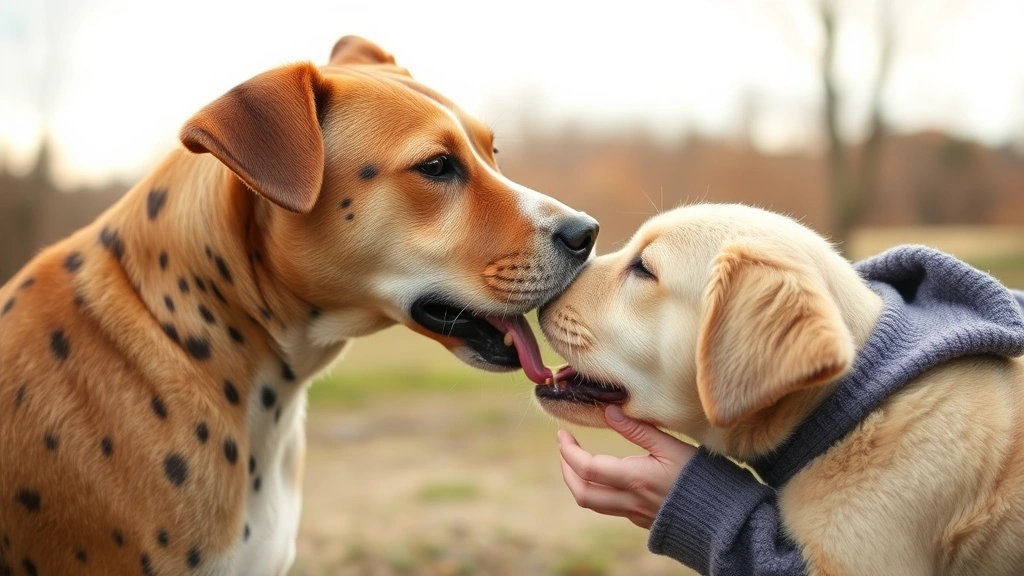
Give any diet change at least 8-12 weeks before deciding if it’s working—skin issues take time to resolve. Our article on human foods for pets with sensitive stomachs offers additional dietary insights that might complement your elimination diet efforts.
Pro tip: Don’t forget about treats and table scraps. If you’re feeding a limited-ingredient diet but still giving your dog regular treats with chicken or wheat, you’re sabotaging your own efforts. Switch everything—treats, supplements, and flavored medications—to match the new diet.
Solution #2: Implement a Rigorous Parasite Prevention Program
Even if you think your dog doesn’t have fleas, parasites could still be the problem. Modern flea and tick preventatives are highly effective, but consistency is key. Use them year-round, not just during warmer months, because parasites don’t always follow the calendar.

If your dog keeps licking paws despite being on prevention, mention this to your vet. They might recommend switching to a different product or checking for less common parasites like mites or lice. In some cases, your home environment might need treatment too, especially if you’re dealing with flea infestations.
Solution #3: Address Yeast and Bacterial Infections Directly
If your vet confirms a yeast or bacterial infection, treatment is straightforward but requires patience. Antifungal medications (like terbinafine or fluconazole) typically take 2-4 weeks to show results. Topical treatments like medicated shampoos or sprays can provide relief while systemic medications work.
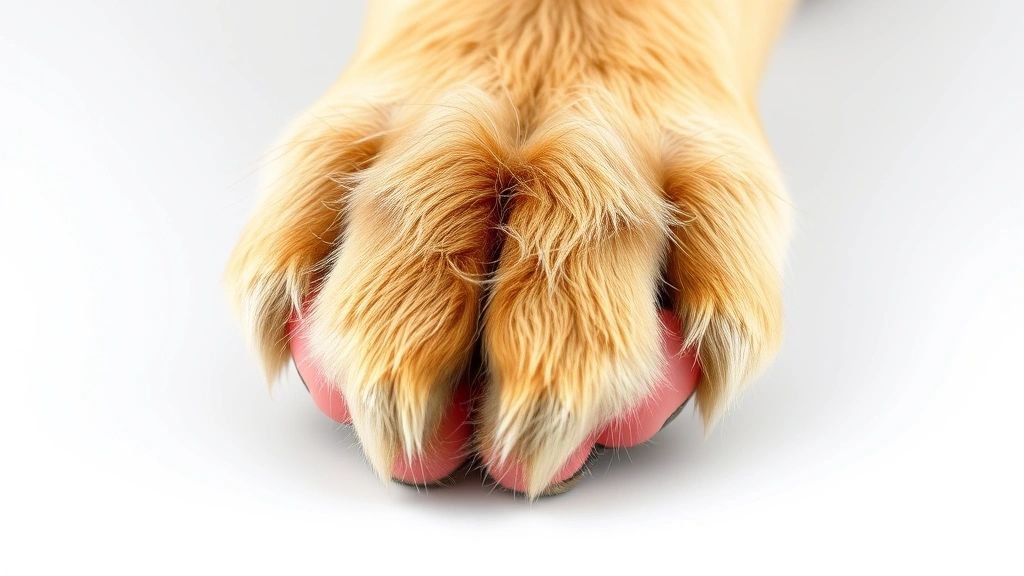
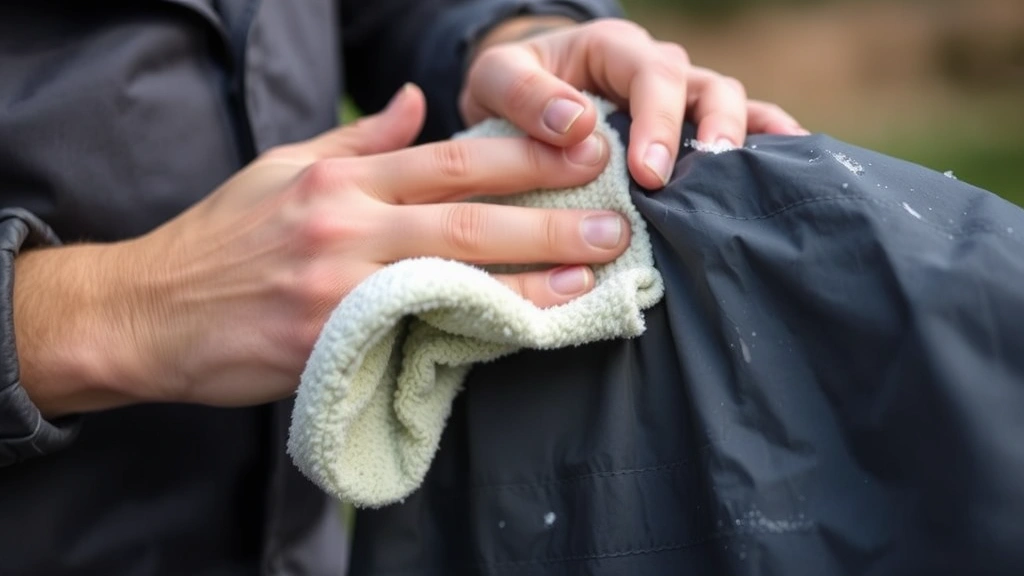
Keep paws clean and dry—moisture is the enemy. After walks, especially on wet grass or muddy terrain, wipe your dog’s paws thoroughly. Some owners use paw balms or protective booties to create a barrier between the skin and environmental irritants. Herbs safe for pets like calendula can provide additional soothing benefits when used topically.
Solution #4: Increase Exercise and Mental Stimulation
If anxiety or boredom is driving the behavior, your dog needs more outlets for their energy. Aim for at least 30-60 minutes of exercise daily, depending on your dog’s age and breed. This isn’t just a casual stroll—real exercise that gets their heart pumping and their brain engaged.
Mental stimulation is equally important. Puzzle toys, sniff games, training sessions, and interactive play all help redirect your dog’s focus away from obsessive paw licking. A tired dog is a well-behaved dog, and this applies to compulsive behaviors too.
Solution #5: Use Topical Treatments and Protective Barriers
While you’re addressing the underlying cause, topical treatments can provide immediate relief and prevent further damage. Medicated sprays, creams, and balms can soothe irritation and create a taste deterrent so your dog loses interest in licking.
Elizabethan collars (the cone of shame) are sometimes necessary to break the licking cycle, especially if your dog has already created raw spots or open sores. It’s not pleasant for anyone, but a few days of collar wear can prevent weeks of complications.
Some owners find success with bitter sprays applied to the paws—the taste is so unpleasant that dogs stop licking. Just make sure whatever product you use is pet-safe and vet-approved.
When to Call Your Vet: Red Flags You Shouldn’t Ignore
Occasional paw licking is normal. Constant, obsessive licking that creates raw spots, bleeding, or visible infections warrants a vet visit. Also contact your vet if your dog keeps licking paws despite your home remedies, if the behavior is worsening, or if you notice other symptoms like hair loss, odor, or behavioral changes.
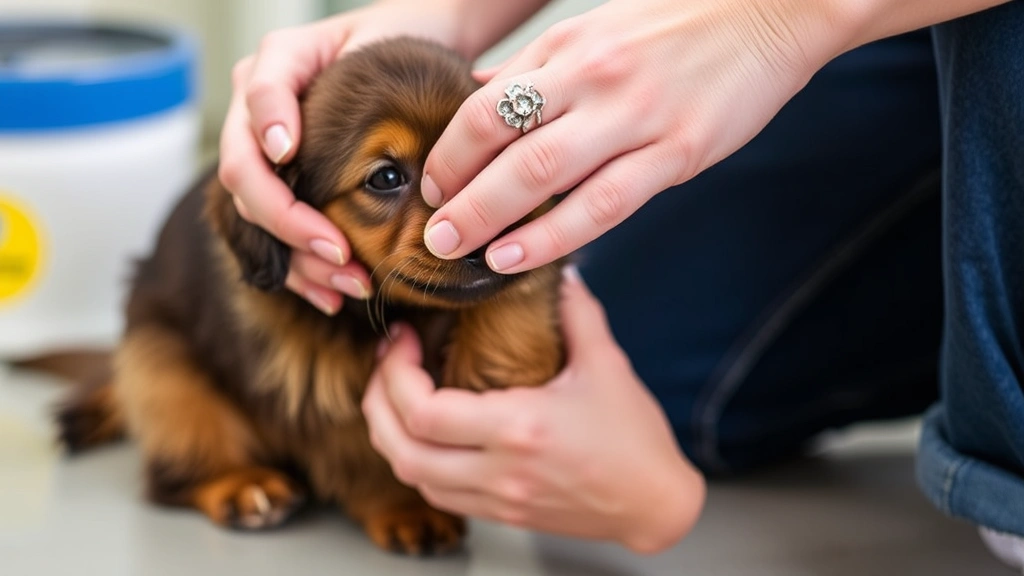
Your vet can perform diagnostic tests to rule out serious issues and recommend the most effective treatment plan for your specific situation. Don’t delay—the longer excessive licking continues, the more likely secondary infections become, which only complicates treatment.
Prevention: Keeping Paws Healthy Long-Term
Once you’ve solved the problem, prevention is your best friend. Maintain a consistent parasite prevention program, keep your dog’s paws clean and dry, and monitor their diet for any signs of allergic reactions. Regular vet checkups help catch emerging issues before they become problems.
Environmental control matters too. Vacuum frequently to reduce dust and allergens, wash your dog’s bedding regularly, and consider air filters if environmental allergies are a concern. A healthy dog with proper nutrition and exercise is naturally more resistant to skin issues.
Frequently Asked Questions
Why does my dog lick their paws at night?
Nighttime paw licking often indicates anxiety or boredom, as dogs have fewer distractions when everyone else is settling down. However, it can also be related to allergies that flare up in evening hours or yeast infections that become more noticeable when paws warm up under bedding. If the behavior is consistent and bothersome, consult your vet to rule out medical causes first.
Can I give my dog something to stop paw licking?
Several options exist depending on the cause. For allergies, antihistamines or allergy medications prescribed by your vet can help. For anxiety, calming supplements containing ingredients like L-theanine or CBD (where legal) may assist. Topical bitter sprays create taste deterrents. Always consult your vet before giving any medication or supplement, as the right choice depends on identifying the underlying cause.
How long does it take to stop a dog from licking their paws?
Timeline depends entirely on the cause. Behavioral licking might improve within days of increased exercise and mental stimulation. Allergies typically require 8-12 weeks of dietary changes to show improvement. Infections usually respond within 2-4 weeks of appropriate treatment. Patience and consistency are crucial—don’t expect overnight results.
Is paw licking ever normal dog behavior?
Absolutely. Dogs lick their paws occasionally as part of normal grooming. The concern arises when licking becomes excessive, obsessive, or causes visible damage to the skin. If your dog licks their paws occasionally but isn’t creating raw spots or showing other concerning signs, it’s likely just normal behavior.
What’s the connection between paw licking and ear infections?
Both are often symptoms of the same underlying problem—usually allergies. Dogs with food or environmental allergies frequently experience both paw licking and ear infections simultaneously because the allergen affects their entire skin system. If your dog has both issues, addressing the root allergy will typically resolve both problems.
The Bottom Line
When your dog keeps licking paws, it’s a sign that something needs attention—whether that’s a dietary adjustment, parasite prevention, infection treatment, or behavioral enrichment. The good news is that most cases are highly treatable once you identify the cause. Start with a vet visit to rule out medical issues, then work through the solutions systematically. With patience and the right approach, you’ll have your dog’s paws back to normal and that annoying licking habit eliminated. Your pup will thank you, and you’ll finally get some peace and quiet!





