
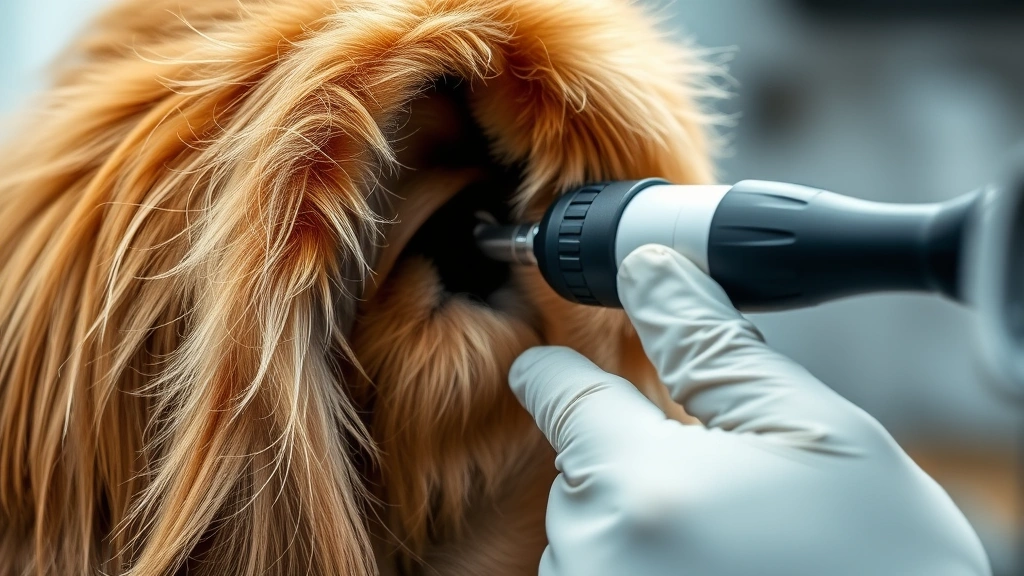
If your dog keeps shaking head constantly, you’re not alone—and yeah, it’s probably driving you nuts too. That repetitive head-whipping motion might seem cute at first, but persistent head shaking is your pup’s way of saying something’s wrong. Whether it’s an ear infection, allergies, or something stuck in there, we’re breaking down exactly what’s causing it and how to fix it fast.
Table of Contents
- Why Do Dogs Shake Their Heads? The Quick Answer
- Ear Infections: The #1 Culprit Behind Head Shaking
- Allergies: When Your Dog’s Immune System Overreacts
- Water in the Ears: The Post-Bath Shake
- Foreign Objects: When Something Gets Stuck
- Ear Mites: Tiny Parasites, Big Problems
- Hematomas: When Head Shaking Causes More Problems
- Yeast Infections: The Warm, Moist Problem
- When to Call the Vet ASAP
- At-Home Care: What You Can Actually Do
- Prevention: Stop the Shaking Before It Starts
- Frequently Asked Questions
- The Bottom Line: Address It Now
Why Do Dogs Shake Their Heads? The Quick Answer
Dogs shake their heads for the same reason you’d scratch an itch—something feels off. When a dog shakes head repeatedly, it’s usually their way of dislodging discomfort, excess moisture, or foreign objects from their ear canal. The problem is, unlike us, they can’t exactly tell you what’s bugging them. That’s where you come in as the detective.
Ear Infections: The #1 Culprit Behind Head Shaking
Let’s be real—ear infections are the MVP of head-shaking causes. Dogs have L-shaped ear canals that trap moisture and debris like nobody’s business, making them prime real estate for bacterial and yeast infections. If your dog keeps shaking their head and you notice redness, odor, or discharge, an ear infection is almost certainly the villain here.
Symptoms include:
- Constant head shaking (especially side-to-side)
- Ear scratching until skin bleeds
- Foul-smelling discharge
- Redness or swelling inside the ear
- Head tilting to one side
The fix? Get to your vet. They’ll prescribe antibiotics or antifungal drops, and you’ll need to clean those ears regularly. Don’t skip the follow-up appointment—untreated ear infections can lead to serious complications.
Allergies: When Your Dog’s Immune System Overreacts
Allergies are the sneaky troublemaker that makes dogs shake their heads year-round. Whether it’s food allergies, environmental allergies (pollen, dust mites), or contact allergies, your dog’s ears are often ground zero for itching. Allergies don’t just cause head shaking—they cause full-body itching, but the ears are especially sensitive.
Common allergy signs:
- Head shaking paired with full-body scratching
- Itchy, red skin
- Paw chewing
- Chronic ear issues
- Seasonal patterns (worse in spring/fall)
If allergies are the issue, your vet might recommend dietary changes, antihistamines, or omega-3 supplements. You can also check out our guide on Pet Food Safety to ensure you’re feeding your pup the right stuff without hidden allergens.
Water in the Ears: The Post-Bath Shake
Ever notice your dog does the full-body shake right after a bath or swim? That’s not just for fun—water trapped in the ear canal is genuinely uncomfortable. While occasional water exposure isn’t dangerous, chronic moisture creates the perfect breeding ground for infections.
Prevention tips:
- Dry ears thoroughly after baths or swimming
- Use cotton balls gently (don’t shove them in)
- Consider ear drying solution for water-loving breeds
- Avoid letting water get deep in the canal during grooming
For breeds with floppy ears (Labs, Spaniels, Basset Hounds), this is especially important. Their ear shape naturally traps moisture, so staying vigilant prevents a cascade of infections.
Foreign Objects: When Something Gets Stuck
Picture this: your dog romps through tall grass, and a grass seed, foxtail, or debris lodges in their ear canal. Suddenly, they’re shaking their head like they’re in a rock band. Foreign objects cause immediate, intense discomfort and can damage the eardrum if left untreated.
Signs of a foreign object:
- Sudden onset of head shaking
- One-sided head tilting
- Visible debris or discharge
- Extreme distress or pain
- Reluctance to let you touch the ear
Don’t try to fish it out yourself—you could push it deeper or perforate the eardrum. Let your vet handle it with proper instruments and sedation if needed. This is a legitimate emergency if your dog is in severe pain.
Ear Mites: Tiny Parasites, Big Problems
Ear mites are microscopic parasites that thrive in the ear canal and cause absolutely maddening itching. They’re more common in puppies and outdoor dogs, and they’re contagious between pets. If your dog keeps shaking their head and you see dark, crumbly discharge that looks like coffee grounds, ear mites are likely the culprit.
How to spot them:
- Intense head shaking and ear scratching
- Dark, crusty discharge
- Musty odor from the ears
- Secondary bacterial infections from scratching
Treatment involves prescription ear drops that kill the mites. You’ll also need to treat all pets in the household and clean bedding thoroughly. The good news? They’re highly treatable, and your vet can clear them up in a few weeks.
Hematomas: When Head Shaking Causes More Problems
Here’s a nasty side effect: constant head shaking can actually cause blood vessels in the ear flap to rupture, creating a fluid-filled pocket called an aural hematoma. This is your dog’s body screaming “stop the head shaking!” It’s painful, swells up, and sometimes requires surgical drainage.
Prevention is key here—treat the underlying cause (infection, allergies, mites) so your dog stops the relentless shaking before it causes damage. If you notice sudden swelling in the ear flap, get to the vet immediately.
Yeast Infections: The Warm, Moist Problem
Yeast loves warm, moist environments, and your dog’s ears are basically a yeast resort. Yeast infections often accompany allergies or ear infections and create that distinctive sweet, musty smell. They’re itchy as heck and cause constant head shaking.
Yeast infection red flags:
- Sweet or musty smell from ears
- Yellow or brown discharge
- Intense itching and head shaking
- Greasy-looking ear skin
Treatment involves antifungal ear drops and sometimes oral medication. Keep ears dry and consider regular cleaning with vet-approved solutions. For persistent cases, dietary changes (like reducing carbs) might help since yeast feeds on sugar.
When to Call the Vet ASAP
Not all head shaking requires emergency care, but some situations demand immediate attention. Check out our guide on When to Call the Vet About Food for more on recognizing urgent symptoms. Head shaking emergencies include:
- Sudden, severe head shaking with visible distress
- Discharge with blood or pus
- Foul odor suggesting advanced infection
- Swelling or hematoma formation
- Head tilting combined with loss of balance
- Neurological signs (circling, disorientation)
If your dog shows any of these, don’t wait for Monday’s appointment—call an emergency vet. Ear issues can escalate quickly, and early intervention prevents serious complications.
At-Home Care: What You Can Actually Do
While you’re waiting for or following up on a vet visit, you can provide some comfort:

- Gentle ear cleaning: Use a vet-approved ear cleaner and soft cotton balls. Never use Q-tips or insert anything deep into the canal.
- Warm compresses: A warm (not hot) compress on the outside of the ear can ease discomfort.
- Cone prevention: Keep your dog from scratching by using a cone if recommended by your vet.
- Dietary support: Ask your vet about omega-3 supplements, which reduce inflammation. You can also explore Foods for Dental Health in Pets for nutritious options that support overall immune health.
Never use home remedies like vinegar or hydrogen peroxide without vet approval—they can worsen infections or damage the eardrum.
Prevention: Stop the Shaking Before It Starts
The best fix is prevention. Here’s how to keep your dog’s ears healthy:
- Regular ear checks: Inspect ears weekly for redness, odor, or discharge.
- Keep ears dry: Dry thoroughly after bathing or swimming, especially for floppy-eared breeds.
- Groom regularly: Remove excess hair from ear canals if your breed is prone to buildup.
- Manage allergies: Work with your vet to identify and minimize allergen exposure.
- Use preventative solutions: Some breeds benefit from regular ear cleaning with vet-approved solutions.
- Parasite prevention: Keep up with flea and tick prevention, which also helps prevent ear mites.
Consistency is key. A few minutes of preventative care beats weeks of treatment for infections.
Frequently Asked Questions
Is it normal for dogs to shake their heads?
Occasional head shaking is normal, especially after water exposure or play. However, frequent, persistent head shaking—multiple times daily or lasting more than a few days—indicates an underlying problem that needs attention. If your dog keeps shaking their head repeatedly, it’s time for a vet visit.
Can I use human ear drops on my dog?
Absolutely not. Human ear products can be toxic to dogs and may damage their eardrum. Always use vet-approved ear medications. Your vet will prescribe the right formula for your dog’s specific condition.
How long does it take to treat an ear infection in dogs?
Most ear infections improve within 5-7 days of treatment, but you’ll typically need to continue medication for 10-14 days to fully clear the infection. Chronic or severe infections may take longer. Always complete the full course even if symptoms improve.
Can allergies cause head shaking?
Yes, absolutely. Allergies are a leading cause of head shaking in dogs. If your dog shakes their head year-round or seasonally, allergies might be the culprit. Your vet can help identify specific allergens and develop a management plan.
What’s the difference between ear mites and ear infections?
Ear mites are parasites that cause intense itching and dark, crumbly discharge. Bacterial or yeast infections cause redness, odor, and yellowish or brown discharge. Both cause head shaking, but treatment differs. Your vet can diagnose which one your dog has with a quick ear swab.
Should I clean my dog’s ears at home?
Regular ear cleaning can prevent infections, especially for breeds prone to ear issues. Use only vet-approved ear cleaner and gentle cotton balls. Never insert anything deep into the canal. If your dog already has an infection, ask your vet before cleaning—improper technique can worsen it.
When is head shaking an emergency?
Head shaking becomes an emergency if it’s sudden and severe, accompanied by neurological signs (head tilting, circling, loss of balance), visible swelling, or discharge with blood or pus. If you’re unsure, contact an emergency vet—it’s better to be safe.
The Bottom Line: Address It Now
When your dog keeps shaking head persistently, it’s not just annoying—it’s a sign your pup needs help. Whether it’s an ear infection, allergies, water, mites, or a foreign object, the solution starts with a vet visit. Don’t assume it’ll go away on its own; untreated ear issues escalate quickly and can cause permanent damage.
Get a diagnosis, follow your vet’s treatment plan, and implement preventative care to keep those ears healthy long-term. Your dog will thank you with fewer head shakes and a happier, more comfortable life. And hey, you’ll finally get some peace and quiet too.





