
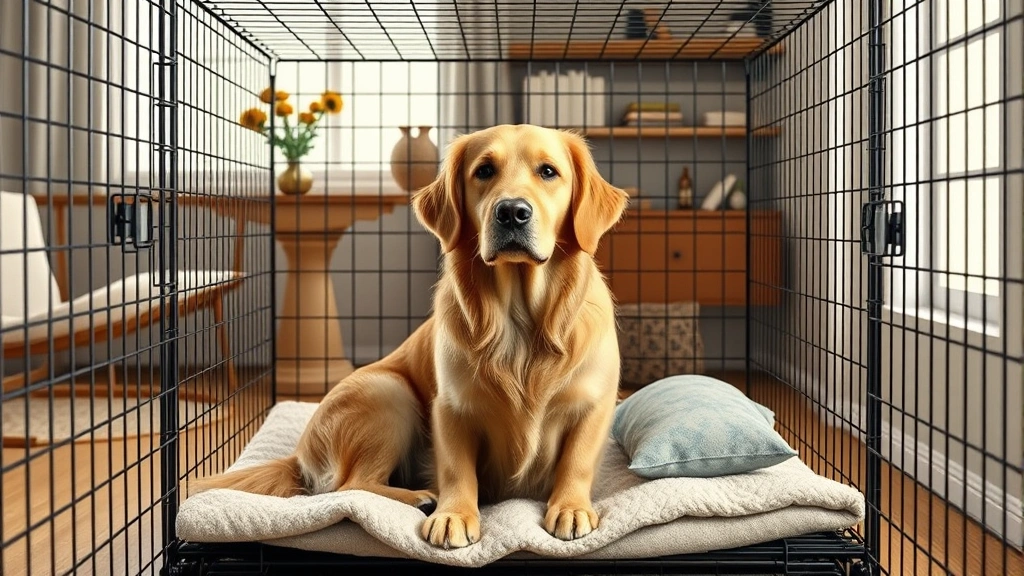
Finding the perfect dog kennels for sale can feel like navigating a maze blindfolded while your pup tugs at the leash—but don’t worry, we’ve got you covered. Whether you’re a first-time dog parent or a seasoned pet owner looking to upgrade your furry friend’s digs, this comprehensive guide will walk you through everything you need to know about selecting, sizing, and purchasing the ideal kennel for your canine companion.
Table of Contents
- What Exactly Is a Dog Kennel and Why Do You Need One?
- Types of Dog Kennels Available on the Market
- Sizing Your Kennel: Getting the Fit Just Right
- Budget Considerations: What You’ll Actually Spend
- Top Features to Look For When Shopping
- Breed-Specific Kennel Recommendations
- Where to Buy: Online vs. In-Store Shopping
- Training Your Dog to Love Their Kennel
- Maintenance and Cleaning Tips for Long-Lasting Kennels
- Common Mistakes People Make When Buying Kennels
- Future-Proofing Your Kennel Purchase
- Frequently Asked Questions
- Final Thoughts: Making Your Decision
What Exactly Is a Dog Kennel and Why Do You Need One?
Let’s start with the basics: a dog kennel (also called a crate or cage) is an enclosed space designed to give your dog a safe, comfortable retreat. Think of it as your pup’s personal man cave or she-shed. A quality kennel serves multiple purposes—it’s a training tool, a safe space for anxious dogs, a travel companion, and honestly, it’s a lifesaver when you need to keep your golden retriever from eating your couch cushions. According to the American Kennel Club (AKC), proper crate training creates a den-like environment that dogs naturally crave, making it an essential investment for responsible pet ownership.
Types of Dog Kennels Available on the Market
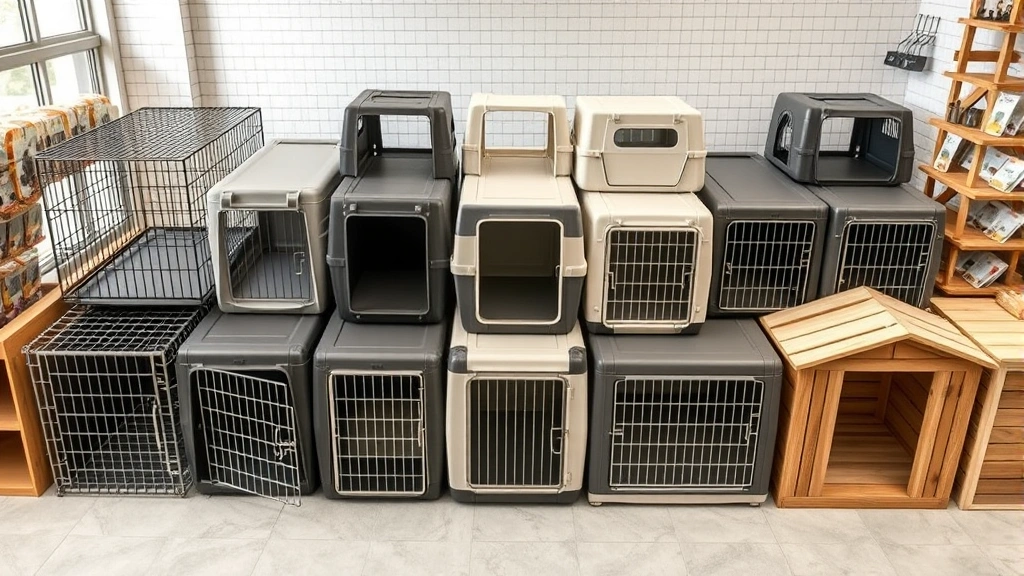
The kennel market is packed with options, and each type has its own personality—kind of like dog breeds themselves. Wire kennels are the traditional choice: durable, well-ventilated, and easy to clean. Plastic kennels (airline-approved varieties) are great for travel and provide a cozier, den-like feel. Soft-sided kennels are lightweight and portable—perfect for apartment dwellers or frequent travelers. Wooden kennels blend aesthetics with function, looking more like furniture than a cage. Heavy-duty steel kennels are built for escape artists and aggressive chewers. There’s also the fancy collapsible dog crate option, which folds up smaller than a yoga mat for ultimate portability. Each style caters to different needs, budgets, and living situations.
Sizing Your Kennel: Getting the Fit Just Right
Here’s where most people mess up: buying a kennel that’s too big or too small. Your dog should be able to stand up, turn around, and lie down comfortably—but not so spacious that they use one corner as a bathroom and the other as a bedroom. Measure your dog from nose to tail base, then add 4-6 inches for the length. For height, measure from paw to the top of their head and add 2-3 inches. Pro tip: if you’re buying for a puppy, grab a medium-sized kennel with a divider panel so you can adjust the space as they grow. This prevents waste and keeps your growing pup from treating half the kennel as a potty zone.
Budget Considerations: What You’ll Actually Spend
Dog kennels for sale range from $30 bargain-basement specials to $500+ luxury models. Here’s the real talk: you get what you pay for. Budget kennels ($30-$75) work fine for short-term use or calm dogs, but they’re flimsy and won’t last through determined chewing. Mid-range options ($75-$200) offer solid durability and decent features. Premium kennels ($200+) feature reinforced construction, superior ventilation, and stylish designs. Don’t just chase the lowest price—factor in durability, your dog’s size, and how long you plan to use it. A $150 kennel that lasts five years beats a $40 one that falls apart in six months.
Top Features to Look For When Shopping
When evaluating dog kennels for sale, prioritize these game-changing features: proper ventilation (your pup needs airflow, not a sauna), easy-access doors with secure locks (Houdini dogs are real), removable trays for simple cleanup, and sturdy construction that won’t collapse if your dog leans against it. Look for smooth edges and no sharp protrusions that could injure curious noses. Some kennels come with dividers for puppies, wheels for mobility, and even carrying handles. Don’t overlook the door mechanism—sliding doors are quieter than swing-out doors, which matters at 3 AM. Consider getting a quality Carhartt dog collar to pair with your new kennel setup for a complete containment solution.
Breed-Specific Kennel Recommendations
Different breeds have different needs. Large breeds like German Shepherds need heavy-duty steel kennels that won’t buckle under pressure. Small breeds can thrive in compact soft-sided options. Anxious dogs benefit from plastic kennels that feel more den-like. If you’re looking at specific breeds, check out our guide on Chug dogs for smaller breed considerations. For those interested in designer breeds, we have detailed info on Caniche dogs for sale and their specific housing needs. Brachycephalic breeds (flat-faced dogs) require extra ventilation to prevent overheating. Always research your breed’s specific requirements before purchasing.
Where to Buy: Online vs. In-Store Shopping
You’ve got options, friend. Big-box pet stores like Petco and PetSmart have physical locations where you can see kennels in person—helpful for assessing quality. Online retailers like Amazon, Chewy, and specialty pet sites offer wider selections and often better prices. Direct-from-manufacturer options sometimes provide custom sizing. Check reviews obsessively—real customer feedback is gold. Compare prices across platforms before committing. Many retailers offer free shipping on larger orders, which can offset the cost significantly. Don’t forget to check return policies in case your dog hates their new home.
Training Your Dog to Love Their Kennel
Buying the perfect kennel means nothing if your dog treats it like a prison. Start slow: leave the door open and toss treats inside. Let your pup explore at their own pace. Never force them in or use it as punishment—that’s the fastest way to create kennel anxiety. Gradually increase time inside with the door closed. Use positive reinforcement like praise and rewards. Make it their happy place by adding comfortable bedding and toys. Most dogs take 2-4 weeks to become genuinely comfortable. Check out our resource on puppy safe human foods to learn what treats work best for positive reinforcement during kennel training.
Maintenance and Cleaning Tips for Long-Lasting Kennels
Your investment deserves care. Clean removable trays weekly with mild soap and water. Wipe down interior surfaces regularly to prevent odors and bacteria buildup. Air out bedding frequently. For plastic kennels, avoid harsh chemicals that can degrade the material. Wire kennels benefit from occasional rust-prevention checks. Replace damaged bedding immediately. A well-maintained kennel lasts years longer than a neglected one. Consider adding healthy pet treats as rewards to encourage your dog to willingly enter their clean, well-maintained space.
Common Mistakes People Make When Buying Kennels
First mistake: buying based on aesthetics alone. That gorgeous designer kennel means nothing if your dog can’t breathe properly or escape within five minutes. Second: choosing the wrong size—too big defeats the training purpose, too small causes discomfort. Third: ignoring your dog’s personality. An anxious dog needs a plastic kennel; a claustrophobic dog needs wire. Fourth: skimping on quality to save $30. Fifth: not measuring your dog before shopping. Sixth: forgetting to factor in your dog’s growth if they’re young. Seventh: ignoring ventilation requirements, especially for hot climates. Learn from others’ mistakes and make informed decisions.
Future-Proofing Your Kennel Purchase
Think long-term. Will this kennel work if you move to a smaller apartment? Can it handle your dog’s growth? Is it portable enough for travel? Consider purchasing a size that works for your dog’s adult size rather than constantly upgrading. Some kennels have expandable features or modular designs that adapt to changing needs. Quality construction means your investment can potentially serve multiple dogs over the years. According to PetMD, a well-chosen kennel becomes an integral part of your dog’s life, so durability and adaptability matter.
Frequently Asked Questions
How long can a dog stay in a kennel?
Adult dogs can typically stay in a kennel for 4-6 hours comfortably. Puppies need more frequent breaks—generally one hour per month of age, plus one (so a 3-month-old can hold it for about 4 hours). Never leave a dog kenneled for extended periods without potty breaks and exercise.
Is crate training cruel?
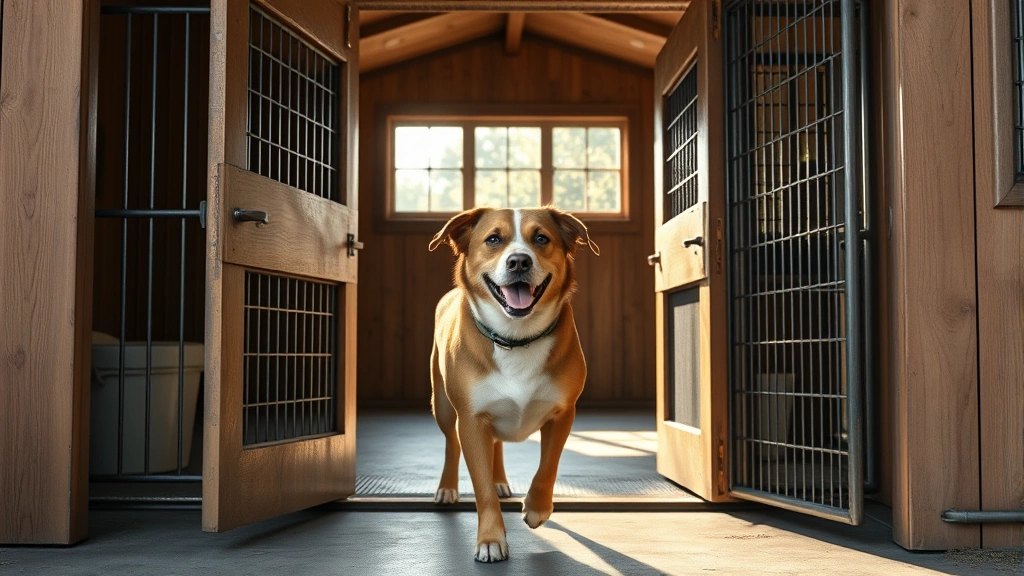
Not when done properly. Dogs naturally seek den-like spaces for security. Proper crate training creates a safe haven your dog actually enjoys. The key is introducing it positively and never using it as punishment. Check the Cornell University College of Veterinary Medicine for evidence-based training guidelines.
Can I leave my dog in a kennel overnight?
Adult dogs can sleep in kennels overnight if properly trained and exercised beforehand. Puppies under 16 weeks typically can’t hold their bladder that long and will have accidents. Ensure the kennel is comfortable with bedding and positioned away from drafts.
What’s the difference between a kennel and a crate?
Technically, these terms are often used interchangeably. A crate is typically smaller for individual dogs, while a kennel can refer to larger facilities. For home use, they’re essentially the same thing.
Should I get a kennel with a divider?
Absolutely, especially for puppies. Dividers let you adjust the space as your dog grows, preventing them from using one section as a bathroom. It’s a small investment that extends the kennel’s usefulness.
Final Thoughts: Making Your Decision
Choosing the right dog kennels for sale doesn’t have to be stressful. Focus on your dog’s specific needs, measure carefully, prioritize quality and durability, and consider your lifestyle. Whether you opt for a sleek wire kennel, a cozy plastic crate, or a stylish wooden option, the perfect choice is the one that makes both you and your pup happy. Your dog’s kennel should feel like a safe sanctuary, not a prison cell. Take your time, do your research, and invest in quality. Your furry friend will thank you with tail wags and peaceful naps in their new favorite spot. Happy kennel hunting!





