
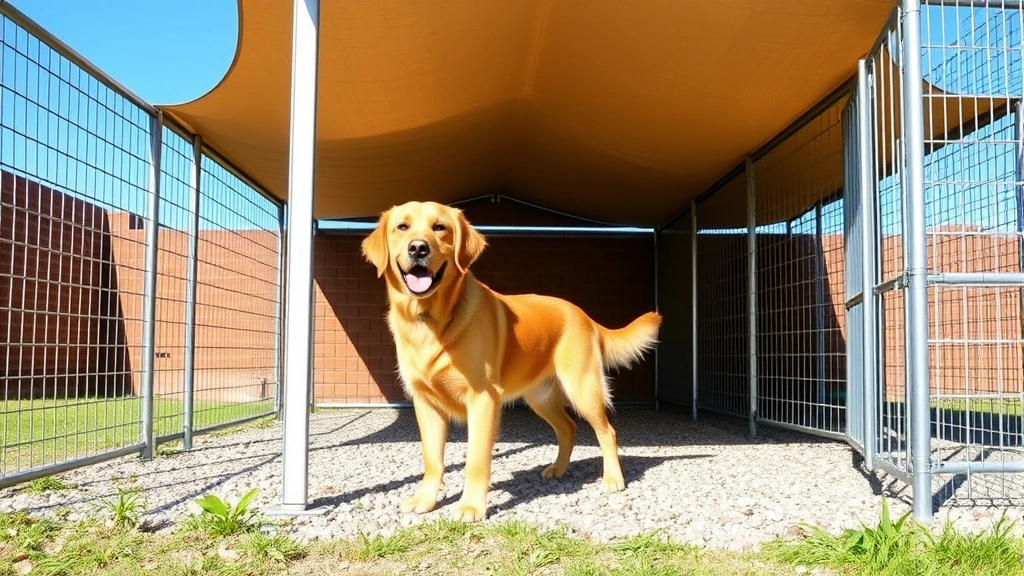
Your dog spends a lot of time outside—whether it’s bathroom breaks, playtime, or just soaking up the sun. But here’s the thing: without proper shelter, that outdoor time can become uncomfortable or even unsafe. That’s where dog kennels and outdoor dog kennels come in. They’re not just about containment; they’re about giving your pup a safe, comfortable space while they’re in the yard. In this guide, we’ll walk through everything you need to know about selecting, setting up, and maintaining an outdoor kennel that actually works for your dog’s lifestyle and your budget.
What Are Dog Kennels and Why You Need One
Let’s be real: outdoor dog kennels aren’t about locking your dog away. They’re about creating a defined, safe space where your pup can enjoy the outdoors without constant supervision. Think of it like a secure patio for your dog—they get fresh air, sunlight, and mental stimulation, but they can’t bolt into the street or dig up the neighbor’s garden.
According to the American Kennel Club, dogs are natural explorers, but they also need boundaries. An outdoor kennel gives them freedom within safe limits. This is especially important if you live on a busy street, have a non-fenced yard, or need to step away for short periods.
Here’s why dog kennels matter:
- Safety: Prevents escapes, reduces exposure to toxins, and keeps predators out.
- Peace of mind: You can let your dog outside without constant monitoring.
- Exercise: Outdoor time supports physical and mental health.
- Bathroom breaks: A designated outdoor space makes housetraining and potty schedules easier.
- Behavioral management: Containment can help reduce jumping on guests, excessive barking, or destructive digging.
The key is matching the kennel to your dog’s size, breed, and temperament. A high-energy Border Collie needs something different than a laid-back Bulldog.
Types of Outdoor Dog Kennels
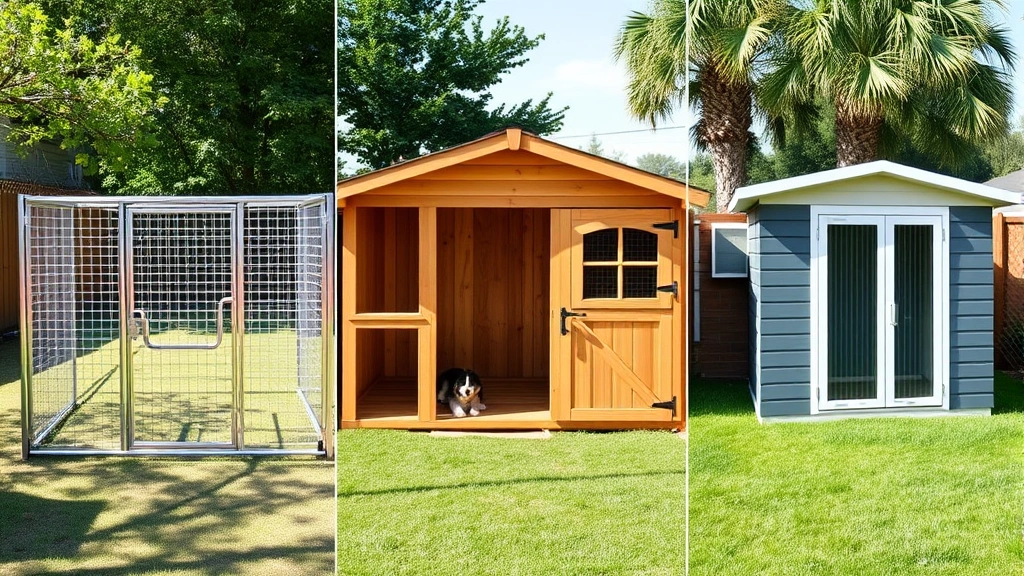
Not all dog kennels are created equal. Here are the main styles you’ll encounter:
Wire or Metal Kennels (Run Pens)
These are the workhorses of the kennel world. Typically made from galvanized steel or aluminum, they’re durable, affordable, and portable. Most are modular—you can expand or reconfigure them. They come in various heights (usually 4–6 feet) and can be set up on grass, concrete, or dirt. The downside? They offer minimal weather protection and can get hot in direct sun.
Wooden Kennels
More aesthetically pleasing than metal, wooden kennels blend into your yard better. They’re sturdy and can include a covered roof area. The trade-off: wood requires regular maintenance (sealing, staining), can rot if not treated properly, and tends to be pricier upfront. They’re also heavier and harder to move.
Plastic or Composite Kennels
These are lightweight, low-maintenance, and often modular. They’re great for temporary setups or smaller dogs. However, they’re less durable than metal or wood and can become brittle in extreme heat or cold. PetMD recommends checking for UV resistance if you’re going this route.
Combination Kennels (Kennel + Doghouse)
These integrate a covered shelter into the run. Perfect for dogs that spend extended time outside. They’re pricier but offer weather protection and a safe retreat. Some include insulation for cold climates or ventilation for hot ones.
Portable/Pop-Up Kennels
Lightweight and collapsible, these are ideal for travel, camping, or temporary containment. They’re not suitable for permanent outdoor use but are excellent for on-the-go situations.
Sizing and Space Requirements
One of the biggest mistakes people make is buying a kennel that’s too small. Your dog should be able to stand, turn around, lie down, and stretch without difficulty. This isn’t just comfort—it’s about preventing stress and behavioral issues.
Minimum Size Guidelines
As a baseline:
- Small dogs (under 25 lbs): Minimum 4×8 feet or 4×10 feet.
- Medium dogs (25–50 lbs): Minimum 5×10 feet or 6×10 feet.
- Large dogs (50–100 lbs): Minimum 6×12 feet or larger.
- Giant breeds (100+ lbs): 8×12 feet or more.
These are minimums, not ideals. Bigger is always better if space allows. A dog confined to a space that’s too tight can develop anxiety, excessive barking, and destructive behavior.
High-Energy Dogs Need More Space
If you have a working breed, herding dog, or high-drive pup, add 20–30% more space. These dogs need room to run and play, not just stand. A Border Collie in a 4×8 kennel will go stir-crazy. A 6×12 or 8×12 setup is more appropriate.
Older or Less Active Dogs
Senior dogs or low-energy breeds can manage in slightly smaller spaces, but don’t use this as an excuse to skimp. Even a senior needs room to move comfortably.
Weather Protection and Comfort
An outdoor kennel without weather protection is just a cage. Your dog needs shade, shelter from rain, and protection from extreme temperatures. This is non-negotiable.
Shade and Sun Protection
Direct sun can heat a kennel to dangerous levels in minutes. Install a shade cloth, tarp, or roof over at least 50% of the kennel. If you’re in a hot climate, aim for 75%. The shade should be positioned so it covers the area where your dog typically rests, not just a corner.
Reflective or light-colored covers are better than dark ones—they bounce heat away instead of absorbing it.
Rain and Wind Protection
A roof or covered shelter is essential. Even a partial cover helps. Position it so wind doesn’t blow rain directly into the shelter area. If you’re in a rainy climate, consider a kennel with integrated shelter or add a doghouse inside the run.
Ground Surface Matters
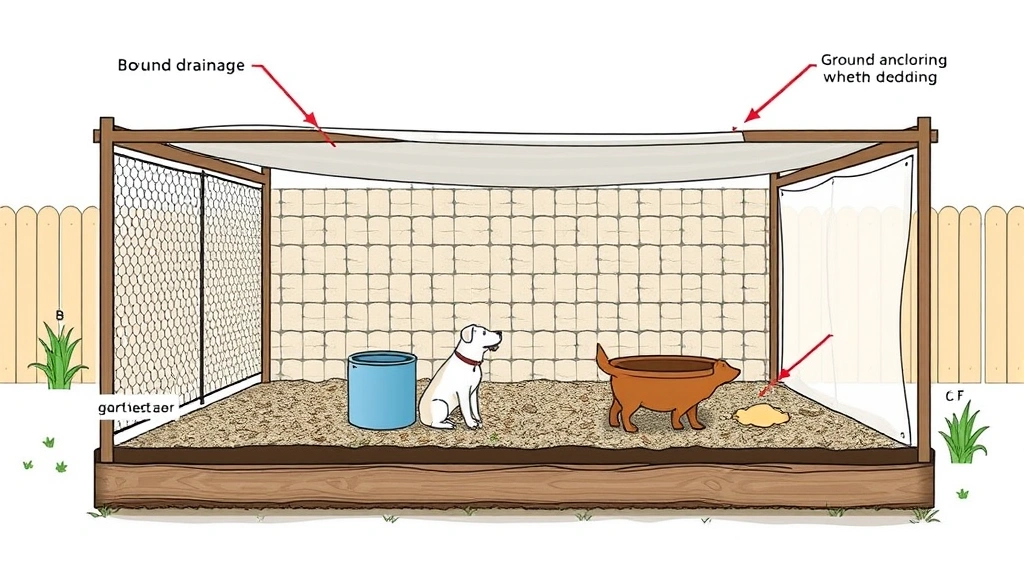
Concrete is easy to clean but can be hard on joints and gets scorching in summer. Grass is softer but can get muddy and harbor parasites. Gravel or sand offers a middle ground—good drainage, softer than concrete, and easier to maintain. Many vets recommend a mix: concrete or gravel for drainage, with straw or wood chips for comfort in the shelter area.
Ventilation
Proper airflow prevents heat buildup and reduces odors. Metal kennels naturally allow airflow, but covered areas can trap heat. Ensure any shelter has openings on multiple sides for cross-ventilation. In extreme heat, a fan or misting system can help.
Winter Considerations
In cold climates, insulation and wind breaks are crucial. A doghouse inside the kennel with straw or blankets provides warmth. Some dogs need heated beds or even heated water bowls. Check breed-specific cold tolerance—a Husky can handle cold that would be dangerous for a Chihuahua.
Essential Safety Features
Safety isn’t an afterthought; it’s the foundation of a good outdoor kennel. Here’s what to look for:
Secure Latches and Hinges
A loose latch is an escape waiting to happen. Check that hinges are sturdy and latches are dog-proof. Some dogs are smart enough to figure out simple latches—upgrade to carabiners or padlocks if needed. Also, ensure the gate opens inward, not outward, so your dog can’t push it open.
No Sharp Edges or Gaps
Inspect the entire kennel for protruding wires, sharp edges, or gaps where a dog could get stuck or injured. Run your hand along seams and corners. Small dogs can squeeze into surprisingly tiny spaces.
Escape-Proof Design
Dogs are escape artists. The kennel should be:
- Tall enough that your dog can’t jump out (at least 5–6 feet for large dogs, higher for athletic breeds).
- Buried or skirted at the base so dogs can’t dig out. A 12-inch buried skirt or ground-level barrier is standard.
- Free of climbing opportunities or weak spots.
According to The Humane Society, escape prevention is one of the most important safety measures for outdoor dogs.
Adequate Drainage
Standing water attracts parasites and creates unhygienic conditions. The kennel should be positioned on slightly elevated ground or have a sloped floor. If using concrete, drill drainage holes or use permeable pavers.
Protection from Other Animals
Coyotes, raccoons, and other wildlife can be a threat. Use sturdy materials (not flimsy plastic), bury the perimeter, and consider a roof to prevent climbing predators. In rural areas, this is critical.
Water and Food Access
Install a secure water bowl or automatic waterer. Food should only be offered during supervised time or removed after 15–20 minutes to prevent attracting pests and spoilage. Stainless steel or heavy ceramic bowls are harder to tip than plastic.
Pro Tip: Attach bowls to the kennel frame with carabiners or clips so they can’t be knocked over or dragged around. Spilled water creates muddy, unsanitary conditions.
Setup, Installation, and Maintenance
A poorly installed kennel is a safety hazard. Here’s how to do it right:
Location, Location, Location
Choose a spot that:
- Has natural shade or is easy to shade with a tarp or cloth.
- Drains well (not a low spot where water pools).
- Is away from hazards (toxic plants, chemicals, sharp objects).
- Allows some visibility from your house so you can monitor your dog.
- Isn’t directly next to a fence where your dog might obsess over neighbors or passing dogs.
Ground Preparation
Level the ground as much as possible. Uneven surfaces create stress on joints and can cause the kennel to shift. Remove rocks, sticks, and debris. If installing on grass, consider laying down landscape fabric to prevent weeds and mud.
Assembly and Anchoring
Follow manufacturer instructions carefully. Tighten all bolts and connectors. Secure the kennel to the ground with ground anchors or stakes—wind can topple an unsecured unit. This is especially important in areas prone to storms.
Regular Maintenance
Outdoor kennels require upkeep:
- Daily: Check water supply, remove soiled bedding, inspect for damage.
- Weekly: Scrub bowls, rake or sweep the floor, check for parasites or pest activity.
- Monthly: Deep clean with pet-safe disinfectant, inspect structural integrity, check latches and hinges.
- Seasonally: For wooden kennels, seal or stain as needed. For all types, inspect for rust, rot, or UV damage.
Neglected kennels become breeding grounds for parasites and bacteria. Your dog’s health depends on cleanliness.
Replacing Bedding and Shelter Materials
Straw, wood chips, and blankets need regular replacement. Wet or soiled bedding should be removed immediately. In winter, provide fresh straw regularly—it compacts and loses insulating value over time. In summer, ensure bedding doesn’t harbor parasites or mold.
Behavioral Considerations and Training
A kennel is a tool, not a punishment. How you introduce and use it matters.
Introduction and Positive Association
Don’t just throw your dog in the kennel. Introduce it gradually:
- Let them explore the empty kennel while it’s open.
- Toss treats inside to create positive associations.
- Close the door for short periods while you’re nearby.
- Gradually increase time, only closing the door when your dog is calm.
- Never use the kennel as punishment—this creates anxiety and resentment.
Preventing Anxiety and Boredom
A bored dog is a destructive dog. Provide enrichment:
- Rotate toys to keep things fresh.
- Offer puzzle feeders or treat-dispensing toys.
- Provide digging areas or designated zones for natural behaviors.
- Vary the time spent in the kennel—don’t use it as all-day storage.
If your dog shows signs of anxiety (excessive barking, destructive behavior, self-injury), consult a trainer or veterinary behaviorist. The American Veterinary Medical Association provides behavior guidelines that can help.
Supervision and Time Limits
Outdoor kennels are for supervised outdoor time, not 24/7 containment. Most dogs shouldn’t spend more than 4–6 hours consecutively in a kennel. They need indoor time for bathroom breaks, social interaction, and rest. Dogs are social animals—isolation leads to behavioral problems.
Addressing Escape Attempts
If your dog is trying to escape, it’s a sign something’s wrong. Common reasons:
- Boredom or pent-up energy.
- Anxiety or fear.
- Desire to be with you or other dogs.
- Inadequate space or comfort.
Address the root cause, not just the symptom. A dog that’s mentally and physically stimulated is less likely to escape. The ASPCA offers resources on addressing destructive and escape behaviors.
Socialization and Interaction
Use kennel time for positive experiences. Spend time in or near the kennel with your dog. Play, train, or just hang out. This prevents the kennel from becoming a lonely place and strengthens your bond.
Frequently Asked Questions
How long can a dog stay in an outdoor kennel?
– Most dogs shouldn’t spend more than 4–6 hours consecutively in an outdoor kennel. Longer periods can lead to anxiety, boredom, and behavioral issues. Overnight kenneling is generally not recommended unless the kennel is specifically designed as a nighttime shelter (like a covered doghouse) and your dog is acclimated to it. Dogs need indoor time for socialization, bathroom breaks, and rest.
Are outdoor dog kennels safe in winter?
– Outdoor kennels can be safe in winter if properly equipped. Provide insulation, wind breaks, heated bedding, and a covered shelter. However, extremely cold climates may require bringing your dog indoors. Cold-sensitive breeds (small dogs, short-haired breeds) shouldn’t spend extended periods outside in freezing temperatures. Always provide fresh, unfrozen water and monitor for signs of hypothermia or frostbite.
Can I leave my dog in a kennel overnight?
– It depends on the setup and your dog’s needs. A kennel with an insulated doghouse, proper bedding, and weather protection can work for overnight use, especially for dogs acclimated to it. However, most dogs prefer to sleep indoors with their family. Overnight kenneling is better suited for working dogs, farm dogs, or temporary situations. Puppies and senior dogs should generally sleep indoors.
What’s the difference between a kennel and a crate?
– A crate is typically an indoor, portable enclosure used for training and transport. A kennel is a larger, outdoor or semi-outdoor space designed for extended periods. Kennels provide more room and are built for durability; crates are for short-term containment. Both serve different purposes in your dog’s life.
Do outdoor kennels prevent escape?
– A well-designed, properly installed kennel significantly reduces escape risk. However, no kennel is 100% escape-proof if your dog is determined enough. The key is choosing a sturdy design, burying the perimeter, ensuring adequate height, and securing latches. Even with a great kennel, address the underlying reason your dog wants to escape (boredom, anxiety, etc.).
How often should I clean an outdoor kennel?
– Daily: Remove soiled bedding and check water. Weekly: Deep clean with pet-safe disinfectant and replace bedding. Monthly: Inspect for damage and parasites. Regular cleaning prevents parasites, bacteria, and odors. Neglected kennels become health hazards.
Can multiple dogs share an outdoor kennel?
– Yes, if the kennel is large enough and the dogs get along. A general rule is to add 50% more space per additional dog. For example, if one dog needs 6×12 feet, two dogs need 9×12 feet or 6×18 feet. Monitor for resource guarding over food, water, or shelter. Some dogs do better with separate spaces even in the same kennel.
What’s the best ground surface for a dog kennel?
– Gravel or sand offers good drainage and is softer than concrete. Concrete is easy to clean but can be hard on joints and gets hot. Grass is natural but can become muddy and harbor parasites. A combination—gravel for drainage with straw or wood chips in the shelter area—is often ideal. Avoid dirt, which becomes muddy and unsanitary.
Is it cruel to keep a dog in an outdoor kennel?
– Not if used properly. A well-maintained kennel with adequate space, weather protection, enrichment, and supervised time is a safe outdoor space. It becomes problematic only if used as a substitute for proper care, socialization, or indoor time. Think of it as a secure yard, not a prison. Dogs need outdoor time, exercise, and fresh air—a kennel enables that safely.





