
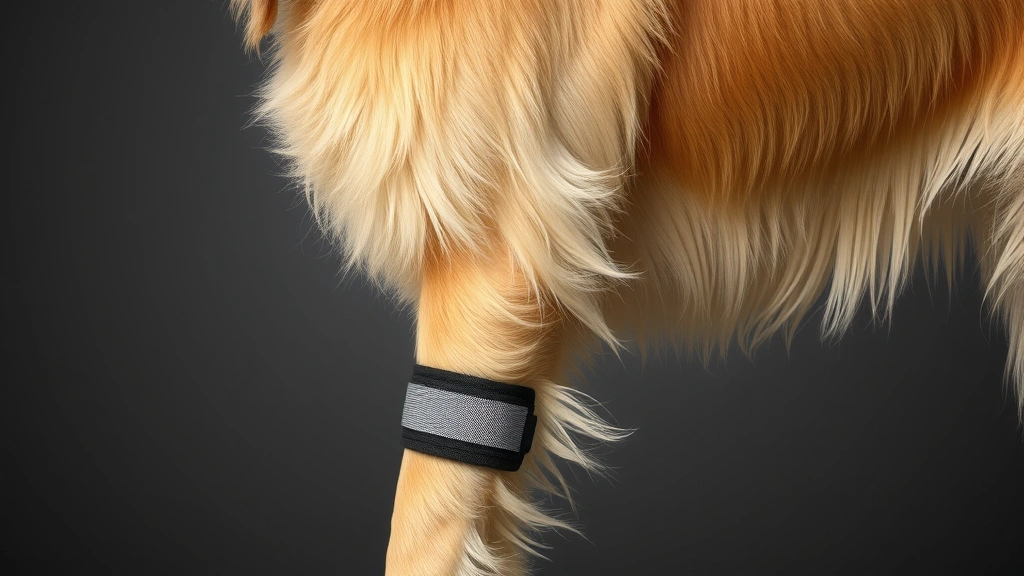
If your furry best friend is limping around like they’ve got a peg leg, a dog knee brace might be exactly what they need to get back to their tail-wagging, zoomies-running self. Whether your pup has ACL issues, arthritis, or just needs some extra support after surgery, finding the right knee brace can make a huge difference in their mobility and comfort.
Table of Contents
- Why Your Dog Might Need a Knee Brace
- Understanding Canine Knee Injuries and ACL Problems
- How a Dog Knee Brace Works
- Top 5 Dog Knee Brace Options for Recovery
- Choosing the Right Size and Fit
- Combining Braces with Other Recovery Methods
- Nutrition and Joint Support During Recovery
- Tips for Getting Your Dog to Wear the Brace
- When to See Improvement and What to Expect
- Frequently Asked Questions
- Conclusion: Getting Your Dog Back on Their Feet
Why Your Dog Might Need a Knee Brace
Dogs blow out their knees more often than you’d think. The most common culprit? ACL (anterior cruciate ligament) injuries. Your dog doesn’t need to be doing parkour off the couch to tear their ACL—sometimes it’s just an awkward landing, a slip on hardwood floors, or the wear and tear of getting older. Other reasons your pup might benefit from a knee brace include osteoarthritis, post-surgical recovery, or chronic joint instability. When your vet mentions your dog needs knee support, that’s when a quality dog knee brace becomes your new best friend (besides your actual dog, of course).
Understanding Canine Knee Injuries and ACL Problems
The ACL is basically the knee’s stability bodyguard. When it tears, your dog loses that protective support, which leads to pain, swelling, and a whole lot of limping. Small breeds and overweight dogs are particularly prone to ACL injuries, but any dog can experience this problem. According to the American Kennel Club, knee injuries are among the most common orthopedic issues vets see in dogs. The good news? A well-fitted knee brace can provide immediate relief and help prevent further damage while your dog heals.
How a Dog Knee Brace Works
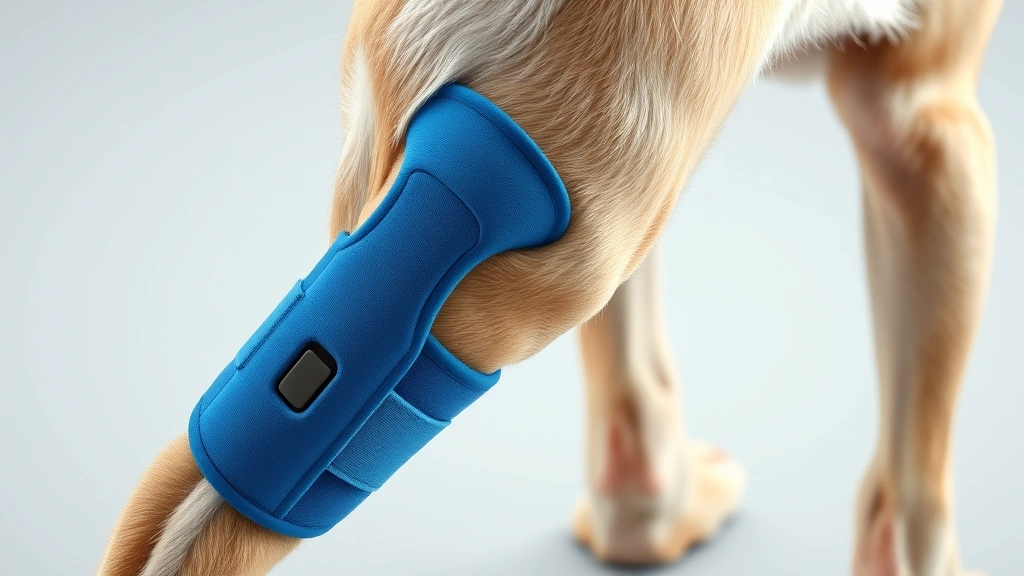
Think of a knee brace as a supportive hug for your dog’s leg. These devices work by stabilizing the joint, reducing excessive movement, and taking pressure off the injured ligament. Most braces use a combination of compression, lateral support, and sometimes hinged structures to keep the knee in proper alignment. The brace limits the range of motion that causes pain while still allowing your dog to walk, play, and recover safely. It’s like giving your pup’s knee a security blanket that actually does something useful.

Top 5 Dog Knee Brace Options for Recovery
Let’s break down the best options available for your limping buddy:
1. Ortocanis Knee Brace
The Ortocanis is a custom-fit option that’s become wildly popular among vets and dog owners alike. You send in a tracing of your dog’s leg, and they create a personalized brace. It’s pricey, but the custom fit means maximum comfort and support. Many owners report their dogs adapting to it within days and showing improvement in mobility within weeks.
2. Labra Dog Knee Brace
If your dog has a medium to large frame, the Labra brace is a solid choice. It’s designed with dual-sided support and comes in various sizes. The neoprene material is breathable, and the Velcro straps make it easy to put on and take off—which is crucial when your dog gives you that “please don’t” look every morning.

3. PetFusion Brace
This is the budget-friendly option that doesn’t skimp on quality. The PetFusion knee brace offers decent compression and support for mild to moderate knee issues. It’s easier to clean than some competitors and comes with helpful sizing guides to ensure you get the right fit.
4. Walkabout Orthopedic Brace
The Walkabout is a hinged brace that provides serious support for dogs recovering from ACL surgery or dealing with severe instability. It’s heavier and more rigid than other options, making it ideal for larger breeds or dogs that need maximum stabilization during their recovery journey.
5. Ruffwear Swamp Cooler Knee Support
If your dog needs support but also tends to overheat, the Swamp Cooler design offers breathable, lightweight support. It’s perfect for active dogs in warm climates who still need compression and stability. Plus, it looks less medical and more like actual dog fashion.
Choosing the Right Size and Fit
Getting the correct size is absolutely critical. A too-tight brace will cut off circulation and cause more problems than it solves. A too-loose brace won’t provide adequate support and will just slide around like your dog’s wearing a sweater made of spaghetti. Most manufacturers provide detailed sizing charts—measure your dog’s leg circumference at the widest point and compare it to their recommendations. When in doubt, contact the company’s customer service. They’re usually super helpful and want your pup to succeed as much as you do.
Combining Braces with Other Recovery Methods
A knee brace works best as part of a comprehensive recovery plan. PetMD recommends combining bracing with physical therapy, weight management, and controlled exercise. Speaking of weight management, human foods for weight management in pets can help your dog shed excess pounds that put stress on injured joints. Additionally, collagen for dogs has shown promise in supporting joint health and recovery. Your vet might also recommend supplements like glucosamine or fish oil to support joint healing from the inside out.
Nutrition and Joint Support During Recovery
What your dog eats matters just as much as what you put on their leg. High-quality protein helps rebuild muscle that supports the knee joint. Energy-boosting foods for active pets can help keep your recovering pup engaged without overdoing it. Some vets also recommend adding omega-3 fatty acids to reduce inflammation around the injured joint. If your dog seems to be struggling with their diet during recovery, when to call the vet about food provides guidance on nutrition concerns.
Tips for Getting Your Dog to Wear the Brace
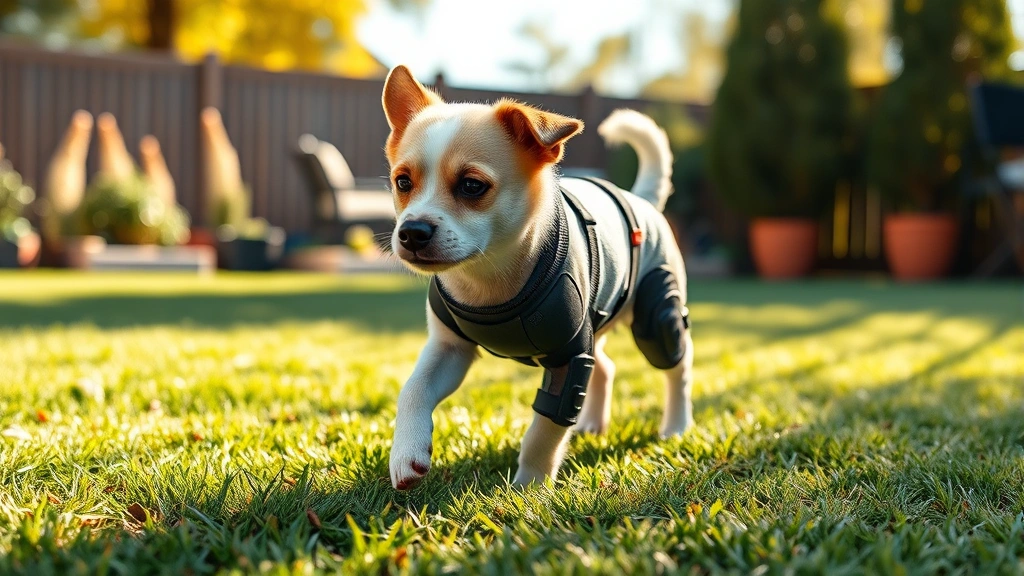
Most dogs don’t wake up thrilled about wearing a knee brace. Here’s the thing though: they adapt faster than you’d expect. Start by letting them wear it for short periods while giving treats and praise. Gradually increase wear time over several days. Distract them with a favorite toy or puzzle feeder when you first put it on. Within a week, most dogs barely notice they’re wearing it—especially once they realize it makes their knee feel better and they can move without pain.
When to See Improvement and What to Expect
Timeline varies depending on the severity of the injury and your dog’s overall health. Some dogs show improvement within days of wearing a proper knee brace. Others take a few weeks to really notice the difference. Post-surgical dogs typically need to wear the brace for 4-8 weeks, though your vet will give you specific guidance. Keep your expectations realistic—a brace is support, not a cure. It helps your dog heal, but healing still takes time.
Frequently Asked Questions
How long does my dog need to wear a knee brace?
Duration depends on the injury type and severity. Post-surgical dogs typically wear braces for 4-8 weeks. Dogs with chronic conditions like arthritis might need to wear them long-term or seasonally. Always follow your vet’s recommendations for your specific situation.
Can my dog swim while wearing a knee brace?
Most traditional knee braces aren’t waterproof and shouldn’t be submerged. However, some manufacturers make water-resistant options. Check with your specific brace manufacturer before letting your dog take a dip. Swimming itself is excellent low-impact exercise for recovering dogs—just remove the brace first unless it’s specifically designed for water.
Will a knee brace prevent my dog from needing surgery?
A brace can sometimes help manage mild injuries and prevent progression, but severe ACL tears usually require surgical intervention. Think of the brace as a way to manage pain and support healing, not as a replacement for surgery when surgery is necessary. Your vet will determine if surgery is required.
How do I clean my dog’s knee brace?
Most braces can be hand-washed with mild soap and warm water. Check the manufacturer’s instructions—some have removable liners that are machine washable. Always let it air dry completely before putting it back on your dog. Keeping it clean prevents odors and extends its lifespan.
What’s the difference between a knee brace and a leg wrap?
Knee braces provide structured support with hinges or rigid materials designed specifically for knee joint stabilization. Leg wraps offer basic compression but less targeted support. For actual knee injuries, a proper brace is generally more effective than a wrap, though your vet might recommend either depending on the situation.
Conclusion: Getting Your Dog Back on Their Feet
Finding the right dog knee brace can genuinely transform your pup’s recovery experience. Whether you go with a custom option like Ortocanis or a more affordable choice like PetFusion, the key is getting proper sizing and following your vet’s guidance on usage. Combine the brace with appropriate exercise, weight management, and joint-supporting nutrition, and you’re giving your dog the best chance at a full recovery. Your limping buddy will be back to their normal zoomies-filled self before you know it—just with a little extra support along the way.





