
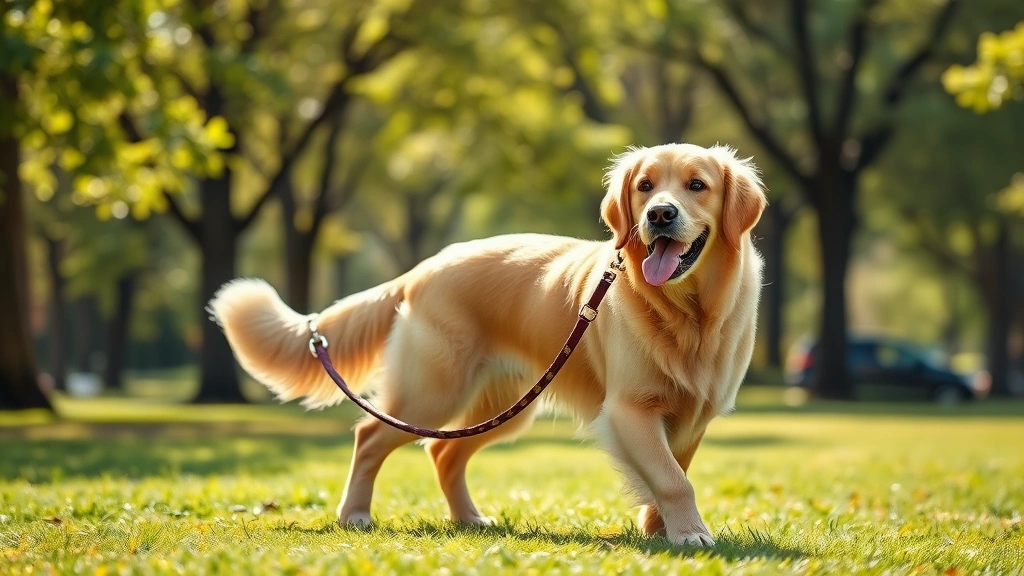
A quality dog lead is absolutely essential for keeping your furry friend safe, secure, and under control during walks. Whether you’re strolling through the neighborhood or tackling a hiking trail, the right leash can make all the difference between a pleasant outing and a chaotic nightmare. In this guide, we’ll break down everything you need to know about choosing the perfect dog lead and reveal our top five picks that’ll have your pup strutting down the street like they own the place.
Table of Contents
- What Exactly Is a Dog Lead and Why Does It Matter?
- Different Types of Dog Leads Explained
- Top 5 Best Dog Leads for Your Canine Companion
- Choosing the Right Lead for Your Dog’s Size and Temperament
- Essential Features to Look for in a Quality Dog Lead
- Training Your Dog to Walk Properly on a Lead
- Maintenance and Care for Your Dog Lead
- Common Dog Lead Mistakes to Avoid
- Budget-Friendly Options That Don’t Sacrifice Quality
- Frequently Asked Questions
- Final Thoughts on Finding Your Perfect Dog Lead
What Exactly Is a Dog Lead and Why Does It Matter?
Let’s start with the basics. A dog lead (also called a leash or lead) is that trusty cord, rope, or chain connecting your dog to you during walks. It’s not just some fashion accessory—it’s a lifeline. A proper leash keeps your dog from bolting after squirrels, prevents them from jumping on strangers, and protects them from traffic hazards. Think of it as your dog’s seatbelt for the outdoor world. The right lead gives you control while still allowing your pup some freedom to explore and sniff (because let’s be honest, that’s basically their entire walk experience).
Different Types of Dog Leads Explained
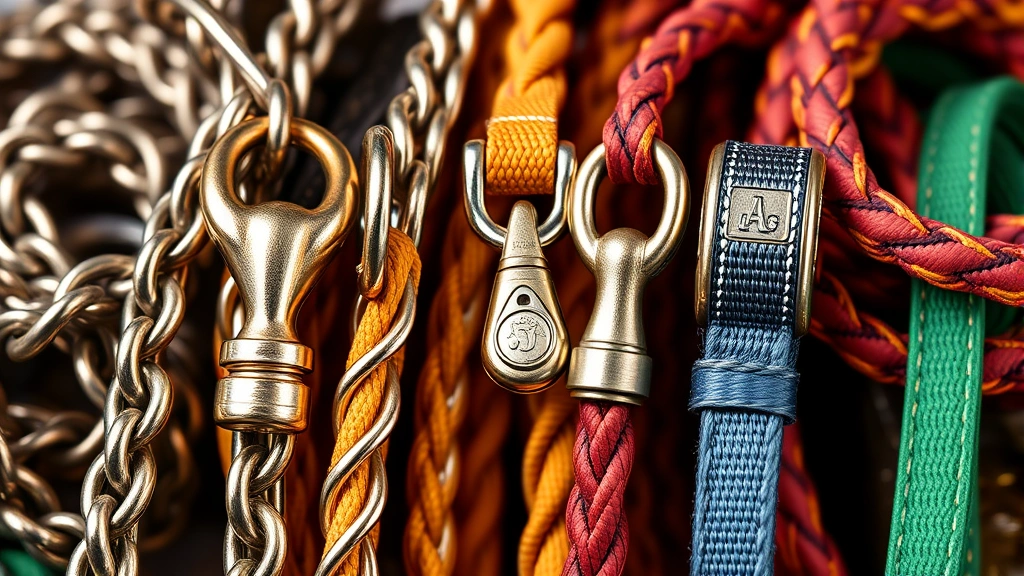
Not all leashes are created equal. Standard fixed-length leads (usually 4-6 feet) offer maximum control and are perfect for urban environments. Retractable leads give your pup more freedom to roam while you maintain a safety line—great for open spaces but potentially problematic if your dog has poor recall. Hands-free leads are game-changers for runners and hikers, wrapping around your waist so you’re not fighting with a lead while maintaining fitness. Chain leads are durable and chew-proof but heavy and can be uncomfortable in cold weather. Rope leads are lightweight and affordable but require more maintenance. Each type serves different purposes depending on your lifestyle and your dog’s behavior.
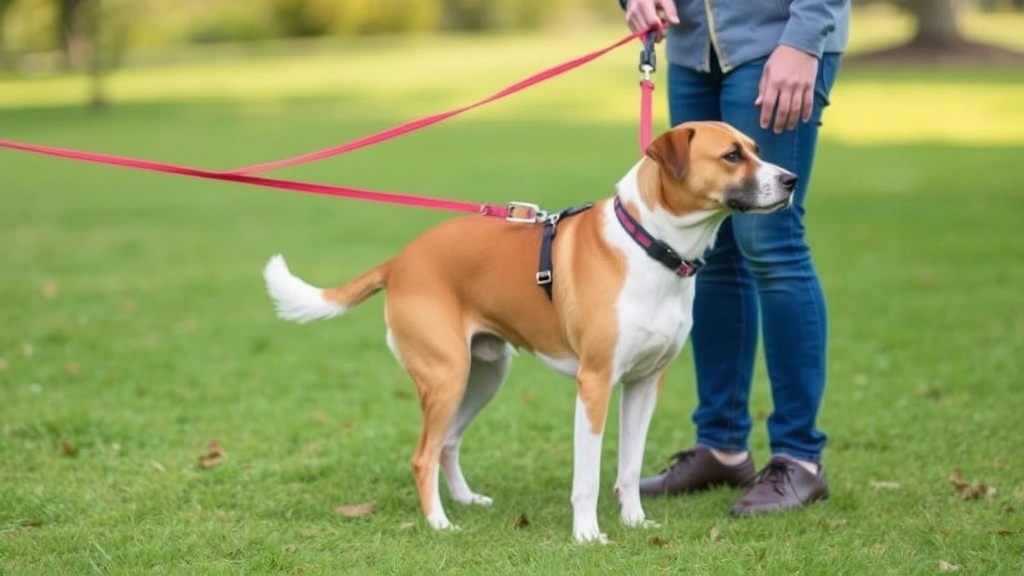
Top 5 Best Dog Leads for Your Canine Companion
We’ve researched extensively and tested numerous options to bring you our favorite picks. These selections balance durability, comfort, safety, and style—because your dog deserves the best, and you deserve something that doesn’t make you look like you’re wrestling a bear on every walk.
1. Premium Nylon Braided Lead
Our top pick combines comfort and durability. This lead features a soft nylon braid that won’t dig into your hands during those enthusiastic pulls, reinforced stitching that laughs in the face of wear and tear, and a sturdy metal clasp that won’t fail when your 80-pound Labrador spots another dog. Available in multiple colors and lengths, it’s versatile enough for any pup personality.
2. Adjustable Multi-Length Lead
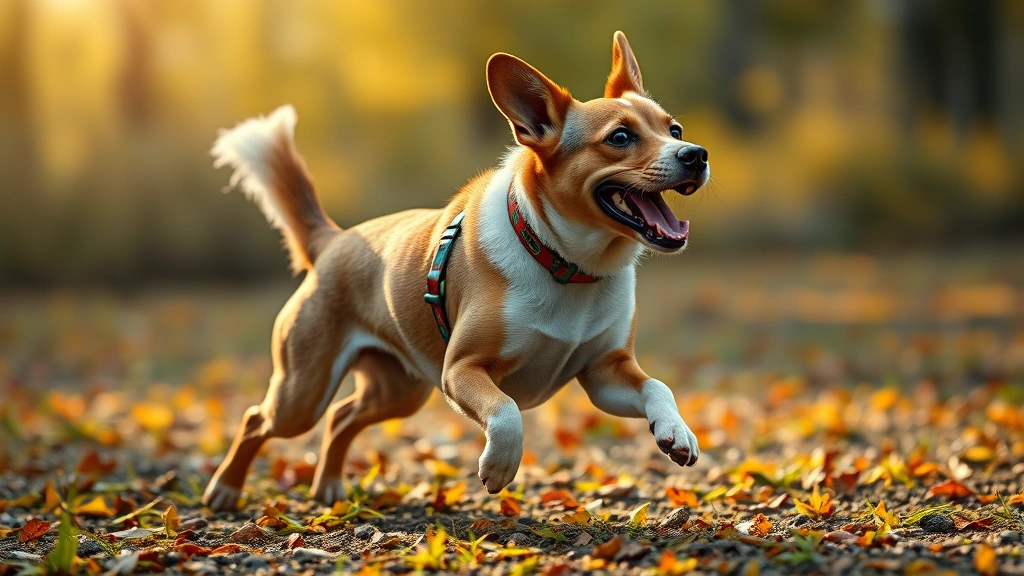
Perfect for the indecisive dog owner (no judgment here). This clever design lets you adjust the length from 3 to 6 feet, making it ideal for different scenarios. Walking through crowded areas? Shorten it up. At the park? Extend it for more exploration. It’s like having three leashes in one, and your wallet will thank you.
3. Heavy-Duty Chain Lead
For the power chewers and escape artists among us, this stainless steel chain lead is practically indestructible. It won’t fray, can’t be chewed through, and handles even the most aggressive pullers. Sure, it’s a bit heavier, but if your dog views regular leads as snacks, this is your answer.
4. Hands-Free Waist Lead
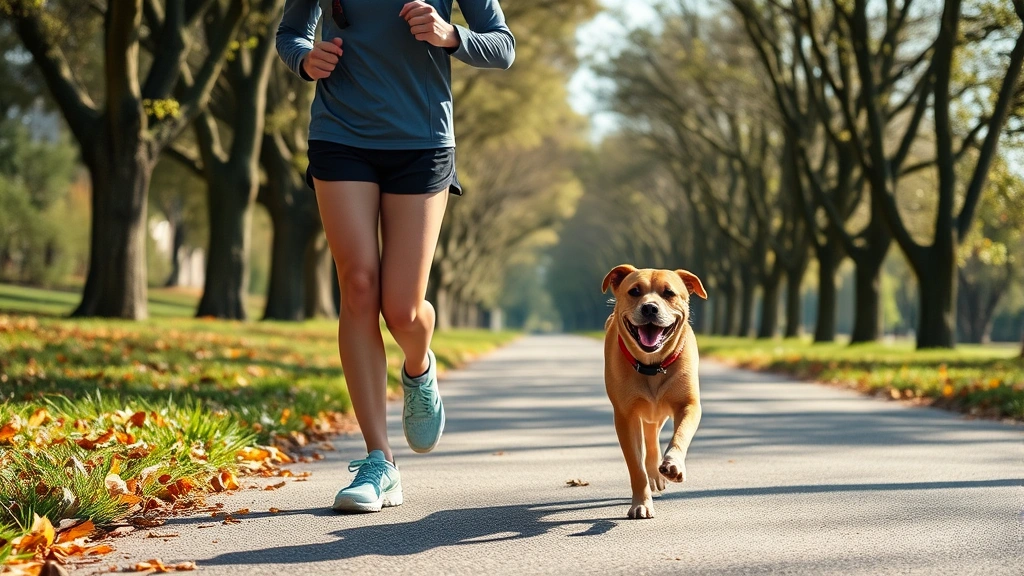
Revolutionary for active dog owners. This lead wraps around your waist, freeing up both hands for jogging, hiking, or simply living your best life without being yanked around. Your dog gets a comfortable walk, you get your cardio in, and everyone’s happy. It’s a win-win-woof situation.
5. Eco-Friendly Hemp Lead
For the environmentally conscious dog parent, hemp leads are biodegradable, durable, and surprisingly stylish. They’re gentle on your hands, age beautifully, and you can feel good about your purchase knowing you’re not contributing to plastic waste. Mother Earth approves.
Choosing the Right Lead for Your Dog’s Size and Temperament
Size matters when selecting a dog lead. Small breeds (under 25 lbs) do fine with lightweight nylon or rope leads. Medium breeds (25-60 lbs) benefit from standard nylon or adjustable leads. Large and giant breeds (over 60 lbs) need heavy-duty options—chain or reinforced nylon with extra-strong clasps. Temperament is equally important. Aggressive pullers need shorter, sturdier leads for better control. Anxious dogs might prefer a shorter lead that keeps them close to you. Calm, well-trained pups can enjoy retractable leads that give them more autonomy.
Essential Features to Look for in a Quality Dog Lead
When shopping for a dog lead, check for these non-negotiables: a sturdy, reliable clasp (preferably metal and tested for your dog’s weight), comfortable grip material that won’t blister your hands, appropriate length for your lifestyle, and materials that can withstand your dog’s chewing habits and your local weather conditions. Additional features like reflective stitching for nighttime visibility, padded handles, or swivel clasps that prevent tangling are bonuses that elevate your walking experience.

Training Your Dog to Walk Properly on a Lead
Even the best dog lead won’t help if your pup hasn’t learned proper leash manners. Start with short walks in familiar, low-distraction environments. Reward your dog when they walk beside you without pulling using training treats from human food or their favorite snacks. Consistency is key—every family member should enforce the same rules. If your dog pulls, stop walking. Once they relax the tension, continue. This teaches them that pulling doesn’t get them anywhere (literally). Consider pairing your lead training with proper collar choices like our Carhartt dog collar, which provides excellent control and durability for working dogs.
Maintenance and Care for Your Dog Lead
Extend your dog lead’s lifespan with proper care. Wash nylon leads regularly with mild soap and water to remove dirt and bacteria. Inspect clasps and stitching monthly for signs of wear. For rope leads, brush them occasionally to prevent matting. Chain leads should be wiped down and checked for rust. Store your lead in a dry place away from direct sunlight, which can degrade materials over time. A well-maintained lead lasts longer and remains safer for your pup.
Common Dog Lead Mistakes to Avoid
Don’t use a lead that’s too long for crowded areas—you lose control faster than you can say “squirrel!” Avoid leaving your dog unattended while tethered to a lead; they can get tangled or injured. Don’t ignore signs of wear; replace frayed or damaged leads immediately. Never use a lead as a punishment tool or yank aggressively on it. And please, don’t skip the training—a lead is only as effective as the dog wearing it.
Budget-Friendly Options That Don’t Sacrifice Quality
Quality doesn’t always mean expensive. Many affordable leads perform excellently. Basic nylon leads from reputable brands cost $10-20 and last years. Rope leads are budget-friendly at $8-15. Even adjustable leads can be found for under $30. The key is checking reviews, verifying clasp quality, and avoiding the absolute bottom-of-the-barrel options that fail after three walks. Investing an extra $10-15 in a reliable lead is worth avoiding the embarrassment of your dog running free through the local park.

Frequently Asked Questions
What’s the best length for a dog lead?
For most urban walking, 4-6 feet is ideal—close enough for control, long enough for your dog to explore. Retractable leads extend up to 25 feet for open spaces. Adjust based on your environment and your dog’s training level.
Can I use a dog lead for training?
Absolutely! A properly fitted lead is essential for training. Pair it with positive reinforcement using healthy snack alternatives for dogs to reward good behavior. Never use the lead as a punishment device.
How often should I replace my dog’s lead?
Inspect monthly and replace when you notice significant wear, fraying, or clasp damage. A well-maintained lead lasts 1-3 years depending on your dog’s size and behavior.
Are chain leads better than rope leads?
Chain leads are more durable and chew-proof, making them ideal for aggressive chewers. Rope leads are lighter and more comfortable but require more maintenance. Choose based on your dog’s habits and your preferences.
What should I do if my dog pulls excessively on the lead?
Start training immediately using positive reinforcement. Stop walking when they pull, resume when they relax tension. Consider a front-clip harness for additional control. Consistency and patience are essential. You might also explore can dogs eat apples as training rewards—they’re healthy, low-calorie treats.
Final Thoughts on Finding Your Perfect Dog Lead
Your dog lead is more than just equipment—it’s your safety net, your training tool, and your ticket to enjoyable outdoor adventures together. Whether you choose a premium nylon braided lead for everyday walks, a hands-free waist lead for active adventures, or a heavy-duty chain lead for your power-puller, the right choice depends on your dog’s size, temperament, and your lifestyle. Invest in quality, maintain it properly, and pair it with consistent training, and you’ll have years of perfect walks ahead. Your dog will be happier, safer, and you’ll actually enjoy your time together instead of being dragged around like a rag doll. Now get out there and enjoy those walks!





