

Dog lice are tiny parasites that can turn your furry friend’s life into an itchy nightmare, and honestly, they’re way more common than most pet owners realize. If you’ve noticed your pup scratching like they’re auditioning for a flea circus, there’s a solid chance dog lice could be the culprit. But don’t panic—we’ve got the complete roadmap to identify, eliminate, and prevent these pesky invaders from crashing your dog’s party.
Table of Contents
- What Exactly Are Dog Lice?
- Recognizing the Signs: How to Spot Dog Lice Infestation
- Dog Lice vs. Other Parasites: Know the Difference
- How Dogs Get Dog Lice: Transmission Routes
- Treatment Options: Getting Rid of Dog Lice
- Home Care and Environmental Management
- Prevention Strategies: Stop Dog Lice Before They Start
- When to Call Your Vet: Red Flags and Complications
- The Role of Your Vet: Professional Diagnosis and Treatment
- Natural Remedies: Do They Actually Work?
- Timeline: What to Expect During Treatment
- Cost Considerations: Budget for Treatment
- Frequently Asked Questions
- Final Thoughts: Taking Action Against Dog Lice
What Exactly Are Dog Lice?
Dog lice are small, wingless parasitic insects that live on your dog’s skin and coat. Unlike fleas, which are equal-opportunity bloodsuckers that love both dogs and cats, dog lice are host-specific. This means the lice hanging out on Fido won’t be interested in your cat or you—they’re picky eaters with very specific tastes.
There are two main types: biting lice (Trichodectes canis) and sucking lice (Linognathus setosus). Biting lice are way more common and cause itching by nibbling on skin debris, while sucking lice feed on blood and can cause more serious anemia in severe infestations. Both types are about the size of a sesame seed, making them visible to the naked eye if you know where to look.
Recognizing the Signs: How to Spot Dog Lice Infestation
Your dog can’t exactly tell you, “Hey, I’ve got lice,” so you need to become a detective. The most obvious sign is excessive scratching, but there’s more to the story. Look for:
- Intense itching and scratching, especially around the neck, ears, and hindquarters
- Hair loss and patchy bald spots from constant scratching
- Red, inflamed skin or small bite marks
- Dry, flaky skin that looks like dandruff
- A dull, unkempt coat
- Visible lice or nits (lice eggs) in the fur—they look like tiny white or tan specks
- Secondary skin infections from excessive scratching
If your dog is scratching more than usual and you can actually see tiny bugs or egg clusters in their coat, it’s time to call your vet. Don’t wait around hoping it’ll magically disappear.
Dog Lice vs. Other Parasites: Know the Difference
Here’s where things get confusing for pet parents. Dog lice symptoms overlap with fleas, mites, and allergies, but they’re completely different problems requiring different solutions. Fleas are faster and more mobile, while lice move slowly and stay put. Mites burrow into the skin causing mange, while lice hang out on the surface. Allergies cause itching without visible parasites.
The best way to confirm you’re dealing with dog lice is to have your vet do a skin scraping or use a magnifying glass to examine the coat closely. Those white nits stuck to hair shafts are the dead giveaway—literally.

How Dogs Get Dog Lice: Transmission Routes
Dogs typically catch lice through direct contact with infested dogs. If your pup had a playdate with a mangy mutt at the dog park, spent time at a shelter, or boarded at a facility with poor hygiene, they could’ve picked up an unwanted souvenir. Lice can also spread through contaminated bedding, grooming tools, and collars, though direct contact is the primary culprit.
Puppies and senior dogs are at higher risk because their immune systems aren’t firing on all cylinders. Stray dogs, shelter animals, and dogs living in crowded conditions are also more susceptible. If your dog is generally healthy with a strong immune system, they’re less likely to develop a full-blown infestation even if exposed.
Treatment Options: Getting Rid of Dog Lice
The good news? Dog lice are highly treatable. Your vet will typically recommend one of several approaches:
Topical Treatments: Prescription spot-on treatments containing pyrethrins or permethrin are the gold standard. You apply these directly to your dog’s skin (usually between the shoulder blades where they can’t lick it off), and they kill lice on contact. Most treatments need to be applied every 2-3 weeks for 4-6 weeks to break the lice life cycle.
Oral Medications: Some vets prescribe oral antiparasitic medications like spinosad or nitenpyram. These systemic treatments work from the inside out and are great for dogs that freak out during topical applications.
Medicated Shampoos: While not as effective as prescription treatments alone, medicated shampoos containing pyrethrin can help manage symptoms and reduce lice populations. Use them in combination with other treatments for best results.
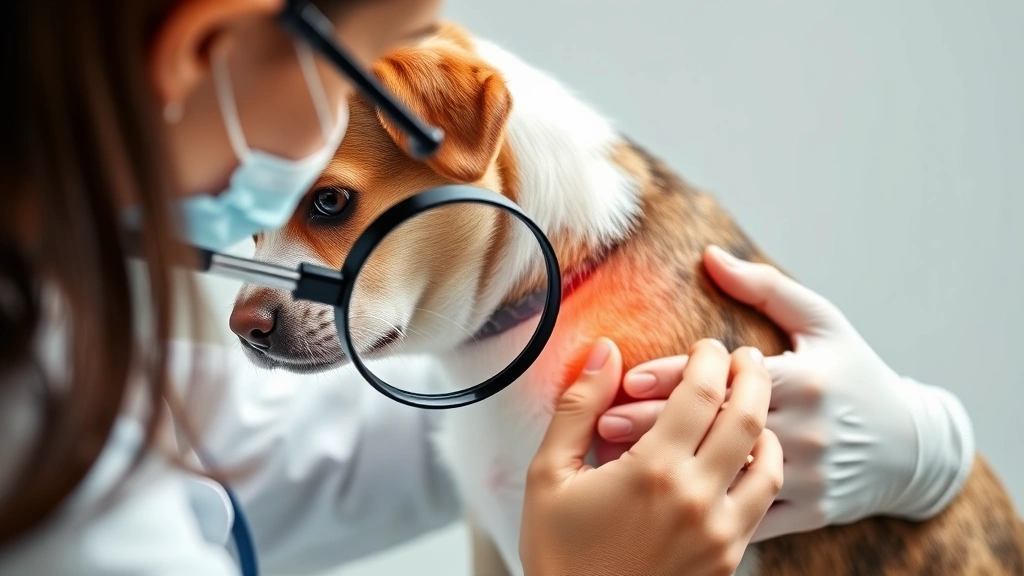
Always follow your vet’s instructions to the letter. Don’t get creative and don’t stop treatment early just because your dog looks better—the nits can still hatch and restart the whole nightmare.
Home Care and Environmental Management
Treating your dog is only half the battle. You need to decontaminate their environment too. Wash all bedding, blankets, and toys in hot water weekly. Vacuum carpets and furniture thoroughly, and if your dog spends a lot of time on one spot, consider replacing the bedding entirely. Grooming tools should be soaked in hot water or replaced.
If you have multiple dogs, treat them all simultaneously even if only one shows symptoms. One louse-carrying pup can infect the whole pack. Keep treated dogs separated from untreated dogs for at least 48 hours after application.
For a comprehensive approach to your dog’s overall health during treatment, consider checking out our Pet Nutrition Advice to ensure your dog gets the nutrients needed to support their immune system while fighting off parasites.
Prevention Strategies: Stop Dog Lice Before They Start
Prevention is infinitely easier than treatment. Here’s your game plan:
Regular Grooming: Brush your dog’s coat several times a week. This helps you spot problems early and removes debris where lice love to hide. Plus, your dog gets quality bonding time with you.

Maintain Good Hygiene: Regular baths with quality shampoo keep your dog’s skin healthy and less hospitable to parasites. A healthy coat is a parasite-resistant coat.
Limit Exposure: Be selective about where your dog socializes. Avoid sketchy dog parks and boarding facilities with questionable cleanliness standards. Ask about their parasite prevention protocols.
Parasite Prevention Products: Monthly flea and tick preventatives often protect against lice too. Talk to your vet about year-round prevention, especially if you live in a warm climate or have high-risk exposure.
Quarantine Protocol: If you bring a new dog home or your pup has been around strays, give them a thorough exam and consider a brief quarantine period before introducing them to your other pets.
When to Call Your Vet: Red Flags and Complications
While dog lice aren’t usually life-threatening, they can cause serious complications if left untreated. Secondary bacterial infections from scratching can escalate quickly. Sucking lice infestations can cause anemia, especially in puppies or senior dogs. If your dog develops signs of infection (pus, swelling, fever) or seems lethargic, don’t wait—get them to the vet immediately.
If your dog’s itching doesn’t improve after two weeks of treatment, or if you notice new infestations, contact your vet. They might need to switch treatments or investigate whether something else is going on. A Virtual Pet Checkup can be a quick way to get professional guidance without leaving home.

The Role of Your Vet: Professional Diagnosis and Treatment
Your veterinarian is your best resource for dog lice issues. They can definitively diagnose the problem, rule out other conditions causing similar symptoms, and prescribe the most effective treatment for your specific dog. Don’t try to self-diagnose based on internet research alone—what looks like lice might actually be mites, fleas, or an allergic reaction.
According to the American Kennel Club, professional veterinary diagnosis is crucial because improper treatment can waste time and money while your dog continues suffering. If you’re unable to visit in person, Telehealth Vet Appointments offer a convenient way to get expert advice quickly.
Natural Remedies: Do They Actually Work?
Let’s be real: the internet is full of miracle cures for dog lice involving coconut oil, apple cider vinegar, and essential oils. While some of these might provide minor relief and support overall skin health, they’re not reliable treatments for active infestations. Prescription medications exist because they’ve been scientifically proven to kill lice effectively.
That said, natural remedies can complement professional treatment. Coconut oil has mild antimicrobial properties and can soothe irritated skin. Oatmeal baths can relieve itching. But these should never replace veterinary treatment—they’re supportive measures, not solutions.
Timeline: What to Expect During Treatment
Understanding the lice life cycle helps you know what to expect. Lice eggs hatch in about 4-7 days, and the whole life cycle takes 2-3 weeks. This is why most treatments require multiple applications spaced 2-3 weeks apart—you need to catch multiple generations of lice to completely eliminate them.
Your dog might continue scratching for a few days after treatment as the lice die. This doesn’t mean the treatment failed; it just means the lice are dying and their bodies are irritating the skin on the way out. After about a week, you should notice significant improvement. By week three or four, most dogs show dramatic relief.

Cost Considerations: Budget for Treatment
Veterinary visits for diagnosis typically run $50-150 depending on your location and vet. Prescription treatments cost $30-100 per application, and you’ll usually need 2-3 applications. Medicated shampoos run $20-50 per bottle. Total cost for complete treatment usually falls between $200-400, which is way cheaper than dealing with secondary infections or complications.
If cost is a concern, ask your vet about generic alternatives or payment plans. Many vets offer discounts for buying multiple months of preventative treatments upfront.
Frequently Asked Questions
Can humans get dog lice?
Nope, you’re safe! Dog lice are species-specific and won’t infect humans. They’re not interested in human blood or skin. You can pet and cuddle your infested dog without worry (though you should wash your hands afterward to prevent spreading lice to other dogs).
How long does it take to get rid of dog lice?
With proper treatment, most dogs show significant improvement within 1-2 weeks. Complete elimination typically takes 4-6 weeks because you need to treat through multiple generations of lice. Consistency is key—don’t skip applications or stop early.
Can dog lice come back after treatment?
Yes, reinfection is possible if your dog is exposed again. This is why prevention is so important. If your dog keeps getting lice, investigate the source—is there a specific dog they’re playing with? A particular location? Address the root cause to prevent recurring infestations.
Are dog lice contagious to other pets?
Dog lice won’t infect cats, but they’ll absolutely infect other dogs. If you have multiple dogs and one has lice, treat them all simultaneously. This is non-negotiable.

What’s the difference between dog lice and fleas?
Fleas are faster, jump, and bite more aggressively. Lice are slower, can’t jump, and cause itching through different mechanisms. Fleas are also more common. Your vet can definitively tell you which parasite you’re dealing with.
Can I prevent dog lice with monthly preventatives?
Many monthly flea and tick preventatives also protect against lice. Check the product label or ask your vet. If lice are a concern in your area, make sure your chosen preventative covers them.
Final Thoughts: Taking Action Against Dog Lice
Dog lice are annoying but entirely manageable with the right approach. The key is catching them early, getting professional diagnosis, following treatment protocols religiously, and maintaining good preventative practices going forward. Your dog doesn’t have to suffer through endless scratching and discomfort.
If you suspect your dog has lice, don’t wait. Contact your vet, get a proper diagnosis, and start treatment immediately. In the meantime, increase grooming frequency to monitor the situation. Remember that Emergency Vet services are available if secondary infections develop.
With consistent treatment and preventative care, your dog will be back to their happy, itch-free self in no time. Your pup deserves to enjoy life without parasites ruining their day—and you deserve a break from the constant scratching sounds!





