
Your dog is sitting next to you, and you notice they’re obsessively licking their paws. Again. You might think it’s just a grooming habit—maybe they stepped in something, right? But when dog licking paws becomes a constant behavior, it’s your signal that something needs attention. This isn’t always a sign of a serious problem, but it’s definitely worth investigating. I’ve seen countless dogs come into the clinic with raw, inflamed paws because their owners didn’t catch the issue early. The good news? Most causes are treatable, and you can start helping your dog today.
As a veterinary technician who’s handled thousands of paw cases, I can tell you that dog licking paws is one of the most common complaints we hear. It ranges from minor irritation to serious infections. The key is knowing what to look for and when to call your vet. Let’s break down what’s actually happening when your dog won’t stop licking those paws.
Why Dogs Lick Their Paws Excessively
Dogs lick their paws for lots of reasons. Some are totally normal—your dog grooms themselves just like we shower. But excessive licking is different. If your dog is licking their paws more than a few times a day, or if you see redness and swelling, that’s your cue to investigate.
The paw is basically a magnet for problems. It touches the ground, gets wet, gets dirty, and is exposed to allergens constantly. Plus, the skin between the toes is warm and moist—perfect breeding ground for yeast and bacteria. When your dog starts licking excessively, they’re usually trying to relieve itching or pain. Think of it like when you have a mosquito bite and can’t stop scratching it. Your dog’s paw licking is their way of saying, “Something’s wrong here.”
Here’s what happens: excessive licking leads to moisture and warmth, which leads to secondary infections, which leads to more licking. It becomes a vicious cycle fast. That’s why catching it early matters so much.
Allergies and Fleas: The Usual Suspects
If I had to bet money on what’s causing your dog’s paw licking, I’d put it on allergies or fleas first. These account for the majority of cases I see.
Fleas are obvious culprits. Even one flea can drive a dog crazy. You might not see them—they’re tiny and fast—but your dog definitely feels them. Check for fleas by looking for flea dirt (tiny black specks) in your dog’s coat. Use a flea comb and look especially around the paws and tail base. If you see dirt, dab it on a white paper towel and add a drop of water. If it turns reddish-brown, that’s flea dirt—blood your dog digested.
Prevention is way easier than treatment. Talk to your vet about year-round flea prevention. Products like Simparica, NexGard, or topical treatments work well. Don’t skip it just because it’s winter—fleas live indoors too.
Allergies are trickier. Dogs can have food allergies, environmental allergies (pollen, dust mites, mold), or contact allergies (something they step in or touch). Environmental allergies often show up as paw licking because the paws are in direct contact with the ground. Food allergies usually cause itching all over, but the paws are often the worst.
The American Kennel Club notes that allergies are one of the most common reasons for paw licking in dogs. If you suspect allergies, keep a log: when does the licking get worse? Is it seasonal? Does it happen after certain foods or activities? This info helps your vet narrow things down.
Common allergens include chicken, beef, wheat, and corn in food. Environmental triggers include grass pollen, dust mites, and mold. Your vet can do allergy testing, but it’s expensive and not always conclusive. Often, we work through elimination diets or try different management strategies first.
Infections and Yeast Problems
Here’s where things get gross but important: yeast infections on paws are incredibly common, especially in dogs with floppy ears or those who swim a lot. Yeast loves warm, moist environments. Your dog’s paws, especially between the toes, are basically a yeast resort.
A yeast infection paw usually looks red or brown, feels warm, and smells funky—kind of like corn chips or beer. That’s actually the smell of yeast. If you notice this smell, that’s a pretty solid indicator of yeast. The licking makes it worse because it adds moisture.
Bacterial infections can happen too, especially if your dog has been licking so much that the skin is raw and broken. Once the barrier is compromised, bacteria move in. This can get serious fast—we’re talking about potential cellulitis or abscess formation.
Both yeast and bacterial infections need treatment. Your vet will likely prescribe medicated washes, topical antifungals, or oral medications depending on severity. Don’t try to treat this yourself with over-the-counter stuff—it rarely works and you might make it worse.
Behavioral and Anxiety-Related Licking
Not all excessive paw licking is medical. Some dogs lick their paws because they’re bored, anxious, or stressed. This is called acral lick dermatitis or “lick granuloma” when it gets severe.
Dogs with anxiety or those left alone for long periods sometimes develop compulsive licking. It’s self-soothing behavior, kind of like how humans bite their nails when stressed. The problem is that constant licking causes actual damage—the skin gets raw, infections set in, and now you have a medical problem on top of the behavioral one.
If your vet rules out medical causes and your dog is otherwise healthy, consider their lifestyle. Are they getting enough exercise? Mental stimulation? Are they anxious about something specific? Sometimes the fix is as simple as more walks, puzzle toys, or addressing separation anxiety. Other times, you might need to work with a trainer or behaviorist.
Some dogs also lick their paws out of habit. If they had an itchy paw months ago and it healed, but they never stopped licking, the behavior sticks around. Breaking the habit requires consistency—redirecting them to toys, rewarding them for not licking, and sometimes using bitter sprays to make the paws taste bad.
When to Call Your Vet Immediately
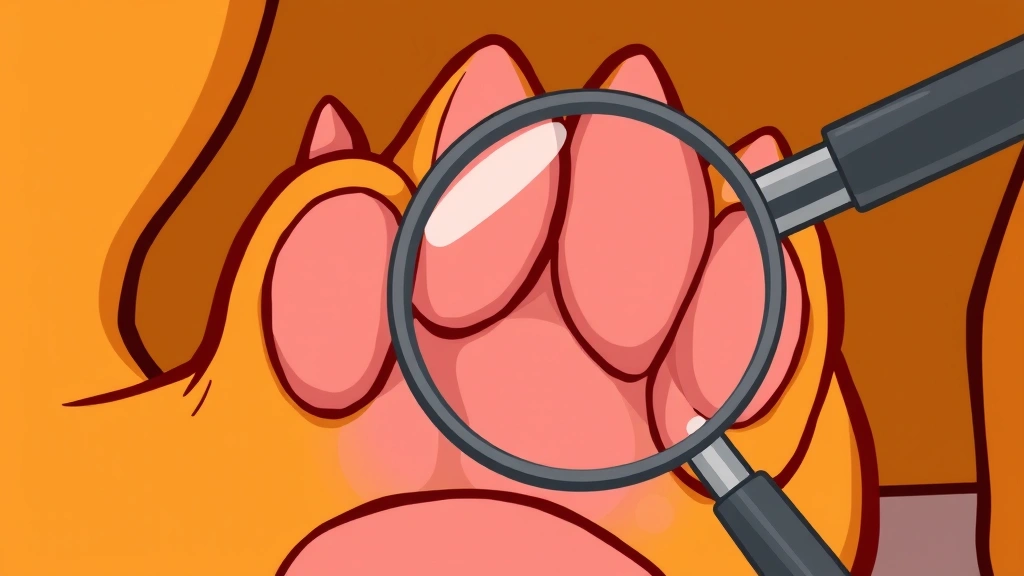
Not every instance of paw licking requires an emergency vet visit, but some do. Here’s when you should pick up the phone:
- Severe swelling or heat in the paw. This suggests infection or injury.
- Discharge or pus. Your dog has an active infection.
- Limping or inability to bear weight. Something hurts enough to affect mobility.
- Signs of fever. A dog with a fever might have a systemic infection.
- Licking that started suddenly and is severe. Could be an injury, foreign object, or acute allergic reaction.
- Licking combined with other symptoms. If your dog is also scratching elsewhere, has ear issues, or seems generally unwell, get them checked.
When in doubt, call your vet. They can usually fit you in for a quick look. It’s better to be safe—infections can escalate quickly, especially in dogs with compromised immune systems or those on certain medications.
Home Care and Prevention Strategies
Once your vet has ruled out serious issues, there’s plenty you can do at home to help your dog feel better and prevent problems from starting.
Keep paws clean and dry. This is fundamental. After walks, especially in wet or muddy conditions, wipe your dog’s paws with a towel. Dry between the toes carefully. If your dog swims or plays in water, dry them thoroughly afterward. Moisture is the enemy.
Regular paw checks. Get in the habit of looking at your dog’s paws daily. Check between the toes, look for redness or swelling, smell for yeast, and feel for heat. Catching problems early makes treatment so much easier.
Trim hair between toes. If your dog has long hair between the pads, trim it. This improves air circulation and reduces moisture buildup. You can do this yourself with small scissors or ask your groomer.
Use medicated washes if recommended. Your vet might suggest chlorhexidine or miconazole washes for prevention or mild cases. These are safe and effective when used as directed. Never use human products like Neosporin without vet approval—some ingredients aren’t safe for dogs.
Consider supplements. Omega-3 fatty acids help skin health and reduce inflammation. Fish oil is a good source of omega-3s for dogs. Talk to your vet about dosage. Some dogs also benefit from probiotics, especially if they’ve had yeast issues.
Use protective barriers. If your dog is a chronic licker, consider booties or a cone (E-collar) to prevent access. I know cones suck, but sometimes they’re necessary to break the lick cycle and let skin heal. Use them strategically, not 24/7 unless absolutely necessary.
Environmental management. If allergies are the issue, you can’t eliminate allergens completely, but you can reduce exposure. Wipe paws after walks, bathe regularly (but not excessively—that dries skin out), and consider air filters. Some herbs like chamomile can be soothing for irritated skin when used properly—ask your vet about safe options.
Treatment Options Your Vet Might Recommend
Depending on the cause, your vet will recommend different treatments. Here’s what to expect:
For fleas: Prescription flea prevention is your best bet. Products like Simparica, NexGard, and Bravecto are highly effective. Topical treatments like Revolution or Advantage work too. The key is consistency—use them year-round, even in winter.
For yeast: Medicated washes (usually miconazole or chlorhexidine) combined with oral antifungals like terbinafine or fluconazole. Your vet might also recommend a cone to prevent licking while the paws heal. Treatment usually takes 2-4 weeks.
For bacterial infections: Oral antibiotics, medicated washes, and sometimes systemic treatment. If it’s a deep infection or abscess, your vet might need to drain it. Don’t mess with this at home.
For allergies: This is complex. Your vet might try an elimination diet (feeding a limited ingredient or prescription diet for 8-12 weeks), antihistamines, or steroids to reduce inflammation. Some dogs need ongoing allergy management—think of it like how humans manage seasonal allergies. There are also newer biologics like Apoquel or Cerenia that target specific itch pathways.
For behavioral licking: Addressing the underlying cause (anxiety, boredom) is key. Your vet might recommend behavior modification, training, or in some cases, anti-anxiety medication. A bitter spray on the paws can help break the habit.
For foreign objects or injuries: Your vet will remove the object and treat any wounds. Depending on severity, antibiotics or pain medication might be needed.
Be honest with your vet about what you can realistically do. If you can’t give pills twice a day, say so. If you can’t afford expensive allergy testing, discuss alternatives. Good vets work with you to find solutions that fit your situation.
Long-Term Management and Prevention
The best approach to dog licking paws is prevention. Once you know what caused the problem, you can take steps to prevent it from happening again.
If it was fleas: Never skip flea prevention. Period. Use a year-round product and stick to the schedule. Mark it on your calendar if you need to. The cost of prevention is way less than treating an infestation plus secondary infections.
If it was yeast: Keep paws dry, trim hair between toes regularly, and consider occasional medicated baths (once monthly) if your dog is prone to yeast. Some dogs benefit from dietary changes—reducing carbs and increasing protein can help. Ask your vet about this.
If it was allergies: Work with your vet to identify triggers. Keep a symptom diary. If it’s food-related, stick to the diet you’ve identified. If it’s environmental, manage exposure as much as possible. Some dogs need ongoing medication during their allergy season.
General maintenance: Regular paw checks, keeping nails trimmed, and maintaining good overall health support healthy paws. A healthy dog with good nutrition and exercise has fewer skin issues overall.
Monitor for recurrence. Once a dog has had paw problems, they’re more likely to have them again. Stay vigilant. Catch it early if it starts happening again.
Remember, your dog isn’t licking their paws to annoy you. They’re communicating that something’s wrong. The sooner you figure out what and address it, the sooner your dog feels better and you can stop worrying.
Frequently Asked Questions
How long does it take for a dog’s paw licking to stop after treatment?
– It depends on the cause. Flea treatment usually shows improvement within days. Yeast infections typically take 2-4 weeks with proper treatment. Allergies might take weeks to months because you’re managing the underlying condition, not curing it. Behavioral licking can take even longer—sometimes months—because you’re breaking a habit. Be patient and consistent with whatever treatment your vet recommends.
Can I use human antifungal cream on my dog’s paws?
– No. Don’t do this. Human antifungal creams often contain ingredients that aren’t safe if your dog licks them off (which they will). Your vet can prescribe pet-safe topical antifungals that work better anyway. If you’re looking for an over-the-counter option, ask your vet specifically which products are safe for dogs.
Is it normal for dogs to lick their paws before bed?
– A little bit of paw licking before bed is normal grooming behavior. But if it’s excessive—like your dog is licking for 10+ minutes or doing it multiple times a day—that’s not normal. Trust your instinct. If it seems like more than casual grooming, mention it to your vet.
What’s the difference between normal paw licking and a problem?
– Normal: occasional licking, no redness or swelling, paws look healthy. Problem: frequent licking (multiple times daily), visible redness or swelling, discharge, smell, or limping. Also, if the licking is intense and focused (not just casual grooming), that’s a sign something’s bothering your dog.
Can anxiety cause paw licking in dogs?
– Absolutely. Anxious or bored dogs sometimes develop compulsive paw licking. This is self-soothing behavior. If your vet rules out medical causes and your dog is anxious, work on addressing the anxiety through exercise, mental stimulation, training, or medication if needed.
Should I use a cone if my dog won’t stop licking their paws?
– A cone (E-collar) can help break the lick cycle and let skin heal, but it’s not a long-term solution. Use it strategically—maybe at night or when you can’t supervise—while you address the underlying cause. Some dogs do better with booties. Talk to your vet about what makes sense for your dog.

How often should I bathe my dog if they have paw problems?
– If your vet recommends medicated baths, follow their schedule (usually 2-3 times weekly during treatment). For general maintenance, bathing once monthly or every 6-8 weeks is fine for most dogs. Don’t overdo it—too much bathing dries out skin and makes problems worse. Always dry paws thoroughly after bathing.
Can diet affect paw licking?
– Yes. If your dog has food allergies, diet absolutely matters. Some dogs also benefit from diets higher in omega-3s and lower in carbs. If you suspect food allergies, ask your vet about an elimination diet. This involves feeding a limited ingredient diet for 8-12 weeks to see if symptoms improve. If they do, you’ve likely found a trigger.





