
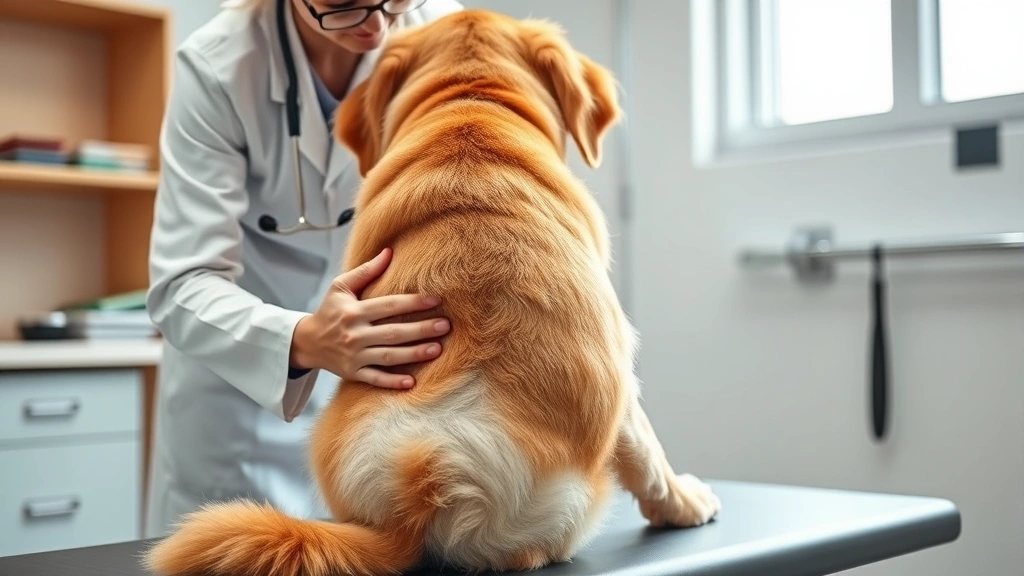
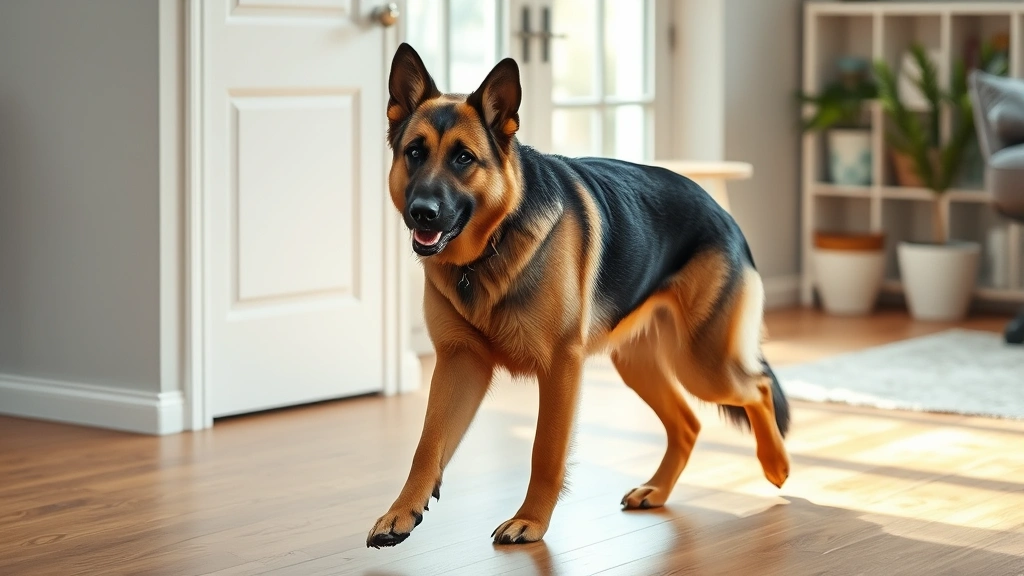
When your pup starts limping, it’s time to call the dog limping vet because that weird hop-skip gait could mean anything from a minor thorn in the paw to a serious orthopedic issue. Let’s face it—watching your furry best friend hobble around is about as fun as stepping on a LEGO barefoot. The good news? Most limping cases are totally manageable when caught early, and your vet is your secret weapon.
Table of Contents
- Why Your Dog Is Limping: The Usual Suspects
- Sign #1: Sudden Onset Limping (The Red Flag)
- Sign #2: Non-Weight Bearing or Severe Lameness
- Sign #3: Swelling, Heat, or Discharge Around the Affected Limb
- Sign #4: Persistent Limping Beyond 24-48 Hours
- Sign #5: Limping Accompanied by Other Symptoms
- Common Causes of Dog Limping: What Vets Actually Find
- When to Head to Emergency Vet Care Right Now
- At-Home Care While Waiting for Your Vet Appointment
- Recovery and Long-Term Management After Diagnosis
- Prevention: Keeping Your Dog’s Legs Healthy
- Frequently Asked Questions
- Final Thoughts: Trust Your Vet, Not Dr. Google
Why Your Dog Is Limping: The Usual Suspects
Dogs limp for reasons that range from hilariously simple to genuinely concerning. Your pooch might have stepped on something sharp, twisted a leg during zoomies, or developed arthritis from aging. Sometimes it’s just a minor strain that’ll resolve itself in a few days. Other times, it’s a sign of something more serious like ligament tears, bone fractures, or joint problems. The tricky part? You can’t always tell which category your dog falls into just by looking at them. That’s exactly why consulting a dog limping vet is non-negotiable—they’ve got the training and tools to figure out what’s really going on.
Sign #1: Sudden Onset Limping (The Red Flag)
If your dog went from running full speed to barely putting weight on a leg within hours, that’s your cue to book a vet appointment ASAP. Sudden limping often indicates acute injury—think torn ligaments, fractures, or severe sprains. This isn’t the time to play the waiting game. Your vet will perform a physical exam, possibly take X-rays, and determine if surgery or intensive treatment is needed. Don’t delay on this one; the longer you wait, the worse the injury can become. Many vets offer same-day appointments for limping dogs, so call ahead and explain the urgency.
Sign #2: Non-Weight Bearing or Severe Lameness
When your dog completely refuses to put weight on a leg or drags it along the ground, that’s a serious red alert. This type of severe lameness suggests fractures, severe sprains, or ligament ruptures. Your pup is literally telling you, “Hey, this hurts way too much to use.” Schedule an emergency vet visit if this happens after hours. This is one of those situations where online pet diagnostics might give you preliminary guidance, but you’ll absolutely need in-person examination and imaging. Don’t try home remedies—get professional help immediately.
Sign #3: Swelling, Heat, or Discharge Around the Affected Limb
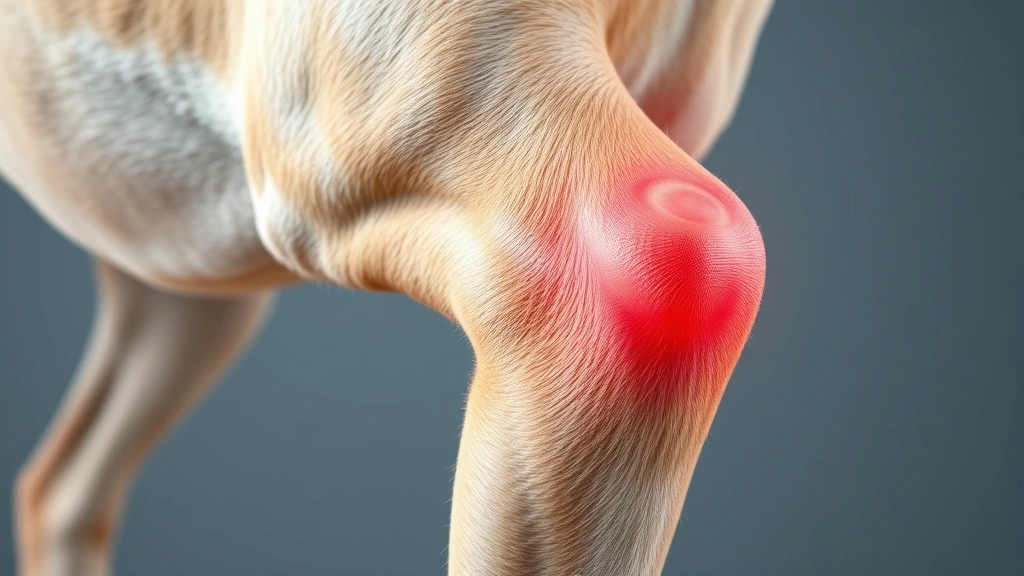
Visible swelling, warmth to the touch, or any discharge (pus, blood, etc.) around the limping leg means infection or serious inflammation is involved. This could indicate everything from a puncture wound to an abscess to a joint infection. These conditions won’t magically disappear—they require veterinary intervention, antibiotics, or possibly drainage. Your dog’s immune system is fighting hard, but it needs backup. A dog limping vet will assess the severity and prescribe appropriate treatment. If you notice this in the evening or on a weekend, don’t wait until Monday—many emergency clinics handle these cases 24/7.
Sign #4: Persistent Limping Beyond 24-48 Hours
Here’s the rule: if your dog is still limping after a day or two of rest, it’s time to call the vet. Minor strains and small injuries usually improve quickly with rest, but anything that lingers suggests something more complex. Persistent limping could indicate chronic conditions like hip dysplasia, arthritis, or degenerative joint disease. These conditions benefit from early diagnosis because treatment options (physical therapy, medication, dietary supplements) work better when started promptly. Your vet might recommend carprofen dosage for dogs or other pain management strategies to improve quality of life.
Sign #5: Limping Accompanied by Other Symptoms
When limping comes with fever, lethargy, loss of appetite, or behavioral changes, you’re looking at a potentially systemic issue. Maybe your dog has an infection, an underlying illness, or a more serious injury than you initially thought. These combination symptoms demand veterinary attention because they suggest your dog’s whole body is affected, not just one leg. Don’t try to piece this puzzle together yourself—vets are trained to connect these dots. Schedule an appointment and bring a list of all symptoms you’ve noticed, including when they started and any changes in behavior.
Common Causes of Dog Limping: What Vets Actually Find
Let’s talk about what veterinarians typically diagnose when dogs limp. The most common culprits include muscle strains (from overexertion or awkward movements), foreign objects lodged in paws (thorns, glass, gravel), arthritis and joint disease (especially in older dogs), ligament tears (ACL injuries are super common), and bone fractures. Less common but serious causes include bone infections (osteomyelitis), nerve damage, and tumors. Some dogs develop limping from behavioral issues too—like favoring a leg due to anxiety or learned behavior. Your vet will use physical examination, palpation, X-rays, and sometimes ultrasound or MRI to pinpoint the exact problem. This diagnostic approach is why professional evaluation beats internet searching every single time.
When to Head to Emergency Vet Care Right Now
Certain situations demand emergency vet care rather than waiting for your regular appointment. If your dog can’t bear any weight on a leg, shows signs of severe pain (excessive vocalization, aggression), has a visibly deformed limb, or has been hit by a car or suffered major trauma, go to the emergency clinic immediately. Similarly, if limping is accompanied by difficulty breathing, collapse, or unresponsiveness, this is life-threatening and needs emergency intervention. Don’t second-guess yourself—emergency vets would rather see a dog who turns out to be fine than miss a critical window for treatment. Your instincts matter, and when something feels seriously wrong, trust that feeling.
At-Home Care While Waiting for Your Vet Appointment
Once you’ve scheduled your dog limping vet visit, keep your pup comfortable at home. Restrict activity—no running, jumping, or playing fetch. Use a comfortable bed or crate to encourage rest. Apply ice to the affected area for 15 minutes at a time if there’s swelling (but wrap the ice pack in a towel to avoid direct contact with skin). Keep your dog’s diet consistent and avoid table scraps, especially if you’re concerned about digestive issues as a contributing factor. If your vet has recommended specific pain management, follow those instructions exactly. Maintain a symptom journal noting any changes—this info helps your vet tremendously during the examination.
Recovery and Long-Term Management After Diagnosis
Once your vet diagnoses the cause of limping, recovery depends entirely on what they find. Minor sprains might just need rest and restricted activity for a few weeks. Fractures require immobilization and possibly surgery. Arthritis needs ongoing management with medication, supplements, physical therapy, and lifestyle adjustments. Torn ligaments often require surgical repair followed by months of rehabilitation. Your vet will create a specific recovery plan tailored to your dog’s condition. This might include pain medication, anti-inflammatory drugs, physical therapy exercises, or dietary modifications. Some dogs benefit from joint supplements or prescription diets designed for joint health. The key is following your vet’s recommendations precisely—cutting corners on recovery can lead to chronic problems or re-injury.
Prevention: Keeping Your Dog’s Legs Healthy
While you can’t prevent every injury, you can reduce limping risk through smart preventive care. Keep your dog at a healthy weight—excess weight stresses joints and increases arthritis risk. Provide appropriate exercise for your dog’s age and breed; puppies and senior dogs need gentler activity than young adults. Watch for hazards during walks (broken glass, sharp objects, rough terrain). Consider joint supplements for large breeds or dogs with family histories of joint problems. Maintain good nutrition—proper diet supports bone and joint health. Keep nails trimmed to prevent awkward gaits. And yes, regular vet checkups catch early signs of joint disease before limping develops. These preventive measures won’t eliminate all limping incidents, but they’ll significantly reduce them.
Frequently Asked Questions
Should I take my dog to the vet immediately if they’re limping?
Not necessarily immediately, but within 24-48 hours if the limping persists. However, if your dog can’t bear weight, shows severe pain, has visible injuries, or was hit by a vehicle, go to an emergency vet right away. When in doubt, call your vet for guidance—they can assess urgency over the phone.
Can I treat dog limping at home?
Minor limping from small strains might improve with rest, restricted activity, and ice therapy. However, you won’t know if it’s minor without veterinary evaluation. Many serious conditions look similar to minor injuries, so professional diagnosis is crucial. Home care should supplement, not replace, veterinary treatment.
How much does it cost to see a vet for limping?
A basic examination typically costs $50-150, with X-rays adding $200-400. More advanced imaging like ultrasound or MRI costs significantly more. Emergency visits are pricier than regular appointments. Costs vary by location and clinic. Call ahead for pricing, and ask about payment plans if cost is a concern.
What if my dog limps intermittently?
Intermittent limping often indicates chronic conditions like arthritis, hip dysplasia, or ligament injuries that worsen with activity and improve with rest. These still require veterinary evaluation because early treatment prevents progression. Keep a log of when limping occurs—this helps your vet identify patterns.
Can I give my dog pain medication for limping?
Never give human pain medication to dogs—many are toxic to them. Over-the-counter dog pain relievers exist, but they’re not appropriate for all conditions and can mask serious problems. Only use medications prescribed or recommended by your vet. This is where carprofen dosage for dogs guidance becomes important if your vet prescribes it.
Is limping always caused by leg injuries?
No. While leg injuries are common causes, limping can result from back problems, hip dysplasia, arthritis in other joints, or even abdominal pain that makes walking uncomfortable. This is why professional diagnosis matters—vets examine the whole dog, not just the limping leg.
Final Thoughts: Trust Your Vet, Not Dr. Google
Your dog’s limping deserves professional attention, period. While this guide helps you understand when to be concerned, it’s not a substitute for actual veterinary expertise. A dog limping vet has years of training, diagnostic tools, and experience that no online article can match. They’ll perform a thorough physical exam, ask detailed questions about your dog’s history, and run appropriate tests to identify the problem. Early intervention often means simpler treatment, faster recovery, and better long-term outcomes. Don’t let worry or uncertainty delay care—pick up the phone and schedule that appointment. Your dog is counting on you to be their advocate, and getting professional help is exactly how you do that. Most limping cases resolve beautifully with proper treatment, so there’s real hope here. Your pup will be back to their normal self soon enough.
For additional guidance on when to seek veterinary care, check out our article on when to call the vet about food issues, and if you need remote consultation options, explore emergency food poisoning telehealth services that many vets now offer.





