
So your dog has decided the great indoors is their personal bathroom—welcome to the club, friend. A dog litter box might sound like an oxymoron (dogs aren’t cats, right?), but hear us out: some dogs actually benefit from designated indoor potty solutions, especially senior pups, small breeds, or those with mobility issues. If you’re tired of accidents on your hardwood floors and ready to explore alternatives to constant outdoor trips, you’ve come to the right place.
Table of Contents
- Why Would You Even Need a Dog Litter Box?
- Solution #1: Artificial Grass Pads (The Most Popular Choice)
- Solution #2: Puppy Pads and Disposable Options
- Solution #3: Indoor Potty Training Boxes with Turf
- Solution #4: Litter Box Alternatives for Small Breeds
- Solution #5: Balcony or Patio Box Systems
- Training Your Dog to Use Their New Bathroom
- Health Considerations and Vet Approval
- Maintenance and Hygiene Best Practices
- Frequently Asked Questions
- The Bottom Line: Is a Dog Litter Box Right for You?
Why Would You Even Need a Dog Litter Box?
Let’s be real—the concept of a dog litter box seems backwards. But there are legitimate reasons pet parents consider this option. Senior dogs with arthritis struggle with frequent outdoor trips. Tiny breeds like Chihuahuas and Pomeranians have smaller bladders and shorter legs. Puppies in the early training phase need intermediate solutions. Dogs with medical conditions affecting bladder control benefit from convenient indoor options. Even working professionals with long schedules find that a designated potty area reduces stress for their furry friends.
According to the American Kennel Club, house training takes time and patience, and alternative solutions can actually support the process rather than hinder it.
Solution #1: Artificial Grass Pads (The Most Popular Choice)
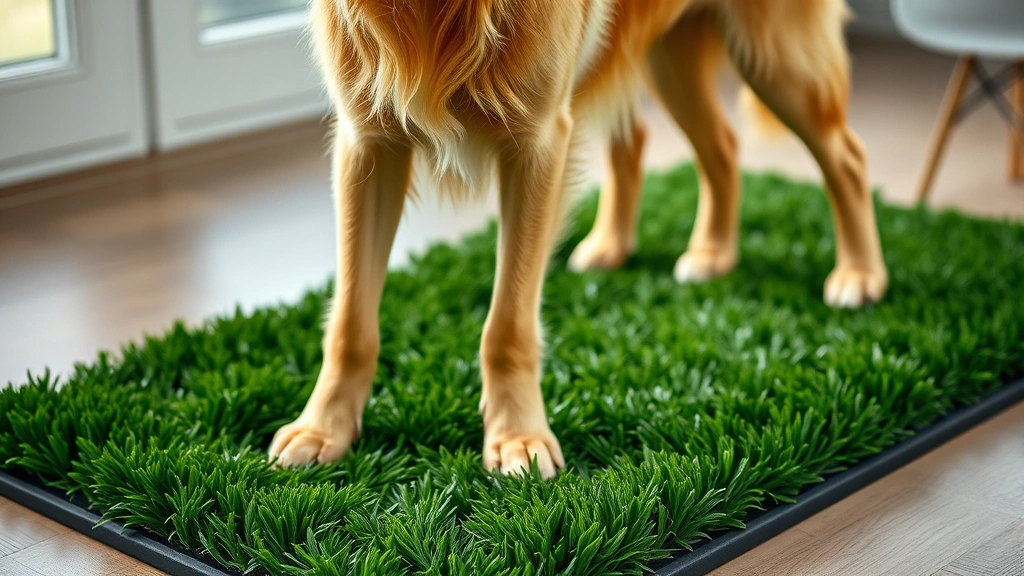
Artificial grass pads dominate the dog litter box market for good reason. These mats mimic real grass, triggering natural instincts while keeping your floors clean. The best options feature:

- Replaceable grass sections
- Drainage layers that direct liquid away
- Odor-neutralizing technology
- Non-slip backing to prevent sliding
Brands like DoggieLawn and PoochPad have revolutionized indoor potty training. They’re especially effective for apartment dwellers and dogs who struggle with outdoor bathroom anxiety. The grass feels authentic, and cleanup is as simple as rinsing or replacing the pad. Many owners report that their dogs transition to outdoor toileting more smoothly when they start with artificial grass pads—it’s like a training bridge.
Solution #2: Puppy Pads and Disposable Options
Before you dismiss puppy pads as old-school, modern versions have come a long way. These absorbent mats work wonderfully for:
- New puppies learning house training fundamentals
- Dogs recovering from surgery with limited mobility
- Traveling or temporary indoor potty needs
- Senior dogs with incontinence issues
The downside? They’re single-use and generate waste. However, they’re incredibly affordable and require zero maintenance. Brands like Puppy Training Pads offer superior absorbency and leak protection. Many savvy owners layer them over waterproof mats to protect floors while using disposable options—practical and economical.

Solution #3: Indoor Potty Training Boxes with Turf
This is the premium solution for serious dog litter box enthusiasts. These boxes are essentially mini bathrooms with:
- Raised edges to contain mess
- Real or premium artificial turf
- Drainage systems that funnel waste
- Washable or replaceable components
The DoggieLawn box and similar products let you order replacement grass monthly—they handle composting or disposal for you. It’s like a subscription service for your dog’s bathroom. Yes, it costs more upfront, but the convenience and cleanliness factor justifies the investment for many pet parents. Your dog gets the authentic grass experience, and you get a stress-free solution.
Solution #4: Litter Box Alternatives for Small Breeds
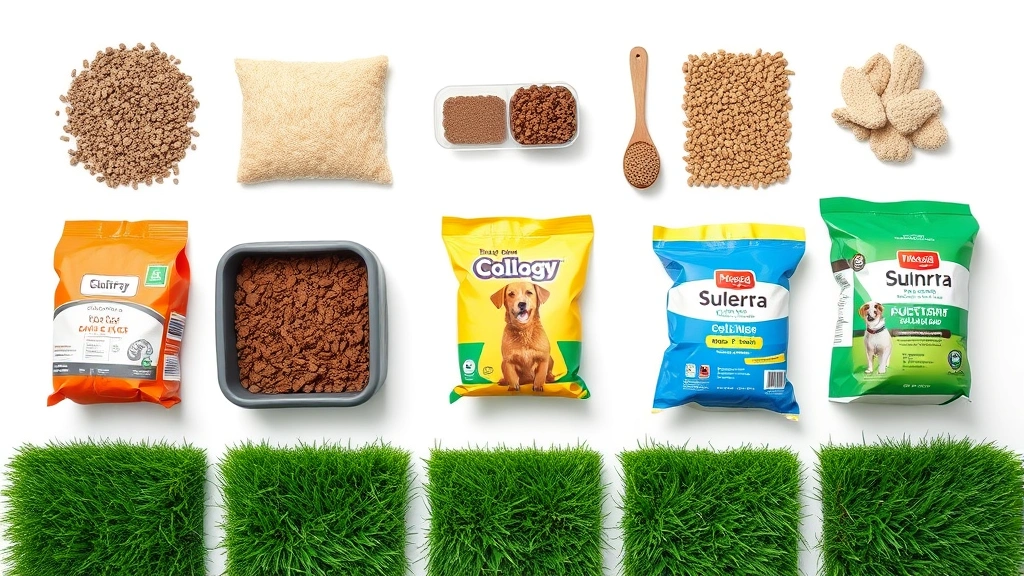
Small dogs sometimes do better with actual litter box setups—think low-sided boxes filled with dog-safe litter alternatives. Options include:
- Pellet-based dog litter (similar to cat litter but safer)
- Pine-based biodegradable options
- Paper pellet systems
- Sand alternatives
This approach works surprisingly well for toy breeds and teacup dogs. The low-sided design accommodates their short legs, and the litter absorbs moisture effectively. It’s unconventional, but if your Maltese or Pug resists traditional pads, it might be worth exploring. Always consult your vet before introducing new litter types.
Solution #5: Balcony or Patio Box Systems
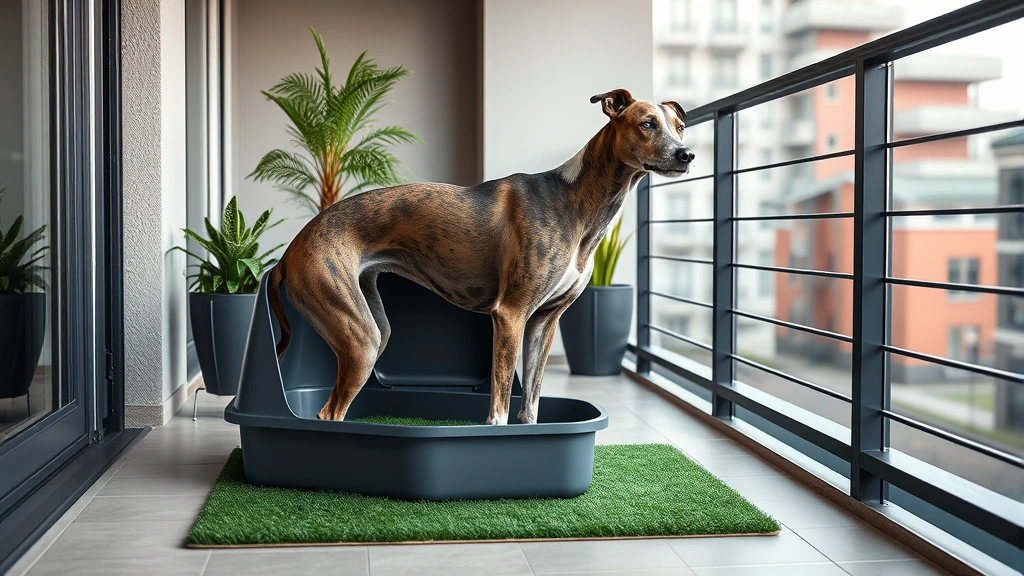
For apartment dwellers with outdoor space, a dedicated dog litter box on your balcony or patio offers the best of both worlds. These weatherproof systems include:
- Elevated boxes with drainage
- Artificial turf or washable pads
- Covers to protect from weather
- Easy-access designs for dogs
Your dog can access their bathroom independently while you maintain cleanliness indoors. It’s particularly useful for dogs with limited mobility—no stairs to climb, just a quick step outside. PetMD notes that environmental modifications like these can significantly reduce anxiety in dogs with mobility challenges.

Training Your Dog to Use Their New Bathroom
Introducing a dog litter box requires patience and positive reinforcement. Start by placing your dog near the box frequently—after meals, naps, and playtime. Reward immediately when they use it. Some owners place the box near their dog’s usual accident spots initially, then gradually move it to the desired location. Consistency is key. Never punish accidents; instead, celebrate successes with treats and praise.
For dogs transitioning from outdoor-only bathroom habits, the process takes 2-4 weeks typically. Younger dogs adapt faster than seniors. Keep the area around the box clean and accessible. If your dog resists, consult a professional trainer or veterinary behaviorist.
Health Considerations and Vet Approval
Before investing in a dog litter box solution, discuss it with your veterinarian. Certain medical conditions might make indoor potty systems necessary or inadvisable. Dogs with urinary tract infections, diabetes, or bowel diseases might benefit from constant bathroom access. Conversely, some conditions require outdoor bathroom monitoring to track output.
Cornell University’s College of Veterinary Medicine emphasizes that indoor potty solutions shouldn’t replace outdoor exercise and socialization—they’re supplements, not substitutes. Your dog still needs regular walks, outdoor play, and environmental stimulation.
Maintenance and Hygiene Best Practices
Keeping your dog’s indoor potty area clean prevents infections and behavioral issues. Daily maintenance includes:
- Removing solid waste immediately
- Rinsing or replacing absorbent materials
- Spraying enzymatic cleaner to eliminate odors
- Checking for moisture buildup
- Ensuring proper drainage function
Weekly deep cleaning prevents bacterial growth and keeps your home smelling fresh. Monthly replacement of pads or grass sections maintains hygiene standards. Neglected dog litter box systems become breeding grounds for bacteria and parasites—consistency in care is non-negotiable.

Frequently Asked Questions
Can all dogs use a dog litter box?
Most dogs can adapt to a designated potty box with proper training, but some resist more than others. Senior dogs, puppies, and small breeds typically adjust easiest. Large breed dogs sometimes find small boxes uncomfortable. Individual temperament matters significantly—anxious dogs may need gradual introduction and extra patience.
Will a dog litter box prevent house training?
Actually, no. When used correctly as a training tool, a dog litter box can accelerate house training by providing a clear designated area. It’s not a replacement for outdoor training but rather a stepping stone. Most dogs eventually transition to outdoor-only toileting once fully trained.
How much does a dog litter box system cost?
Prices vary dramatically. Disposable puppy pads cost $15-30 monthly. Artificial grass pad systems run $50-150 upfront with $20-40 monthly replacement costs. Premium subscription services like DoggieLawn cost $30-70 monthly. Indoor potty boxes range from $100-300 depending on features and materials.
What’s the difference between dog litter and cat litter?
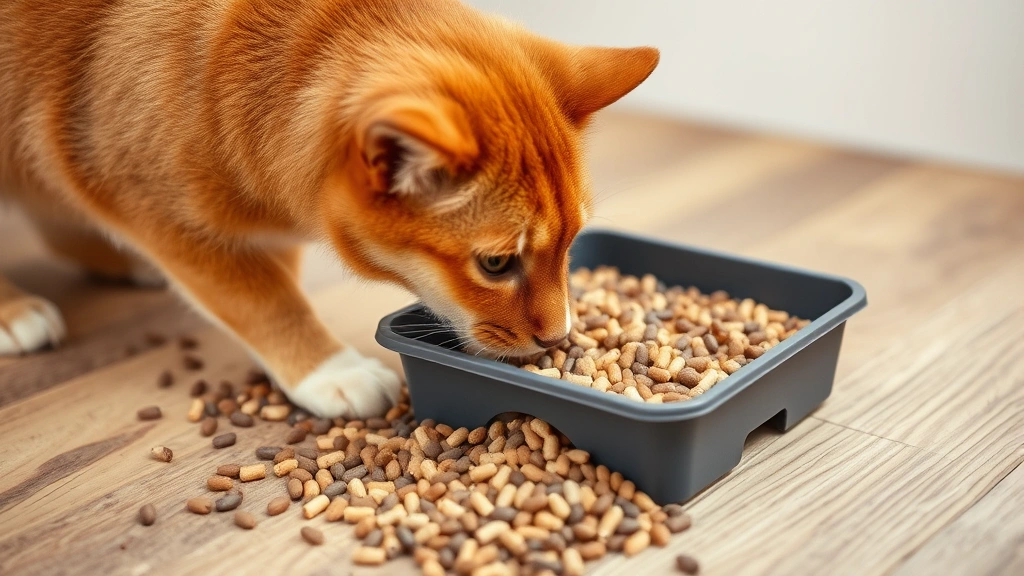
Cat litter is toxic if ingested by dogs. Dog-specific litter uses safer materials like pellets, paper, or pine. Always verify products are labeled dog-safe before use. Some owners use sand or soil as alternatives, though these require more frequent replacement.
Can senior dogs really benefit from a dog litter box?
Absolutely. Senior dogs with arthritis, incontinence, or mobility issues often struggle with frequent outdoor trips. A conveniently located dog litter box reduces stress, prevents accidents, and maintains dignity for aging pups. Many veterinarians recommend this solution for geriatric dogs.
How do I eliminate odors from a dog litter box?
Enzymatic cleaners break down urine compounds that cause odors. Baking soda absorbs smells naturally. Activated charcoal filters help in enclosed systems. Proper drainage prevents moisture accumulation where bacteria thrive. Frequent replacement of absorbent materials is essential—no cleaner can overcome poor maintenance.

The Bottom Line: Is a Dog Litter Box Right for You?
A dog litter box isn’t for every dog or household, but it’s a legitimate solution for specific situations. Senior dogs with mobility issues, puppies in training, small breeds with bladder limitations, and dogs with medical conditions all benefit from designated indoor potty areas. The key is selecting the right system for your dog’s needs, training consistently, and maintaining cleanliness religiously.
Start with your veterinarian’s approval, choose a solution matching your lifestyle, and commit to the training process. Whether you opt for artificial grass pads, disposable options, or premium subscription services, the goal remains the same: keeping your dog comfortable, your home clean, and your relationship stress-free. Your furry friend will appreciate having a designated bathroom, and you’ll appreciate fewer accidents on your carpet.





