
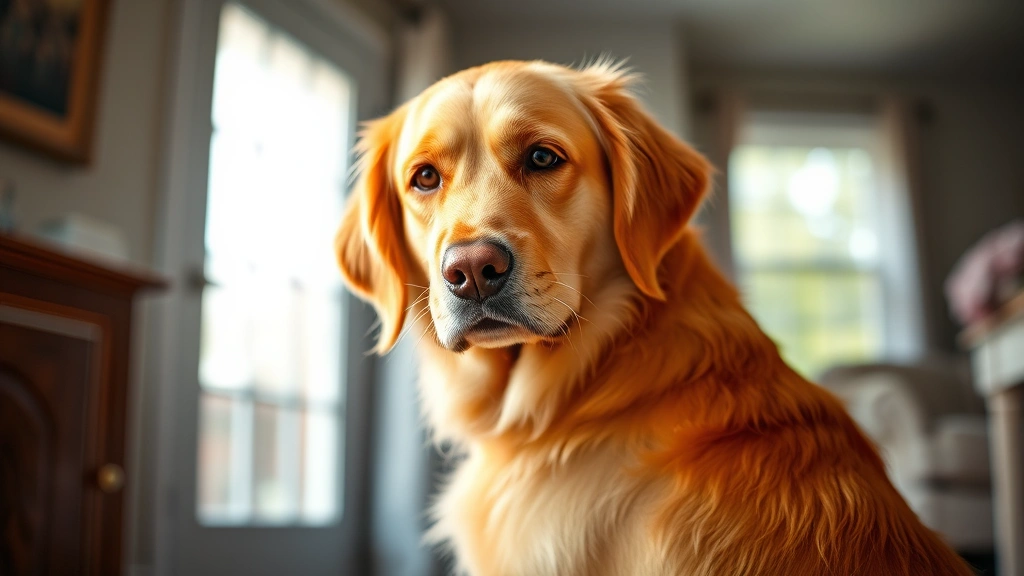
If you’ve ever caught your dog giving you the dog meme side eye, you know exactly what we’re talking about—that perfectly timed, judgmental glance that screams “really?” without saying a word. It’s the look that’s launched a thousand memes, sparked endless social media debates, and made dog owners everywhere feel simultaneously called out and absolutely delighted. But what’s actually going on behind those adorable, side-eyed stares? Let’s dig into the science, psychology, and pure comedy gold that is your pup’s most expressive facial gesture.
Table of Contents
- What Is the Dog Meme Side Eye, Anyway?
- The Science Behind Canine Side Eye Expression
- Why Dogs Give Side Eye: The Behavioral Breakdown
- The Connection Between Side Eye and Anxiety
- Dog Meme Culture and Internet Stardom
- Capturing the Perfect Side Eye Photo
- Different Dog Breeds and Their Side Eye Game
- Health and Behavioral Considerations
- The Emotional Bond Behind the Look
- Making the Most of Your Dog’s Personality
- Frequently Asked Questions
- Conclusion: Celebrating Your Dog’s Unique Expression
What Is the Dog Meme Side Eye, Anyway?
The dog side eye meme refers to that iconic moment when a dog tilts their head slightly and glances sideways at you with what appears to be pure skepticism or judgment. It’s become a cultural phenomenon, with thousands of photos and videos circulating online of dogs delivering this expression in response to their humans’ questionable decisions. Whether you’re about to take a bath, eat something suspicious, or leave for work, your dog’s side eye says it all—and it’s hilarious.
This expression has transcended the typical pet photo category and become a genuine meme format, used by people everywhere to express their own judgment, confusion, or disapproval. The beauty of it? It’s completely authentic. Dogs really do give this look, and it’s rooted in actual canine behavior and communication.
The Science Behind Canine Side Eye Expression
Your dog isn’t just being cute when they give you that side eye—they’re actually communicating something specific. According to research from animal behaviorists, dogs use their eyes and head position to convey emotional states and intentions. When a dog gives you the side eye, they’re typically showing one of several emotional responses: uncertainty, suspicion, mild disapproval, or even affection mixed with bemusement.
Dogs have evolved to read human facial expressions with remarkable accuracy. In return, they’ve developed their own nuanced ways of expressing themselves through eye contact, pupil dilation, and head positioning. The side eye specifically involves a slight head turn combined with an eye movement that keeps their gaze fixed on you—it’s a calculated move that communicates more than a direct stare would.
Studies published by animal behavior experts show that dogs use what’s called “whale eye” (where you can see the whites of their eyes) and directional gazing to communicate with humans. The side eye is an extension of this sophisticated visual language, often accompanied by subtle ear movements or body positioning that adds layers to their message.
Why Dogs Give Side Eye: The Behavioral Breakdown
There are several reasons your pup might be hitting you with that signature side eye look. First, there’s the skepticism factor. If you’re doing something your dog finds questionable—like reaching for the bath supplies or preparing to leave without them—they’ll often express their disapproval through this expression. It’s their way of saying, “I’m watching you, and I’m not entirely convinced this is a good idea.”
Second, dogs use side eye to show mild anxiety or uncertainty. When they’re not sure about a situation but aren’t scared enough to fully retreat, that sideways glance lets you know they’re monitoring the situation carefully. This is common when introducing new people, other pets, or unfamiliar objects into their space.
Third—and this is the wholesome reason—dogs sometimes give side eye as a form of affection mixed with humor. If your dog knows you’re about to do something silly (like sing loudly or do a funny dance), they might give you that look that says, “I love you, but you’re ridiculous.” It’s the canine equivalent of a knowing smirk from a best friend.
The Connection Between Side Eye and Anxiety
Interestingly, the side eye can sometimes indicate mild stress or anxiety in dogs. When a dog is uncertain about their environment or a particular situation, they may resort to this observational stare as a way to gather information without fully committing to engagement. If your dog is consistently giving side eye during specific situations—like when they’re experiencing anxiety—it might be worth investigating what’s causing their concern.
Dogs that are anxious about their weight or health may also give side eye more frequently, especially around feeding times or when they notice changes in their routine. If you’ve recently made dietary adjustments or are concerned about your pet’s wellbeing, understanding their behavioral cues becomes even more important.
Dog Meme Culture and Internet Stardom
The dog side eye meme exploded in popularity around 2015-2016, with countless Instagram accounts, TikTok videos, and Twitter threads dedicated to capturing these perfect moments. What started as cute pet photos evolved into a full-fledged meme format where the dog’s expression is used to comment on human behavior, relationship dynamics, and everyday frustrations.
The appeal is universal—whether you’re a dog owner or not, you understand the judgment conveyed in that glance. It’s become a way for people to express skepticism or disapproval in a lighthearted, relatable manner. The meme format typically pairs the dog’s side eye with captions like “When your partner says they’re ‘just going to the gym’ for three hours,” or “POV: You just told your dog you’re out of treats.”
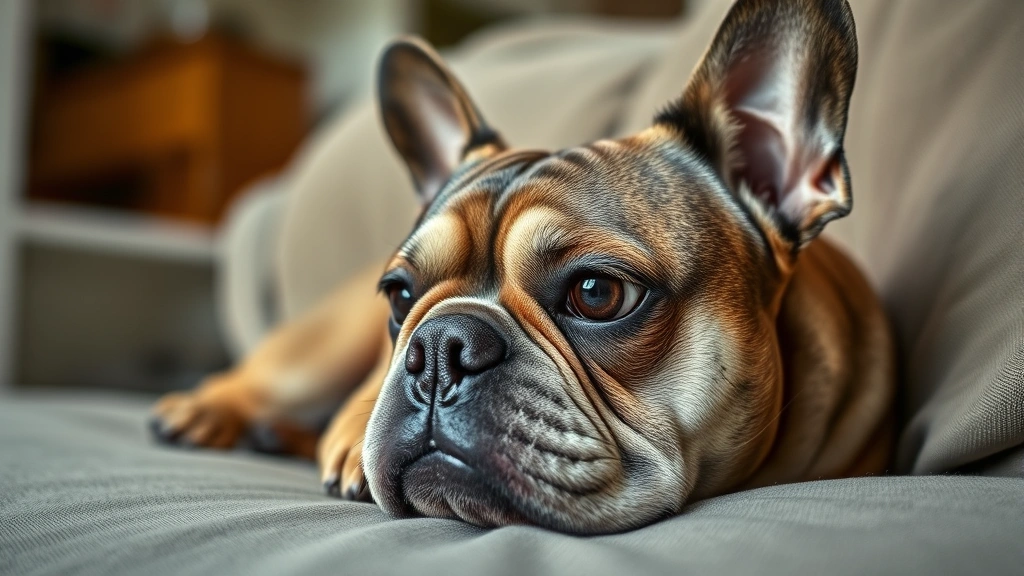
What makes these memes so effective is their authenticity. Unlike heavily edited or artificially posed pet photos, the side eye is a genuine canine expression that people catch in real time, making it feel more honest and therefore more hilarious.
Capturing the Perfect Side Eye Photo
If you want to capture your own dog’s side eye moment for meme glory, timing and patience are everything. The best side eye shots happen naturally when your dog is slightly uncertain about something or when they’re observing you with mild skepticism. Try these approaches:
The Setup Method: Do something slightly ridiculous or unexpected and watch your dog’s reaction. Sing off-key, make a funny noise, or pretend to leave—their natural response might include that perfect side eye glance.
The Treat Tease: Hold a treat just out of reach and watch your dog’s expression shift. Many dogs will give side eye when they’re calculating whether they can convince you to hand over the goods. Just remember to actually give them the treat afterward—no false advertising!
The Routine Change: Dogs often give side eye when their routine is disrupted. If you’re taking them somewhere unexpected or doing something different, have your camera ready.
The Judgment Moment: When you’re eating something your dog wants, or when you’re preparing for a bath, that’s prime side eye territory. Your dog’s disapproval is your photo opportunity.
Different Dog Breeds and Their Side Eye Game
Not all dogs give side eye with equal intensity or frequency. Some breeds are naturally more expressive than others. Smaller breeds like Chihuahuas, French Bulldogs, and Dachshunds are notorious for their side eye game—their facial structure and big eyes make the expression particularly dramatic and meme-worthy.
Larger breeds like Golden Retrievers and Labrador Retrievers also deliver excellent side eye, though their expressions tend to be softer and more endearing. Working breeds like German Shepherds and Border Collies use side eye strategically as part of their herding and working behaviors, making their looks particularly intense and purposeful.
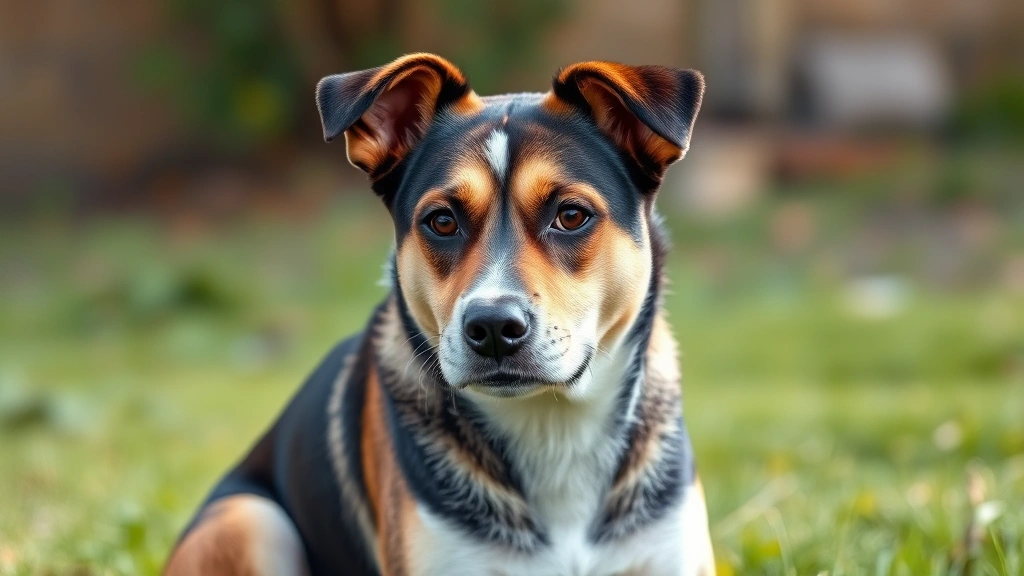
Even mixed breeds have their own unique side eye style. The key is that all dogs, regardless of breed, have the capacity for this expression—it’s just a matter of catching it on camera and appreciating the subtle art of canine judgment.
Health and Behavioral Considerations
While the side eye is usually harmless and often hilarious, excessive side eye combined with other behavioral changes might indicate an underlying issue. If your dog is constantly giving side eye while also showing signs of stress, like panting, pacing, or avoidance behaviors, it’s worth consulting with a veterinarian or certified animal behaviorist.
Additionally, if your dog’s diet or weight has changed recently—perhaps you’ve been offering training treats from human food or dealing with obesity concerns from human food treats—they might be giving you side eye as a form of communication about their discomfort or anxiety.
Proper nutrition and exercise are essential for maintaining your dog’s physical and mental health, which directly impacts their behavior and emotional expression. A healthy, well-exercised dog is more likely to give you playful side eye rather than stressed, anxious looks.
The Emotional Bond Behind the Look
What’s truly special about the dog meme side eye is what it represents: a deep, communicative bond between you and your pet. Your dog has learned to express complex emotions through subtle facial gestures because they’ve spent time observing you and learning how to interact with you effectively. That side eye is evidence of your dog’s intelligence, emotional sophistication, and genuine connection with you.
When your dog gives you that look, they’re not just reacting—they’re engaging with you on a level that requires understanding, prediction, and emotional nuance. They know you well enough to express their opinion about your decisions, your quirks, and your sometimes questionable life choices. That’s actually pretty profound when you think about it.
Making the Most of Your Dog’s Personality
Every dog has their own unique personality and communication style. Some are naturally more expressive than others, and that’s perfectly normal. If your dog isn’t a big side eye giver, that doesn’t mean they love you any less—they just might prefer other ways of communicating, like tail wagging, play bows, or gentle nudges.
The key is to appreciate whatever communication style your dog naturally uses. Whether they’re a side eye champion or a more subtle communicator, they’re expressing their personality and their feelings about you and your shared life. Pay attention to these cues, respond appropriately, and you’ll deepen your bond with your furry friend.
Consider investing in quality accessories like a coach dog collar that reflects your dog’s personality and style while keeping them comfortable and safe during your time together.
Frequently Asked Questions
Is the dog side eye a sign that my dog is unhappy?
Not necessarily. While side eye can indicate mild disapproval or skepticism, it’s often just your dog’s way of expressing their personality and engaging with you. Many dogs give side eye playfully, especially when they know you’re doing something they find amusing or questionable. If your dog seems otherwise happy, healthy, and well-adjusted, that side eye is probably just them being their adorable, opinionated self.
Can I train my dog to give side eye on command?
While you can’t directly train a dog to give side eye, you can create situations where they’re more likely to express it naturally. If your dog tends to give side eye when they’re uncertain or skeptical, you can recreate those moments and reward the behavior with treats or praise. However, the most authentic and hilarious side eye moments are usually the ones that happen spontaneously, without any prompting.
Why do some dogs give more side eye than others?
Personality, breed, and individual temperament all play a role in how expressive a dog is with their eyes and facial expressions. Some dogs are naturally more animated and communicative, while others are more reserved. Additionally, dogs that have been socialized well and have strong bonds with their owners tend to be more expressive overall, as they feel comfortable showing their full range of emotions.
Is side eye related to dominance or aggression?
No, the typical dog meme side eye is not related to dominance or aggression. A true dominance display would involve a direct, hard stare, often with raised hackles and other body language signals. The side eye is softer and more subtle—it’s observational rather than confrontational. If your dog is giving you a hard, unwavering stare combined with stiff body posture, that’s different from the playful side eye we’re discussing here.
Should I be concerned if my dog gives a lot of side eye?
Occasional side eye is completely normal and usually charming. However, if your dog is constantly giving side eye combined with other signs of stress—like trembling, excessive panting, avoidance, or changes in eating and sleeping habits—it might be worth consulting with a veterinarian. These could indicate anxiety or other health concerns that need professional attention.
Conclusion: Celebrating Your Dog’s Unique Expression
The dog meme side eye is more than just an internet phenomenon—it’s a window into your dog’s personality, intelligence, and emotional world. Whether your pup is a master of the side eye or rarely displays this expression, it’s a reminder of the complex, nuanced relationship we share with our canine companions. These furry friends communicate with us in ways that are both sophisticated and endearingly simple, and their facial expressions are part of what makes them such beloved members of our families.
So the next time your dog gives you that signature look of judgment, disapproval, or bemusement, take a moment to appreciate what you’re witnessing: genuine communication from a creature who knows you well enough to have opinions about your behavior. Snap that photo, share it with fellow dog lovers, and celebrate the beautiful, hilarious bond you share with your four-legged friend. After all, that side eye is just their way of saying, “I love you, even if you are ridiculous sometimes.”





