
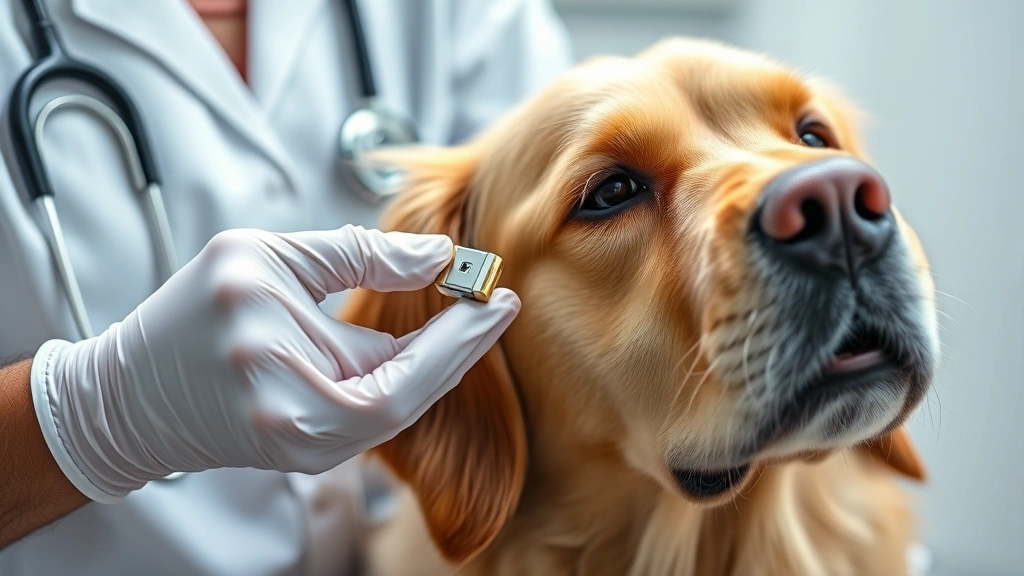
A dog microchip lookup could be the difference between a joyful reunion and a heartbreaking goodbye. If your furry best friend has gone missing, knowing how to search microchip registries might just bring them home. Let me walk you through everything you need to know about finding your lost dog using microchip technology.
Table of Contents
- What Exactly Is a Dog Microchip?
- Understanding Microchip Registration Systems
- How to Perform a Dog Microchip Lookup
- The Universal Microchip Lookup Registry
- Registering Your Dog’s Microchip Before Disaster Strikes
- What Information Gets Stored in the Microchip Database?
- Free vs. Paid Microchip Registries
- Microchip Lookup When Your Dog Is Found
- What If Your Dog’s Microchip Isn’t Working?
- Additional Steps to Take When Your Dog Is Missing
- Microchip Lookup and Breed-Specific Considerations
- Technology Updates: Modern Microchip Features
- Keeping Your Microchip Information Updated
- Frequently Asked Questions
- Conclusion: Your Dog’s Safety Net
What Exactly Is a Dog Microchip?
A microchip is a tiny, rice-grain-sized device implanted under your dog’s skin (usually between the shoulder blades). It contains a unique identification number linked to your contact information in a registry database. Think of it as a permanent ID card that your dog carries 24/7. Unlike collars and tags that can fall off or fade, microchips are there for life. When a shelter or vet scans your dog, they can instantly access your information and reunite you faster than you can say “treats.”
Understanding Microchip Registration Systems
Here’s where things get a bit complicated (but don’t worry, I’ll break it down). There are several microchip registries in the United States, and not all of them talk to each other. The major ones include AKC Reunite, HomeAgain, 24PetWatch, and Found Animals. When your dog gets microchipped, the veterinarian should register it in one of these databases. However, many pet owners don’t realize they need to actively register their chip—it doesn’t happen automatically just because the vet implanted it. This is a critical step that prevents your dog microchip lookup from being successful.
How to Perform a Dog Microchip Lookup
If your dog is missing and you suspect they’ve been found, here’s how to search. First, contact local animal shelters and veterinary clinics—they can scan any found dogs and check the microchip number against registries. You can also use online tools like the AKC Reunite database, which allows you to search by microchip number if you know it. HomeAgain and other registries have similar search functions on their websites. If you don’t know your dog’s microchip number, check your veterinary records or call your vet—they should have it on file. Many vets can also help you search multiple registries simultaneously.
The Universal Microchip Lookup Registry
The American Animal Hospital Association (AAHA) maintains a Universal Pet Microchip Lookup tool that searches multiple registries at once. This is a game-changer because it eliminates the guesswork about which registry your dog is registered with. Simply enter your dog’s microchip number, and the system searches across all major databases. This single search can save you hours of frustration and potentially reunite you with your pup much faster. It’s like having a master key to all the microchip kingdoms.
Registering Your Dog’s Microchip Before Disaster Strikes
Prevention is always better than panic. If your dog already has a microchip, verify right now that it’s properly registered. Call your vet and ask for the microchip number, then visit the registry’s website and update your contact information. If you’ve moved or changed phone numbers since the chip was implanted, your dog microchip lookup could fail because the registry has outdated information. This is honestly one of the most common reasons reunions don’t happen. Take 15 minutes today to confirm everything is current—future you will be grateful.
What Information Gets Stored in the Microchip Database?
When you register a microchip, the registry stores your name, address, phone number, email, and your dog’s description and name. Some registries allow you to add medical information, behavioral notes, or even your veterinarian’s contact details. The more complete your profile, the better. If someone finds your dog and the vet scans the chip, they’ll see all this information and can reach you immediately. Make sure your contact details are accurate—a wrong phone number is as useless as a chip that was never registered.
Free vs. Paid Microchip Registries
Here’s something that surprises many pet owners: most microchip registrations are free or very low-cost. AKC Reunite, for example, offers lifetime registration for a one-time fee of around $12-15. HomeAgain charges similarly. Some vets include microchip registration in the implantation cost. There are also free registries available, though they’re less widely used. Don’t let cost be a barrier—there’s simply no excuse not to register your dog’s chip. The price of a couple of fancy coffees could literally save your dog’s life.
Microchip Lookup When Your Dog Is Found
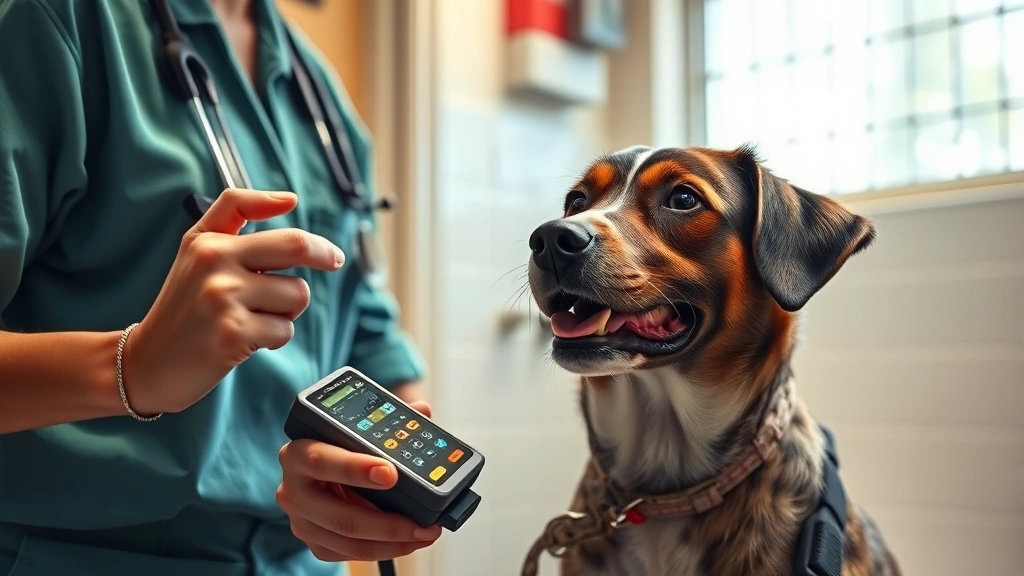
Let’s say your dog has been found and brought to a shelter. The staff will scan the microchip, get the number, and perform a dog microchip lookup in the registry database. If your information is current and complete, they’ll call you within minutes. This is why registration is non-negotiable. I’ve heard countless stories of dogs sitting in shelters for weeks because their chips were registered under old phone numbers or incomplete information. The technology works perfectly—it’s the registration that trips people up. If your dog is found, the finder (whether it’s a shelter, vet, or Good Samaritan) can also use online microchip lookup tools to find your contact information and reach you directly.
What If Your Dog’s Microchip Isn’t Working?
Microchips are incredibly reliable, but in rare cases, they can malfunction or migrate. If your dog has been scanned multiple times with no results, ask the vet to try different scanners—not all scanners read all chip frequencies (yes, there’s a frequency issue, because pet technology loves being complicated). Some chips use ISO 11784/11785 standards while others use proprietary frequencies. Most modern universal scanners read all types, but older scanners might miss certain chips. If you suspect a problem, your vet can take an X-ray to confirm the chip is still in place and functional. Consider this another reason to maintain good veterinary records and regular check-ups—your vet becomes your partner in keeping your dog safe.
Additional Steps to Take When Your Dog Is Missing
While a dog microchip lookup is powerful, it shouldn’t be your only strategy. Post on social media immediately, contact local shelters and rescues, put up flyers in your neighborhood, and check PetMD’s lost and found database. Call vets in your area and ask them to watch for your dog. Some dogs are found within a few blocks of home, so search your immediate surroundings thoroughly. If your dog has medical needs, mention this when reporting them missing—it makes them a higher priority for shelters. The combination of microchip lookup plus active searching gives you the best chance of reuniting with your beloved pet. For additional guidance on pet health emergencies, you might also want to review resources on emergency vet care in case your dog returns injured.
Microchip Lookup and Breed-Specific Considerations
Certain breeds are more prone to wandering or getting lost than others. Huskies, Beagles, and Terriers have strong prey drives and escape artist tendencies. If you own a breed known for roaming, microchipping is absolutely essential. These dogs might ignore recall commands and end up miles from home. A microchip provides peace of mind that even the best training can’t guarantee. Additionally, if you’re concerned about your dog’s nutritional needs or have specific dietary requirements for your pet, resources like telehealth pet nutrition consultation can help ensure your dog stays healthy, which indirectly supports their ability to survive if lost.
Technology Updates: Modern Microchip Features
Newer microchips now include GPS tracking capabilities (though these require a separate reader device). Some registries offer smartphone apps that let you track your dog’s location in real-time if they have a GPS-enabled chip. While traditional microchips are passive (they only transmit data when scanned), these advanced options provide active monitoring. However, they’re more expensive and require battery maintenance. For most pet owners, a standard microchip combined with a GPS collar provides the best of both worlds—permanent identification plus real-time tracking.
Keeping Your Microchip Information Updated
Life happens. You move, change your phone number, or switch email addresses. Each time this happens, you must update your microchip registry information. Set a reminder to check your registration details annually, perhaps on your dog’s birthday. Some registries send renewal notices, but these can get lost in spam folders. Don’t assume the system will automatically update your information—it won’t. Your dog’s safety depends on you staying proactive. If you’re managing multiple pets or have specific dietary restrictions to track for your dog, consider using a pet management app that also reminds you to update your microchip registration.
Frequently Asked Questions
How much does a dog microchip cost?
Microchip implantation typically costs $25-$60 at veterinary clinics, though prices vary by location. Registration is usually $15-$20 for lifetime coverage. Some shelters offer discounted microchipping during special events. The cost is minimal compared to the potential heartbreak of losing your dog.
Can a microchip be removed or hacked?
Removing a microchip requires surgery, which is not something someone would do casually. The chip is too small to be easily located without imaging. As for hacking, microchips are passive devices that don’t transmit data unless scanned—they can’t be hacked remotely. Your information is only as secure as the registry’s website, so use strong passwords when managing your account.
Is microchipping painful for dogs?
The implantation process is quick and minimally invasive, similar to a vaccination. Most dogs don’t require anesthesia, though some vets offer it for anxious pets. There’s minimal discomfort, and the procedure takes seconds. Your dog will be fine—promise.
What happens if my dog is found but the microchip registry is closed?
Most registries operate 24/7, but if you can’t reach them immediately, shelters and vets have access to the databases and can look up your information. Leave a detailed voicemail with your contact information, and follow up the next business day. The finder can also search online microchip lookup tools independently.
Can I transfer my dog’s microchip to a new registry?
Yes, you can register the same microchip number with multiple registries for redundancy. Most registries charge a small fee for this. Having your dog registered in two or three databases increases the chances of a successful dog microchip lookup if your dog is found.
Does pet insurance cover microchipping?
Some pet insurance plans cover microchip implantation, though many don’t. Check your policy details. Regardless, the cost is so low that you shouldn’t let insurance coverage determine whether you microchip—just do it.
Conclusion: Your Dog’s Safety Net
A dog microchip lookup is one of the most powerful tools available for reuniting lost pets with their families. The technology is proven, affordable, and reliable. The only thing standing between your dog and a successful reunion is proper registration and keeping your information current. Don’t wait for disaster to strike—microchip your dog today and register that chip immediately. Update your contact information annually. Make sure your vet has your details on file. These simple steps create a safety net that could literally bring your best friend home. In the grand scheme of pet ownership, microchipping is the easiest, most effective insurance policy you’ll ever purchase. Your dog can’t tell someone their name or where they live, but a tiny chip under their skin can tell the whole story. Make sure that story has a happy ending.





