
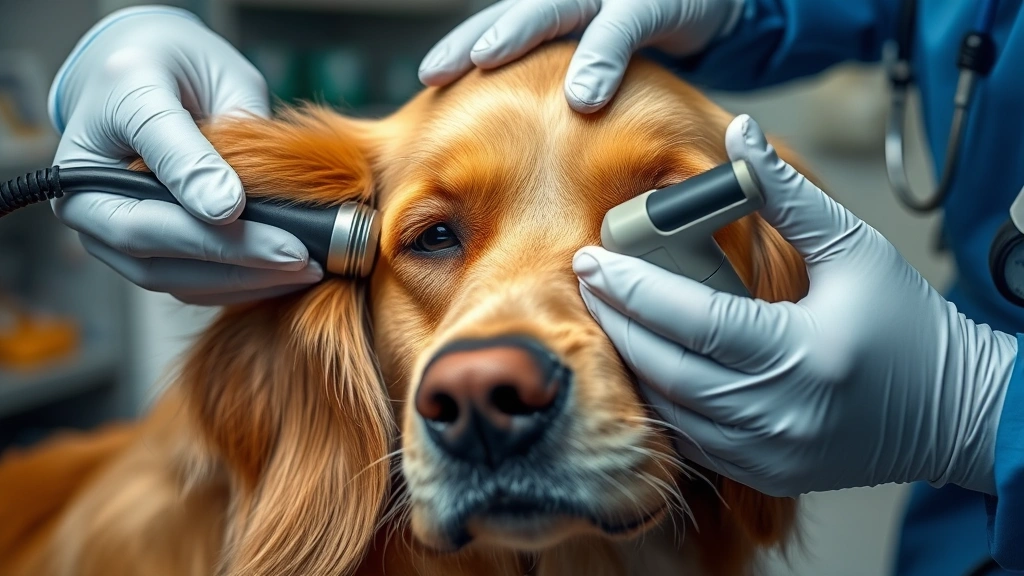
If your furry friend has been scratching like they’re auditioning for a flea circus, dog mites might be the uninvited guest crashing the party. These microscopic parasites are basically the tiny vampires of the pet world—invisible to the naked eye but absolutely capable of turning your dog’s life (and yours) into an itchy nightmare. The good news? We’re about to arm you with everything you need to know about identifying, preventing, and treating these pesky critters.
Table of Contents
- What Exactly Are Dog Mites and Why Should You Care?
- Recognizing the Signs of Mite Infestation in Dogs
- The Five Proven Ways to Protect Your Pet from Mites
- Different Types of Mites and Their Specific Challenges
- Natural and Holistic Approaches to Mite Prevention
- When to Seek Emergency Veterinary Care for Mite-Related Issues
- Managing Special Dietary Needs During Mite Treatment
- Building a Long-Term Mite Prevention Strategy
- Frequently Asked Questions
- Conclusion: Your Action Plan for Mite-Free Dogs
What Exactly Are Dog Mites and Why Should You Care?
Dog mites are microscopic arachnids that live on or in your dog’s skin. Unlike fleas that you can occasionally spot jumping around, mites in dogs are basically invisible assassins. They come in several varieties, each with their own special way of making your pup miserable. The most common culprits include Demodex mites (which cause demodectic mange) and Sarcoptes mites (the cause of sarcoptic mange, also called scabies). Some mites just hang out in your dog’s ears causing infections, while others prefer the skin buffet. The real kicker? Your dog’s immune system is usually what determines whether these mites become a problem or just quietly exist without causing drama.
Recognizing the Signs of Mite Infestation in Dogs
Your dog can’t exactly text you saying “Hey, I’ve got mites,” so you need to play detective. The telltale signs of canine mites include excessive scratching (and we mean the kind that makes you wince), hair loss in patches, red or inflamed skin, and crusty or scaly skin that looks like your pup rolled in a flour factory. Some dogs develop a musty odor, and in severe cases, you might notice bleeding or infections from all that intense scratching. Ear mites specifically cause your dog to shake their head like they’re at a rock concert and scratch at their ears obsessively. If your dog suddenly transforms into a furry scratching machine, it’s time to call the vet.
The Five Proven Ways to Protect Your Pet from Mites
1. Regular Veterinary Check-Ups and Professional Diagnosis
This is your first line of defense. Your vet can identify dog mites through skin scrapings or other diagnostic methods that you definitely cannot do at home without looking ridiculous. Professional diagnosis matters because what looks like mites might actually be allergies, fungal infections, or that time your dog decided to roll in something questionable. Visit your vet at least annually, and more frequently if your dog has a history of skin issues. Your vet might recommend treatments like miticides, medicated baths, or oral medications depending on the mite type and severity.
2. Maintain Impeccable Hygiene and Environmental Control
Mites love dirty, humid environments more than your dog loves treats. Wash your dog’s bedding weekly in hot water—think of it as a mite genocide operation. Vacuum your home regularly, especially areas where your dog spends time lounging like it’s their personal kingdom. If your dog has sarcoptic mange, you’ll need to be extra aggressive because these mites can spread to humans (though they won’t actually live on us—we’re apparently not their type). Clean or replace toys regularly, and consider using a dehumidifier if you live in a particularly humid climate. A clean environment is basically kryptonite for mites.
3. Optimize Your Dog’s Nutrition and Immune System
A strong immune system is your dog’s personal bodyguard against mite infestations. Feed your pup high-quality food rich in omega-3 and omega-6 fatty acids, which support skin health and immune function. Consider consulting our Pet Nutrition Advice guide for specific recommendations tailored to your dog’s needs. Foods with antioxidants, vitamins A, E, and zinc all play starring roles in keeping your dog’s skin barrier strong and resistant to mite colonization. Some dogs benefit from supplements like fish oil or probiotics that support overall immune health. A well-nourished dog is a mite-resistant dog.
4. Use Preventative Treatments Recommended by Your Veterinarian
Modern veterinary medicine offers excellent preventative options. Many flea and tick preventatives also protect against mites, which is basically getting a two-for-one deal. Products like Simparica, NexGard, and Bravecto are popular choices that your vet might recommend. These come in various forms—topical treatments, oral medications, or collars—so you can choose what works best for your lifestyle and your dog’s personality. Some dogs are drama queens about topical treatments, while others would rather swallow a pill than have anything touched. Your vet can help you pick the right option. The key is consistency—use preventatives year-round unless your vet advises otherwise.
5. Regular Grooming and Skin Care Practices
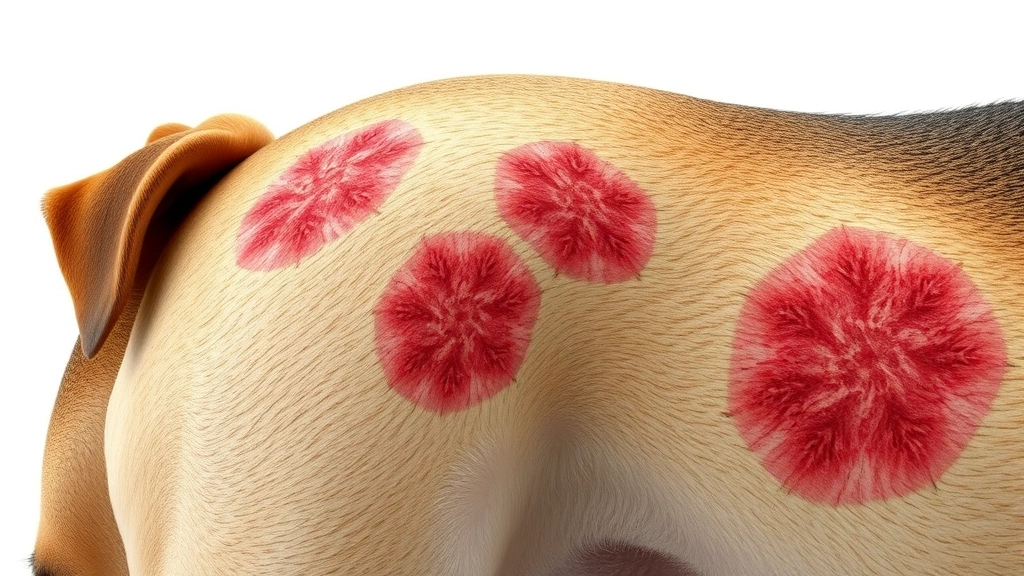
Grooming isn’t just about making your dog look Instagram-worthy; it’s also a crucial defense against mites. Regular brushing helps you spot skin issues early before they become major problems. Bathe your dog with a gentle, vet-approved shampoo every 2-4 weeks (more frequently if they have skin issues). Some vets recommend medicated shampoos containing sulfur or benzoyl peroxide for dogs prone to mite problems. When bathing, use lukewarm water and be thorough—mites hide in skin folds and ears. If you’re wondering about product choices, check out our guide on Can You Use Human Conditioner on Dogs to avoid accidentally using human products that could irritate your pup’s skin. Proper grooming also improves circulation and keeps your dog’s skin healthy and resilient.
Different Types of Mites and Their Specific Challenges
Not all dog mites are created equal, and understanding the differences helps you protect your pup more effectively. Demodex mites are naturally present on most dogs’ skin and only cause problems when your dog’s immune system is compromised. Sarcoptic mange mites are the troublemakers that spread easily between dogs and can even affect humans temporarily. Cheyletiella mites cause “walking dandruff” because you can actually see these larger mites moving around—they’re basically the visible version of the mite world. Otodectes mites specifically target ears and are super common in puppies. Each type requires slightly different treatment approaches, which is why professional diagnosis is non-negotiable.
Natural and Holistic Approaches to Mite Prevention
While conventional treatments are often necessary, some natural approaches can complement your vet’s recommendations. Apple cider vinegar baths (diluted properly) may help create an inhospitable environment for mites, though this shouldn’t replace veterinary treatment. Coconut oil has antimicrobial properties and can be applied to affected areas, but again, it’s a supplement, not a cure. Diatomaceous earth is sometimes recommended, but food-grade only and with vet approval. Probiotics and omega-3 supplements support skin health from the inside. The important thing to remember: these natural approaches work best as preventative measures and supplements to professional treatment, not replacements for it. Your vet is your partner in this fight, not your competition.
When to Seek Emergency Veterinary Care for Mite-Related Issues
Most mite infestations aren’t emergencies, but certain situations warrant immediate vet attention. If your dog develops signs of infection (pus, severe inflammation, fever), if they’re scratching so intensely they’re causing serious bleeding or wounds, or if a young puppy or senior dog shows signs of severe infestation, get to the vet ASAP. Secondary bacterial infections from constant scratching can become serious quickly. If your dog seems lethargic, loses appetite, or shows signs of systemic illness alongside mite symptoms, don’t wait. You can also use Pet Telehealth services to get quick professional advice if you’re unsure whether a situation requires immediate in-person care.
Managing Special Dietary Needs During Mite Treatment
If your dog has underlying health conditions or dietary restrictions while dealing with mites, nutrition becomes even more important. Some medications used to treat mites can affect appetite or digestion. If your dog falls into this category, our Pet Dietary Restrictions guide can help you navigate feeding options that support both skin health and any other dietary needs. Certain foods can trigger allergies that worsen skin conditions, so working with your vet to identify and eliminate problem foods is crucial. A dog with both mites and food sensitivities needs a carefully planned nutritional strategy.
Building a Long-Term Mite Prevention Strategy
Think of mite prevention like home security—you need multiple layers of protection working together. Start with regular vet visits (at least annually, more if your dog has a history of skin issues). Use year-round preventative treatments as recommended by your vet. Maintain excellent hygiene practices for your dog and your home. Feed a high-quality diet that supports skin and immune health. Groom regularly and monitor your dog’s skin condition closely. If your dog is prone to mites, consider keeping a log of any skin issues you notice—this helps your vet track patterns and adjust treatment as needed. The goal is to create an environment where mites simply can’t establish themselves as permanent residents.

Frequently Asked Questions
Can humans catch dog mites?
Some types of mites, particularly sarcoptic mites, can temporarily affect human skin and cause itching. However, they won’t establish a permanent infestation on humans because we’re not their preferred host. If you develop itching after contact with an infected dog, see a dermatologist and let them know about your dog’s condition. Good hygiene practices (washing hands, changing clothes after handling an infected dog) minimize risk.
How long does it take to treat dog mites?
Treatment duration varies depending on the mite type and severity. Sarcoptic mange typically requires 4-8 weeks of treatment, while demodectic mange can take several months or longer, especially in severe cases. Ear mites usually clear up within 2-4 weeks with proper treatment. Your vet will give you specific timelines based on your dog’s situation and will recheck to ensure the mites are actually gone before declaring victory.
Are dog mites contagious to other pets?
Sarcoptic mange spreads readily between dogs and other animals. Demodectic mange is less contagious because it’s usually a problem with the individual dog’s immune system rather than the mite itself. If you have multiple pets and one has mites, inform your vet immediately so they can check the others and recommend preventative measures. Keep infected dogs separated from other pets when possible during treatment.
What’s the difference between mites and fleas?
Fleas are larger parasites you can sometimes see with the naked eye, while mites are microscopic. Fleas bite and feed on blood externally, while mites either burrow into skin or live in hair follicles and sebaceous glands. Both cause itching, but the pattern and severity differ. Fleas are usually easier to spot and treat, while mites require professional diagnosis. Some preventative treatments cover both, which is why they’re so valuable.
Can my dog get mites from the environment?
Some mites can survive briefly in the environment, but most mite infestations in dogs come from direct contact with infected animals. Environmental mites are more of a concern with sarcoptic mange. Keeping your home clean and your dog’s bedding washed regularly significantly reduces environmental mite transmission. If your dog spends time in kennels, dog parks, or other communal spaces, the risk increases slightly, which is another reason preventative treatments are important.
Conclusion: Your Action Plan for Mite-Free Dogs
Dog mites might be invisible, but they’re definitely not invincible. By combining professional veterinary care, preventative treatments, excellent hygiene practices, proper nutrition, and regular grooming, you can protect your pup from these pesky parasites. Remember that mite prevention isn’t a one-time effort—it’s an ongoing commitment to your dog’s health and comfort. Start with a vet visit to establish a baseline, implement the five proven protection strategies we’ve discussed, and stay consistent with preventative care year-round. Your dog depends on you to keep them comfortable and healthy, and with the right approach, you can ensure that mites remain nothing more than a word in your vocabulary, not a problem in your dog’s life. When in doubt, always consult your veterinarian—they’re your best resource for keeping your furry friend happy, healthy, and mite-free.





