
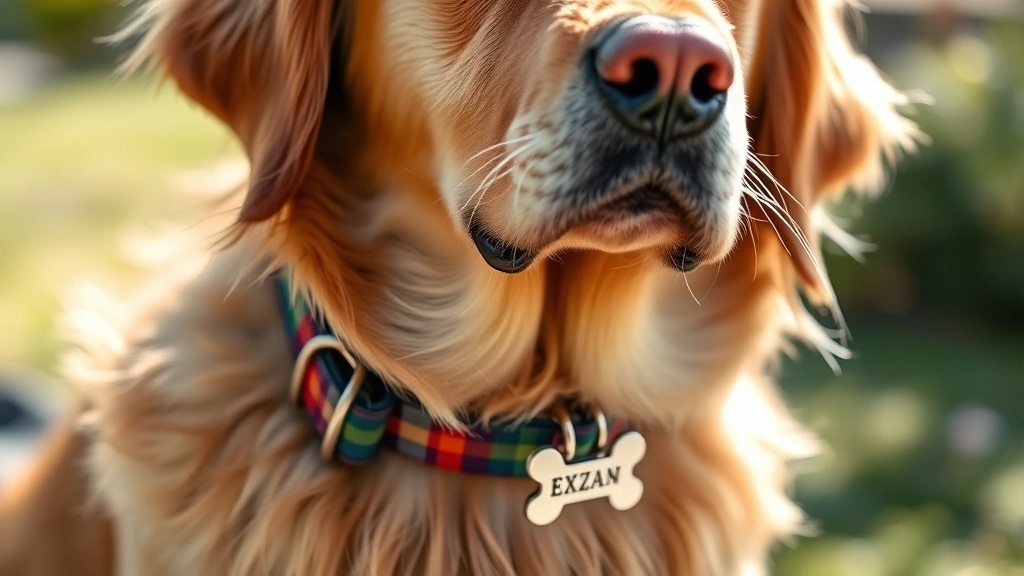
A dog name label isn’t just a cute accessory—it’s literally a lifeline for your furry best friend. If Fido decides to channel his inner escape artist and bolts through an open gate, that little tag is what stands between a heartwarming reunion and a nightmare scenario. Let’s dive into why these small but mighty labels matter and which ones actually deserve a spot on your pup’s collar.
Table of Contents
- Why Your Dog Needs a Name Label (Beyond Looking Adorable)
- What Makes a Quality Dog Name Label?
- The Classic Bone-Shaped Stainless Steel Label
- Modern Silicone Dog Name Labels
- Personalized Leather Dog Name Labels
- QR Code Dog Name Labels: The Tech-Forward Option
- Reflective and Glow-in-the-Dark Dog Name Labels
- Budget-Friendly and DIY Dog Name Label Options
- Installation and Maintenance Tips for Dog Name Labels
- Special Considerations for Different Dog Breeds and Lifestyles
- The Legal Side: Why Dog Name Labels Matter
- Frequently Asked Questions
- Conclusion: Your Dog’s Safety Starts with a Simple Label
Why Your Dog Needs a Name Label (Beyond Looking Adorable)
Here’s the thing: dogs get lost. A lot. The American Veterinary Medical Association reports that about one in three pets will go missing at some point in their lives. That’s not to scare you—it’s to motivate you to invest in a solid dog name label system. When a stranger finds your dog wandering the neighborhood, that tag is the first thing they’ll check. It’s faster than scanning a microchip, more reliable than hoping someone recognizes your pup, and it literally costs pennies compared to the stress of a lost pet.
Beyond the lost-pet scenario, a dog name label serves as proof of ownership and provides critical contact information. It also signals to others that your dog is cared for and has a home. Plus, if your pup has medical conditions or behavioral quirks (like being nervous around other dogs), you can note that on certain label styles.
What Makes a Quality Dog Name Label?
Not all dog name labels are created equal. Here’s what separates the good ones from the ones that fade, break, or become unreadable within weeks:
- Durability: Materials like stainless steel, anodized aluminum, and high-quality plastic withstand weather, chewing, and constant jingles.
- Readability: Engraving should be deep and clear. Avoid labels that use cheap printing that wears off.
- Size Appropriateness: A Chihuahua doesn’t need a Great Dane-sized tag, and vice versa.
- Attachment Security: Whether it’s a split ring, D-ring, or direct collar attachment, it needs to stay put.
- Information Capacity: The best labels include your name, phone number, and optionally your address or a secondary emergency contact.
When you’re shopping for a dog name label, think about your lifestyle. If your dog spends time in water, go stainless steel. If they’re a chewer, avoid anything with dangling bits they can gnaw on.
The Classic Bone-Shaped Stainless Steel Label
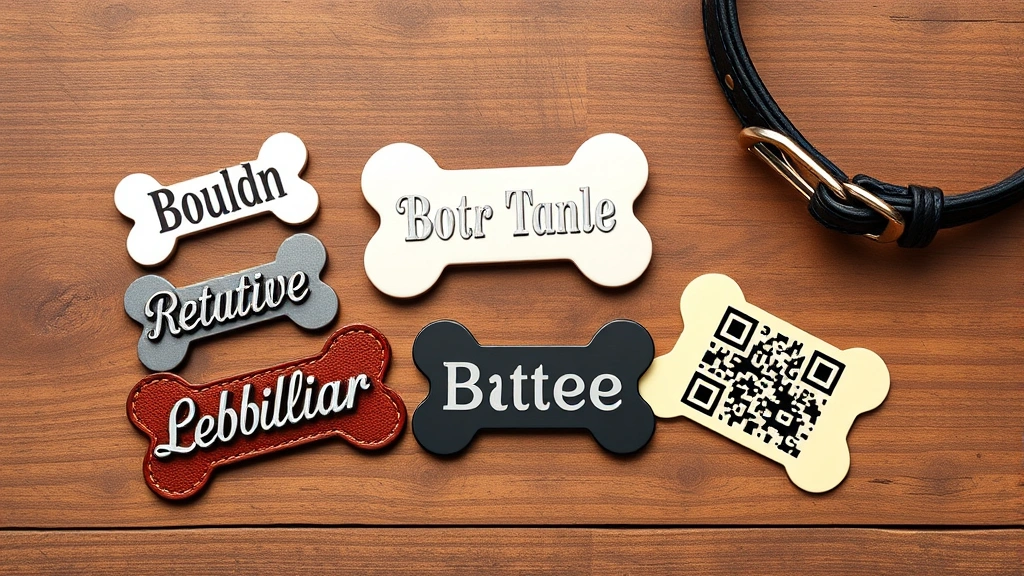
The bone-shaped label is the OG of dog name labels, and honestly? It’s still one of the best options. Stainless steel resists rust, corrosion, and the general wear and tear of outdoor adventures. The iconic shape is instantly recognizable and comes in various sizes for different breeds.
These labels typically feature deep laser engraving that won’t fade over time. They’re also affordable—usually between $5 and $15 depending on customization. The main downside? They can jingle a bit, which some dogs find annoying. If that’s a concern, you can wrap the attachment point with a small piece of rubber or silicone.
Pro tip: When ordering a bone-shaped label, choose the size that matches your dog’s collar width. A tag that’s too large looks silly and can be uncomfortable; one that’s too small becomes hard to read.
Modern Silicone Dog Name Labels
If you want something quieter and more contemporary, silicone labels are where it’s at. These soft, flexible tags come in virtually any color and can be customized with your dog’s name and your contact info. They’re lightweight, which is perfect for toy breeds or dogs who are sensitive to collar weight.
The best part? They don’t make noise. Your dog can move around without that telltale jingle announcing their presence (which is great if you’re trying to sneak up on them for a bath or nail trim). Silicone labels are also chew-resistant, making them ideal for dogs who treat their collars like chew toys.
The trade-off is that silicone labels can wear faster than metal ones, and the printing can fade if exposed to intense UV light for extended periods. They’re typically in the $8-$20 range, and they’re perfect for active dogs or those who spend lots of time outdoors.
Personalized Leather Dog Name Labels
For the pup parent who wants their dog to look like they just stepped out of a luxury pet boutique, leather dog name labels are the answer. These are typically made from genuine leather and can be embossed or engraved with your dog’s name and contact information. They look sophisticated, feel premium, and actually age beautifully—the leather develops character over time.
Leather labels work especially well with high-end collars (like a Coach dog collar) and give your pup an elevated aesthetic. They’re durable and long-lasting, though they do require occasional conditioning to prevent cracking in extreme climates.
The downside? Price. Quality leather labels run $20-$40+. They’re also not ideal for dogs who love water or muddy adventures, as leather requires more maintenance. If your dog is more of a couch potato or spends time in controlled environments, leather is a fantastic choice.
QR Code Dog Name Labels: The Tech-Forward Option
Welcome to the future. QR code dog name labels are increasingly popular, and for good reason. These labels feature a QR code that links to your dog’s profile with all their information, medical history, and even photos. When someone finds your dog, they simply scan the code with their phone and get instant access to everything they need to know.
The beauty of QR code labels is that you can update your information without replacing the label. Moved? Changed your phone number? Just update your online profile, and the label automatically reflects the new info. Some systems even let you set up a reward for finding your dog, which can incentivize someone to actually scan and contact you.
These labels typically cost $15-$30 and require a subscription to the service (usually $5-$10 per year). They’re perfect for tech-savvy pet parents and offer a modern layer of security beyond traditional labels. Check out platforms like PetLink, HomeAgain, or similar services for options.
Reflective and Glow-in-the-Dark Dog Name Labels
If your dog is a night owl or you frequently walk them during evening hours, reflective or glow-in-the-dark dog name labels are a game-changer. These labels use reflective materials or phosphorescent paint to make your dog visible in low-light conditions, which increases safety when they’re outside after dark.
Reflective labels work by bouncing light back at its source (like car headlights), making your dog visible from a distance. Glow-in-the-dark labels absorb light during the day and emit a faint glow at night—they’re less effective than reflective ones for visibility but look pretty cool.
These options are usually in the $10-$25 range and can be combined with other label styles. A stainless steel label with reflective coating, for example, gives you durability plus visibility. This is especially important if your dog has a tendency to wander or if you live near busy roads.
Budget-Friendly and DIY Dog Name Label Options
Not everyone has a big budget for pet accessories, and that’s totally fine. There are plenty of affordable dog name label options that still get the job done. Plastic labels are the most budget-friendly, usually costing just $2-$5. They’re lightweight and come in fun colors, though they won’t last as long as metal or silicone options.
If you’re feeling crafty, you can even make your own labels using waterproof materials. Some pet parents use laminated cardstock, polymer clay, or even shrink plastic to create custom labels. Just make sure whatever you use is durable enough to withstand your dog’s daily activities.
The key is ensuring your label includes at least your name and phone number. That’s the bare minimum for reuniting with your pup. For complementary pet care ideas that keep your dog healthy overall, check out our guide on budget-friendly homemade pet treats to keep your pup happy without breaking the bank.
Installation and Maintenance Tips for Dog Name Labels
Once you’ve chosen the perfect dog name label, proper installation and maintenance are crucial. Attach your label to a sturdy collar using a secure split ring or D-ring—never use a weak chain or flimsy attachment. Double-check that it’s tight enough that it won’t fall off but not so tight that it restricts your dog’s movement.
Regularly inspect your label for signs of wear, fading, or damage. If the information becomes illegible, it’s time for a replacement. Clean your label occasionally (especially if it’s metal or leather) to keep it looking fresh and ensure the information remains visible.
For dogs with multiple collars (because let’s be honest, fashion matters), make sure each collar has its own label. You never know which collar your dog will be wearing if they escape. Also, consider adding your dog’s microchip number to the label if you have space—this provides a backup identification method.
Special Considerations for Different Dog Breeds and Lifestyles
A tiny Pomeranian’s label needs are vastly different from a massive Saint Bernard’s. Small breed dogs need lightweight, proportional labels that won’t strain their delicate necks. Large breed dogs can handle bigger, heavier labels without issue.
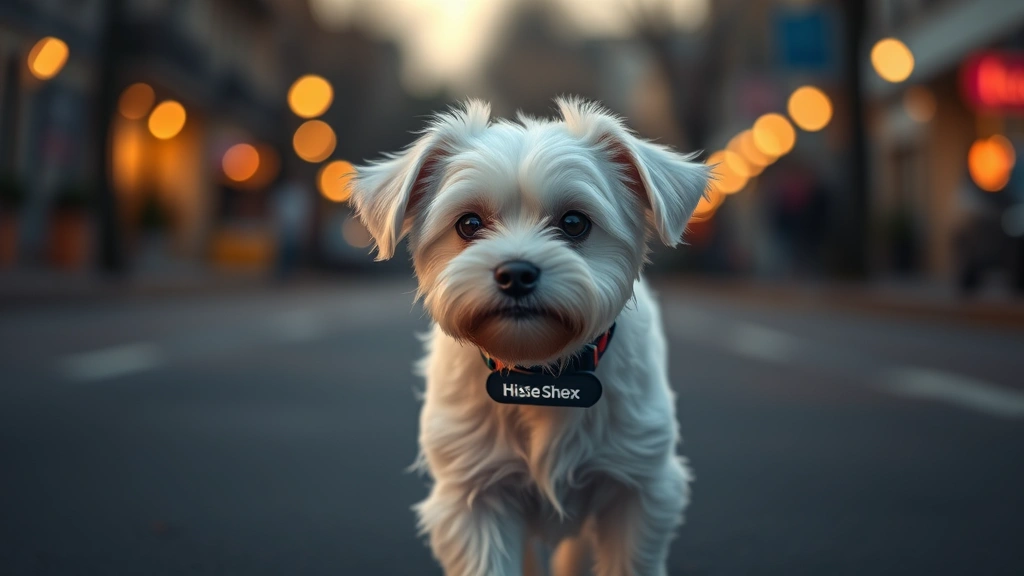
Consider your dog’s lifestyle too. A beach-loving Golden Retriever needs corrosion-resistant materials, while a city apartment dog might benefit from quieter silicone labels. Active, outdoor-loving dogs need the most durable options, whereas couch potatoes can get away with more delicate (but still functional) labels.
If your dog has sensitive skin or allergies, ensure your label material won’t irritate their neck. Some dogs react to nickel in cheap metal labels, so opt for hypoallergenic stainless steel or silicone. And if your dog has behavioral issues (anxiety, aggression, etc.), consider adding a note on the label or choosing a QR code system where you can include behavioral information.
The Legal Side: Why Dog Name Labels Matter
In many jurisdictions, having proper identification on your dog is legally required. Some areas mandate that dogs wear collars with ID tags at all times. Beyond the legal requirements, a dog name label is your first line of defense in proving ownership if your dog is found or taken to a shelter.
According to the American Animal Hospital Association, pets with identification are significantly more likely to be reunited with their owners. Having both a physical label and a microchip creates redundancy—if one fails, you’ve still got backup identification.
For additional peace of mind about your dog’s overall safety and health, make sure they’re eating well. Check out our resource on puppy-safe human foods if you’re introducing new foods to their diet, and learn about can dogs eat peanut butter for safe treat options.
Frequently Asked Questions
What information should I include on a dog name label?
At minimum, include your dog’s name and your phone number. Additional helpful information includes your last name, a secondary contact number, and optionally your address or microchip number. Some people add medical alerts (like “diabetic” or “deaf”) if relevant.
Can a dog name label replace a microchip?
No. While a label is your first line of defense, a microchip is a permanent backup identification method. Ideally, your dog should have both. Labels can fall off or become unreadable, but a microchip is permanent and requires no maintenance.
How often should I replace my dog’s name label?
It depends on the material and your dog’s lifestyle. Metal labels can last years, while plastic ones might need replacing annually. Inspect your label regularly and replace it if the information becomes faded or illegible.
Are personalized dog name labels worth the extra cost?
Yes, if it means your dog’s information is accurate and readable. The extra cost for customization is minimal compared to the heartbreak of a lost pet. Invest in quality that matches your dog’s lifestyle.
What’s the best dog name label for a puppy?
For puppies, choose a label that’s proportional to their size and won’t strain their developing neck. Silicone or lightweight metal labels are ideal. As they grow, you may need to upgrade to a larger size.
Conclusion: Your Dog’s Safety Starts with a Simple Label
Choosing the right dog name label is one of the easiest ways to protect your furry friend. Whether you opt for a classic bone-shaped stainless steel tag, a modern QR code system, or something in between, the key is ensuring your dog has clear, readable identification at all times.
Don’t wait for an emergency to think about this. Invest in a quality label today, keep your information current, and combine it with a microchip for maximum protection. Your dog depends on you to keep them safe, and a simple label might be the difference between a happy reunion and a heartbreaking loss. Your pup is worth it.





