

Let’s be honest: a dog that ignores you is exhausting. Whether your pup bolts at the dog park, jumps on guests, or treats “sit” like a foreign language, dog obedience training isn’t just about looking good on Instagram. It’s about safety, sanity, and actually enjoying your dog. I’ve worked with hundreds of dogs in the clinic and at home, and I can tell you—the difference between an untrained and a trained dog is night and day. The good news? Most behavioral issues are fixable with consistency, patience, and the right approach.
Here’s what we’re covering today: why dog obedience training matters, how to start from scratch, common mistakes people make, and real strategies that work. No fluff. Just practical stuff you can implement today.
Why Dog Obedience Training Matters
A lot of people think dog obedience training is cosmetic—something you do to impress friends or post cute videos. It’s not. It’s foundational to your dog’s safety and your relationship with them.
Think of obedience like a common language. Without it, you’re just making noises at each other. With it, you can communicate what’s safe, what’s not, and what you need from your dog. That matters when a car is coming, when your dog is sick and needs medicine, or when they’re around kids.
Beyond safety, trained dogs are happier dogs. They know what’s expected. They get more freedom because you trust them. And honestly? The bond you build through training is unlike anything else. You’re not just teaching commands—you’re teaching your dog how to be part of your life.
According to the American Kennel Club (AKC), dogs that receive structured training show lower stress levels and fewer behavioral problems. That’s not just feel-good stuff—that’s measurable.
Starting Early: Age and Readiness
The best time to start dog obedience training is as early as possible. Puppies can learn basic commands at 7-8 weeks old. I know that sounds young, but their brains are like sponges at that age.
Here’s the thing though: young doesn’t mean complicated. A 10-week-old puppy can learn “sit” and “come,” but their attention span is maybe 5 minutes. Training sessions should be short—5 to 10 minutes max—and fun. Think of it like kindergarten, not law school.
If you have an adult dog, don’t panic. Adult dogs can learn new commands just fine. They might have ingrained habits, sure, but “you can’t teach an old dog new tricks” is a myth. I’ve worked with 10-year-old dogs learning commands for the first time. It takes patience, but it works.
Pro Tip: The younger you start, the fewer bad habits you have to undo. Prevention is always easier than correction.
Before you start any dog obedience training, make sure your dog is physically ready. They should have had their basic vaccinations, a vet checkup, and be free from pain or illness. A dog that’s uncomfortable or sick won’t learn well. If your dog seems lethargic, limps, or shows other signs of discomfort, get them checked out first. I can’t tell you how many “behavior problems” I’ve seen that were actually untreated ear infections or joint pain.
Foundation Commands Every Dog Needs
Not every dog needs to be a competition-level obedience champion. But there are core commands that every dog should know for safety and sanity.
- Sit: The easiest command to teach and the foundation for everything else. Most dogs get this in a few sessions.
- Stay: Critical for safety. Your dog needs to understand “wait here” whether you’re opening a door or need them to hold position.
- Come: Arguably the most important command. A reliable recall can save your dog’s life.
- Down: Useful for settling a dog or keeping them calm in specific situations.
- Leave it: Prevents your dog from eating something dangerous. This one’s a lifesaver.
These five commands form the backbone of good dog obedience training. Once your dog has these down, you can build on them with tricks or more advanced behaviors.
The Humane Society recommends starting with one command at a time, fully cementing it before moving to the next. Trying to teach five things at once is overwhelming for both of you.
Positive Reinforcement vs. Punishment
Here’s where I need to be direct: punishment-based dog obedience training doesn’t work as well, and it can damage your relationship with your dog. I’ve seen dogs become anxious, fearful, or even aggressive when trained with harsh methods.
Positive reinforcement—rewarding the behavior you want—is faster, more effective, and builds trust. When your dog sits and you give them a treat and praise, they think, “Sitting is awesome. I’ll do that again.” When you yell at them for not sitting, they think, “My person is unpredictable and scary.” Guess which one creates a dog you actually want to be around?
That said, positive reinforcement isn’t about being a pushover. It’s about being clear and consistent. Your dog needs to understand what gets rewarded and what doesn’t.
Safety Warning: Avoid aversive tools like shock collars, prong collars, or alpha-roll techniques. These can cause fear, anxiety, and aggression. Stick with positive methods.
Rewards don’t always have to be food. Some dogs are motivated by toys, play, or praise. I have a Border Collie client who’s obsessed with a tennis ball—that’s her reward. A Cavalier I know just wants physical affection. Figure out what your dog loves and use that.
The timing of the reward matters too. You want to reward within 1-2 seconds of the correct behavior so your dog makes the connection. “Good sit!” with a treat immediately after works. Waiting five minutes doesn’t.
Common Dog Obedience Training Mistakes
I see the same mistakes over and over. Let me save you some headaches.
Mistake #1: Inconsistency. You let your dog jump on you on Monday but scold them for it on Friday. Your dog is confused. Everyone in the household needs to apply the same rules. If your spouse says jumping is okay but you don’t, your dog will jump. Period.
Mistake #2: Unclear commands. You say “come here, buddy” in a sing-song voice, then “COME” in an angry bark, then “could you come?” Your dog doesn’t know which one means what. Pick a command word and use it the same way every time.
Mistake #3: Training when you’re frustrated. If you’re angry or impatient, stop. Your dog picks up on your energy, and training sessions become negative. I always tell people: if you’re frustrated after 10 minutes, end on a good note and try again later. A 5-minute successful session beats a 30-minute disaster.
Mistake #4: Skipping the basics. People want their dog to do fancy tricks before they have a solid “sit.” That’s backwards. Build the foundation first.
Mistake #5: Not practicing in different environments. Your dog nails “sit” in your kitchen but ignores you at the park. That’s because they haven’t generalized the command yet. You need to practice in different places, with different distractions. This is called generalization in dog training, and it’s essential for real-world obedience.
Mistake #6: Expecting too much too fast. Your 12-week-old puppy won’t have a perfect recall. Your rescue dog with an unknown background might take weeks to trust you. Patience isn’t just nice—it’s necessary.
Consistency and Routine: The Real Secret
If I had to pick one thing that separates dogs with solid dog obedience training from dogs that are hit-or-miss, it’s consistency. Not fancy techniques. Not expensive trainers. Just showing up and doing the work every single day.
Here’s what consistency looks like:
- Same commands, same words, same tone.
- Same rewards for the same behaviors.
- Training at the same times (or at least regularly).
- Everyone in the household following the same rules.
- Practicing in different settings, not just at home.
Routine matters too. Dogs thrive on predictability. If you train right before breakfast, your dog starts anticipating it. Their brain gets ready to learn. If training is random and sporadic, they’re never quite in “learning mode.”
I recommend starting with 5-10 minute sessions, three to five times a week. That’s it. That’s enough to make real progress. More isn’t always better—quality beats quantity. A focused 10-minute session beats a scattered 30-minute one.
Track your progress. Write down what you’re working on and how it’s going. This sounds tedious, but it helps you see patterns. Maybe your dog nails “sit” in the morning but struggles at night. Maybe they get distracted by other dogs. Noticing these patterns helps you adjust your training.
Also, celebrate small wins. Your dog doesn’t need to be perfect. If they’re improving, that’s success. I’ve seen people get discouraged because their dog isn’t competition-ready after two weeks. That’s unrealistic. Real dog obedience training is a marathon, not a sprint.
When to Call a Professional Trainer
Some situations are beyond DIY territory. If your dog shows aggression, severe anxiety, or you’re just overwhelmed, a professional trainer is worth the investment.
Here’s what to look for in a trainer:
- They use positive reinforcement methods (not punishment or aversive tools).
- They have certifications or credentials (look for CPDT-KA or similar).
- They’re willing to discuss their methods and answer questions.
- They’ve worked with your dog’s specific issues before.
- They offer follow-up support and don’t just disappear after the session.
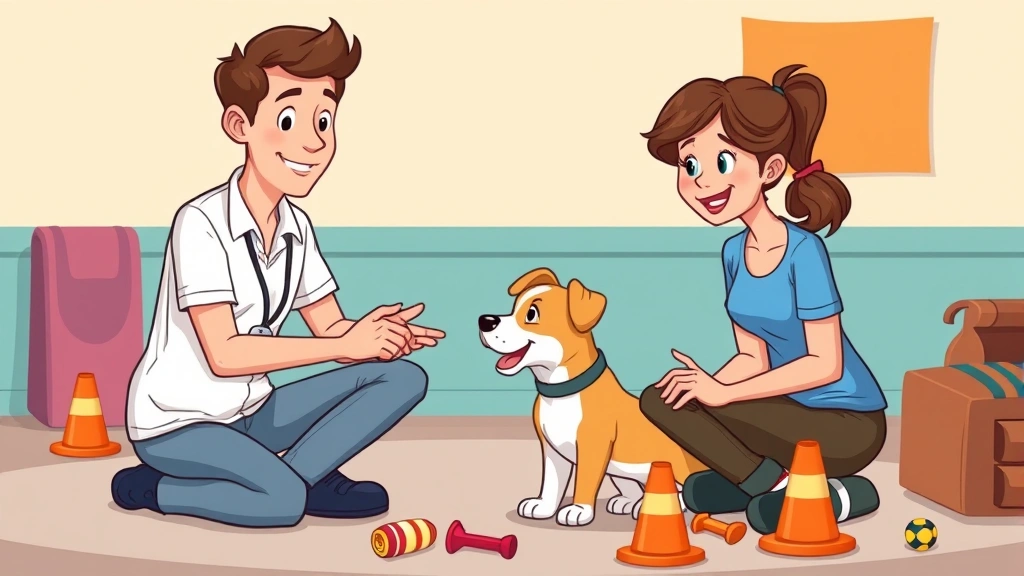
Group classes are great for basic dog obedience training and socialization. One-on-one training is better for behavioral issues or dogs with specific challenges. Board-and-train programs are intensive but expensive—make sure you understand what happens after your dog comes home. Training doesn’t stick if you don’t maintain it.
According to ASPCA guidance on dog training, the best results come when the owner is actively involved in the training process. A trainer can teach your dog, but you’re the one who lives with them. You need to understand what’s being taught so you can reinforce it.
One more thing: if a trainer promises instant results or uses fear-based methods, find someone else. Real dog obedience training takes time and shouldn’t involve your dog being scared.
Frequently Asked Questions
How long does it take to train a dog?
– It depends on the dog and what you’re training. Basic commands like “sit” can take a few days to a couple of weeks. A solid “come” might take months. Behavioral issues can take longer. The key is consistency—dogs trained daily progress faster than dogs trained sporadically. Think of it like learning a language. Immersion works better than a class once a week.
Can you train an older dog?
– Absolutely. Adult and senior dogs can learn new commands just fine. They might have ingrained habits that take longer to change, but their brains are still capable. I’ve successfully trained 10+ year old dogs. The approach is the same: patience, consistency, and positive reinforcement. Older dogs sometimes learn faster because they have more impulse control than puppies.
What’s the best reward for dog obedience training?
– Whatever your dog loves most. High-value treats work for food-motivated dogs. Toys work for play-motivated dogs. Some dogs just want praise and physical affection. Figure out what gets your dog excited and use that. You might need different rewards for different situations—treats for learning new commands, toys for maintenance practice.
Why does my dog listen at home but not at the park?
– Your dog hasn’t generalized the command to different environments. Training needs to happen in multiple places—your yard, the park, the vet’s office, etc. Start in low-distraction areas and gradually increase distractions. Also, make sure your rewards are high-value in distracting environments. A boring treat won’t compete with squirrels.
Is it ever too late to start dog obedience training?
– No. Dogs can learn at any age. Puppies learn faster, but adult dogs are absolutely trainable. If you have a rescue or an older dog, you might need more patience, but it’s doable. Some adult dogs actually learn faster because they have better impulse control and focus than puppies.
Should I use a crate during dog obedience training?
– Crates are a tool, not a punishment. A properly introduced crate gives your dog a safe space and helps with housetraining. But a crate alone doesn’t teach obedience. It’s part of the bigger picture. Make sure your dog sees the crate as positive—never use it as punishment. Understanding why dogs like to be pet and using that knowledge in training helps too. Physical affection and praise are powerful motivators.
What if my dog knows commands but chooses not to listen?
– That’s a motivation or distraction issue, not a knowledge issue. Your dog knows what “sit” means but the squirrel is more interesting. Go back to basics in low-distraction environments, use higher-value rewards, and practice more frequently. Also check—is your dog getting enough exercise? A tired dog is usually a more obedient dog. And make sure there’s no pain or medical issue causing the problem.
Can I train multiple dogs at the same time?
– You can, but it’s harder. Each dog needs individual attention. Group training works for basic commands, but for solid dog obedience training, one-on-one sessions are better. If you have multiple dogs, you might do group sessions for basics and individual sessions for specific issues. Also, dogs learn from each other, so having a well-trained dog can help teach a new one.
Is dog obedience training expensive?
– It depends on what you do. DIY training with books and online resources is basically free (minus treats). Group classes run $100-300 for a series. Private trainers charge $50-150 per hour. Board-and-train programs can be $1,000-5,000+. The investment is worth it if it prevents behavioral problems, keeps your dog safe, or helps you actually enjoy your dog. Prevention is cheaper than fixing a serious behavioral issue later.
Final Thoughts: Dog obedience training isn’t about creating a robot dog that blindly follows orders. It’s about building communication, trust, and a relationship where your dog understands what you need and you understand what they need. It takes time, consistency, and patience, but the payoff is a dog that’s safer, happier, and genuinely fun to live with. Start today. Pick one command. Spend 10 minutes. Celebrate when your dog gets it right. That’s all you need to begin. For more on understanding your dog’s behavior, check out why dogs lick everything and how to teach a dog to speak. And if you’re curious about your dog’s personality, find out what type of dog you have. Understanding your dog’s nature makes training easier and more effective.





