Your dog’s food bowl is one of the most important health decisions you make every single day. Yet most dog owners feel confused about what actually goes into that bowl. Is kibble enough? What about human food? Are there foods that could seriously hurt your dog? Real talk: getting dog on food right can be the difference between a vibrant, energetic companion and one dealing with digestive issues, weight problems, or worse.
I’ve worked in veterinary clinics for over a decade, and I’ve seen firsthand how the right nutrition transforms dogs. I’ve also seen how the wrong choices—even well-meaning ones—create preventable health problems. This guide breaks down everything you need to know about feeding your dog, from commercial options to homemade diets, and which human foods are actually safe.
Understanding Canine Nutrition Basics
Dogs are facultative carnivores. That means they evolved eating meat primarily, but they can digest and thrive on a mixed diet that includes carbs, fats, and plant material. Unlike obligate carnivores (cats), dogs have the enzymes to break down plant-based nutrients.
Here’s what every dog actually needs:
- Protein: Builds and repairs muscle, skin, and organs. Most adult dogs need 18% protein minimum; puppies and active dogs need 22%+.
- Fat: Energy source and supports skin/coat health. Adult dogs need at least 5% fat; some need more depending on activity level.
- Carbohydrates: Not essential (dogs can survive without them), but they provide energy and fiber. Quality matters—whole grains and vegetables beat corn filler.
- Vitamins and minerals: Calcium, phosphorus, zinc, vitamin A, vitamin D—these have precise ratios that matter. Too much or too little causes problems.
- Water: The most overlooked nutrient. Your dog needs fresh water constantly.
The Association of American Feed Control Officials (AAFCO) sets minimum standards for dog food in the U.S. When you see “AAFCO approved” on a label, it means the food meets baseline nutrition requirements. But baseline and optimal are different things.
Age matters too. A growing puppy needs different ratios than an adult dog, which needs different nutrition than a senior dog. A working dog needs more calories than a couch potato. Hydration is equally critical—dehydration sneaks up fast and causes serious problems.
Types of Commercial Dog Food
When you’re standing in the pet food aisle, the options feel endless. Let’s break down what you’re actually buying.
Dry Kibble
This is the most common choice, and for good reason: it’s affordable, convenient, and shelf-stable. Kibble goes through high-heat processing that kills pathogens and extends shelf life. The downside? That same heat can destroy some nutrients (which manufacturers add back in), and it’s less species-appropriate than whole-food diets.
Quality varies wildly. Premium kibbles use named meat sources (chicken, beef, fish) as the first ingredient. Budget brands often list “meat by-products” or “animal meal”—basically the parts left over after human food production. Your dog on food quality kibble will have better digestion, smaller stools, and shinier coat than cheap alternatives.
Wet/Canned Food
Higher moisture content (usually 70%+) makes this closer to what dogs ate historically. It’s easier for senior dogs or picky eaters to digest. The trade-off? Significantly more expensive per serving, and opened cans spoil quickly.
Many vets recommend a mix: kibble as the base with some wet food mixed in. This gives you affordability plus digestive benefits.
Fresh/Refrigerated Diets
Brands like The Farmer’s Dog offer fresh, minimally processed meals delivered to your door. These are nutritionally sound and highly palatable (dogs love them). The cost is steep—often 2-3x premium kibble—but some owners find the health improvements justify it.
Raw Diets
Raw feeding mimics what wild canines eat. Proponents report better coat, smaller stools, and cleaner teeth. The legitimate concerns: pathogenic bacteria (E. coli, Salmonella), nutritional imbalances if not formulated properly, and potential choking hazards. If you go raw, work with a veterinary nutritionist to balance it correctly. This isn’t a “throw raw chicken at it” situation.
Prescription Diets
For dogs with specific health conditions (kidney disease, food allergies, digestive issues), prescription diets formulated by veterinary nutritionists can be life-changing. Yes, they’re expensive. Yes, they’re worth it if your dog has a condition they address. Don’t skip the vet and try to self-prescribe.
How to Read Dog Food Labels Like a Pro
Labels are deliberately confusing. Here’s what actually matters:
The Ingredient List
Ingredients are listed by weight, with water included. So “chicken” (which is 60% water) will rank higher than “chicken meal” (which is concentrated protein) even if the meal provides more actual nutrition. This is a marketing trick.
Look for:
- Named meat sources (chicken, beef, salmon) in the first 2-3 ingredients
- Whole grains or legumes (brown rice, sweet potato, peas) rather than corn, wheat, or soy
- Minimal artificial colors, flavors, or preservatives
Avoid:
- “Meat by-products” or “animal meal” (you don’t know what’s in it)
- BHA, BHT, or ethoxyquin (outdated preservatives)
- Excessive fillers that provide calories but little nutrition
The Guaranteed Analysis
This tells you minimum protein/fat and maximum fiber/ash. Here’s the reality: minimums are floor values. A food meeting the 18% protein minimum for adults is technically adequate, but your dog might thrive on 25%+.
The ash percentage is important too—it’s mineral content. Higher ash (over 8%) usually means lower quality ingredients.
AAFCO Statement
Look for “complete and balanced” for your dog’s life stage (puppy, adult, senior). This means the food meets minimum nutritional standards. Again, minimum standards, not optimal.
Calorie Content
Buried on the label (if listed at all), calorie content is crucial for weight management. A typical adult dog needs 25-30 calories per pound of body weight daily, adjusted for activity level and metabolism. Your 50-pound dog might need 1,250-1,500 calories daily, but that varies.
Human Foods: What’s Safe and What’s Dangerous
This is where I get the most questions. People want to share their food with their dogs—it’s natural. The key is knowing what’s actually safe.
Safe Human Foods for Dogs
These are fine as occasional treats (no more than 10% of daily calories):
- Cooked chicken or turkey: Plain, no seasoning, no skin. Great protein source.
- Beef: Cooked, lean, plain. Ground or chunks both work.
- Eggs: Cooked or raw (some debate here, but cooked is safest). Complete protein.
- Fish: Cooked salmon or white fish. Remove all bones. Good omega-3s.
- Carrots: Raw or cooked. Low calorie, good for teeth.
- Green beans: Cooked, plain, no seasoning.
- Sweet potato: Cooked, plain. Great for digestion.
- Pumpkin: Plain canned pumpkin (not pie filling) is a digestive miracle for constipation or loose stools.
- Apples: Remove seeds. Good treat, some fiber.
- Peas: Cooked or frozen. Protein and fiber.
- Watermelon: Remove seeds and rind. Hydrating, low calorie.
Dangerous Foods—Absolutely Avoid
Chocolate: Theobromine is toxic to dogs. Dark chocolate is worse than milk chocolate. Even small amounts can cause vomiting, diarrhea, tremors, or heart issues. Baking chocolate is the most dangerous.
Grapes and raisins: Cause acute kidney failure in dogs. The mechanism isn’t fully understood, but it’s real and well-documented. Even a handful of raisins can be dangerous. If your dog eats them, call your vet immediately.
Onions and garlic: Both contain compounds that damage red blood cells, causing hemolytic anemia. Garlic is more concentrated, so it’s worse. Cooked or raw, both are dangerous.
Xylitol (artificial sweetener): Found in sugar-free gum, peanut butter, and some baked goods. Causes rapid insulin release and severe hypoglycemia. Can be fatal. Always check peanut butter labels for xylitol.
Avocado: Contains persin, which can cause vomiting and diarrhea. The pit is also a choking hazard.
Macadamia nuts: Cause weakness, tremors, and hyperthermia. Even small amounts are problematic.
Alcohol: Ethanol is toxic to dogs. A small amount of beer or wine can cause serious issues.
Caffeine: Coffee, tea, energy drinks—all toxic. Affects the heart and nervous system.
Raw or undercooked meat: Risk of bacterial contamination (E. coli, Salmonella, Listeria). If you feed raw, source from reputable suppliers and handle carefully.
Bones: Cooked bones splinter and can perforate the GI tract. Raw bones are safer but still carry choking risk. Supervise always.
High-sodium foods: Processed human foods, salty snacks, cured meats. Too much sodium causes thirst, urination, and can damage kidneys over time.
Fatty foods: Bacon, fatty meats, fried foods can trigger pancreatitis—a painful, sometimes fatal condition. Even one meal can cause it in susceptible dogs.
Soup broths: Many chicken noodle soups and broths contain onion or garlic, plus excess sodium. Check ingredients carefully.
Pro Tip: When in doubt, don’t give it. Your dog doesn’t need variety. They’re happy with the same food daily. If you want to add something, stick to the safe list and keep portions tiny.
Special Diets for Health Conditions
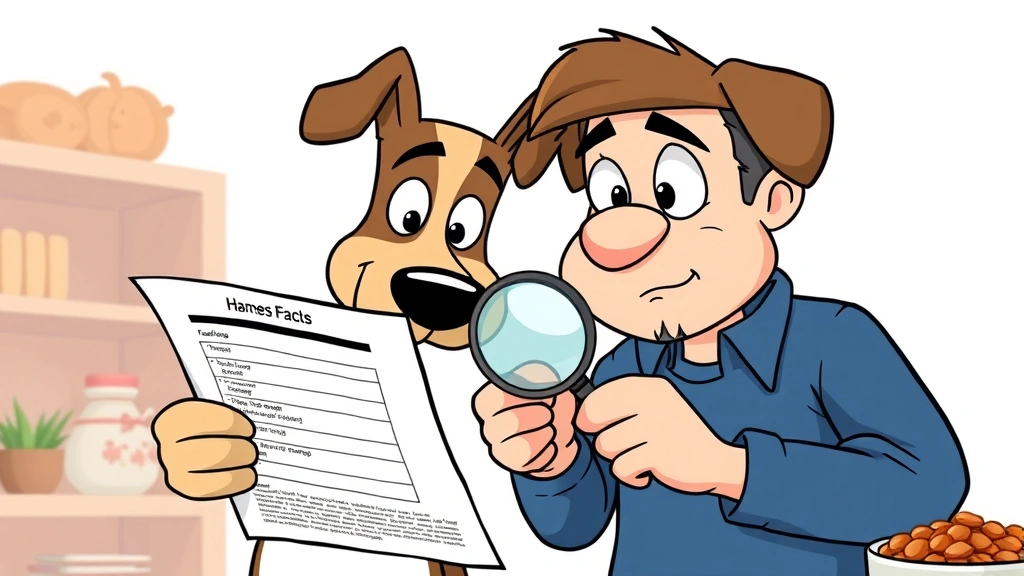
Some dogs need customized nutrition because of their health status.
Food Allergies and Sensitivities
True food allergies (immune response) are less common than sensitivities (digestive upset). Common culprits are beef, chicken, dairy, wheat, and soy—though any ingredient can cause problems.
If you suspect a food issue, work with your vet. An elimination diet (feeding a limited ingredient food for 8-12 weeks) is the gold standard for diagnosis. Don’t guess and switch foods randomly—you’ll never figure out the trigger.
Limited ingredient diets or novel protein diets (venison, duck, kangaroo) can help. Prescription hydrolyzed protein diets break down proteins into amino acids so small the immune system doesn’t react.
Kidney Disease
Dogs with chronic kidney disease need lower protein and phosphorus to reduce workload on failing kidneys. Prescription diets are specifically formulated for this. Your vet will recommend one based on your dog’s kidney values.
Diabetes
High-protein, low-carb diets help manage blood sugar and can sometimes lead to remission. Some dogs actually go off insulin with dietary changes. Work with your vet and consider a veterinary nutritionist.
Obesity
More than half of dogs are overweight. Weight loss requires fewer calories, but your dog still needs nutrition. Low-fat, high-fiber diets increase satiety without excess calories. Portion control is non-negotiable.
Digestive Issues
Bland, easily digestible foods (plain chicken and rice) help during flare-ups. For chronic issues, limited ingredient or prescription digestive diets can prevent future problems. Knowing how long your dog can safely go without food matters if they’re refusing meals.
Feeding Schedules and Portion Control
How often you feed matters as much as what you feed.
Puppies (8 weeks to 6 months)
Feed 3-4 times daily. Puppies have fast metabolisms and small stomachs. Frequent meals prevent hypoglycemia and support growth.
Puppies (6 months to 1 year)
Switch to 2 meals daily. Growth is still rapid, so food portions are higher than adult dogs.
Adult Dogs (1-7 years)
Most thrive on 2 meals daily. This prevents bloat (a life-threatening emergency in large breeds) and keeps metabolism steady. One meal daily is fine if your dog tolerates it, but two is safer.
Senior Dogs (7+ years)
Stick with 2 meals daily. Older dogs sometimes have less appetite, so smaller, more frequent meals help maintain weight and nutrition.
Portion Control
The feeding guide on your dog food bag is a starting point, not gospel. Every dog’s metabolism is different. A 50-pound dog might need 1,200 calories or 1,600 calories depending on age, activity, and metabolism.
Here’s the real test: You should feel their ribs easily when you run your hands along their sides, but not see them prominently. Their waist should be visible from above. If you can’t feel ribs, your dog is overweight.
Measure food with a kitchen scale or measuring cup. Free-feeding (leaving food out all day) almost always leads to obesity. Portion control is boring but effective.
Safety Warning: Large and giant breed dogs (German Shepherds, Great Danes, Labs) are prone to bloat (gastric dilatation-volvulus). Feed them 2-3 smaller meals daily rather than one large meal. Avoid exercise immediately after eating. This can be life-saving.
Homemade and Raw Diets: What You Need to Know
Homemade diets appeal to owners who want total control over ingredients. Raw diets appeal to those seeking evolutionary nutrition. Both require serious commitment to get right.
Homemade Cooked Diets
The appeal is obvious: you know exactly what goes in. The problem? Most homemade diets are nutritionally incomplete or imbalanced. Studies show 95%+ of home-prepared diets lack essential nutrients in proper ratios.
If you want to feed homemade, work with a board-certified veterinary nutritionist (find them at ACVN.org). They’ll formulate a recipe balanced for your dog’s age, size, and health status. It costs money upfront, but prevents expensive health problems later.
A basic homemade diet structure:
- 40-50% lean protein (chicken, beef, fish)
- 30-40% carbs (rice, sweet potato, oats)
- 10-15% vegetables (carrots, green beans, spinach)
- Vitamin/mineral supplement (calcium, phosphorus, vitamins A, D, E, B complex)
Without supplements, homemade diets will cause deficiencies. This isn’t optional.
Raw Diets
Raw feeding is more controversial. Legitimate concerns:
- Bacterial contamination: Raw meat can harbor E. coli, Salmonella, and Listeria. Your dog’s stomach acid kills most pathogens, but not all. You’re also at risk handling raw meat.
- Nutritional imbalance: DIY raw diets are often missing essential nutrients. Organ meat ratios, calcium-to-phosphorus balance, and vitamin levels matter.
- Choking and blockage: Bones can lodge in the throat or perforate the GI tract.
If you choose raw, use a commercially formulated raw diet (reputable brands test for pathogens and balance nutrition) rather than DIY. Supervise feeding, handle meat safely, and be aware of risks.
Some dogs genuinely thrive on raw diets. Others get sick. It’s not universally better—it’s individual.
Switching Foods Without GI Upset
Abrupt food changes cause vomiting, diarrhea, and digestive upset. Your dog’s gut bacteria need time to adjust.
The Transition Schedule
Transition over 7-10 days:
- Days 1-2: 75% old food + 25% new food
- Days 3-4: 50% old food + 50% new food
- Days 5-6: 25% old food + 75% new food
- Days 7+: 100% new food
If your dog has a sensitive stomach, extend this to 14 days. If diarrhea develops, slow the transition even more.
Special Considerations
Some dogs (especially those with inflammatory bowel disease or pancreatitis history) need even slower transitions. If your dog has a history of digestive issues, talk to your vet before switching.
Mixing wet food with kibble during transition can help palatability and digestion.
Frequently Asked Questions
How much should I feed my dog daily?
– Start with the feeding guide on your food bag, then adjust based on your dog’s body condition. A 50-pound adult dog typically needs 1,200-1,600 calories daily, but this varies. Weigh your dog monthly and adjust portions if weight changes. Your vet can calculate exact needs based on age, activity, and metabolism.
Is grain-free food better for dogs?
– Not necessarily. Grain-free doesn’t mean healthier—it just means no grains. Many grain-free foods substitute legumes (peas, lentils) which are fine, but some have been linked to heart issues in certain breeds. Unless your dog has a grain allergy (rare), grain-inclusive foods with quality ingredients are fine. Don’t choose grain-free just for marketing hype.
Can I feed my dog the same food forever?
– Yes. Dogs don’t need variety like humans do. Feeding the same high-quality food throughout their life is perfectly fine and actually reduces digestive upset. Change only if there’s a medical reason or if your dog develops a food sensitivity.
What’s the best dog food brand?
– There’s no single “best” brand. The best food is one that meets AAFCO standards, uses quality ingredients, your dog tolerates well, and fits your budget. Premium brands (Royal Canin, Hill’s, Purina Pro Plan) have veterinary nutritionists formulating recipes. Budget brands vary wildly in quality. Read labels, check ingredients, and watch your dog’s coat, energy, and digestion.
Should I add supplements to my dog’s food?
– If you’re feeding a complete and balanced commercial diet, supplements are usually unnecessary. If you’re feeding homemade or raw, supplements (especially calcium and vitamins) are essential. Ask your vet or a veterinary nutritionist—don’t guess. Too much of some vitamins (like vitamin A or D) is actually toxic.
Is it okay to give my dog table scraps?
– Small amounts of safe foods are fine (under 10% of daily calories). But feeding from the table encourages begging and can lead to obesity. If you want to share, set aside plain portions before seasoning your own food. Avoid anything with garlic, onion, xylitol, or high salt/fat.
My dog won’t eat. Should I worry?
– It depends on duration and context. A healthy dog missing one meal is fine. Missing multiple meals, or loss of appetite combined with other symptoms (lethargy, vomiting, diarrhea), needs vet attention. Know how long your dog can safely go without food, but don’t wait—call your vet if appetite changes persist.
How do I know if my dog has a food allergy?
– True food allergies cause itching, skin issues, ear infections, or GI symptoms (vomiting, diarrhea). Diagnosis requires an elimination diet (8-12 weeks of limited ingredients) under vet supervision. Don’t just switch foods randomly—you’ll never identify the culprit. Your vet might recommend a prescription diet or refer you to a veterinary dermatologist.

Is wet food better than kibble?
– Both have pros and cons. Wet food is more hydrating and palatable; kibble is cheaper and more convenient. A mix of both is often ideal—kibble as the base with some wet food mixed in. Choose based on your dog’s preferences, your budget, and your dog’s health needs.
Should I feed my senior dog differently?
– Yes. Senior dogs (7+ years) often need fewer calories but more protein to maintain muscle mass. They may need joint supplements (glucosamine, omega-3s). Some benefit from prescription senior diets formulated for aging needs. Talk to your vet about adjusting food as your dog ages.