
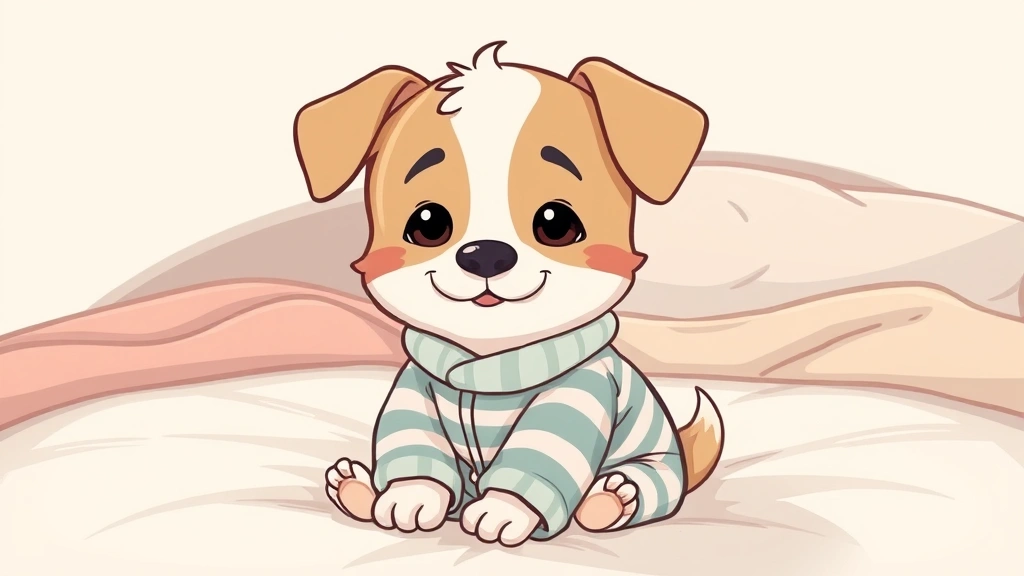
Let’s be honest—dog pajamas look ridiculously cute. But here’s the thing: they’re not just Instagram fodder. Dog pajamas serve real purposes beyond making your pup look like they’re ready for a sleepover. Whether your dog is shivering through winter, recovering from surgery, or dealing with sensitive skin, the right pajamas can make a genuine difference in comfort and health. I’ve seen countless dogs in my veterinary career who actually needed sleepwear, and I’ve also seen plenty of owners buy them just because, well, they’re adorable. Both reasons are valid. This guide covers everything you need to know about selecting, fitting, and caring for dog pajamas—so your furry friend stays cozy and you stay informed.
Why Dogs Actually Need Pajamas
Before you think I’m just pushing cute dog fashion, let me be clear: some dogs genuinely need pajamas. Others? They’re fine without them. The difference matters.
Dogs with thin coats—think Chihuahuas, Italian Greyhounds, and Whippets—lose body heat quickly. They’re not being dramatic when they shiver in 60-degree weather. Their bodies just don’t have the insulation that a Golden Retriever’s double coat provides. Senior dogs also struggle with temperature regulation as they age. Their metabolic rate drops, and they can’t generate heat as efficiently. I’ve had elderly Dachshunds come in during winter looking miserable, and once their owners added pajamas to their routine, the difference was noticeable.
Then there’s the medical side. Dogs recovering from surgery often have shaved patches where incisions were made. Those areas are vulnerable. Dog pajamas protect surgical sites from dirt, reduce the urge to lick at stitches, and help maintain body temperature during the critical healing phase. Dogs with skin conditions—allergies, dermatitis, or infection—benefit from the barrier protection. And anxiety? Some dogs genuinely seem calmer in snug-fitting pajamas, similar to how weighted blankets work for humans.
Climate matters too. If you live somewhere cold and your dog spends time outside, sleepwear isn’t optional—it’s necessary. But if your pup is a couch potato in a climate-controlled home? Pajamas are more about style than survival.
Types of Dog Pajamas
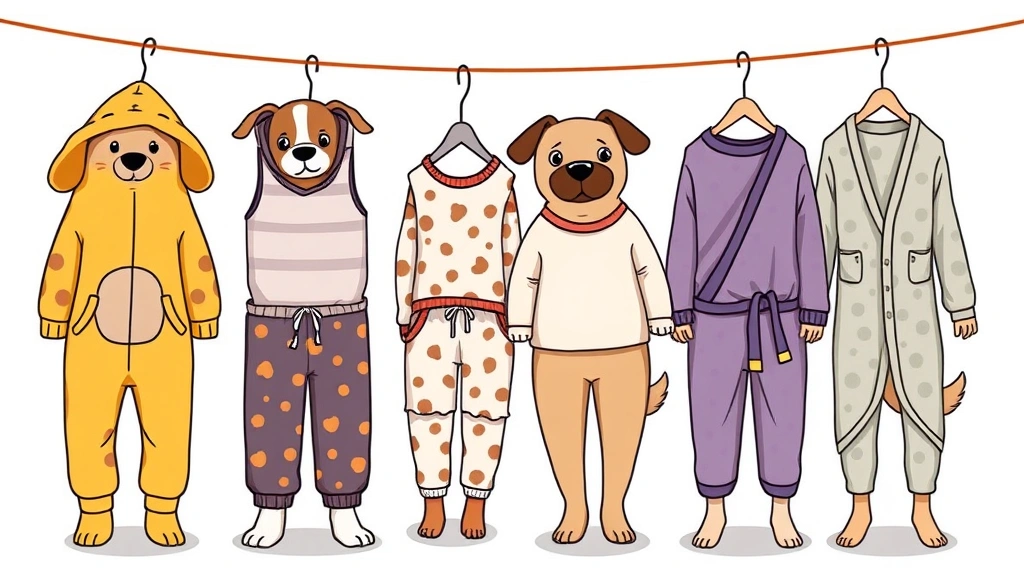
Not all dog pajamas are created equal. Here’s what you’ll find when shopping:
- Full-body onesie style: Covers front legs, back legs, and torso. Best for maximum coverage and protection. Great for post-surgical dogs and those with widespread skin issues.
- Tank-top and shorts combo: Lighter coverage, more breathable. Good for mild cold or dogs who overheat easily. Less restrictive for active pups.
- Thermal or fleece-lined: Designed specifically for warmth. Thicker material, heavier weight. Perfect for winter or cold-climate dogs.
- Cooling pajamas: Yes, they exist. Made from moisture-wicking fabrics for dogs prone to overheating. Useful for senior dogs or those with certain health conditions.
- Wrap-around styles: Secured with velcro or snaps rather than pulling over the head. Ideal for dogs with mobility issues or anxiety about getting dressed.
- Adaptive or post-surgical pajamas: Designed with openings for drainage tubes, medication patches, or cast access. Medical-grade options available through veterinary suppliers.
The best type depends on your dog’s specific needs. A Pomeranian in Minnesota needs different pajamas than a Boxer in Los Angeles. Think about your climate, your dog’s coat type, and their lifestyle before choosing.
Sizing and Fit: Getting It Right
Here’s where most people mess up: they guess at size. Don’t do that. Ill-fitting dog pajamas are uncomfortable, restrictive, and can actually cause problems.
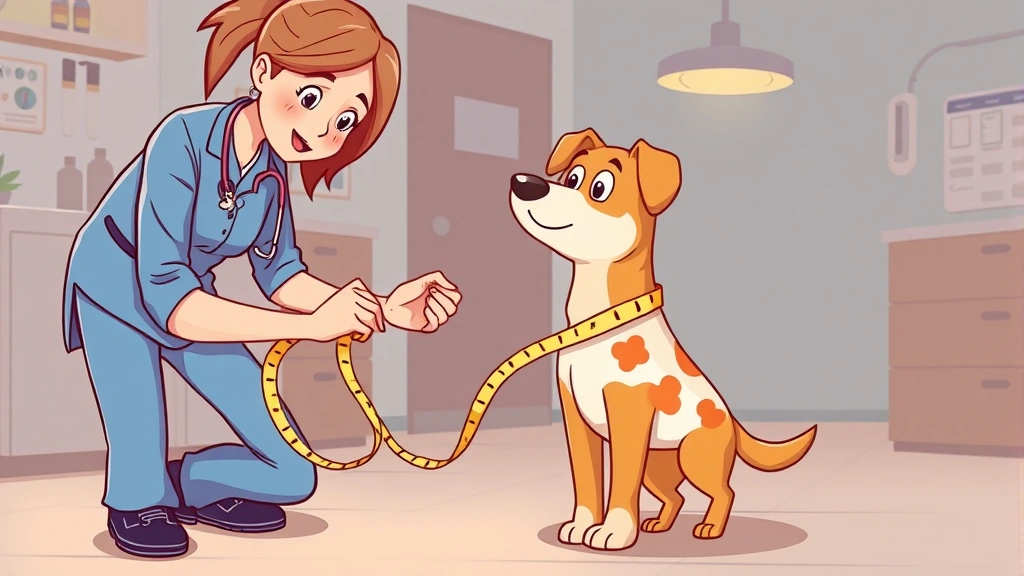
Measure your dog properly. You’ll need:
- Neck: Measure around the base of the neck where a collar sits. The pajama neckline should fit snugly but not tight—you should fit one finger between the fabric and skin.
- Chest: Measure around the widest part of the ribcage, just behind the front legs. This is the most critical measurement.
- Back length: Measure from the base of the neck to the base of the tail. This determines if the pajamas will cover the entire back or leave gaps.
- Belly length: Measure from the chest to the hind legs. Important for full-body coverage.
Write these measurements down and compare them to the sizing chart—every brand is different. A size Small from one company might be completely different from another’s. When in doubt, go one size up rather than down. Tight pajamas restrict movement and cause chafing. Loose pajamas bunch up and lose their protective benefit.
Watch for these fit issues: pajamas that pull at the shoulders, gaps at the chest, or legs that are too long (tripping hazard). The waistband should sit naturally without digging in. If your dog walks funny in their pajamas, the fit is wrong.
Health and Comfort Benefits
Beyond looking adorable, quality dog pajamas offer legitimate health advantages.
Temperature regulation: This is the big one. According to research from the American Kennel Club, small-breed dogs and those with thin coats can lose body heat rapidly in cold environments. Pajamas help maintain core body temperature, reducing stress on the cardiovascular system. Senior dogs especially benefit—hypothermia is a real risk for older dogs in winter.
Wound and surgical site protection: After surgery, your vet will likely recommend keeping the incision clean and dry. Dog pajamas act as a physical barrier against dirt, bacteria, and your dog’s own teeth. They also reduce the visual reminder of the incision, which can help decrease the urge to lick or chew at stitches. This is huge for post-operative recovery.
Skin condition management: If your dog has allergies, dermatitis, or other skin issues, pajamas reduce environmental irritants from touching affected areas. They also provide a layer of protection if your vet has prescribed topical medications that you don’t want your dog rubbing off on furniture or bedding.
Anxiety reduction: The gentle pressure from snug-fitting pajamas can have a calming effect. Some dogs with separation anxiety or noise phobia show measurable improvement when wearing fitted sleepwear. It’s not a cure-all, but combined with other strategies like bonding activities, it can help.
Reduced shedding on furniture: This is the practical benefit owners love. Dog pajamas contain loose hair, which means less vacuuming. If your dog has seasonal shedding issues (like our Dachshund friends), pajamas can significantly reduce the tumbleweeds of fur rolling across your floors.
Pro Tip: If your dog is recovering from surgery or dealing with a skin condition, ask your vet specifically about pajama recommendations. Some vets have preferences based on your dog’s particular situation. They might even have medical-grade options available.
Choosing the Right Materials
Material matters more than you’d think. The wrong fabric can irritate skin, trap moisture, or fail to provide adequate warmth.
Cotton: Breathable and soft. Good for mild climates or dogs with sensitive skin. Not ideal for serious cold or high-moisture environments. Tends to absorb moisture rather than wick it away.
Fleece: Warm, lightweight, and soft. Excellent for cold weather. The downside? Some fleece pills easily, and it can trap moisture against the skin if your dog gets wet or sweaty. Look for high-quality fleece that’s been treated to resist pilling.
Polyester blends: Often the sweet spot. Combines durability with moisture-wicking properties. Easier to clean than pure cotton. Good for active dogs or those who might get messy.
Merino wool: Premium option. Naturally temperature-regulating, moisture-wicking, and antimicrobial. More expensive, but worth it for dogs with sensitive skin or those in variable climates. Requires careful washing to avoid shrinking.
Specialty fabrics: Some brands offer cooling fabrics designed to dissipate heat for dogs prone to overheating. Others use moisture-wicking athletic materials. These are worth considering if your dog has specific needs.
Avoid materials that are overly stiff, synthetic fabrics that don’t breathe, or anything with loose seams. Read reviews—other dog owners will tell you if pajamas fall apart after a few washes or cause irritation.
Seasonal Considerations
Your dog pajamas strategy should change with the seasons. This isn’t overthinking it; it’s actually practical.
Winter: This is peak pajama season for cold-climate dogs. Go for thermal-lined, fleece, or wool options. Thicker materials, insulated designs. Your dog might wear pajamas most of the day if you live somewhere genuinely cold. Make sure they can still move comfortably—thick pajamas that restrict movement defeat the purpose.
Spring and fall: Transition seasons are tricky. Lightweight cotton or thin polyester blends work well. Your dog might wear pajamas only at night or during outdoor time. This is when fit becomes even more important because you’re layering less material.
Summer: Most dogs don’t need pajamas in summer. The exception? Dogs recovering from surgery or those with severe skin conditions where you need the protection regardless of temperature. In that case, cooling pajamas or ultra-lightweight options are your friend. Never use heavy pajamas in hot weather—you risk overheating.
Consider also whether your dog spends time outdoors. An indoor dog in a heated home needs different pajamas than one who goes outside regularly. Dogs can experience sun damage, and some lighter-colored dogs benefit from UV-protective pajamas during outdoor time.
How to Put On Dog Pajamas
This sounds simple but it’s where a lot of people create unnecessary stress for their dogs. Here’s the right way:
- Start with a calm environment: Don’t chase your dog around trying to put on pajamas. Sit on the floor or couch. Make it a positive experience.
- Let them sniff and inspect: Let your dog investigate the pajamas first. This reduces anxiety about something new touching their body.
- For pull-over styles: Gently gather the fabric. Start with the front legs—slip one front leg in at a time. Then the back legs. Finally, pull gently over the head. Go slow. If your dog seems stressed, stop and try again later.
- For wrap-around styles: These are easier for anxious dogs. Wrap around the body and secure with velcro or snaps. No pulling over the head required.
- Check the fit immediately: Once on, verify that nothing is twisted, too tight, or restricting movement. Your dog should be able to walk, sit, and lie down comfortably.
- Reward heavily: Treats, praise, playtime. Make wearing pajamas a positive association. This is especially important if you’re planning to use them regularly.
- Keep the first session short: Five to ten minutes wearing pajamas for the first time. Gradually increase duration as your dog gets comfortable.
Some dogs take to pajamas immediately. Others need several days of gradual introduction. Be patient. If your dog is genuinely distressed after multiple attempts, they might not be a pajama dog—and that’s okay. Not every dog needs them, and forcing uncomfortable clothing on a stressed dog isn’t worth the cute factor.
For dogs with mobility issues or anxiety, learning proper dressing techniques is especially important. Take your time, and consider asking your vet for guidance if your dog has physical limitations.
Care and Maintenance
Your dog pajamas need proper care to last and stay hygienic.
Washing: Check the manufacturer’s instructions first. Most dog pajamas can be machine-washed in cold water on a gentle cycle. Use mild detergent—nothing with heavy perfumes or bleach. Avoid fabric softener, which can irritate skin and reduce the water-wicking properties of technical fabrics.
Drying: Air-dry when possible. High heat can damage elastic, shrink materials, and reduce the lifespan of the pajamas. If you use a dryer, use low heat. Some materials like wool should always be air-dried.
Frequency: How often you wash depends on use. If your dog wears pajamas all day, wash them 2-3 times per week. If only at night or occasionally, once weekly is fine. Wash more frequently if your dog has skin conditions—you don’t want bacteria building up in the fabric.
Inspection: Before each use, check for loose seams, worn elastic, or damage. Damaged pajamas can catch on skin or become a choking hazard. Replace when necessary.
Storage: Keep clean, dry pajamas in a cool place. Avoid storing in damp areas where mold or mildew can develop. If your dog has skin conditions, consider storing pajamas separately from other laundry to avoid cross-contamination.
Safety Warning: Never leave pajamas on unsupervised dogs for extended periods, especially if they’re prone to chewing. Ingested fabric can cause intestinal blockages—a serious and expensive emergency. Remove pajamas during extended crate time or when you can’t watch your dog.
Frequently Asked Questions
Are dog pajamas actually necessary, or are they just for fun?
– It depends on your dog. Small-breed dogs, seniors, and those with thin coats often genuinely benefit from pajamas in cold weather. Dogs recovering from surgery or dealing with skin conditions need them for protection. But a healthy, well-insulated dog in a warm climate? Pajamas are optional. They’re adorable either way, but necessity varies by individual dog and situation.
Can dog pajamas cause skin problems or irritation?
– Poorly fitting pajamas or those made from irritating materials can cause chafing and skin issues. This is why fit and material quality matter so much. If your dog develops redness, sores, or excessive scratching after wearing pajamas, discontinue use and talk to your vet. Some dogs have sensitivity to certain fabrics or dyes.
How do I know if my dog is too hot in pajamas?
– Signs of overheating include excessive panting, drooling, lethargy, or reluctance to move. If your dog shows these signs, remove the pajamas immediately. Remember that dogs regulate temperature differently than humans—they don’t sweat through skin like we do. When in doubt, go lighter on fabric weight or choose cooling materials.
Can I leave pajamas on my dog all day?
– It depends on the pajamas and your dog. Lightweight, breathable pajamas designed for all-day wear are fine. Heavy thermal pajamas should typically be removed during the warmest part of the day or if your dog is indoors in a heated home. Always monitor your dog for signs of overheating or discomfort. Never leave pajamas on during unsupervised periods if your dog is a chewer.
What if my dog refuses to wear pajamas?
– Some dogs simply don’t like the sensation of wearing clothes. That’s valid. Try wrap-around styles instead of pull-over designs. Introduce them gradually with lots of positive reinforcement. If your dog is genuinely distressed, forcing pajamas isn’t worth it—there are other ways to keep them warm or protect their skin. Talk to your vet about alternatives.
Do dog pajamas help with shedding?
– Yes, absolutely. Pajamas contain loose hair, which means less hair on your furniture and clothes. If your dog has seasonal shedding, wearing pajamas during heavy shedding periods can significantly reduce the amount of fur you’re cleaning up. This is one of the most practical benefits that owners appreciate.
Are expensive dog pajamas worth it?
– Not necessarily. You’re paying for material quality, durability, and sometimes brand recognition. A mid-range option from a reputable brand often outperforms a cheap knockoff that falls apart after three washes. But you don’t need to spend $100 on pajamas either. Find the sweet spot: decent quality, good reviews, reasonable price. Your dog doesn’t care about the brand name.
Can puppies wear dog pajamas?
– Yes, but be cautious. Puppies grow rapidly, so pajamas quickly become too small. You’ll be replacing them frequently, which gets expensive. Wait until your puppy is closer to adult size unless you have a specific reason (post-surgical, severe cold). Also, puppies are more likely to chew on pajamas, so supervise carefully.
What’s the difference between dog pajamas and dog sweaters?
– Pajamas typically cover more of the body, including legs and sometimes the belly. Sweaters usually cover just the back and sides. Pajamas are designed for sleeping and all-day wear, while sweaters are often for outdoor time or quick warmth. For post-surgical protection or comprehensive coverage, pajamas are better. For casual warmth, a sweater might suffice.
How do I prevent my dog from overheating in pajamas?
– Choose breathable materials. Avoid heavy fleece in warm weather. Remove pajamas during the warmest parts of the day. Monitor your dog’s behavior—panting, restlessness, or seeking cool surfaces indicates overheating. In summer, use cooling pajamas or skip them entirely unless medically necessary. When in doubt, ask your vet about appropriate fabric weights for your climate.





