
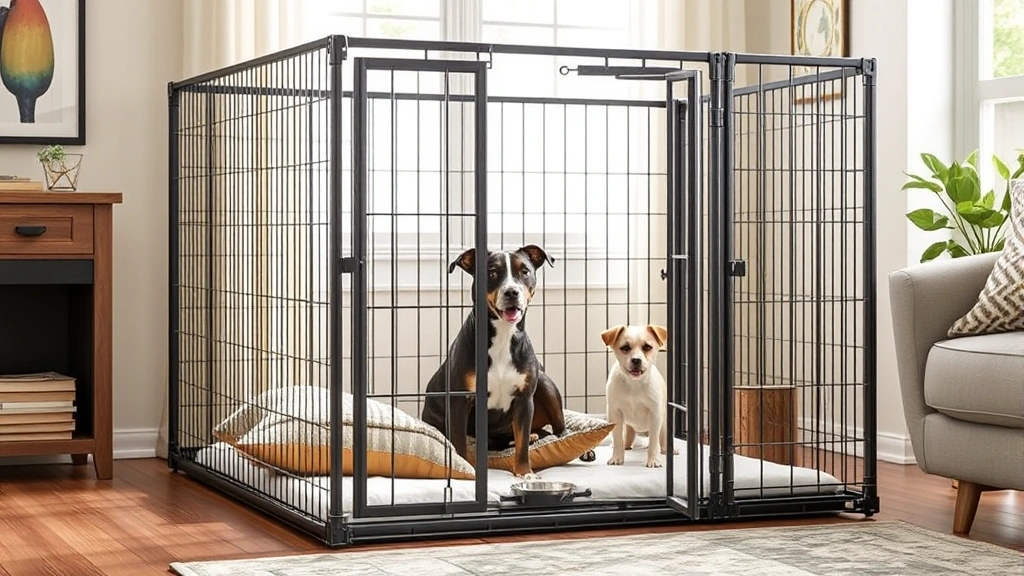
A dog panel kennel is one of the smartest investments you can make for your furry friend’s safety, comfort, and your own peace of mind. Whether you’re dealing with a rambunctious puppy, a senior dog who needs boundaries, or just want to create a secure space for your pup, understanding your panel kennel options is absolutely crucial. Let’s dive into everything you need to know about choosing the perfect setup for your canine companion.
Table of Contents
- What Exactly Is a Dog Panel Kennel?
- Why Every Dog Owner Should Consider a Portable Dog Exercise Pen
- Types of Dog Panel Kennels Available
- Sizing Your Dog Panel Kennel Correctly
- Setting Up Your Dog Panel Kennel for Maximum Comfort
- Training Your Dog to Love Their Panel Kennel Space
- Best Practices for Kennel Safety and Maintenance
- Choosing Between Indoor and Outdoor Dog Panel Kennels
- Dog Panel Kennels vs. Traditional Dog Crates: Which Is Better?
- Top Features to Look for When Shopping
- Common Mistakes Dog Owners Make with Panel Kennels
- Frequently Asked Questions
- Conclusion: Making the Right Choice for Your Dog
What Exactly Is a Dog Panel Kennel?
A dog panel kennel (also called a dog exercise pen or dog playpen) is a portable, modular enclosure made up of individual panels that connect together to create a safe, contained space for your dog. Think of it as a flexible fence system that you can configure however you want. These panels typically stand between 24 to 48 inches tall, depending on your dog’s size and jumping ability, and come in various materials like metal, plastic, or fabric.
The beauty of a dog panel kennel is its versatility. You can arrange it in a circle, square, rectangle, or L-shape depending on your space and needs. It’s perfect for indoor use, outdoor patios, camping trips, or even travel situations.
Why Every Dog Owner Should Consider a Portable Dog Exercise Pen
Let’s be real—not every dog owner has the luxury of a fenced-in yard. A portable dog exercise pen solves this problem beautifully. Whether you live in an apartment, have renters who won’t allow permanent fencing, or just need a temporary solution, a dog panel kennel provides secure containment without the commitment of building a permanent fence.
Beyond housing constraints, these enclosures are invaluable for training purposes. They help establish boundaries, prevent destructive behavior when you can’t supervise, and give your dog their own safe space. If you’re bringing home a new puppy or adopting a rescue dog, a dog panel kennel becomes your secret weapon for successful housebreaking and behavioral management.
For dogs with specific needs—like those recovering from surgery or senior dogs with mobility issues—a panel kennel creates a controlled environment that reduces stress and prevents accidents.

Types of Dog Panel Kennels Available
Not all dog panel kennels are created equal. Here are the main categories you’ll encounter:
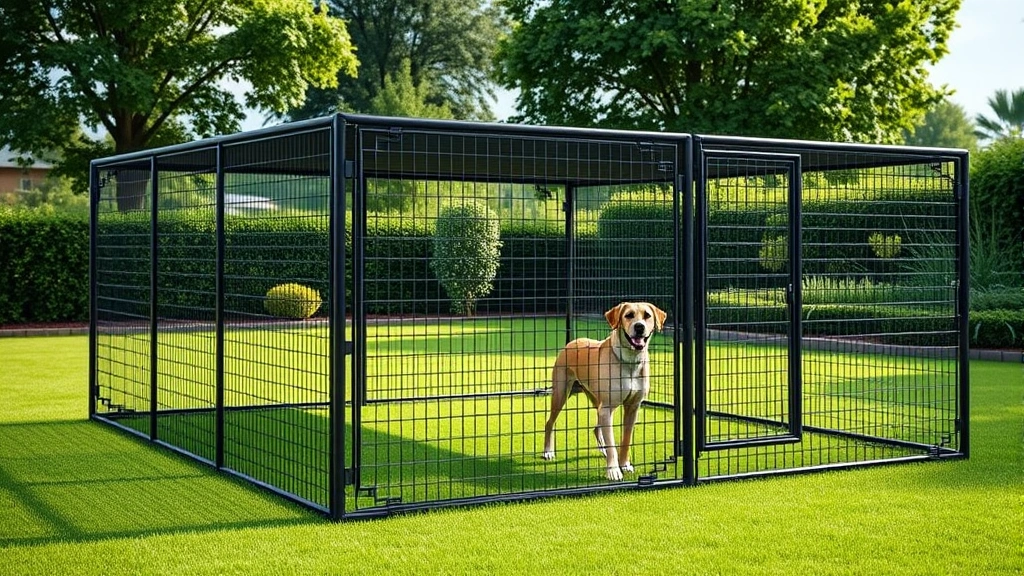
Metal Panel Kennels: These are the workhorses of the dog containment world. Heavy-duty metal panels (usually steel or aluminum) provide maximum durability and security. They’re ideal for larger, more powerful breeds and outdoor use. Metal kennels can withstand serious wear and tear, though they’re heavier and less portable than alternatives.
Plastic Panel Systems: Lightweight and easy to clean, plastic panels work great for smaller dogs and indoor spaces. They’re less intimidating aesthetically and often come in various colors. However, they’re not suitable for aggressive chewers or powerful dogs who might break through them.
Fabric Exercise Pens: These lightweight, collapsible options are perfect for travel and temporary setups. They’re affordable and easy to transport, but they offer less security than metal or plastic alternatives. Use these for well-behaved dogs in controlled environments.
Hybrid Systems: Some modern dog panel kennels combine materials—like metal frames with plastic or fabric panels—to balance durability with portability.
Sizing Your Dog Panel Kennel Correctly
Getting the right size is absolutely non-negotiable. A dog panel kennel should be large enough for your dog to stand, turn around, and lie down comfortably. As a general rule, the enclosure should be at least 1.5 times the length of your dog from nose to tail.
For small breeds (under 25 lbs), a 24-inch tall panel kennel is usually sufficient. Medium breeds (25-60 lbs) typically need 30-36 inch panels, while large and giant breeds require 42-48 inch panels. If your dog is a jumper or climber, go taller rather than shorter.
Consider your dog’s personality too. An anxious dog might feel better in a smaller, more enclosed space, while an energetic pup needs room to move around. The goal is creating a space that feels secure but not cramped.
Setting Up Your Dog Panel Kennel for Maximum Comfort
A dog panel kennel is just the frame—what you put inside determines whether your pup actually enjoys spending time there. Start with a comfortable bed or mat that fits the floor space. This gives your dog a designated “nest” and makes the space feel inviting rather than punitive.
Add water and food bowls (unless you’re using the kennel for training purposes where you want to control meal timing). Include a few safe toys to keep your dog mentally stimulated. Rotate toys regularly to maintain interest and prevent boredom.

For outdoor setups, provide shade and ensure good ventilation. Never leave a dog in a hot, exposed kennel. If you’re using it indoors, place it in a room where your dog can still see family activity—isolation breeds anxiety and destructive behavior.
Training Your Dog to Love Their Panel Kennel Space
Here’s where many dog owners fail: they treat the kennel as punishment rather than a safe haven. Your dog will resist a space they associate with negativity. Instead, make the kennel the most appealing place in your home.
Start by leaving the door open and tossing treats inside. Let your dog explore voluntarily. Feed meals inside the kennel with the door open. Gradually close the door for short periods while you’re present and rewarding calm behavior. Never force your dog in or use the kennel as a timeout.
For dogs with anxiety issues, consider covering three sides of the panel kennel with a blanket to create a den-like feel. This mimics natural den behavior and helps anxious dogs feel secure. Check out our guide on Catahoula Leopard Dog Personality for breed-specific behavioral considerations that might affect your training approach.
Best Practices for Kennel Safety and Maintenance
Safety should always be your top priority. Regularly inspect your dog panel kennel for sharp edges, loose connections, or damage. Metal panels can develop rust, especially outdoors, so check regularly and treat any rust spots promptly.

Ensure panels are securely connected—a determined dog can escape through loose joints. Test the stability by gently pushing on the structure. It should feel solid and immovable.
Keep the kennel clean by wiping down panels weekly and removing any debris or waste immediately. For outdoor kennels, consider a waterproof cover to protect against weather damage. This is especially important if you have a Coonhound Dog or other breed prone to outdoor adventures.
Never leave your dog unattended in a kennel for extended periods. Even the most comfortable setup isn’t meant for all-day confinement. Dogs are social creatures and need regular interaction, exercise, and bathroom breaks.
Choosing Between Indoor and Outdoor Dog Panel Kennels
Your living situation determines whether you need an indoor or outdoor solution. Indoor kennels are typically smaller, lighter, and often made from plastic or fabric. They integrate better with home décor and work great for apartment dwellers.
Outdoor kennels need to be more robust, weather-resistant, and secure. Metal panels are ideal for outdoor use because they withstand the elements and resist damage from determined escape artists. Make sure outdoor kennels have proper drainage and aren’t positioned where standing water accumulates.
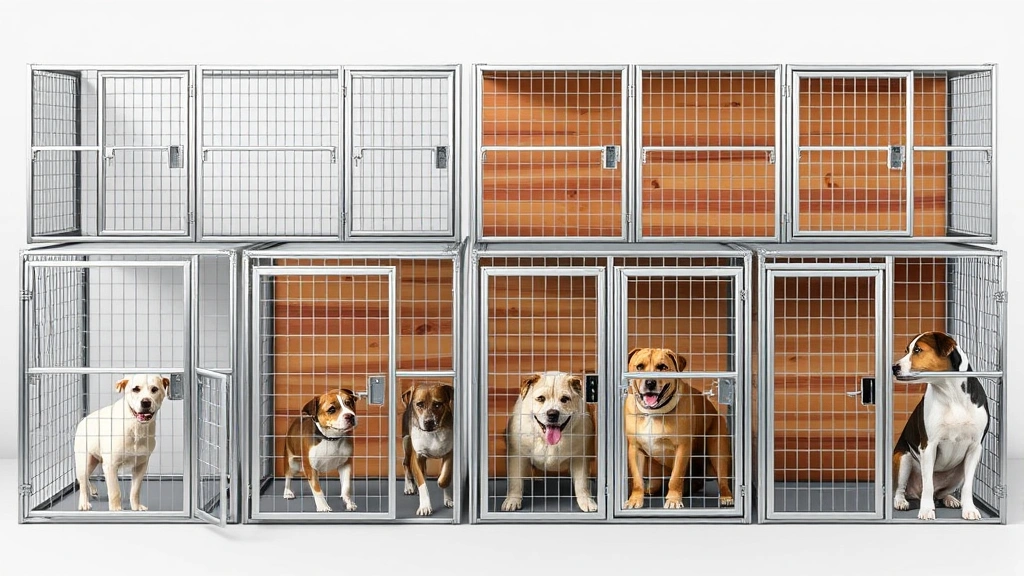
Some dog owners use both: a lightweight indoor pen for training and a sturdy outdoor kennel for yard time. This dual approach gives maximum flexibility and supports different training goals.
Dog Panel Kennels vs. Traditional Dog Crates: Which Is Better?
This is a common question, and the answer is: they serve different purposes. Traditional dog crates are smaller, designed for sleeping and creating a den-like space. They’re portable and great for vehicle travel or hotel stays.
Dog panel kennels are larger and meant for extended periods of containment while still allowing movement. A crate is your dog’s bedroom; a panel kennel is their playroom. Many dog owners use both as part of a comprehensive management system.
For training purposes, especially with puppies, a crate teaches bladder control through confinement. A panel kennel allows your dog to move around while still maintaining boundaries—perfect for when you’re home but can’t actively supervise.
Top Features to Look for When Shopping
When evaluating different dog panel kennel options, prioritize these features:

Durability: Look for heavy-gauge metal or high-quality plastic that won’t degrade quickly. Read reviews specifically about long-term durability.
Easy Assembly: You don’t want to spend an hour connecting panels every time you set up the kennel. Look for quick-connect systems or minimal tools required.
Portability: Consider weight and whether it comes with a carrying case. This matters if you plan to travel with your dog.
Expandability: Some systems let you add additional panels to increase the size. This is valuable if your needs change or you get a second dog.
Safety Features: Rounded corners, no sharp edges, and secure locking mechanisms are non-negotiable. Your dog’s safety depends on quality construction.
For comprehensive pet care beyond housing, check out our article on Pet Food Safety to ensure everything in your dog’s environment supports their wellbeing.
Common Mistakes Dog Owners Make with Panel Kennels
Understanding what NOT to do is just as important as knowing what to do. The biggest mistake is using the kennel as punishment. Your dog will develop kennel anxiety, making future training exponentially harder.
Another common error is overcrowding the space with too many toys or accessories. Your dog needs room to move, and excessive items can become hazards or create stress.
Many owners also underestimate their dog’s jumping ability or intelligence. A dog panel kennel that seems secure might not be if your pup is determined enough. Always go slightly taller than you think necessary, especially with athletic breeds.
Finally, don’t neglect maintenance. A rusty, dirty, or damaged kennel creates an unappealing space that your dog will actively avoid.

Frequently Asked Questions
How long can a dog stay in a panel kennel?
Adult dogs can safely stay in a panel kennel for 4-8 hours maximum, depending on age and training. Puppies need bathroom breaks every 2-3 hours. Never use a kennel as a substitute for proper exercise, socialization, and interaction. The kennel should be part of a balanced routine, not the primary living space.
Can I use a dog panel kennel outdoors year-round?
Metal dog panel kennels can be used outdoors year-round if properly maintained, but you must provide shelter from extreme weather. In winter, ensure your dog has access to warm bedding and shelter from wind and snow. In summer, provide shade and ensure adequate ventilation. Never leave your dog in an exposed kennel during extreme temperatures.
What size panel kennel do I need for a large breed?
Large breeds (60+ lbs) typically need a kennel with 42-48 inch tall panels and a floor space of at least 8×8 feet or larger. Measure your dog from nose to tail and ensure the kennel is at least 1.5 times that length. When in doubt, go bigger—a spacious kennel is always better than a cramped one.
Are dog panel kennels escape-proof?
Most quality dog panel kennels are escape-proof for average dogs, but determined, intelligent, or athletic dogs might find ways out. Ensure panels are securely connected, there are no gaps at the bottom, and the height is appropriate for your dog’s jumping ability. Some dogs require additional security measures like roof panels or weighted bases.
Can I leave my dog in a panel kennel overnight?
Adult dogs can sleep in a panel kennel overnight if properly trained, but puppies and senior dogs may need bathroom breaks. Make the kennel comfortable with bedding and ensure it’s in a temperature-controlled environment. This works best as part of a broader training plan, not as a permanent sleeping solution.
Conclusion: Making the Right Choice for Your Dog
A dog panel kennel is an invaluable tool for responsible dog ownership, but it’s not a one-size-fits-all solution. The best option depends on your dog’s size, temperament, your living situation, and your specific needs. Whether you choose a heavy-duty metal system for outdoor use or a lightweight portable option for travel, focus on quality, safety, and your dog’s comfort.
Remember that a panel kennel is meant to enhance your dog’s life, not restrict it. Combined with proper training, regular exercise, and plenty of interaction, a well-chosen dog panel kennel becomes a safe haven your dog actually enjoys. Take time to introduce it positively, maintain it properly, and adjust as your dog’s needs evolve.
For additional insights into creating a holistic pet care environment, explore our guides on Sustainable Pet Grooming and Zero Waste Pet Care to build a comprehensive approach to your dog’s wellbeing.
Your dog depends on you to make smart choices about their environment and safety. A quality dog panel kennel, chosen thoughtfully and used responsibly, is one of the best decisions you can make for your furry family member.





