
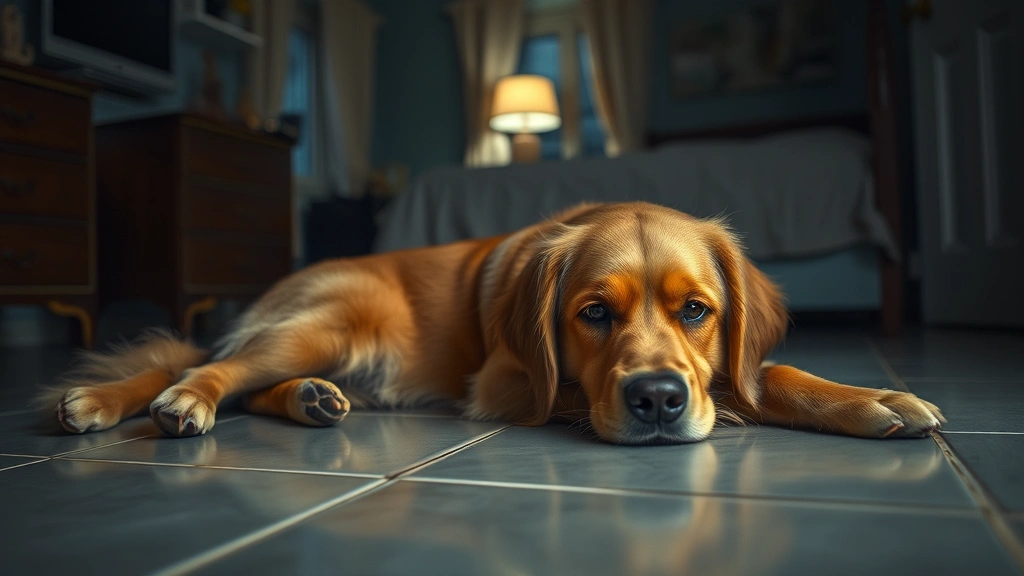
If your pup sounds like they’re running a marathon every time the sun goes down, you’re not alone—dog panting at night is one of the most common complaints I hear from pet parents. That heavy breathing, the constant huffing, the way they can’t seem to settle down… it’s enough to keep you both up until 3 AM wondering what’s going on in that furry little head of theirs.
Table of Contents
- Why Is Your Dog Panting at Night? The Real Culprits
- Solution #1: Cool Down the Sleep Environment
- Solution #2: Address Anxiety and Stress-Related Panting
- Solution #3: Evaluate for Pain and Orthopedic Issues
- Solution #4: Ensure Proper Hydration and Nutrition
- Solution #5: Rule Out Medical Conditions
- When to Call the Vet (Red Flags You Can’t Ignore)
- Practical Tips for Managing Nighttime Panting Right Now
- How to Tell If It’s Just Normal Dog Behavior
- Summary: Your Action Plan for Dog Panting at Night
- Frequently Asked Questions
Here’s the thing: not all nighttime panting is created equal. Sometimes it’s totally normal, sometimes it’s annoying but harmless, and sometimes it’s your dog’s way of saying “Hey, something’s actually wrong here.” The good news? We’re about to dig into exactly what causes it and how to fix it.
Why Is Your Dog Panting at Night? The Real Culprits
Before we jump into solutions, let’s talk about why dogs pant when the lights go out. Your dog’s respiratory system is basically their air conditioning unit—panting helps them regulate body temperature. But nighttime panting often signals something beyond just being warm.
Common reasons include anxiety, pain from joint issues, respiratory problems, or even something as simple as dehydration. Some dogs pant more as they age, especially if they’re dealing with joint health issues that flare up when they’re resting. The key is figuring out which category your dog falls into so you can actually fix the problem instead of just turning up the white noise machine.
Solution #1: Cool Down the Sleep Environment
Temperature is the most obvious culprit, and honestly, it’s the easiest fix. Dogs don’t sweat like we do—they rely on panting to cool themselves down. If your bedroom is warmer than a sauna, your pup’s going to sound like they just finished a 5K run.
Try dropping the room temperature to around 65-68°F (18-20°C). Invest in a cooling dog bed or even just a tile floor spot where they can sprawl out. Some pet parents swear by cooling vests or gel pads, especially for breeds with thick coats. You’d be amazed how quickly your dog settles down when they’re not overheating. If you notice your dog is panting excessively even in cool conditions, that’s when we move to the next solutions.
Solution #2: Address Anxiety and Stress-Related Panting
Let’s be real—some dogs are just anxious little worriers. Nighttime panting can be a sign of separation anxiety, fear of thunderstorms, or general nervousness. These pups need a multi-pronged approach.
Start with creating a safe space: a cozy crate, a designated bed, or a corner with their favorite toys and blankets. White noise or calming music (yes, there’s actually music designed for dogs) can work wonders. Consider calming supplements or treats that contain L-theanine or CBD (where legal). Some dogs respond amazingly to anxiety wraps or thundershirts. If the panting is severe, your vet might recommend short-term anti-anxiety medication to help your dog break the habit.
Solution #3: Evaluate for Pain and Orthopedic Issues
Senior dogs and those with arthritis often pant at night because lying down puts pressure on their joints. If your dog is getting up and down constantly, panting heavily, or seems uncomfortable settling in, pain could be the culprit.
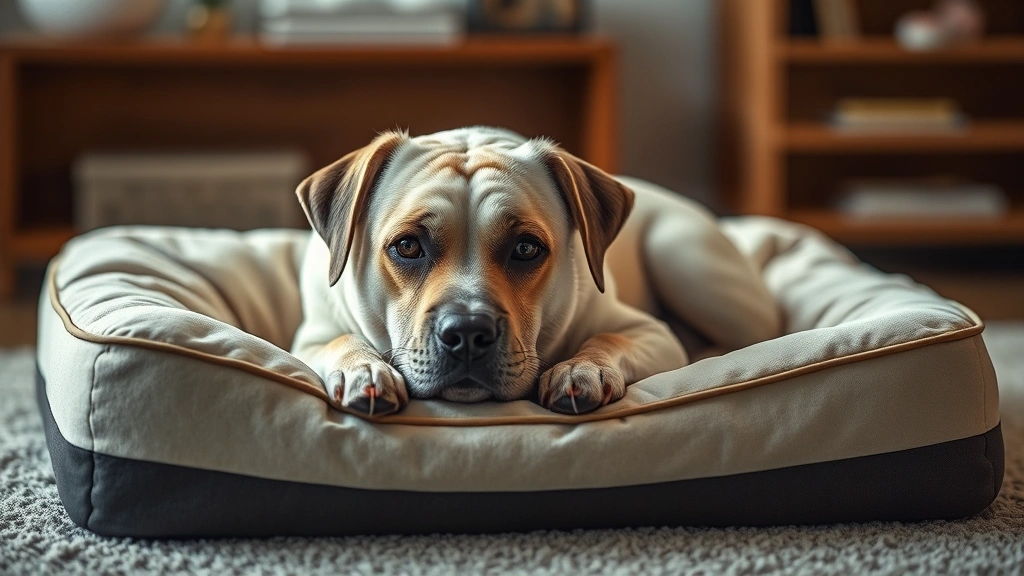
Talk to your vet about pain management options. This might include prescription medications, but also consider joint-supporting foods and supplements like glucosamine, chondroitin, and omega-3 fatty acids. Orthopedic dog beds with memory foam can make a huge difference—they reduce pressure points and help your dog rest more comfortably. Sometimes the simplest solution is just giving them a better place to sleep.
Solution #4: Ensure Proper Hydration and Nutrition
Dehydration can absolutely cause excessive panting. If your dog isn’t drinking enough water throughout the day, they’ll try to compensate at night with heavy breathing. Make sure fresh water is always available, especially before bedtime.
Also check your dog’s diet. Some dogs pant more when they’re on low-quality food or not getting enough nutrients. Hydrating foods like watermelon, cucumbers, and pumpkin can help boost their fluid intake naturally. If your dog is on medication, make sure they’re eating well—some medications can suppress appetite, which indirectly causes more panting.
Solution #5: Rule Out Medical Conditions
This is the big one. Excessive nighttime panting can signal respiratory issues, heart problems, thyroid disease, or other serious conditions. If your dog’s panting is new, sudden, or accompanied by other symptoms (lethargy, loss of appetite, coughing), get them to a vet ASAP.
According to the American Kennel Club, abnormal panting that doesn’t match the environment or activity level warrants professional evaluation. Your vet can run bloodwork, check their heart, and listen to their lungs to rule out anything serious. Respiratory infections and pneumonia are particularly common in older dogs and can cause nighttime panting. Don’t skip this step—it could literally save your dog’s life.
When to Call the Vet (Red Flags You Can’t Ignore)
Some panting is just annoying. Some panting is a medical emergency. Here’s how to tell the difference:
Call your vet immediately if your dog is: Panting rapidly (more than 40 breaths per minute at rest), panting with blue or pale gums, showing signs of distress or panic, unable to catch their breath, or panting along with vomiting, diarrhea, or lethargy. These could indicate heat stroke, heart disease, or respiratory failure.
Schedule a regular appointment if: The panting started recently without an obvious trigger, your dog seems uncomfortable or anxious, they’re older and this is new behavior, or the panting persists despite environmental changes.
Practical Tips for Managing Nighttime Panting Right Now
While you’re working on identifying the root cause, here are some immediate strategies:
- Establish a bedtime routine: A short walk, some calm play, and then settling down signals to your dog that it’s time to relax.
- Use white noise: A fan or white noise machine masks household sounds that might trigger anxiety-related panting.
- Keep the bedroom dark: Light can keep dogs alert and increase anxiety.
- Avoid heavy exercise before bed: Your dog needs time to cool down after activity.
- Try calming treats: Soft treats with calming ingredients can help, especially for senior dogs.
- Monitor water intake: Make sure they’re drinking enough during the day, but cut back slightly 2-3 hours before bed to reduce bathroom trips.
How to Tell If It’s Just Normal Dog Behavior
Let’s be honest—some dogs just pant more than others. Brachycephalic breeds (Bulldogs, Pugs, Boston Terriers) are notorious for heavy breathing because of their facial structure. Anxious breeds and high-energy dogs also pant more naturally. If your dog has always been a heavy breather and shows no other signs of distress, this might just be their normal.
The real concern is changes in behavior. If your dog suddenly started panting at night when they never did before, that’s worth investigating. If it’s accompanied by other symptoms, definitely see your vet. But if it’s just their quirky nighttime habit and they’re otherwise healthy and happy? You might just need to get used to the soundtrack.
Summary: Your Action Plan for Dog Panting at Night
Here’s what you need to do: First, rule out medical issues by scheduling a vet checkup. Second, optimize their sleep environment—cool, dark, comfortable. Third, address any anxiety or pain with appropriate interventions. Fourth, ensure they’re hydrated and well-nourished. And finally, be patient. Sometimes it takes a combination of approaches to solve the problem.
Remember, dog panting at night isn’t something you just have to live with. It’s your dog’s way of communicating that something needs attention, whether that’s a cooler room, less anxiety, or actual medical care. By taking these steps, you’ll not only help your pup sleep better—you’ll also get some peace and quiet yourself.
Frequently Asked Questions
Is it normal for dogs to pant at night?
Some panting is normal, especially in warm rooms or after activity. However, excessive or sudden nighttime panting isn’t typical and usually indicates something that needs addressing—whether it’s temperature, anxiety, pain, or a medical condition.
Can anxiety cause dogs to pant at night?
Absolutely. Anxiety is one of the most common causes of nighttime panting in dogs. Separation anxiety, fear of storms, or general nervousness can all trigger heavy breathing. Creating a calm environment and using anxiety-reducing techniques can help significantly.
What temperature should a dog’s bedroom be?
Most dogs are comfortable sleeping in rooms between 65-68°F (18-20°C). If your bedroom is warmer than this, your dog may pant excessively. Some dogs, especially those with thick coats, prefer it even cooler.
When is dog panting a sign of a serious problem?
Seek immediate veterinary care if your dog is panting rapidly (over 40 breaths per minute at rest), has pale or blue gums, shows signs of distress, or pants along with vomiting, lethargy, or coughing. These could indicate heat stroke, heart disease, or respiratory issues.
Can medication help with nighttime panting?
Depending on the cause, yes. If it’s anxiety-related, anti-anxiety medications can help. If it’s pain-related, pain management medications may reduce panting. If it’s a respiratory issue, appropriate treatment can help. Always consult your vet about medication options.
What’s the difference between normal panting and excessive panting?
Normal panting is rhythmic, controlled, and usually related to temperature or recent activity. Excessive panting is rapid, continuous, seems distressed, or occurs without an obvious trigger. When in doubt, contact your vet.





