
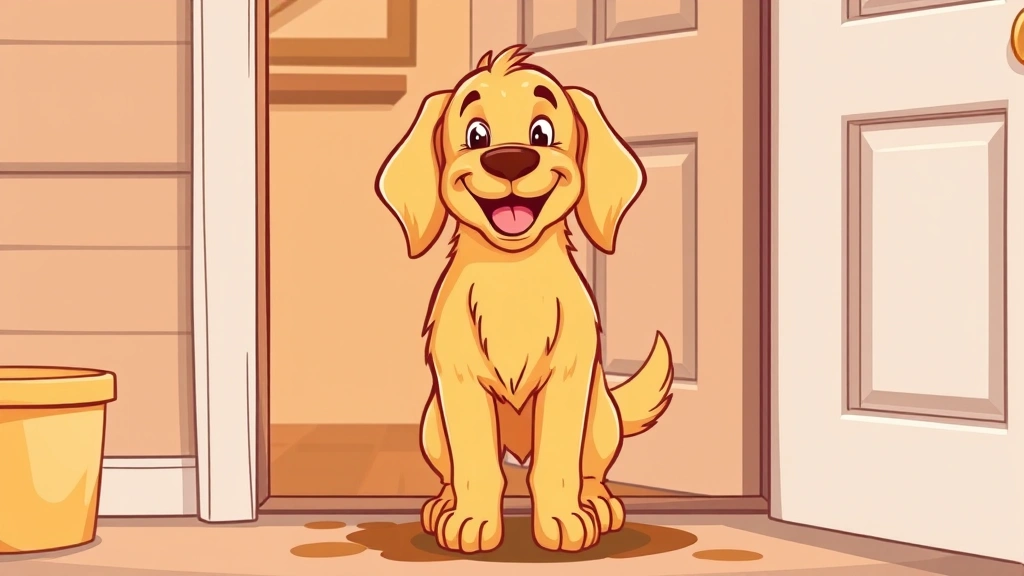
Your dog just came inside from the backyard, and their paws look like they’ve been through a mud wrestling tournament. You grab a towel, wipe frantically, and hope you got most of it. Sound familiar? A good dog paw cleaner isn’t just about keeping your floors clean—it’s about preventing infections, reducing allergens, and keeping those adorable toe beans healthy. In my years as a vet tech, I’ve seen how a simple paw-cleaning routine transforms both dog health and owner sanity.
The truth is, dirty paws aren’t just cosmetic. Dogs pick up bacteria, fungi, and parasites every time they go outside. That moisture trapped between their toes? Perfect breeding ground for yeast infections. This guide walks you through choosing, using, and maintaining a dog paw cleaner that actually works—without turning bath time into a wrestling match.
Why Paw Cleaning Actually Matters
I get it—paw cleaning sounds like one more chore. But here’s what happens when you skip it: bacteria and fungi thrive in the warm, moist environment between your dog’s toes. After a few days of ignored paws, you’re looking at potential yeast infections, bacterial overgrowth, or worse. Dogs with allergies are especially prone to paw problems because their immune systems are already overreacting to environmental triggers.
Think of your dog’s paws like the bottom of a hiking boot. Everything sticks to it. Mud, pollen, road salt (brutal in winter), pesticides from treated lawns, and parasites all hitch a ride. When your dog licks their paws obsessively, they’re often responding to inflammation or infection caused by this buildup. A dog paw cleaner interrupts that cycle before it starts.
Regular paw cleaning also gives you a chance to spot problems early. Cuts, swelling, or unusual discharge become obvious when you’re handling their feet regularly. I’ve caught early signs of infections, foreign objects, and even tumors just by paying attention during routine paw cleaning.
Pro Tip: Clean paws = fewer ear infections. Seriously. Dogs with dirty paws lick them constantly, transferring bacteria and yeast to their ears. Breaking the paw-licking habit through regular cleaning often improves ear health too.
Types of Dog Paw Cleaners: What Works
Not all dog paw cleaners are created equal. Here’s what’s actually out there:
- Paw Wash Cups (Soaking Method): These are containers with soft bristles inside. You fill them with warm water, dip your dog’s paw in, and rotate it gently. They work great for mud and general dirt but aren’t ideal for dogs who hate having their feet handled. Brands like Dexas and Petmate make solid versions that won’t break the bank.
- Wipes and Towels: The simplest option. Microfiber towels are better than regular towels because they trap dirt more effectively. You can use plain water or pet-safe wipe solutions. This method works best for quick cleanups and maintenance between deeper cleanings.
- Portable Sprayers: Battery-operated or manual sprayers designed for paws. They’re convenient for outdoor use and great if your dog tolerates water spray. Some dogs absolutely hate them, so test first.
- Paw Balms and Sprays: These don’t replace water-based cleaning but work alongside it. They protect paws and can have antimicrobial properties. Vaseline and similar balms can help, though always check with your vet first about specific products.
- DIY Solutions: Many vets recommend a simple mix of warm water and a tiny bit of apple cider vinegar (1 part vinegar to 10 parts water). This helps prevent yeast growth naturally. Keep it away from open cuts.
The best dog paw cleaner is the one you’ll actually use consistently. If your dog hates water, a wipe-based approach might be your reality. That’s fine. Consistency beats perfection.
Choosing the Right Dog Paw Cleaner for Your Dog
Your dog’s personality matters more than fancy features. Here’s how to choose:
- For anxious dogs: Start with soft wipes or a towel. Introduce the concept slowly. Let them lick your hand while you gently touch their paws. Build tolerance over weeks if needed. Forcing a paw wash cup on an anxious dog creates negative associations that last.
- For muddy, outdoor-loving dogs: A paw wash cup or portable sprayer is your friend. These dogs usually tolerate water and need serious cleaning regularly.
- For small dogs with sensitive skin: Soft microfiber wipes and gentle, fragrance-free solutions work best. Their skin is more delicate, and they’re prone to irritation from harsh products.
- For dogs with existing paw problems: Check with your vet before using any cleaner. If there’s an active infection, you might need medicated solutions instead of plain water.
Size matters too. A large dog with a paw the size of a baseball needs a bigger cup than a Chihuahua. Don’t buy a tiny paw washer for a 70-pound Lab—it’s frustrating for everyone.
According to the American Kennel Club, regular paw care is essential for all dogs, regardless of breed or lifestyle. They recommend checking paws daily and cleaning them several times weekly, especially for active dogs.
Step-by-Step: How to Use a Dog Paw Cleaner
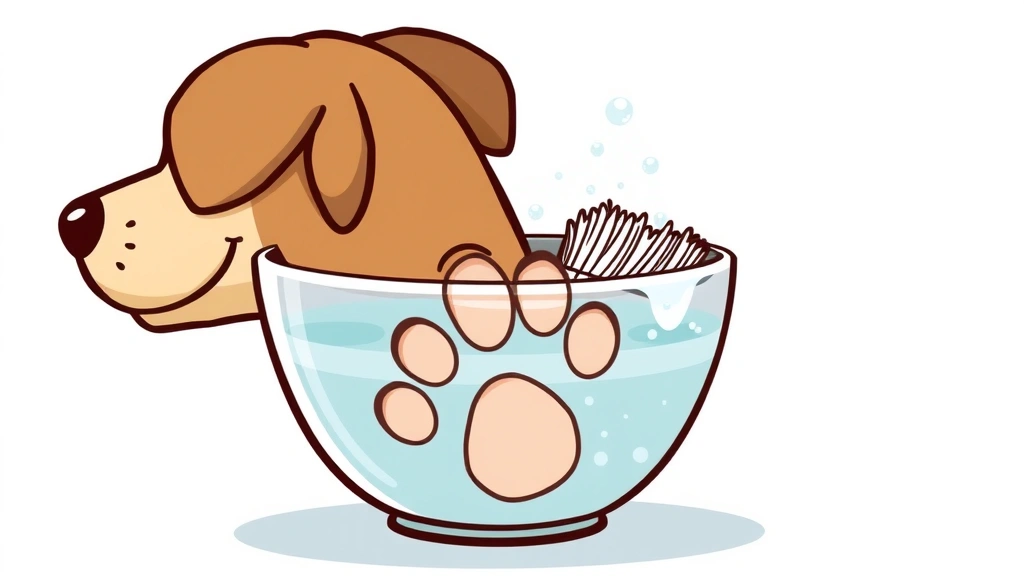
Let’s say you’ve chosen a paw wash cup. Here’s how to actually use it without drama:
- Prep your dog: Have them sit or stand in a comfortable position. Treats nearby. You want them relaxed, not anxious about what’s coming.
- Fill with lukewarm water: Not hot, not cold. Lukewarm is comfortable and less shocking to sensitive paws. If using a solution, mix it now (like that apple cider vinegar option).
- Introduce the cup: Let your dog sniff it first. No surprises. Place their paw gently in the water—don’t plunge it.
- Gently rotate and massage: Rotate their paw slowly in the cup, making sure water gets between the toes and pads. Massage gently to loosen dirt. This should feel pleasant, like a foot soak, not a punishment.
- Pay attention to webbing: The space between toes is where problems hide. Spend extra time there, gently working out any debris.
- Dry thoroughly: This is non-negotiable. Wet paws = yeast paradise. Use a soft towel and make sure everything is dry, especially between the toes. A blow dryer on low heat works too, but many dogs find it scary.
- Reward immediately: Treat, praise, or playtime. You want your dog thinking, “Paw cleaning = good things happen.”
Timing matters. Clean paws right when your dog comes inside from outside, before dirt dries and gets harder to remove. It’s easier to wash off fresh mud than crusty, day-old mess.
For wipe-based cleaning, follow the same logic: gently between toes, dry thoroughly, reward. The whole process should take 2-3 minutes per dog once they’re used to it.
Common Mistakes That Make Paw Cleaning Harder
After years in the vet clinic, I’ve seen these mistakes derail otherwise good intentions:
- Forcing it too fast: Rushing the introduction creates negative associations. Your dog will hide when they see the paw cleaner. Go slow, even if it takes weeks.
- Using water that’s too hot or cold: Uncomfortable temperatures make dogs resistant. Lukewarm is your sweet spot.
- Skipping the drying step: I can’t stress this enough. Wet paws are an infection waiting to happen. Dry them completely.
- Using human products: Human foot soaks, lotions, or even some “gentle” soaps can irritate dog skin. Stick to dog-specific products or plain water.
- Ignoring signs of infection: If your dog’s paws smell bad, are red, or have discharge, that’s not a cleaning problem—that’s a vet problem. Excessive paw licking often signals an underlying issue that cleaning alone won’t fix.
- Waiting too long between cleanings: Paw cleaning isn’t a monthly thing. For active dogs, 2-3 times weekly is realistic. For less active dogs, at minimum after outdoor time.
- Not cleaning the cleaner itself: A dirty paw cup spreads bacteria. Rinse and dry it after each use.
The biggest mistake? Giving up. Your first attempt might be messy and awkward. That’s normal. Dogs learn through repetition and positive association. By the third or fourth time, many dogs start cooperating.
Maintenance Tips to Keep Your Dog Paw Cleaner Working
Your dog paw cleaner is an investment. Keep it in good shape:
- Rinse immediately after use: Don’t let mud dry on the bristles. Rinse with warm water while it’s still wet.
- Sanitize weekly: Run it through the dishwasher (top rack) or soak in a 1:10 bleach-to-water solution for 5 minutes, then rinse thoroughly. Dry completely.
- Check bristles for damage: Worn or damaged bristles won’t clean effectively and can irritate paws. Replace if needed.
- Store in a dry place: Moisture breeds mold. Keep your paw cleaner dry between uses.
- Have a backup: If you rely on one cup, having a second means you always have a clean option.
Microfiber towels need similar care. Wash them regularly (separate from other laundry to avoid lint transfer), and replace when they start falling apart.
When to See Your Vet About Paw Issues
Regular cleaning prevents most paw problems, but sometimes you need professional help. See your vet if you notice:
- Persistent red, inflamed, or swollen paws despite regular cleaning
- Bad odor coming from the paws (yeast or bacterial infection)
- Discharge, pus, or bleeding
- Your dog limping or reluctant to put weight on a paw
- Obsessive licking that doesn’t improve with regular cleaning
- Lumps, bumps, or growths between toes or on pads
- Cracked or peeling paw pads
- Signs of parasites like fleas or ticks (see our guide on how to rid ticks from dogs)
Yeast infections are incredibly common in dogs with allergies. If your dog’s paws are red and itchy, your vet might recommend medicated shampoos or wipes in addition to regular cleaning. PetMD has excellent information on recognizing and treating yeast infections.
In winter, pay special attention to salt and chemical de-icers on paws. These can cause irritation and cracking. Rinse paws thoroughly after walking on treated surfaces, and consider dog booties or paw wax for protection.
Frequently Asked Questions
How often should I clean my dog’s paws?
– For active, outdoor dogs, 2-3 times weekly is ideal. For less active dogs, at minimum after outdoor play or walks. Daily cleaning isn’t necessary for most dogs but won’t hurt if your dog tolerates it. The key is consistency—regular cleaning prevents problems better than occasional deep cleaning.
Can I use regular water or do I need a special solution?
– Plain lukewarm water works great for most situations. If you want to add something, a diluted apple cider vinegar solution (1:10 ratio) can help prevent yeast growth. Avoid human products, essential oils, or anything not specifically formulated for dogs. When in doubt, plain water is always safe.
My dog hates having their paws touched. What do I do?
– Start with very short, positive interactions. Touch their paw for one second, give a treat, stop. Build tolerance over weeks. Use high-value treats they only get during paw time. Some dogs respond better to wipes than water. Consider working with a trainer if anxiety is severe. Never force it—you’ll create worse associations.
What’s the best dog paw cleaner brand?
– Dexas, Petmate, and Outward Hound make solid paw wash cups that are durable and reasonably priced. But honestly, a microfiber towel and plain water works just as well for most dogs. The “best” cleaner is the one your dog will cooperate with. Read reviews from other dog owners with similar-sized dogs.
Do I need to dry paws after cleaning?
– Absolutely, yes. This is non-negotiable. Wet paws create the perfect environment for yeast and bacterial infections. Use a soft towel and make sure the space between toes is completely dry. A blow dryer on low heat works but many dogs find it scary. Spend the extra 30 seconds with a towel—it’s worth it.
Can paw cleaning prevent infections?
– Regular cleaning significantly reduces infection risk by removing dirt, bacteria, and fungi before they cause problems. However, if your dog has allergies or a compromised immune system, cleaning alone might not prevent infections. Work with your vet on a comprehensive approach that might include medicated products or dietary changes.
Is it normal for my dog’s paws to smell?
– A slight earthy or corn-chip smell is normal—that’s actually a common bacteria called Pseudomonas. But a strong, unpleasant odor usually signals a yeast or bacterial infection. If the smell persists despite regular cleaning, see your vet. They might recommend medicated wipes or shampoos.
What if my dog has sensitive skin?
– Use plain water or very gentle, fragrance-free solutions. Avoid products with alcohol, essential oils, or strong fragrances. Microfiber wipes are gentler than rough towels. If your dog has diagnosed skin conditions, ask your vet what cleaning method they recommend. Sometimes medicated solutions are necessary.





