
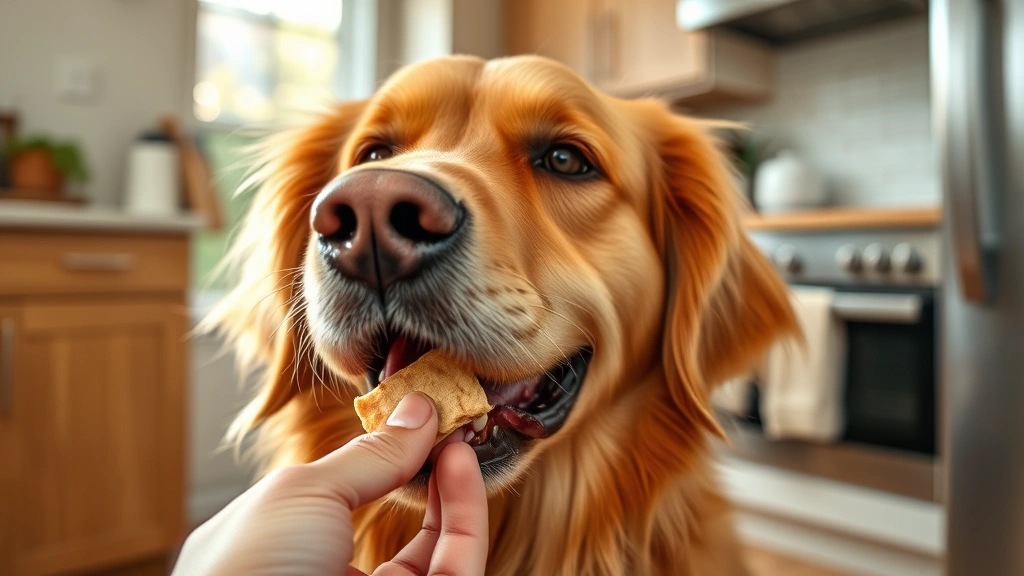
Getting your dog to take medication is like trying to convince a toddler that broccoli tastes like candy—it’s a battle. That’s where dog pill pockets come in as a game-changer for pet parents everywhere. These little pouches of deliciousness are designed to hide pills, capsules, and tablets so your furry friend gobbles them down without suspicion. But there’s more to using them effectively than just shoving a pill inside and hoping for the best.
Table of Contents
- What Exactly Are Dog Pill Pockets?
- Why Traditional Methods Fall Short
- Popular Dog Pill Pocket Brands and Flavors
- How to Use Dog Pill Pockets Like a Pro
- Homemade Pill Pocket Alternatives
- Addressing Common Pill Pocket Problems
- Safety Considerations When Using Pill Pockets
- Expert Tips from Veterinarians
- When Pill Pockets Aren’t Enough
- Maximizing Success With Your Dog’s Medication Routine
- Frequently Asked Questions
- Conclusion: Making Medication Time Easy
What Exactly Are Dog Pill Pockets?
Dog pill pockets are soft, treat-like pouches made from ingredients dogs absolutely crave. The most famous brand is Greenies Pill Pockets, but the market has exploded with options over the past decade. These little morsels have a moldable texture that lets you wrap them around medications, creating the perfect disguise. Think of them as edible envelopes for your dog’s medicine cabinet.
The genius behind pill pockets is their palatability. Dogs don’t care that there’s a giant antibiotic hidden inside—they just taste the chicken, cheese, or peanut butter flavoring and dive in. Most dogs will swallow them whole without chewing, which means the medication gets delivered exactly where it needs to go.
Why Traditional Methods Fall Short
Before pill pockets became mainstream, pet owners had limited options. Some tried crushing pills into food, which often resulted in bitter-tasting meals their dogs refused. Others attempted the “pill gun” method—a device designed to place pills far back in a dog’s throat. Let’s just say that approach required the patience of a saint and sometimes left everyone frustrated.
Hiding pills in regular treats or food works occasionally, but savvy dogs develop an uncanny ability to detect foreign objects. They’ll eat around the medication, spit it out, or refuse the entire meal. That’s where pill pockets for dogs excel—they’re specifically formulated to mask medications while remaining irresistible.
Popular Dog Pill Pocket Brands and Flavors
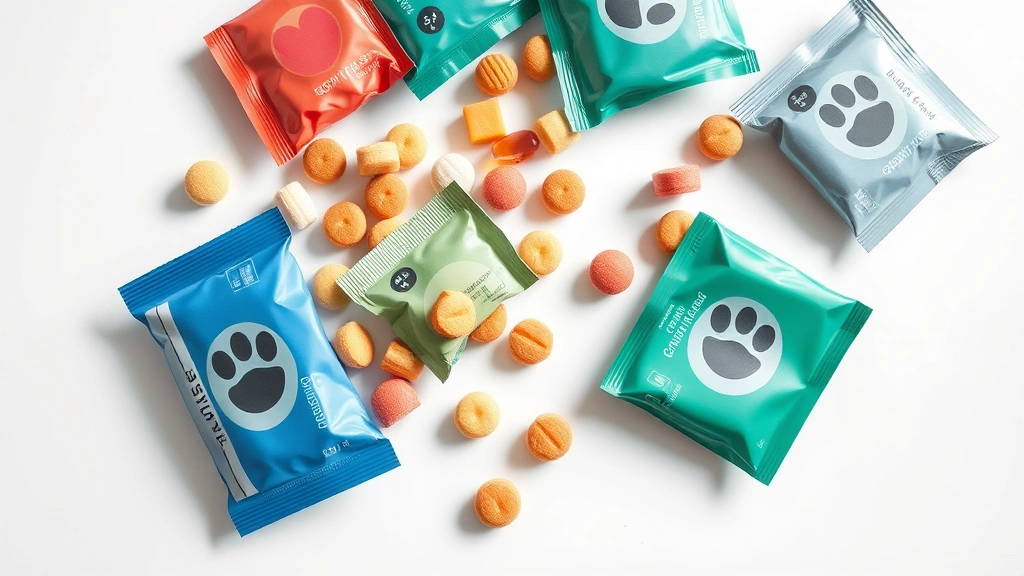
The market offers surprising variety when it comes to dog pill pockets. Greenies Pill Pockets remain the gold standard, available in chicken, bacon, and peanut butter flavors for different dog preferences. Virbac Vetoquadol provides an alternative with a cheese flavor that many dogs find equally appealing.
For dogs with dietary restrictions, brands like Ark Naturals offer grain-free options. If your pup has food sensitivities, you’ll find limited-ingredient pill pockets designed specifically for sensitive stomachs. Some premium brands even use organic ingredients and natural flavoring, perfect for health-conscious pet parents.

Check out our guide on pet treat recipes to see if you want to create homemade alternatives that might suit your dog’s specific dietary needs.
How to Use Dog Pill Pockets Like a Pro
Simply tossing a pill pocket to your dog isn’t always foolproof. Here are the tricks that actually work:
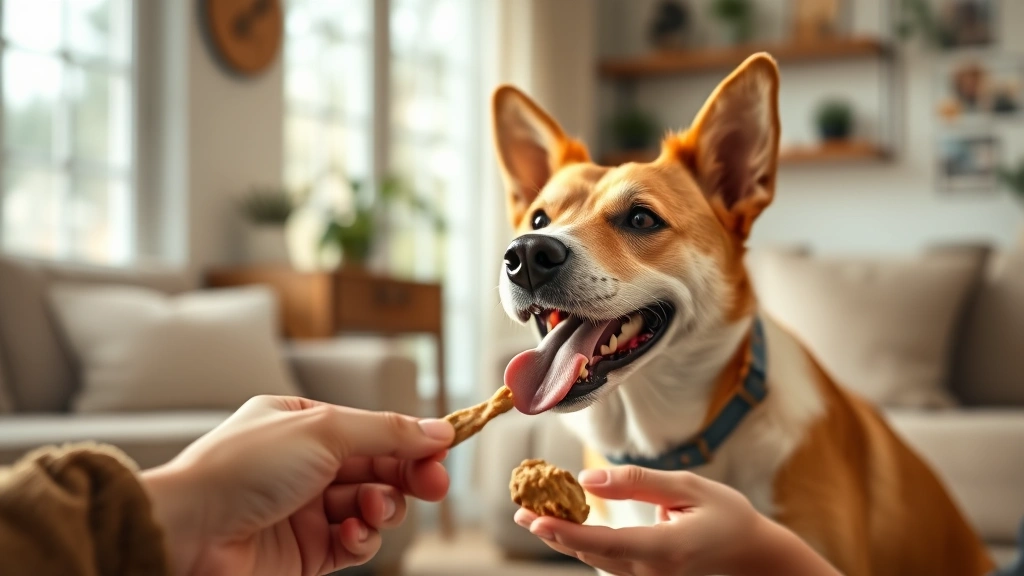
The Warm-Up Method: Give your dog a few plain pill pockets first without any medication. This establishes the routine and gets them excited about the treat. Then slip the medicated one in when they’re expecting more of the same. It’s like a magic trick, except your dog is the audience and the medication is the surprise.
The Double-Wrap Technique: If your dog is particularly suspicious, wrap the pill pocket in another treat or a small amount of peanut butter treats for dogs. This adds an extra layer of disguise that even the most skeptical canine will fall for.
The Timing Strategy: Administer pill pockets when your dog is hungriest—usually before meals or during high-energy play sessions. A hungry dog is far less likely to inspect their snacks carefully.
The Distraction Method: Have multiple treats ready. Give your dog the medicated pill pocket alongside other treats so they eat quickly without overthinking it. The excitement of multiple snacks overrides their natural inspection instinct.

Homemade Pill Pocket Alternatives
Not all dogs tolerate commercial pill pockets, and some pet parents prefer making their own. The simplest homemade option involves mixing peanut butter with a small amount of flour to create a moldable consistency. Wrap this around the pill, and most dogs will devour it instantly.
Other effective homemade options include cream cheese rolled into small balls, liverwurst (which has an incredibly pungent smell that masks medications), or soft cheese like mozzarella. Some vets recommend using a small piece of hot dog, which provides excellent grip for holding pills and tastes irresistible to most dogs.
For detailed inspiration, explore our homemade dog biscuits guide, which includes recipes adaptable for medication delivery.
Addressing Common Pill Pocket Problems
Even the best solutions encounter obstacles. Some dogs are simply too smart for their own good and will detect any foreign object in their treats. Others have allergies or sensitivities that make commercial pill pockets problematic.
If your dog refuses pill pockets, try different flavors—what one dog loves, another might reject. Chicken-flavored pockets work for some dogs while others prefer the stronger appeal of peanut butter or bacon. Temperature also matters; some dogs find warm pill pockets more appealing than cold ones.
For dogs with extreme medication resistance, consult your veterinarian about liquid formulations or compounded medications that can be mixed directly into food. Some pharmacies can reformulate medications into flavored liquids or smaller tablets that are easier to hide.
Safety Considerations When Using Pill Pockets
While pill pockets are generally safe, a few precautions matter. Always check that the ingredients don’t conflict with your dog’s medication or dietary restrictions. Some medications interact poorly with certain fats or proteins found in treats.
Verify that pill pockets won’t interfere with your dog’s medication absorption. Certain antibiotics and supplements require administration on an empty stomach, making pill pockets counterproductive. Always ask your veterinarian whether using pill pockets is appropriate for your dog’s specific medications.
Additionally, ensure the pill pocket completely encloses the medication. If your dog spits out pieces of the treat, they might miss doses of critical medications. The goal is for them to swallow the entire thing without inspection.
For more information about medication safety, check out our article on carprofen dosage for dogs, which discusses proper medication administration.
Expert Tips from Veterinarians
Veterinary professionals have refined pill pocket strategies over years of practice. Most recommend establishing a consistent routine—giving pill pockets at the same time daily trains dogs to accept them without question.
Vets also suggest never forcing a pill pocket. If your dog refuses one, remove it and try again later with a different approach. Forcing medications creates negative associations that make future administration even harder.
According to the American Kennel Club’s expert advice, the most successful medication administration combines pill pockets with positive reinforcement. Praise your dog enthusiastically after they take their medication, creating positive associations with the process.
The PetMD dogs health section emphasizes that consistency and patience yield the best results. Some dogs need several attempts before accepting pill pockets, while others take to them immediately.
When Pill Pockets Aren’t Enough
Sometimes, despite your best efforts, pill pockets simply don’t work. In these cases, alternative medication delivery methods exist. Your veterinarian might recommend:
Pill crushers: Some medications can be crushed and mixed into wet food, though this doesn’t work for time-release or enteric-coated tablets.
Pill guns: These devices place pills far back in the throat, bypassing taste receptors entirely. They require practice but work for stubborn dogs.
Compounded medications: Pharmacies can reformulate medications into flavored liquids, smaller tablets, or even treats designed specifically for your dog’s needs.
Injectable alternatives: Some medications come in injectable forms that veterinarians can administer, eliminating the need for oral administration entirely.
Learn more about pet nutrition advice to understand how dietary considerations affect medication administration.
Maximizing Success With Your Dog’s Medication Routine
The key to successful pill pocket administration lies in understanding your individual dog. Some respond to positive reinforcement, while others need the element of surprise. Pay attention to your dog’s behavior patterns and preferences.
Keep pill pockets stored properly—most need to be kept in airtight containers to maintain freshness and palatability. Stale or expired pill pockets lose their appeal, making dogs more likely to inspect them carefully.
Consider keeping a medication log. Track which flavors work best, what times yield the most success, and any behavioral patterns you notice. This information becomes invaluable if you need to switch medications or adjust your administration strategy.
Frequently Asked Questions
Can I use pill pockets for all dog medications?
Not all medications work well with pill pockets. Some antibiotics require administration on an empty stomach, and certain supplements need specific timing. Always consult your veterinarian before using pill pockets to ensure they won’t interfere with medication effectiveness.

What if my dog has allergies and can’t eat commercial pill pockets?
Homemade alternatives like cream cheese, liverwurst, or peanut butter work well for allergic dogs. You can also ask your veterinarian about compounded medications formulated specifically for your dog’s dietary restrictions.
How long can I store pill pockets?
Commercial pill pockets typically last 18-24 months when stored properly in airtight containers at room temperature. Check the expiration date on your package. Homemade alternatives should be used immediately or refrigerated for no more than a few days.
Will my dog get sick from eating too many pill pockets?
Pill pockets are treats and should be counted toward your dog’s daily caloric intake. Giving too many can contribute to weight gain and nutritional imbalances. Use the smallest size pill pocket that fits your medication, and adjust their regular food portions accordingly.
What’s the best flavor for picky eaters?
This varies by individual dog, but peanut butter and bacon flavors tend to have the highest success rate. If your dog refuses these, try chicken or cheese varieties. Some dogs respond better to homemade options like liverwurst, which has a stronger smell.
Can I mix pill pockets with other treats?
Yes, mixing medicated pill pockets with plain treats often increases success rates. This prevents dogs from singling out the medicated treat and inspecting it carefully. The excitement of multiple treats overrides their natural caution.
Conclusion: Making Medication Time Easy
Dog pill pockets have revolutionized how pet parents administer medications to their furry companions. Whether you choose commercial brands or homemade alternatives, these clever delivery systems take the stress out of medication time. The key to success involves understanding your individual dog’s preferences, maintaining consistency, and knowing when to ask your veterinarian for alternative solutions.
Remember that every dog is unique. What works perfectly for your neighbor’s Golden Retriever might not work for your Beagle. Stay patient, experiment with different flavors and techniques, and celebrate the small victories. With the right approach, pill pockets transform medication administration from a daily battle into a simple, stress-free routine that keeps your dog healthy and happy.





