

Let’s be real: nobody gets excited about picking up dog poop. But here’s the thing—having the right dog poop bags transforms what could be an awkward, messy moment into a quick, dignified part of your routine. Whether you’re a first-time dog owner or a seasoned walker, the difference between cheap, flimsy bags and quality ones is night and day. This guide covers everything you need to know about choosing, using, and carrying dog poop bags like a pro.
Good news: this isn’t complicated. The right dog poop bags are affordable, easy to find, and honestly make walks more enjoyable for you and your neighbors. Let’s dig in.
Why Dog Poop Bags Actually Matter
You might think: “It’s just poop, right?” Wrong. Using dog poop bags is about respect—for your neighbors, your community, and honestly, your own reputation as a dog owner.
Here’s what happens when people don’t pick up after their dogs:
- Neighbors get angry (and rightfully so)
- Parks and trails get closed to dogs
- Other dogs step in it and track it everywhere
- Diseases and parasites spread to other pets
- You might face fines in many municipalities
According to the American Kennel Club’s guide to responsible dog ownership, cleaning up after your dog is a fundamental responsibility. It’s not optional—it’s part of being a good dog owner.
Using quality dog poop bags shows you care. It keeps your local community clean, prevents disease transmission, and honestly, it makes walks more pleasant for everyone. Plus, you won’t be “that person” who leaves a mess.
Types of Dog Poop Bags Explained
Not all dog poop bags are created equal. Here are the main categories:
Standard Plastic Bags
These are the most common. They’re cheap, durable, and effective. Most come on rolls that attach to a leash or clip to your pocket. The downside? They’re not biodegradable, and they use petroleum-based plastic. But they work, and they’re what most people use.
Biodegradable Bags
Made from plant-based materials or compostable plastics, these dog poop bags break down faster than standard plastic. They cost a bit more but feel better if you care about environmental impact. Fair warning: “biodegradable” doesn’t mean they’ll vanish overnight in a landfill. Most need specific conditions to break down.
Scented Bags
Some dog poop bags come with odor-control scents (usually lavender or citrus). Honestly? They help a little, but they’re not magic. The smell is still there—they just mask it slightly. Good if you’re sensitive to odors; optional otherwise.
Extra-Thick Bags
For large dogs or owners worried about leaks, thicker bags provide peace of mind. They cost more but reduce the chance of a nasty surprise on your hand.
Flushable Bags
These are marketed as flushable, but most plumbers and municipalities actually recommend against flushing them. They can cause clogs. Skip these.
How to Choose the Right Bags for Your Dog
Picking dog poop bags depends on a few factors:
Size of Your Dog
Small dogs produce small poops. Standard-sized bags work fine. Large dogs? You might want extra-thick or larger bags to avoid overflow. Measure your dog’s typical output—yes, really. It matters.
Frequency of Walks
If you walk your dog once a day, you need fewer bags. Multiple daily walkers should buy in bulk. Most people go through 1-2 bags per walk, so calculate accordingly.
Storage Space
Do you have room in your car for bulk purchases? Buying in bulk saves money but requires storage. If you’re tight on space, smaller packs are fine—you’ll just pay more per bag.
Budget
Budget dog poop bags cost around $0.03-0.05 per bag. Premium options run $0.10-0.20 each. Over a year, the difference between cheap and premium is maybe $30-50. Worth it for peace of mind? That’s your call.
Environmental Concerns
If you care about your carbon footprint, biodegradable or compostable dog poop bags are worth the extra cost. Just know they’re not a perfect solution—they still require proper disposal.
Pro Tip: Keep a backup stash of dog poop bags in your car, your pocket, and your home. Running out mid-walk is embarrassing and irresponsible. A few extra bags cost pennies.
The Proper Technique for Using Dog Poop Bags
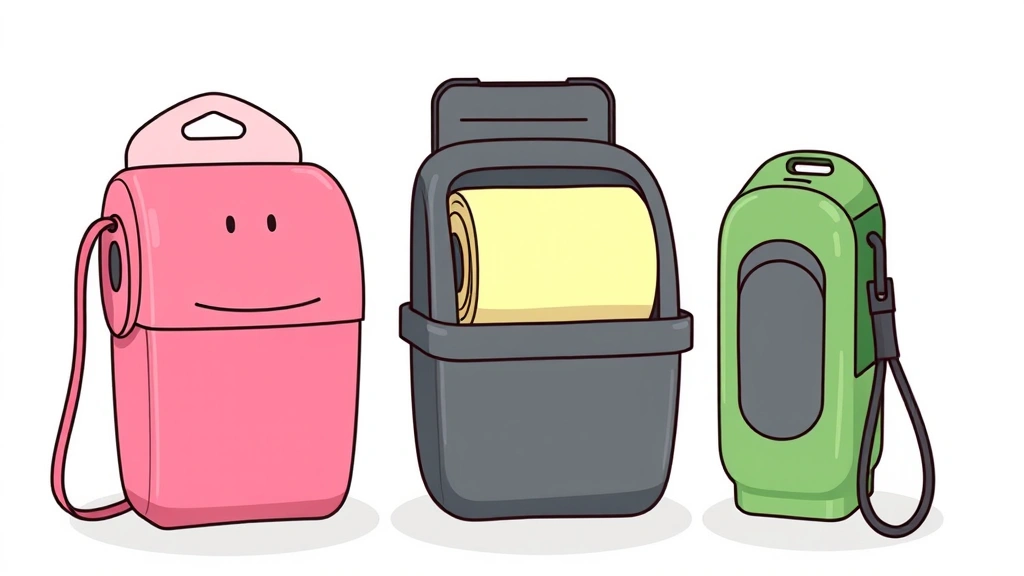
This sounds silly, but there’s actually a right way to use dog poop bags. Here’s the technique:
- Anticipate the poop. Most dogs have a routine. Learn your dog’s signals (sniffing, circling, squatting). Be ready.
- Position yourself. Stand to the side or slightly behind your dog. You don’t want poop on your shoes.
- Have the bag open and ready. Don’t fumble with the bag once your dog starts going. Get it open first.
- Scoop immediately. Don’t let it sit. Fresh poop is easier to scoop and less gross. Grab the bag, flip it inside-out, and scoop from the back end forward.
- Tie it securely. Twist the top and tie it in a knot. Double-check it’s sealed. Nobody wants a leaking bag.
- Dispose properly. More on this below, but don’t just leave it on the ground.
The inside-out flip technique is key. It lets you grab the poop without touching it directly. It’s the same method people use for cat litter—it works because it works.
If your dog has diarrhea or loose stool, dog poop bags get trickier. A thicker bag helps. Some people use two bags for extra security. If your dog has chronic loose stools, check with your vet—it could signal a dietary issue or health problem. Read our guide on how to help a constipated dog for related digestive issues.
Best Ways to Carry and Dispense Dog Poop Bags
How you carry dog poop bags affects your walk experience. Here are the best options:
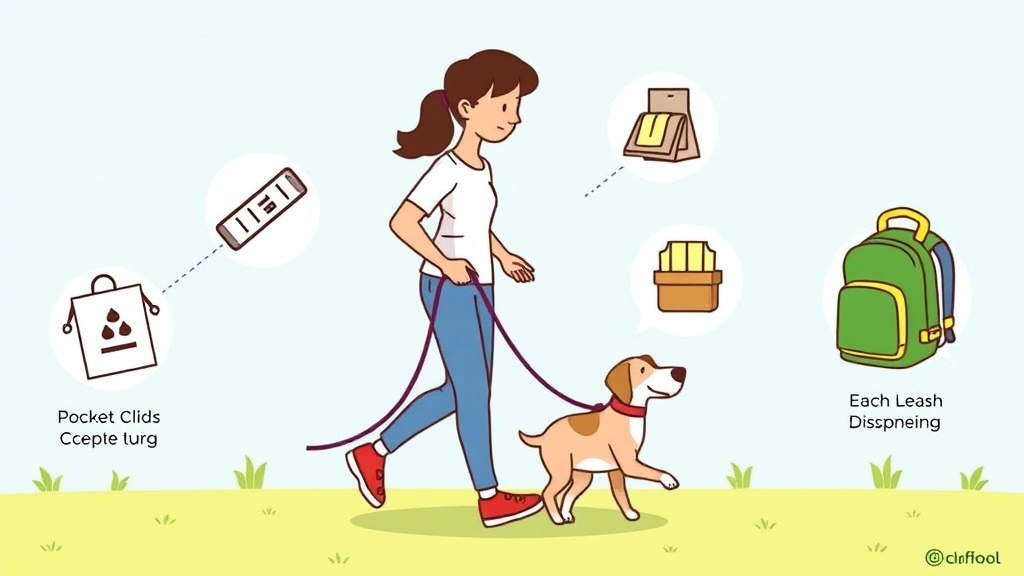
Leash-Attached Dispensers
These small plastic holders clip directly to your leash and hold a roll of bags. They’re compact, always with you, and super convenient. Most cost $5-15. Highly recommended.
Pocket Clips
A simple clip holds a small bundle of bags in your pocket. Light and minimal, but you need to remember to refill them.
Backpack or Bag
If you carry a small backpack or crossbody bag, toss a roll of dog poop bags in there. Good for long hikes or multi-dog walkers.
Hand-Held Rolls
Some people just hold a roll in their hand. It works, but it’s awkward and you’ll drop it eventually.
Car Storage
Keep bulk bags in your car for spontaneous walks or when you run out. A gallon-sized ziplock bag holds dozens of rolls.
Safety Warning: Never store dog poop bags in extreme heat (like a sealed car in summer). Plastic can degrade and become brittle. Keep them in a cool, dry place.
Eco-Friendly Dog Poop Bag Options
If you’re concerned about environmental impact, you have options:
Compostable Bags
Made from plant materials like corn starch, these bags break down in commercial composting facilities. They’re more expensive but genuinely better for the planet. Brands like BioBag and Earth Rated are solid choices.
Recycled Plastic Bags
Some manufacturers use recycled plastic for dog poop bags. It’s not perfect, but it diverts plastic from landfills.
Reusable Bags
A few companies make washable, reusable dog poop bags. Honestly? They’re harder to use and require washing. Most people stick with disposable for convenience.
What NOT to Do
Don’t use plastic grocery bags. They’re too thin and tear easily. Don’t flush bags—they clog pipes. Don’t leave bags in nature, even if they’re biodegradable. Pack it in, pack it out, just like hiking.
The truth: no option is perfectly eco-friendly. Even compostable bags require industrial facilities to break down. But choosing compostable over standard plastic is a step in the right direction. According to the EPA’s sustainable materials management guidelines, reducing overall consumption is better than choosing “green” products. So buy what you need, use it properly, and dispose of it responsibly.
Where and How to Dispose of Dog Poop Bags
This is where most people mess up. Here’s the right way:
In Your Own Trash
Your home trash bin is the standard disposal method. Seal the bag, toss it in the can, done. This is fine—your local waste system handles it.
Public Trash Cans
Parks and trails usually have trash bins specifically for dog poop bags. Use them. Don’t leave bags on the ground or hanging from trees (yes, people do this—it’s gross).
Neighbor’s Trash
Don’t do this. Ever. It’s disrespectful and illegal in some places.
Down the Toilet
Despite what flushable bag companies claim, don’t flush dog poop bags. Even the bags themselves can clog pipes. If you want to flush the poop itself (without the bag), that’s generally okay, but check your local water treatment guidelines first.
Composting
If you have a home compost system, you can compost dog waste, but it requires high temperatures (over 165°F) to kill pathogens. Most home systems don’t reach this. Stick with commercial composting if you want to compost dog waste.
Septic Systems
If you have a septic system, flushing dog waste can disrupt the bacterial balance. Check with your septic company before flushing anything.
The rule of thumb: if it’s not your trash can or a designated public bin, don’t leave dog poop bags there. This ties directly to understanding what does curb your dog mean—it means picking up after your dog, period.
Frequently Asked Questions
What size dog poop bags do I need?
– Standard bags (9×13 inches) work for most dogs. For large breeds, look for bags labeled “large” or “extra-large” (11×20 inches or bigger). If your dog is tiny, small bags (7×10 inches) save money. The key is having enough bag to contain the poop without tearing.
Are expensive dog poop bags worth it?
– Not necessarily. Premium bags offer thicker plastic, scent control, or eco-friendly materials. If you have a large dog or are worried about leaks, extra-thick bags are worth the small upgrade. Otherwise, mid-range bags are fine. You’re paying for durability and peace of mind, not magic.
Can I use regular plastic bags instead of dog poop bags?
– Technically yes, but regular grocery bags are thinner and tear more easily. Dog poop bags are designed for the job. For occasional use, regular bags work. For regular walks, invest in proper dog poop bags.
Do I need scented dog poop bags?
– No. Scent is a nice-to-have, not essential. If you’re sensitive to smells, try them. Otherwise, unscented bags work just as well and cost less.
How many dog poop bags should I carry on a walk?
– Carry at least 2-3 bags per expected poop. Most dogs go once per walk, but some go twice. If your dog has diarrhea or you’re on a long walk, bring extra. Better to have too many than too few.
What if my dog poops and I don’t have a bag?
– This is awkward but happens. If there’s a nearby trash can or park facility, ask if they have spare bags. If not, make a mental note to never leave home without bags again. This is why keeping backup bags in your car matters.
Are biodegradable dog poop bags actually better?
– They break down faster than standard plastic, but they still require specific conditions (commercial composting) to fully decompose. If you care about the environment, they’re better. If you’re on a tight budget, standard bags are fine—just dispose of them properly.
Can I flush dog poop (without the bag)?
– Generally yes, but check with your local water treatment facility first. Some systems can handle it; others can’t. If you have a septic system, ask your septic company. When in doubt, throw it in the trash.
Why is picking up dog poop important?
– It’s a legal requirement in most places, a health concern (parasites and diseases spread through feces), and a matter of respect for your community. It also prevents other dogs from stepping in it and tracking it everywhere. It’s just the right thing to do.
What’s the difference between compostable and biodegradable dog poop bags?
– Biodegradable bags break down naturally over time (months to years). Compostable bags break down in commercial composting facilities (weeks to months) under specific conditions. Compostable is more eco-friendly because it’s faster and more reliable, but it requires access to commercial composting.
Final Thoughts
Good dog poop bags are a small investment that makes a big difference. They’re cheap, easy to use, and essential for being a responsible dog owner. Whether you choose standard plastic, eco-friendly options, or premium thick bags, the key is using them consistently and disposing of them properly.
Your neighbors will thank you. Your dog’s paws will be cleaner. And you’ll feel good knowing you’re doing your part to keep your community clean. That’s what smart dog walking looks like.
Now go grab some bags and enjoy your walks guilt-free.





