
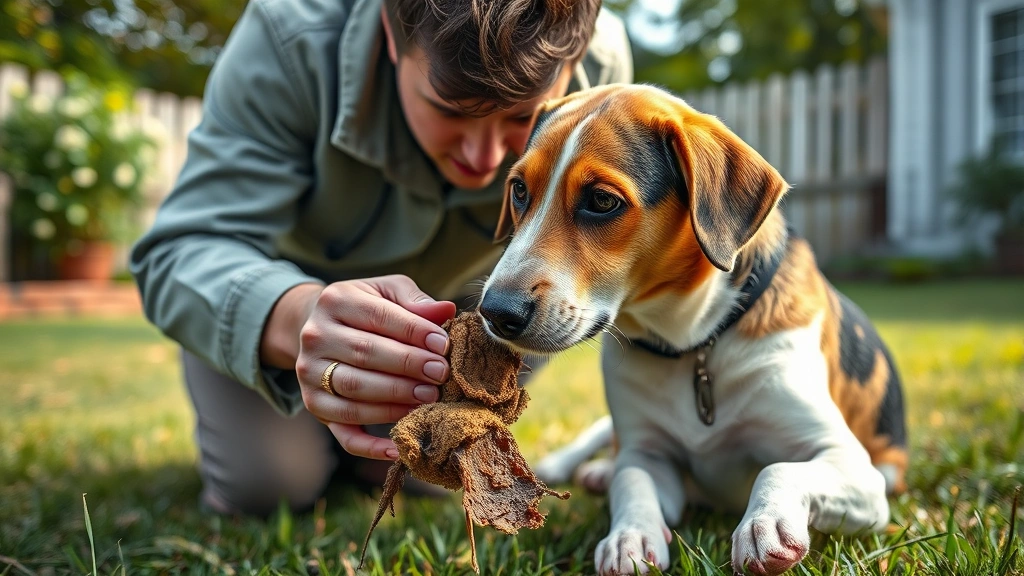
If you’ve noticed your dog’s poop looking like jelly with blood, you’re probably freaking out a little—and rightfully so. That gelatinous, bloody mess in your yard is definitely not normal, and your furry friend is sending an SOS signal. We’re going to break down exactly what causes this alarming symptom, why it happens, and most importantly, what you need to do about it.
Table of Contents
- What Does Jelly-Like Poop with Blood Actually Mean?
- Cause #1: Intestinal Parasites and Worm Infections
- Cause #2: Inflammatory Bowel Disease (IBD)
- Cause #3: Dietary Indiscretions and Food Sensitivities
- Cause #4: Bacterial or Viral Infections
- Cause #5: Hemorrhagic Gastroenteritis (HGE)
- When to Rush to the Emergency Vet (Don’t Wait!)
- Diagnostic Tests Your Vet Will Likely Recommend
- Treatment Options Based on the Cause
- Home Care and Recovery Tips
- Prevention: Stop the Jelly Poop Before It Starts
- Frequently Asked Questions
What Does Jelly-Like Poop with Blood Actually Mean?
When your dog’s poop resembles jelly with blood streaks, you’re looking at what vets call “mucoid diarrhea with hematochezia” (blood in the stool). That gelatinous texture comes from excess mucus coating the intestinal walls, which your dog’s body produces when something’s irritating the gut. The blood? That’s a sign of inflammation or damage somewhere in the digestive tract. Think of it like your dog’s intestines waving a red flag saying, “Hey, something’s wrong down here!”
Cause #1: Intestinal Parasites and Worm Infections
One of the most common culprits behind jelly-like poop with blood is parasites. Roundworms, hookworms, and whipworms are sneaky little troublemakers that attach to your dog’s intestinal walls, causing inflammation and bleeding. Your pup might’ve picked these up from contaminated soil, other dogs, or even hunting small animals. Parasitic infections are particularly common in puppies and dogs who spend lots of time outdoors. If your dog has parasites, you’ll often notice other symptoms like weight loss, lethargy, and a dull coat. The good news? Parasites are treatable with prescription dewormers from your vet.
Cause #2: Inflammatory Bowel Disease (IBD)
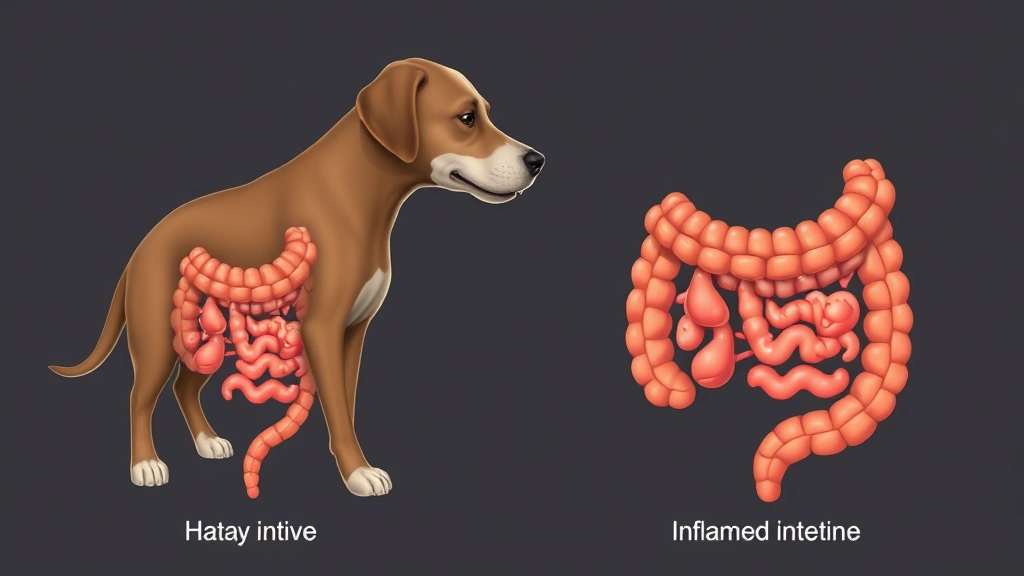
Inflammatory Bowel Disease in dogs is like having a permanently angry intestinal tract. The immune system attacks the gut lining, causing chronic inflammation that leads to that characteristic jelly-like mucus and blood in the stool. IBD can develop in dogs of any age but is more common in certain breeds. The condition requires ongoing management, but with the right diet and medications, most dogs live normal, happy lives. Your vet might recommend prescription digestive enzymes, probiotics, or special hypoallergenic diets to calm things down.
Cause #3: Dietary Indiscretions and Food Sensitivities
Sometimes your dog eats something they shouldn’t—garbage, spoiled food, or a food they’re sensitive to—and boom, jelly poop with blood. This is especially true for dogs with food allergies or intolerances. Common culprits include chicken, beef, dairy, and grains. When the intestinal lining gets irritated by something your dog ate, it produces excess mucus and may bleed slightly. The silver lining? If it’s just a dietary issue, switching to a bland diet or eliminating trigger foods often fixes the problem quickly. Check out our guide on online vet advice for food reactions to get professional dietary guidance.
Cause #4: Bacterial or Viral Infections
Nasty bacteria like E. coli, Salmonella, or Campylobacter can invade your dog’s intestines and wreak havoc. Viral infections like parvovirus or coronavirus can also cause this symptom. These infections are serious business—they can dehydrate your pup quickly and require veterinary treatment. Dogs with bacterial or viral infections often show additional symptoms like fever, vomiting, lethargy, and loss of appetite. If you suspect an infection, don’t wait around; get your dog to the vet ASAP. These conditions can escalate rapidly, especially in puppies or senior dogs.
Cause #5: Hemorrhagic Gastroenteritis (HGE)
Hemorrhagic Gastroenteritis is a condition where the intestinal lining bleeds profusely, causing that dramatic jelly-like, blood-filled poop. It’s scary to see, but HGE is treatable when caught early. The cause isn’t always clear—it could be stress, dietary changes, infections, or even certain medications. Dogs with HGE typically show sudden onset of bloody diarrhea, vomiting, and abdominal pain. This is a veterinary emergency. Your dog will likely need IV fluids, antibiotics, and supportive care at an animal hospital.
When to Rush to the Emergency Vet (Don’t Wait!)
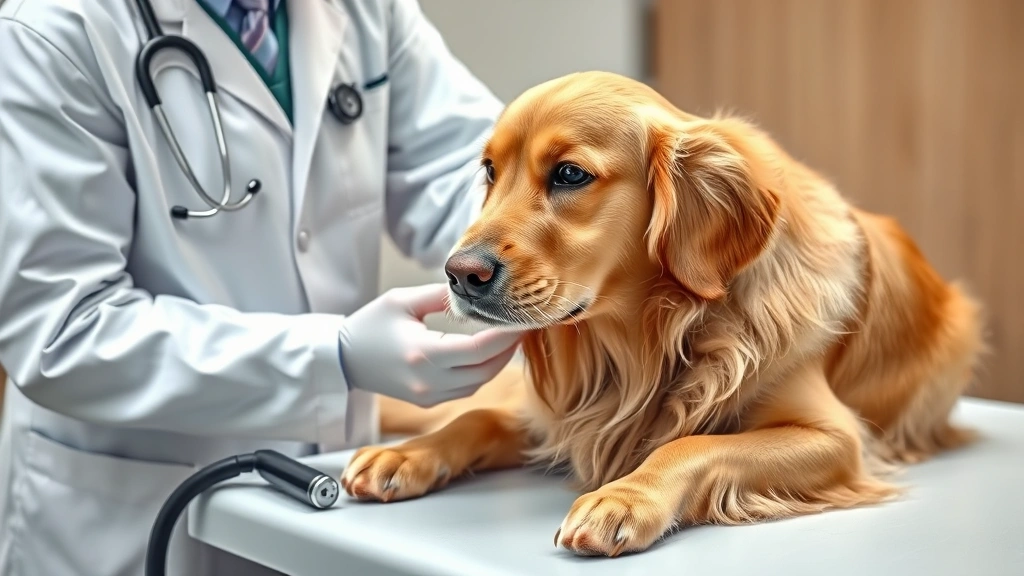
Some situations demand immediate veterinary attention. If your dog shows any of these red flags, head to the emergency clinic: repeated vomiting along with bloody jelly poop, signs of severe dehydration (dry gums, lethargy, sunken eyes), abdominal pain or distension, fever over 103°F, or if your puppy is showing these symptoms (they deteriorate faster). Also seek emergency care if the bloody diarrhea is profuse or your dog seems critically ill. Don’t try to diagnose this at home—your vet needs to examine your pup and possibly run tests. If you’re unsure whether it’s an emergency, call your vet’s emergency line for guidance.
Diagnostic Tests Your Vet Will Likely Recommend
Your veterinarian will probably want to run several tests to pinpoint the cause. A fecal exam checks for parasites and bacterial overgrowth. Blood work evaluates organ function and checks for systemic infections. Abdominal ultrasound or X-rays can reveal inflammation, blockages, or other structural issues. In some cases, your vet might recommend a colonoscopy or endoscopy to visualize the intestinal lining directly. These diagnostics help rule out serious conditions and guide treatment decisions. Don’t skip them even if they seem expensive—they’re worth every penny for your dog’s health.
Treatment Options Based on the Cause
Treatment depends entirely on what’s causing the jelly-like poop with blood. For parasites, prescription dewormers do the trick. For food sensitivities, dietary changes work wonders—often a limited ingredient or hypoallergenic diet. Bacterial infections require antibiotics, while viral infections need supportive care (fluids, rest, bland diet). IBD typically requires long-term management with prescription diets, probiotics, and sometimes immunosuppressant medications. HGE usually needs hospitalization with IV fluids and supportive care. Your vet will create a specific treatment plan once they’ve identified the culprit. Don’t give your dog over-the-counter anti-diarrheal medications without vet approval—they can sometimes make things worse.
Home Care and Recovery Tips
While your dog recovers, keep them hydrated—offer small amounts of water frequently. Feed a bland diet like boiled chicken and rice (with your vet’s approval) until the poop normalizes. Probiotics designed for dogs can help restore healthy gut bacteria. Keep your pup calm and reduce stress, as stress can worsen GI issues. Monitor their poop closely and note any changes to report to your vet. If your dog has parasites, clean your yard thoroughly and wash their bedding frequently to prevent reinfection. For ongoing conditions like IBD, consistency with diet and medications is crucial for long-term management.
Prevention: Stop the Jelly Poop Before It Starts
Prevention is always better than dealing with bloody diarrhea. Keep your dog on a regular deworming schedule—puppies need it more frequently, while adults typically need it 2-4 times yearly. Feed high-quality food appropriate for your dog’s age and health status. Avoid sudden diet changes; transition slowly over 7-10 days. Keep your dog away from garbage, spoiled food, and toxic substances. Maintain good hygiene—clean up poop promptly and wash hands after handling. Minimize stress through regular exercise and routine. If your dog has a sensitive stomach, consider a virtual vet consultation for diet questions to identify the best food. Finally, keep up with annual vet checkups so issues get caught early.
Frequently Asked Questions
Is dog poop like jelly with blood always an emergency?
Not always, but it warrants prompt veterinary attention. If your dog seems otherwise healthy and it’s a one-time occurrence, it’s still worth a vet call. However, if accompanied by vomiting, lethargy, fever, or repeated episodes, it’s an emergency. When in doubt, contact your vet—they can advise whether your pup needs to be seen immediately or can wait for a regular appointment.
Can I treat this at home without seeing a vet?
We wouldn’t recommend it. While some mild cases of dietary indiscretion might resolve with a bland diet, you can’t diagnose the cause without professional help. Serious conditions like parasites, infections, or HGE require veterinary treatment. Trying to treat at home could delay necessary care and make things worse. Get your dog checked out—it’s worth the peace of mind.
How long does it take for the poop to return to normal?
Recovery time depends on the cause. Dietary issues might resolve in 24-48 hours with a bland diet. Parasites typically clear up within 5-7 days of deworming. Bacterial infections usually improve within 3-5 days of antibiotics. IBD and HGE require longer recovery periods—sometimes weeks to months. Your vet will give you a better timeline once they know what they’re dealing with.
Could this be a sign of cancer in dogs?
While cancer is possible, it’s relatively uncommon as a cause of acute bloody diarrhea. More common culprits like parasites, infections, or dietary issues are far more likely. That said, chronic or recurring bloody stools warrant investigation, as they could indicate various conditions. Your vet will help determine if cancer is a concern based on your dog’s age, symptoms, and test results.
Is jelly-like poop with blood contagious to other pets?
It depends on the cause. Parasitic infections can spread to other dogs, especially if they share the same environment. Bacterial and viral infections may also be contagious. Keep your affected dog’s food, water bowls, and bedding separate from other pets until your vet gives the all-clear. Practice good hygiene and wash your hands after handling your sick dog. If you have multiple pets, your vet might recommend treating them all preventatively.
What role do probiotics play in recovery?
Probiotics introduce beneficial bacteria that support gut health and can help restore balance after infections, antibiotics, or dietary issues. They’re particularly useful for dogs with IBD or chronic digestive issues. However, probiotics aren’t a cure-all—they work best as part of a comprehensive treatment plan that includes addressing the underlying cause, dietary adjustments, and any necessary medications.
Should I change my dog’s diet immediately?
Don’t make drastic diet changes without vet guidance. If you suspect food sensitivity, your vet might recommend an elimination diet to identify triggers. Generally, switching to a bland diet (boiled chicken and rice) for a few days is safe while you figure things out, but get professional advice before making permanent dietary changes. For dogs with IBD or chronic issues, prescription diets are often necessary.





